
Not every highly anticipated anime can become a hit. Each new season brings some breakout hits that quickly win over audiences, but there are also many titles that leave viewers disappointed by failing to meet initial expectations.
Halfway through 2026, many anime have revealed their true quality. From big-name projects lacking innovation, to adaptations that fall short of fan hopes, and series with intriguing ideas but weak execution, here are the most disappointing anime of the year so far.
Rent-a-Girlfriend Season 5 Repeats Old Patterns
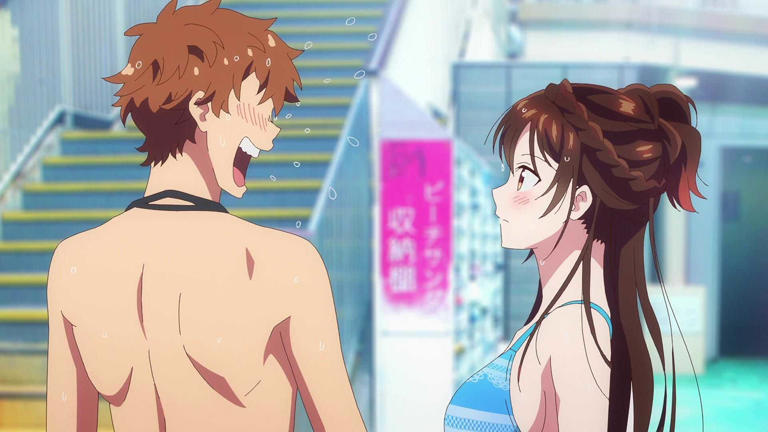
After years on air, Rent-a-Girlfriend still struggles with the same issues that sparked debate since its early seasons.
Season 5 continues to focus on the complicated relationship between Kazuya and Chizuru, filled with familiar misunderstandings, hesitation, and indecisiveness. While the show retains a loyal fanbase, many feel the main characters have shown little growth since the beginning.
Instead of advancing the characters’ relationships, the new season drags out conflicts, making the story feel stuck in a rut.
Dark Moon: The Blood Altar Fails to Use Its Vampire World Potential
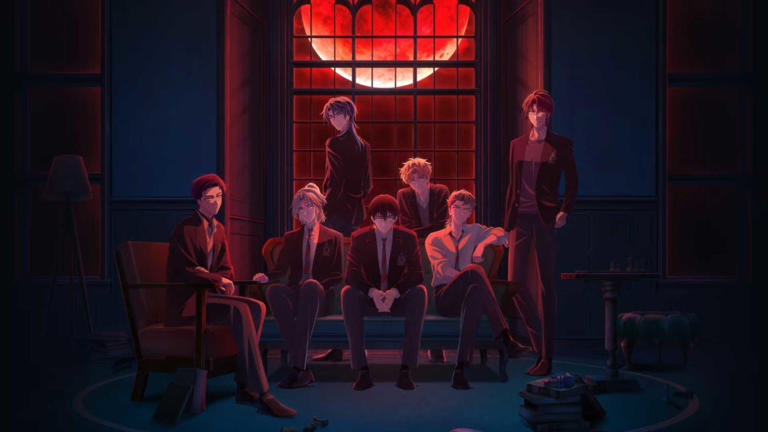
Initially, Dark Moon: The Blood Altar caught attention with its vampire imagery and dark, mysterious atmosphere. However, once aired, it felt more like a high school romance than a story about dangerous supernatural beings.
Featuring members of ENHYPEN as vampire students attracted some fans, but the plot failed to fully capitalize on this concept.
The lead, Sooha, was expected to be a strong female protagonist but gradually became more of a fan service character than a deeply developed one. The vampire element also had little impact on the main story, causing the show to lose its initial appeal.
Dead Account Wastes a Promising Idea
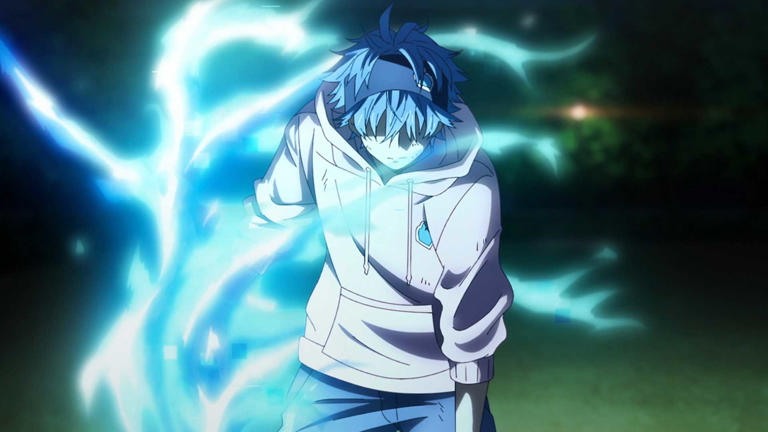
Dead Account attracted attention with its unique premise: social media accounts of the deceased becoming sources of dangerous spirits, forcing digital sorcerers to fight for control.
Instead of exploring social issues or the modern internet world, the anime quickly turned into a typical shonen battle series.
The protagonist Soji Enishiro starts with an interesting backstory, earning money through controversial videos to pay for his sister’s treatment, but his character development falls flat. Battles lack excitement, and the animation quality is not strong enough to make up for the weak script.
Needy Girl Overdose Loses the Depth Fans Expected
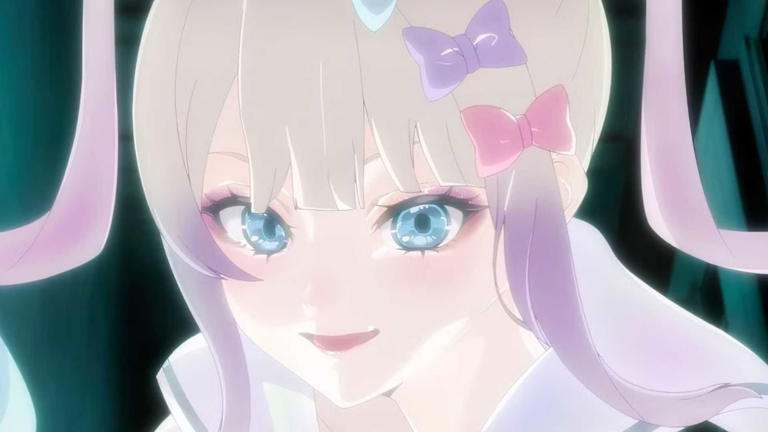
Adapted from the popular game Needy Girl Overdose, this anime was expected to offer a unique perspective on livestream culture, social media, and youth pressures.
The show experiments boldly with visuals, mixing traditional animation, live-action footage, and stop-motion. However, the story lacks the weight to match these innovations.
Rather than diving into characters’ psychology or the darker side of streaming, many episodes suffer from unclear storytelling, making the message hard to grasp.
Hana-Kimi Fails to Meet Expectations After 30 Years
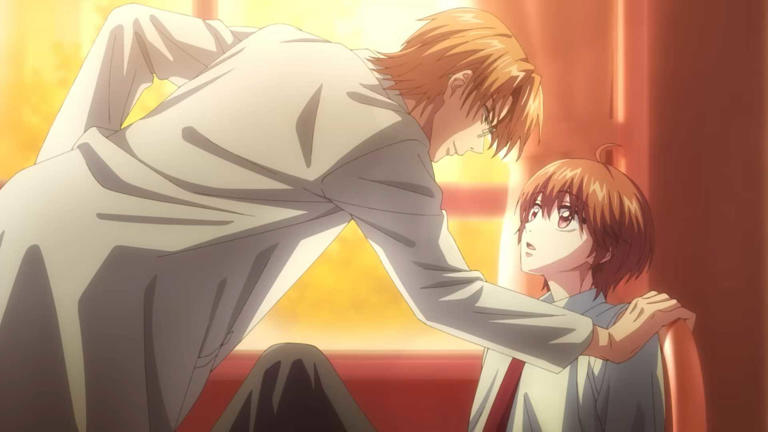
Hana-Kimi is one of the most beloved shojo manga from the 1990s and early 2000s. The long-awaited anime adaptation drew huge community interest.
Unfortunately, condensing a lengthy story into just 12 episodes made the pacing rushed. Many characters lacked development, and the central romance lost the natural charm of the manga.
Additionally, some CGI elements clashed with the romantic, nostalgic style of the original work.
Liar Game Doesn’t Capture the Original Manga’s Quality
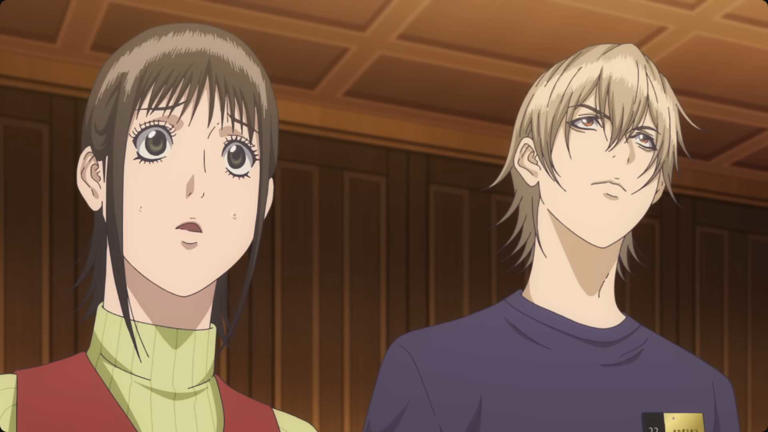
With Madhouse behind it, a studio known for psychological hits like Death Note and Monster, the Liar Game anime carried high expectations.
Sadly, the fast pacing and heavy focus on explanations weakened the tension of this thriller.
The visuals also failed to create the dark, intense atmosphere of the manga. Bright colors and an ill-fitting soundtrack dulled the impact of the mind games.
That Time I Got Reincarnated as a Slime Season 4 Loses Its Charm
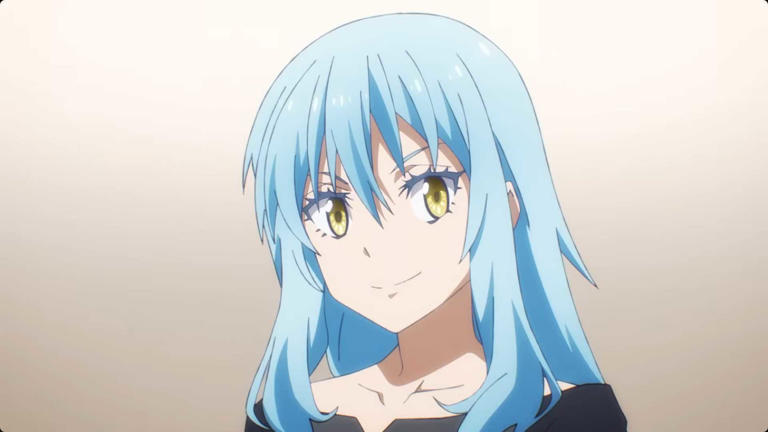
Once one of the standout isekai series, That Time I Got Reincarnated as a Slime is struggling to maintain its appeal.
Season 4 keeps a solid world-building and consistent visuals, but the story’s pacing is a major issue. Political discussions, organization building, and nation management take up most of the screen time, leaving less room for action and adventure.
Rimuru Tempest grows increasingly overpowered compared to the rest of the world, making victories predictable. With the main character rarely facing real danger, the audience’s excitement gradually fades.