
Journey to the West stands as an immortal icon in Chinese literature and cinema, captivating millions with the arduous pilgrimage of the monk Tang Sanzang and his three disciples. The story has been adapted into numerous films and games, but the most celebrated version remains CCTV’s 1986 TV series directed by Yang Jie.
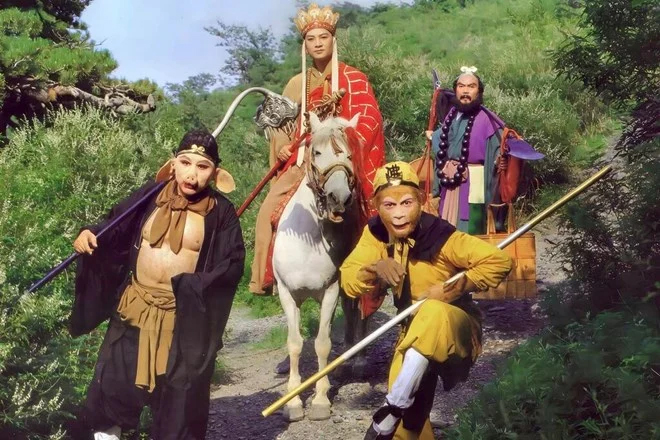
From Sun Wukong with his 72 transformations, Zhu Bajie wielding his nine-toothed rake, Sha Wujing with his staff, to the gods, Buddhas, Bodhisattvas, and fierce demons, the story paints a mystical world where strength manifests in many forms.
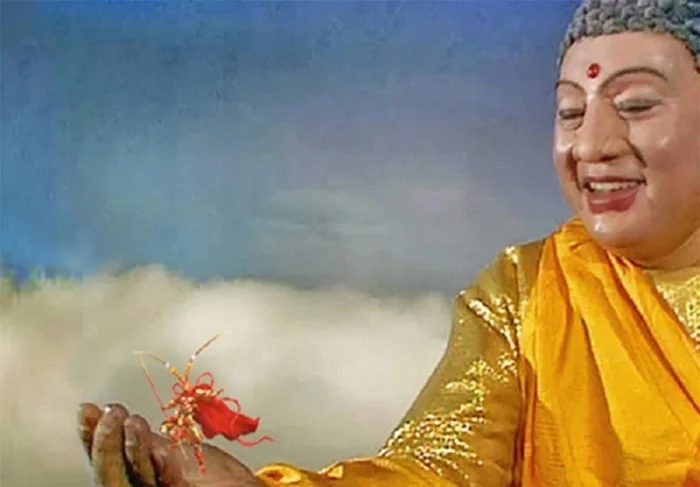
Nearly four decades after the show aired, the question of who is the strongest character in this enchanted realm remains hotly debated. Many believe the Buddha, Tathagata, holds that title, citing how effortlessly he subdued and imprisoned Sun Wukong beneath the Five Elements Mountain.
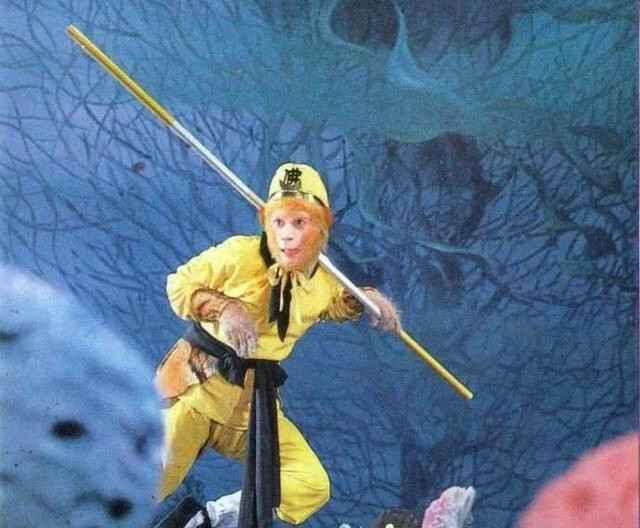
This question sparks lively debates among fans. Many immediately think of Sun Wukong, the Great Sage Equal to Heaven, whose unmatched power allowed him to wreak havoc in Heaven and even intimidate the Jade Emperor. His strength comes not only from his 72 Earthly Transformations but also from his magical Ruyi Jingu Bang, a staff weighing 13,500 jin that can change size at will. Sun Wukong defeated countless demons, from the White Bone Spirit and Red Boy to the Bull Demon King.
However, Sun Wukong has clear weaknesses. He was once captured by Erlang Shen, nearly killed in the Eight Trigrams Furnace by the Supreme Patriarch Laozi, and most notably, he could not escape the Buddha’s grasp, who imprisoned him under the Five Elements Mountain for 500 years. This shows that no matter how powerful Sun Wukong is, he remains a rebellious figure whose strength pales compared to the supreme deities.
If Sun Wukong isn’t the strongest, does the Buddha deserve the title? The Buddha subdued the Great Sage, created profound magic, and sees all within the three realms. His power goes beyond physical strength, encompassing wisdom and enlightenment. His hand is like a miniature universe from which Sun Wukong cannot escape no matter how far he flies.
Another contender is the Supreme Patriarch Laozi, one of the Three Pure Ones and the head of Taoism. He forged precious magical treasures like the Vajra Fork, the Spirit Diamond Saber, and the Eight Trigrams Furnace, which nearly incinerated Sun Wukong. His strength lies not only in magic but also in creation, alchemy, and profound cosmic knowledge. However, his role in Journey to the West is limited, giving few chances to witness his true power.
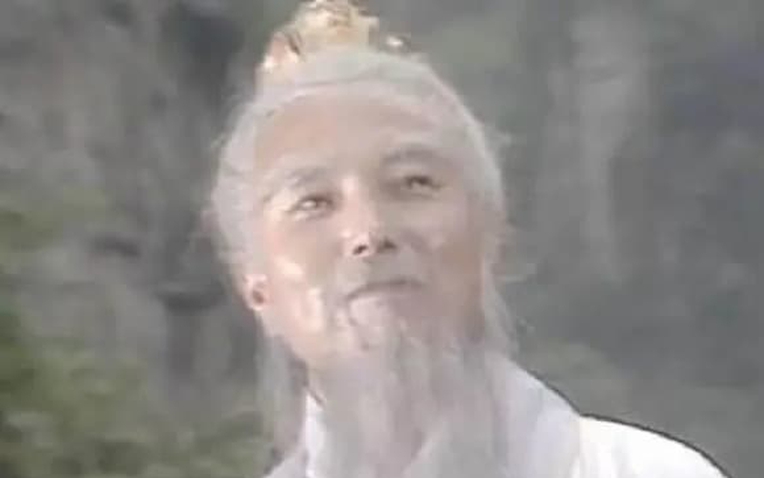
Another figure often mentioned is Bodhi Patriarch, Sun Wukong’s master. He taught Sun Wukong the 72 Earthly Transformations and the Cloud Somersault technique. He can foresee Sun Wukong’s fate and predict future events. Though he appears briefly, his power and wisdom are undeniable. His ability to train Sun Wukong into a great sage shows his immense strength and intellect.
We also cannot overlook the Three Pure Ones, the Three Buddhas of the Three Worlds, the Jade Emperor, and the True Warrior Great Emperor. These gods represent supreme authority and power in Taoism and Buddhism. Their strength is not just physical but also the power to control and maintain order across the three realms.
Ultimately, deciding the “strongest” depends on the criteria: raw power, status in the divine hierarchy, wisdom, or overall authority. Each character has unique strengths, creating a rich and multi-layered Journey to the West universe. Perhaps the story’s deeper message is not about who is strongest, but about the power of unity, perseverance, and enlightenment on the journey through challenges.