
The latest episode of Gachiakuta has sparked heated discussions among anime fans, mainly due to how it adapted the manga chapters. Fans took to social media to voice their disappointment with the adaptation, feeling it did not meet expectations. Although the episode received a fairly high rating on IMDb, many viewers felt the animation quality was lacking.
This criticism has divided the fan community, turning it into one of the most toxic fandoms in anime history. This is not the first time Gachiakuta fans have targeted Studio Bones, accusing them of ruining their anime experience, but this could lead to bigger issues down the line.
Why are Gachiakuta fans upset with the anime adaptation?
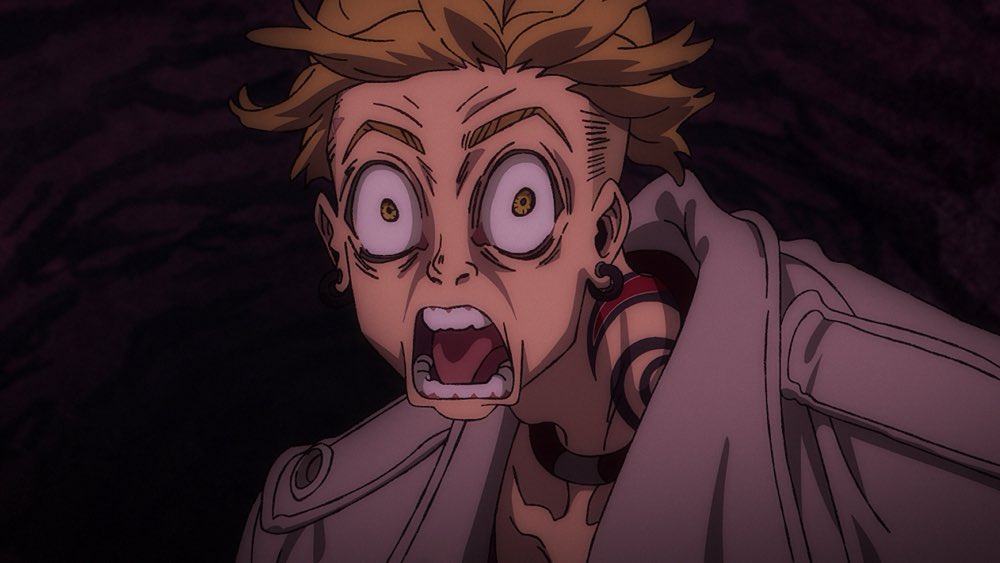
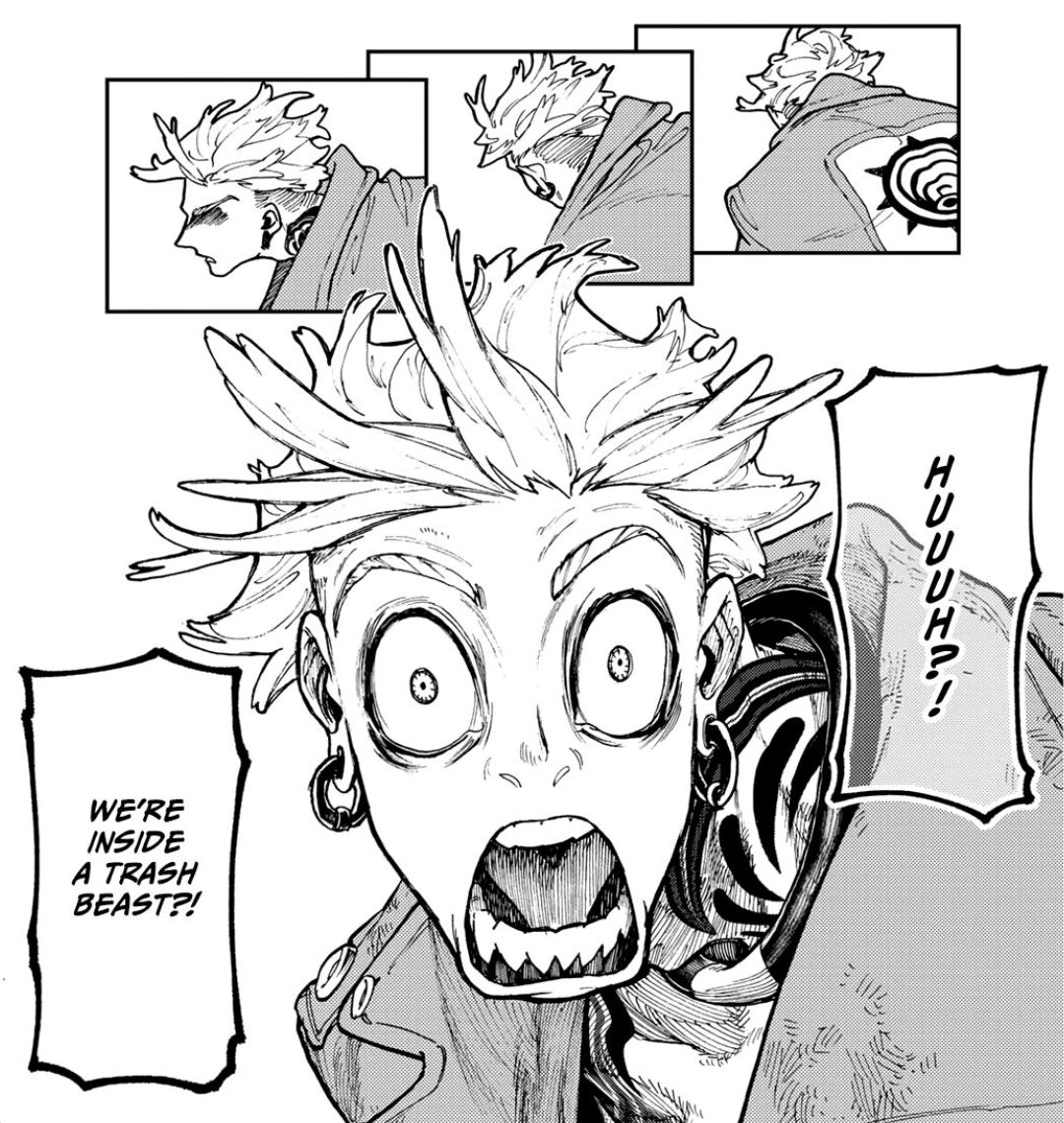
When the Gachiakuta anime first premiered, fans loved the animation quality and style each episode delivered. However, as the series progressed, some fans began to complain about inconsistencies in the animation, especially in character portrayals.
Key characters like Enjin and Zanka became hot topics because the anime clearly failed to capture their expressions perfectly.
Episode 19, the newest installment of Gachiakuta, faced similar issues. Fans pointed out that Enjin’s reactions were not adapted frame by frame as in the manga, leading to criticism that the scene lost much of its original impact. This sparked a major discussion on X, with fans expressing concerns about the characters and the series’ future.
While some argued that the character Enjin was being ruined, others explained that the animation looked like a smooth filter but lacked emotional depth. This toxicity has created an increasingly divided community, with fans debating whether the adaptation is genuinely poor or if expectations for the Gachiakuta anime have simply become too high.
Despite backlash, Bones remains the best choice for Gachiakuta
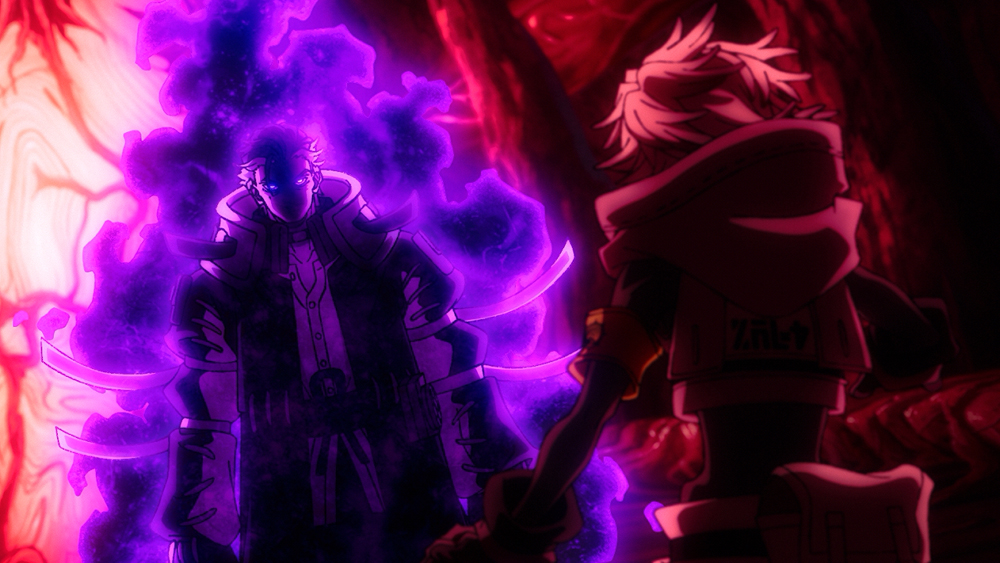
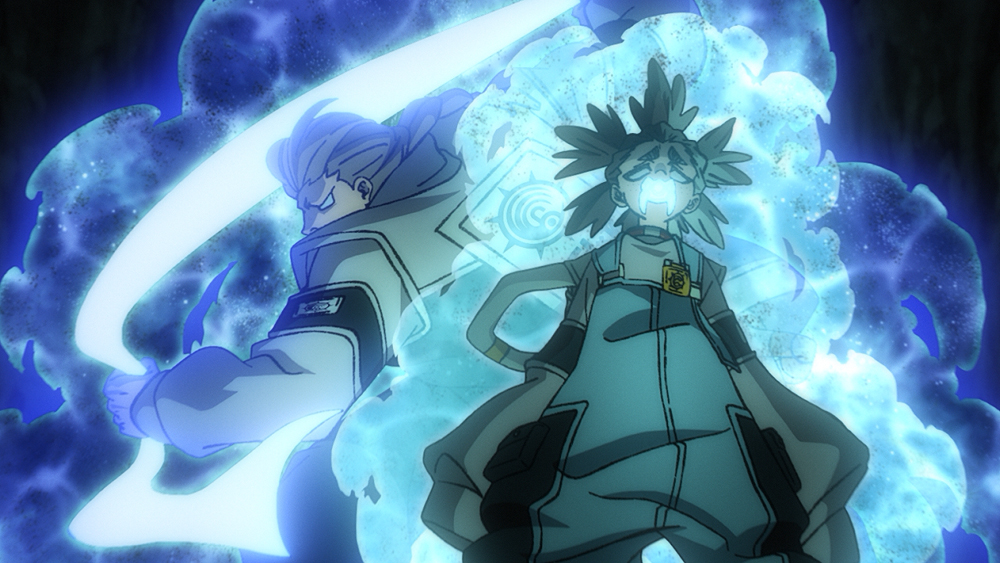
Although Studio Bones is facing strong backlash from the Gachiakuta fandom, it remains the ideal studio for this anime series, and there are many reasons why. Bones has a long history of adapting manga with bold visuals, and that experience makes it a great fit for Kei Urana’s Gachiakuta. The studio is known for dynamic and expressive animation, which suits the manga’s creative and explosive panels.
Urana’s work blends gritty detail, emotional expressions, and graffiti-style artistic elements. This demands an animation studio capable of handling intense action and subtle character moments without losing the raw energy of the original drawings. Bones has achieved this multiple times with series like My Hero Academia, Fullmetal Alchemist, and Soul Eater.
While it’s understandable that Gachiakuta fans want a frame-by-frame faithful adaptation, they need to realize that small changes in pacing or animation style are often made to ensure smoother and more coherent episodes. These choices don’t mean the studio is disrespecting the source material. Fans should trust the animation studio and hope it stays true to Gachiakuta’s spirit.