
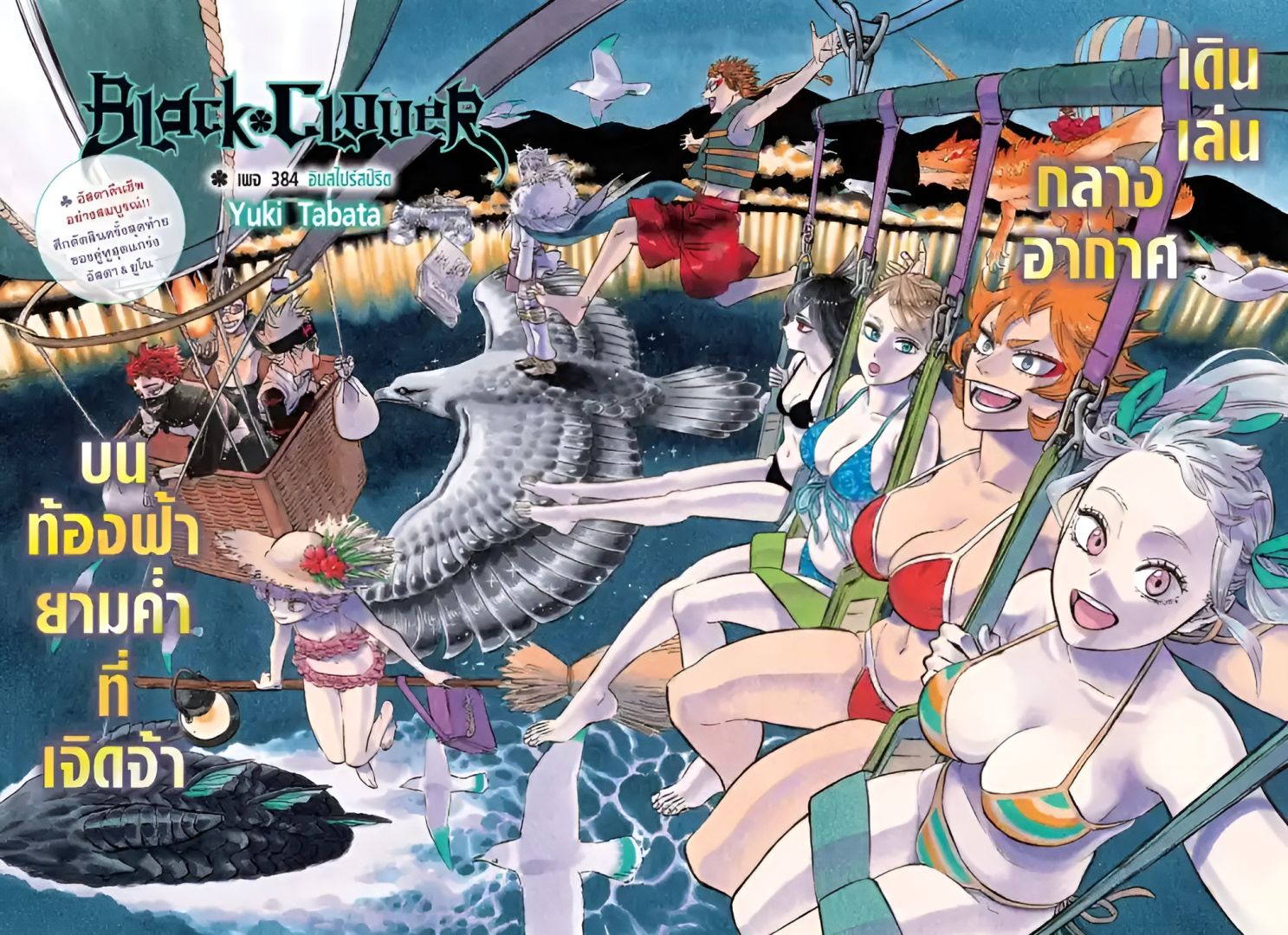
A new controversy has erupted around the Black Clover manga after an Arabic fan translation group used artificial intelligence (AI) to censor the female leads on the chapter 384 cover. In the original illustration, the girls appear in swimsuits, but the edited version shows them fully covered in digitally added modest summer clothing.
The censorship did not come from the official publisher
Contrary to what many assumed, this version was not released by Shueisha or any official media outlet. Instead, it was altered by a fan translation group before being published online.
Those responsible claim they used AI to “remove fanservice” from the manga. This move quickly sparked heated debates on social media, especially on X (formerly Twitter).
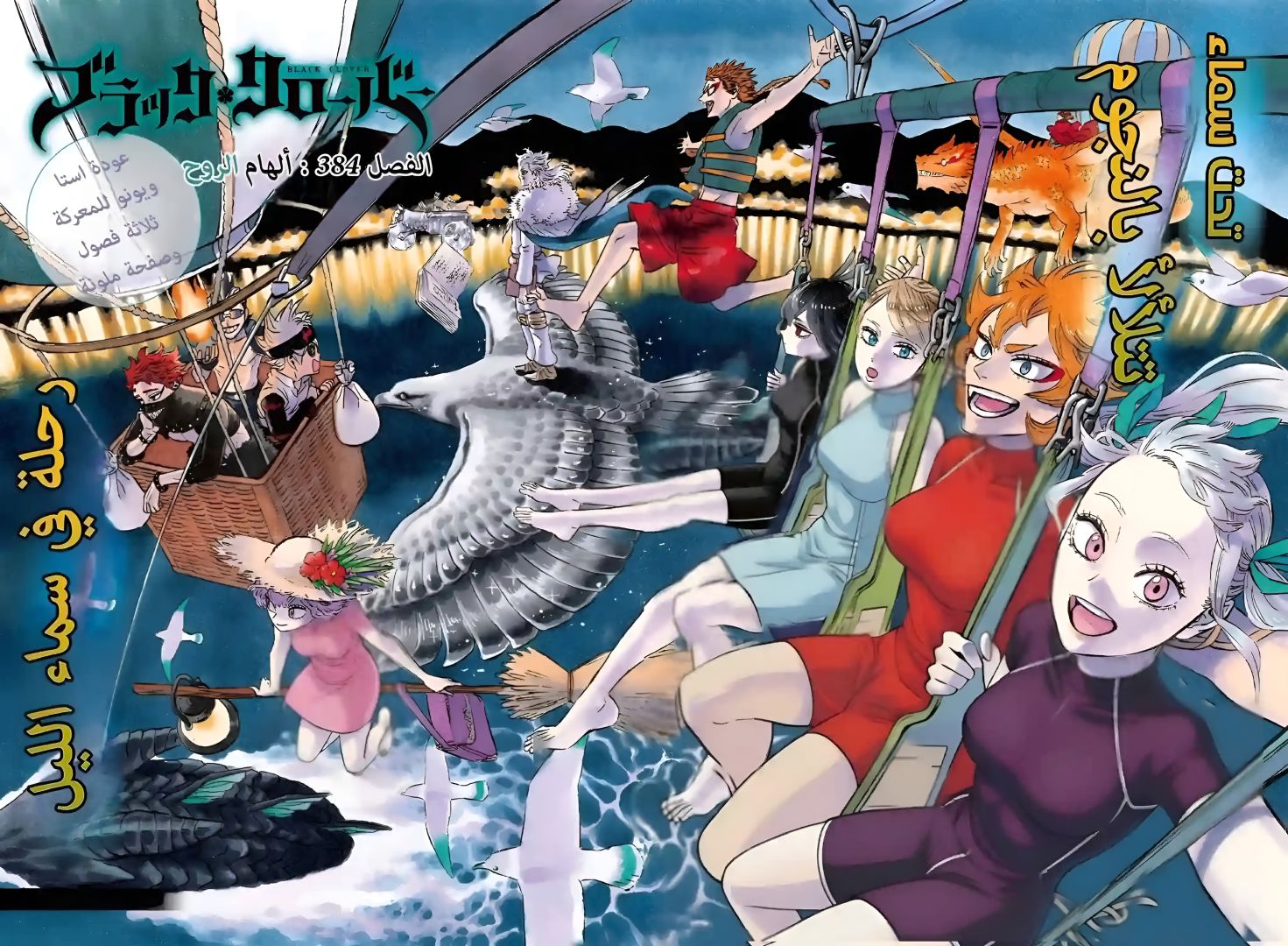
On various platforms, many users shared side-by-side comparisons of Yuki Tabata’s original cover and the censored version. The incident quickly divided fans into two camps.
Some defended the edits as “cultural adaptation,” arguing that adjusting content to fit local standards is necessary. One fan commented, “This looks good. Every culture needs some adjustments without losing the story’s essence.” Another said, “I think the cover looks fine since they carefully added shading and folds on the clothes, and the body curves remain intact.”
Meanwhile, one user stirred controversy by posting a message praising the group for “removing fanservice” and criticizing the author: “Congratulations to the team for erasing fanservice from the artwork. Tabata’s behavior is shameful. Let’s keep fighting for a world without fanservice.”
On the other hand, many argued this was a serious distortion of Yuki Tabata’s work and showed disrespect for the original artistic intent.
This discussion has reignited the ongoing debate over cultural censorship and the role of AI tools in altering original works.
Although this is not an official publisher action, it highlights how technology can be used to change the artistic vision behind a published work. AI makes censorship easy and fast, raising concerns about respecting the integrity of original creations in the digital age.
One netizen expressed regret for the original art: “Both versions are pretty, but the censored one definitely nerfed the bust size.”