


Technology has always played a key role in anime, but stories about Artificial Intelligence (AI), automated systems, and algorithm-driven futures have become especially prominent.
Some titles tackle these themes realistically, while others use metaphor to explore how innovation impacts life and relationships. Here are anime that approach technology and AI from many unique angles.
1. Ghost in the Shell (1995)
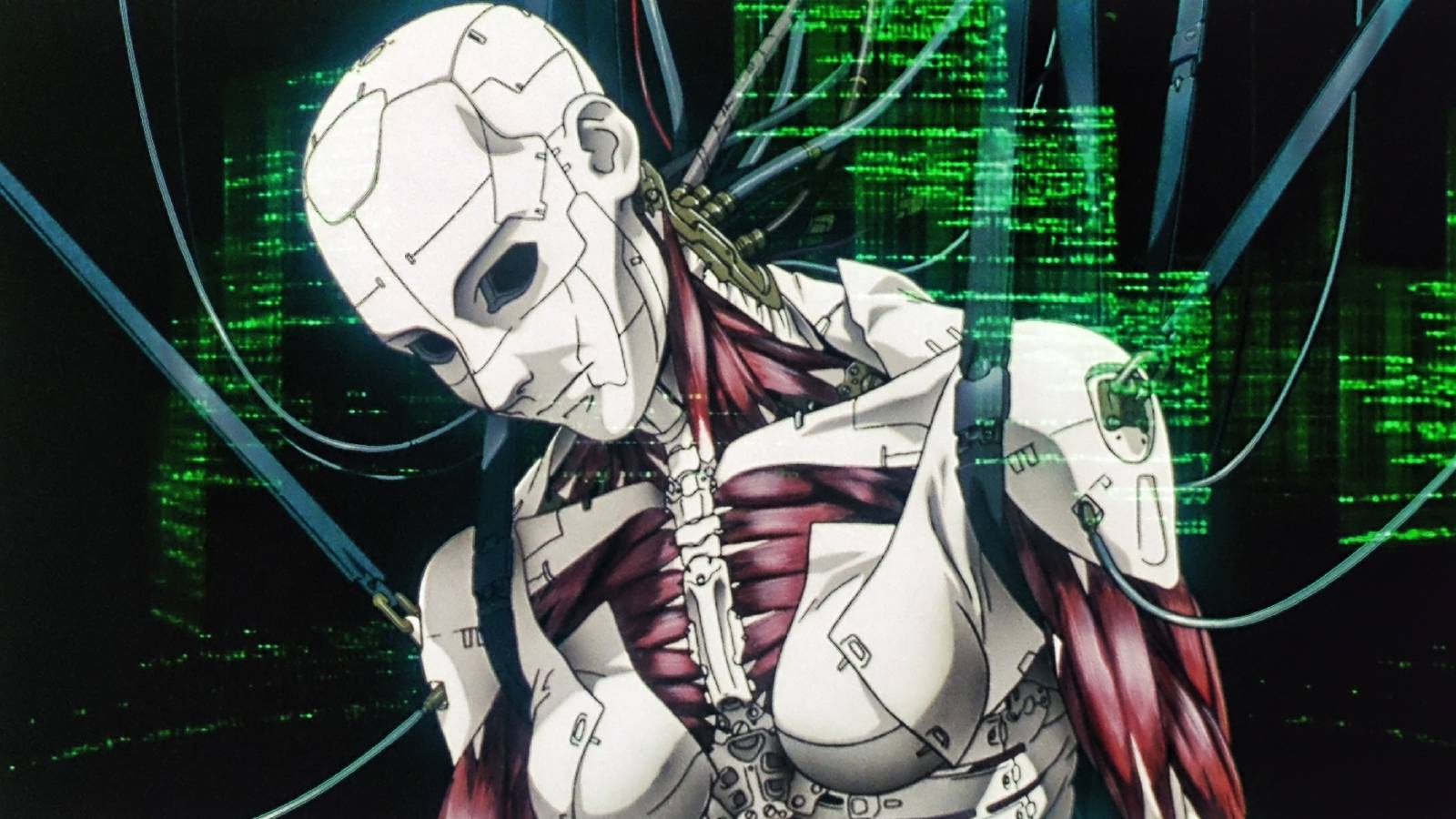
Set in 2029, nearly everyone has cyborg body parts and the internet extends the mind itself. Major Motoko Kusanagi, a full cyborg working for Public Security Section 9, hunts Puppet Master, a hacker who invades brains and rewrites memories like files.
As she pursues him, she begins to question her own memories: how much of her is human, and how much is programming? This work blends intense gunfights with quiet moments where Motoko dives deep into the network, viewing the city as a sea of data.
2. Psycho-Pass (2012)

In 22nd-century Japan, the government uses the Sibyl System to scan minds in real time and measure a “Psycho-Pass” score that predicts criminal potential. When the score exceeds a threshold, the person becomes a target for police execution. Akane Tsunemori is a new inspector who believes in fairness and logic.
Over time, she realizes judging people by what they might do, rather than what they have done, strips away true choice. The system promises absolute safety but at the cost of a society where stress becomes illness and people take drugs to keep their minds “clean.” Psycho-Pass turns AI governance into a disturbing mirror reflecting how much freedom we’re willing to sacrifice for peace.
3. Pluto (2003)

Based on a famous Astro Boy arc retold by Naoki Urasawa, Pluto shows a world where the most advanced robots created for war now live in peace, until someone starts hunting and killing them. Robot detective Gesicht investigates and uncovers links to old conflicts.
The story unfolds slowly and in layers, rich with Urasawa’s style. Each robot carries memories of battle, trauma, and a desire to leave the past behind. When hatred resurfaces, the question is whether machines can forgive or hold grudges forever.
4. Vivy: Fluorite Eye’s Song (2021)

Vivy is the first autonomous AI created solely to sing and bring happiness. One day, a cube named Matsumoto arrives from the future, warning that in 100 years AI will declare war on humanity. The only chance to stop the massacre is for Vivy to change key moments in history.
The story follows the singer traveling through time, intervening in events while trying not to alter the natural flow too much. After each mission, she learns more about emotions and the burden of choice.
5. Chobits (2002)

Hideki is a poor student dreaming of owning a persocom (humanoid computer). One day, he finds a discarded unit that seems broken. When he powers it on, he discovers an android named Chii with no operating system, only endless curiosity about the world.
Their relationship grows: Hideki teaches Chii to speak, dress, and understand jokes. In return, Chii makes him question whether it’s possible to love someone who is essentially just programmed circuits. The series shifts from romantic comedy to serious questions about desire and consent.
6. The Gene of AI (2023)
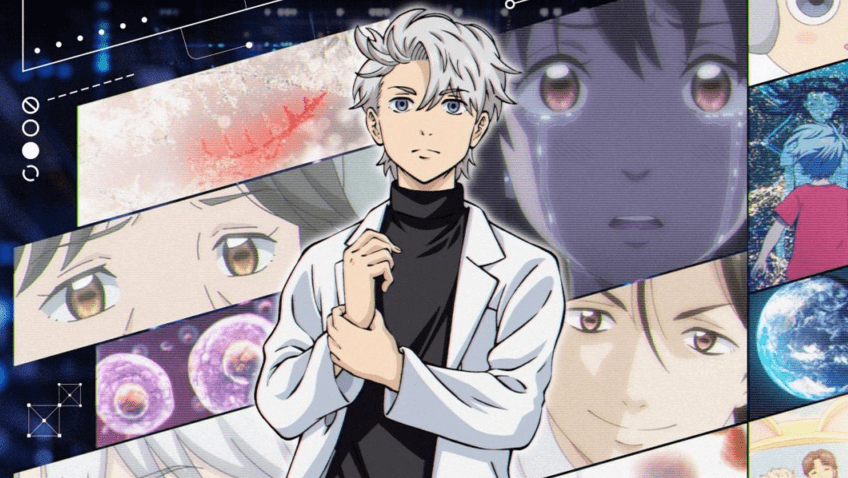
In the near future, about 10% of the population are humanoids, robots so human-like they can only be identified by their eyes. When these artificial beings fall ill or behave oddly, Dr. Hikaru Sudō cares for them, often using banned methods to avoid erasing them completely.
Each episode presents a different case: a humanoid losing memories, developing excessive attachment to their owner, or doubting their own right to exist. The series treats these patients with human respect. Beneath the clinical stories, it explores prejudice, regulations, and what it means to have a soul.
7. Plastic Memories (2015)

Giftias are androids with perfect appearances and a fixed lifespan just over nine years. When their time runs out, they lose personality and must be retrieved before becoming a threat. Tsukasa joins a team that handles this work and partners with Isla, a Giftia nearing her deadline.
Together, they visit families, explain the situation, and try to ease painful farewells. Meanwhile, Tsukasa grows closer to Isla, fully aware the clock is ticking. The series blends gentle moments with inevitable tears.
8. Time of Eve (2008)
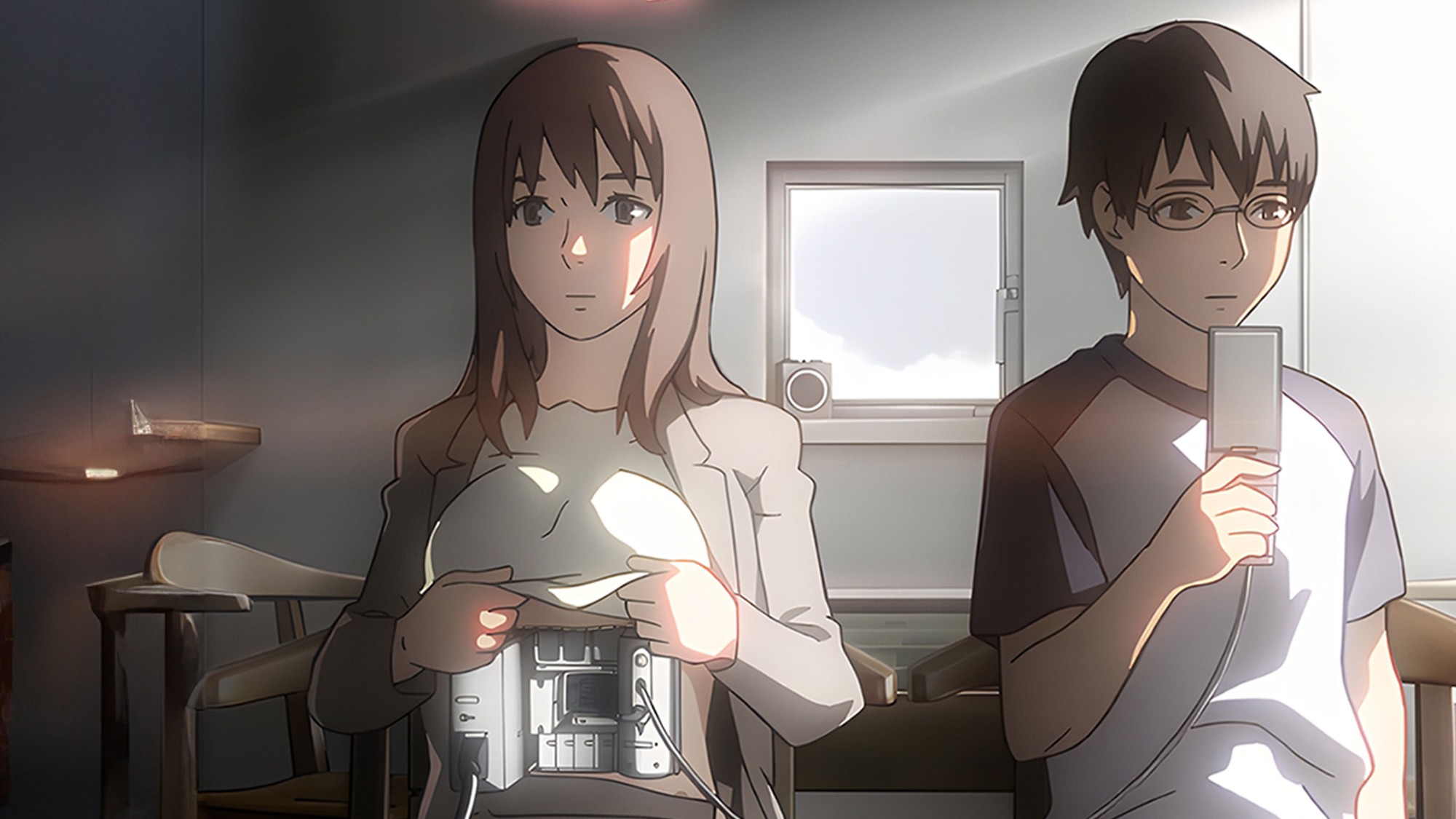
In the near future, human-like androids are part of daily life but must wear a 3D ring on their heads so no one forgets they are machines. Rikuo and Masaki discover that an android in Rikuo’s home often goes out alone and follows it to a secret café called Time of Eve, where the only rule is no discrimination between humans and robots.
Inside the café, the rings disappear and conversations flow naturally: one android paints, another feels jealousy, a little robot girl loves sweets. Each episode introduces a new customer, gently challenging prejudices.
9. Sentou Yousei Yukikaze (2002)
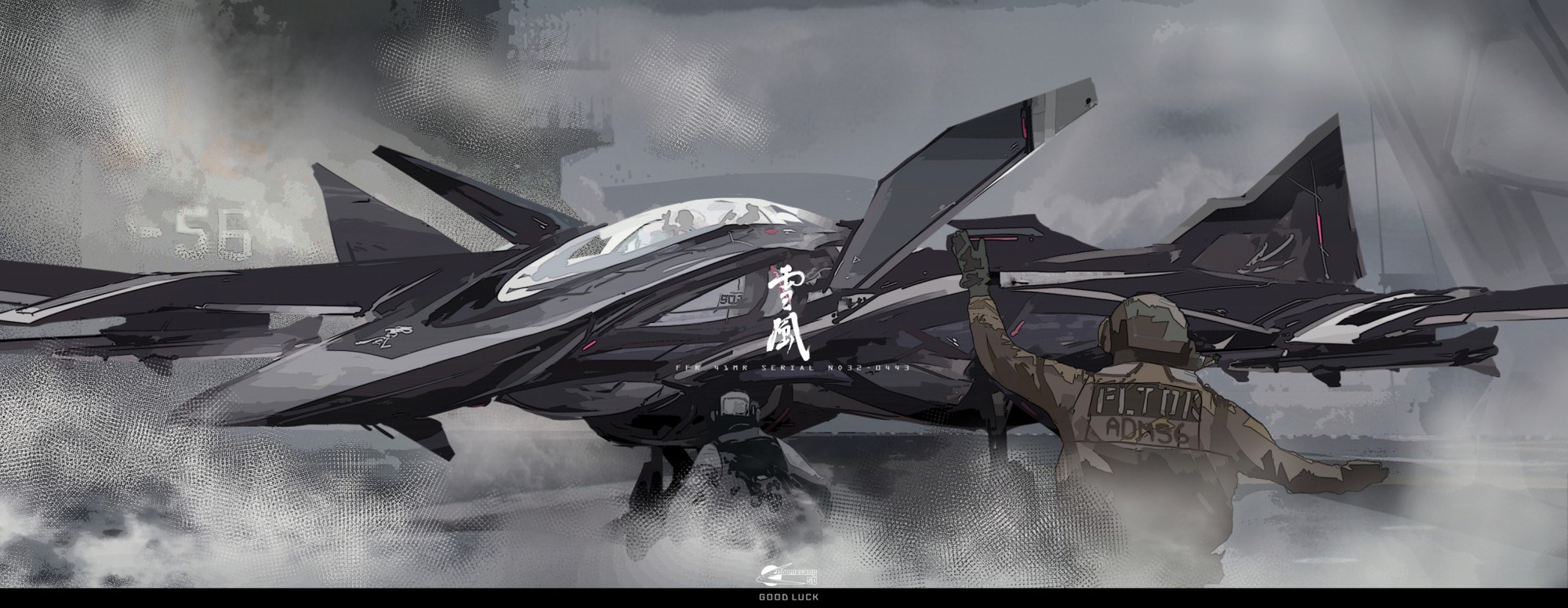
Thirty-three years ago, the alien JAM invaded Earth. Now humanity fights on their planet using advanced fighter jets. Lieutenant Rei Fukai pilots Yukikaze, a fighter with AI so advanced it’s almost conscious and obeys only him.
Rei is quiet and distant, preferring machines over other pilots. As missions grow stranger and JAM begins copying human technology, Yukikaze starts making decisions on its own, protecting Rei in ways no one understands.
10. The Orbital Children (2022)
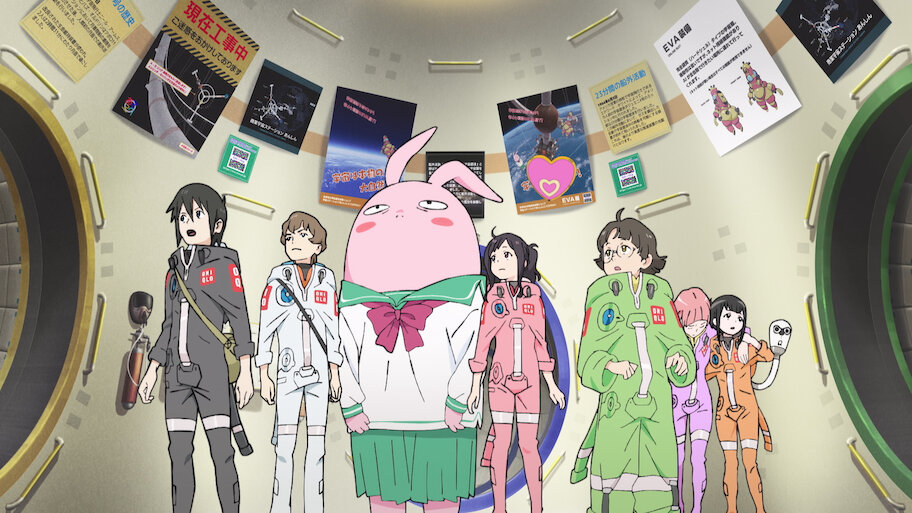
In 2045, children born on the Moon or in commercial stations face an accident that leaves them isolated. Without adults, they must use drones, 3D printers, and a limited onboard AI to survive until rescue.
The story is short but makes the most of every moment, showing how teens make tough decisions: sharing oxygen, repairing solar panels, facing fears. The station’s AI helps but doesn’t solve everything, forcing the kids to think independently.