


Anime isn’t just about battles or romance, some series dive deep into the strange and illogical, challenging viewers’ minds. These shows offer not only unfamiliar stories but also intentionally break conventions, creating visuals that feel dreamlike, rough, or completely nonsensical.
What makes these anime unique is how they challenge viewers by refusing straightforward explanations, yet captivate with bizarre imagery and storytelling that breaks the rules. Each series poses questions that invite viewers to reflect on their own rather than waiting for answers.
Let’s explore 8 mind-bending anime below!
1. Bobobo-bo Bo-bobo (2003)
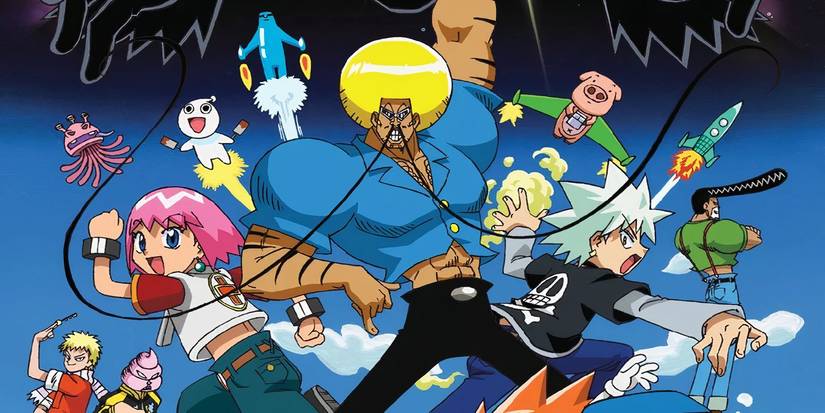
Created by Yoshio Sawai, Bobobo-bo Bo-bobo is a prime example of absurd comedy. The series mocks typical shonen tropes by outright rejecting them. Its plot dissolves into wordplay and visual contrasts, with characters battling using powers based on… nose hairs and surreal transformations.
The show builds humor on an established nonsense foundation, then overturns all expectations with a new level of silliness.
2. Cat Soup (2001)
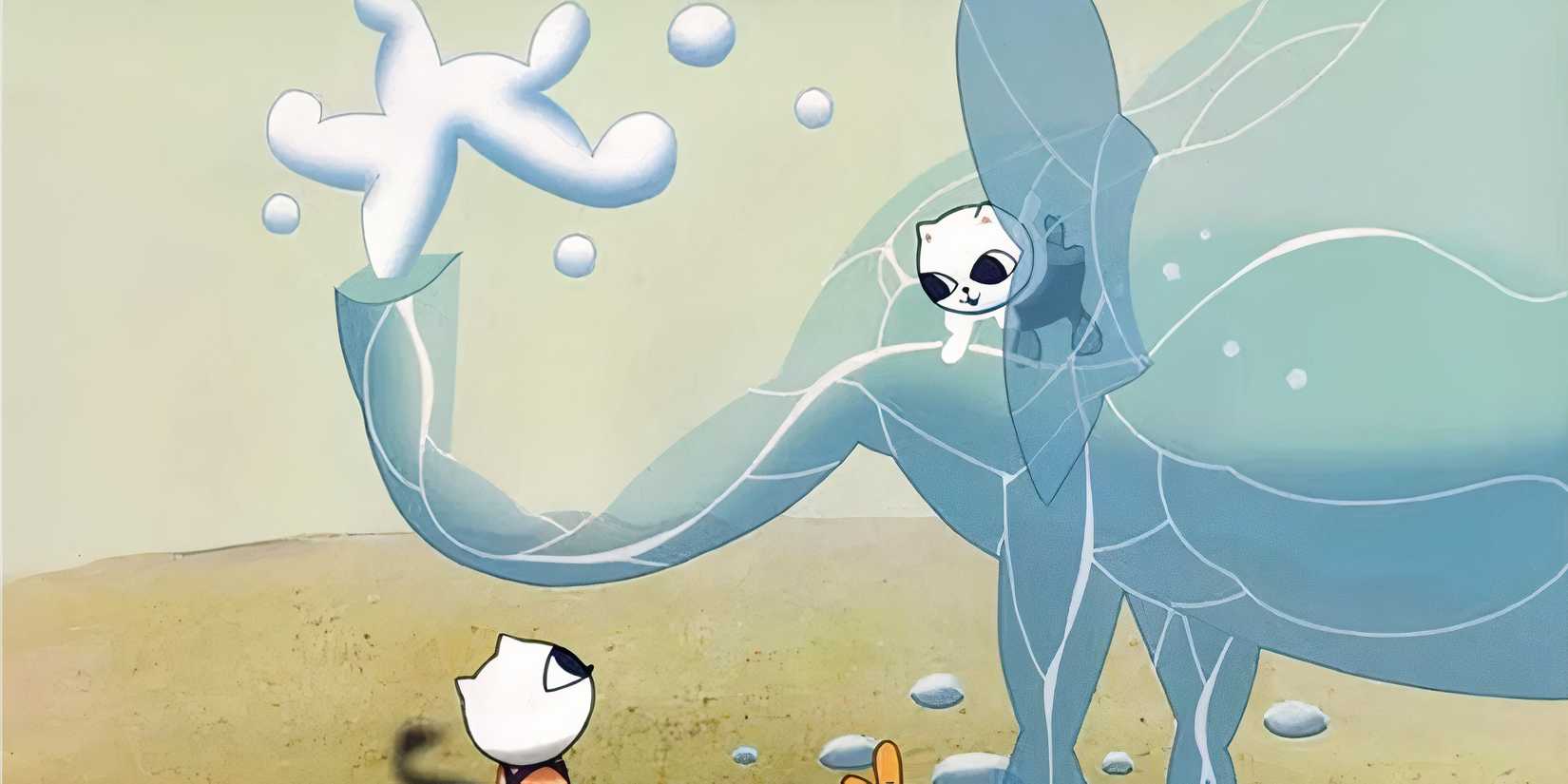
Tatsuo Satō’s Cat Soup compresses surreal horror and dreamlike logic into a short, silent allegory. This short film presents a series of images shifting abruptly between playful and eerie without transitions.
It follows a kitten entering a dream world where life, death, and meaning are treated as tangible objects. The lack of dialogue forces you to focus on rhythm, sound, and visual metaphors, portraying death as a surreal landscape rather than a moral end.
3. Mind Game (2004)
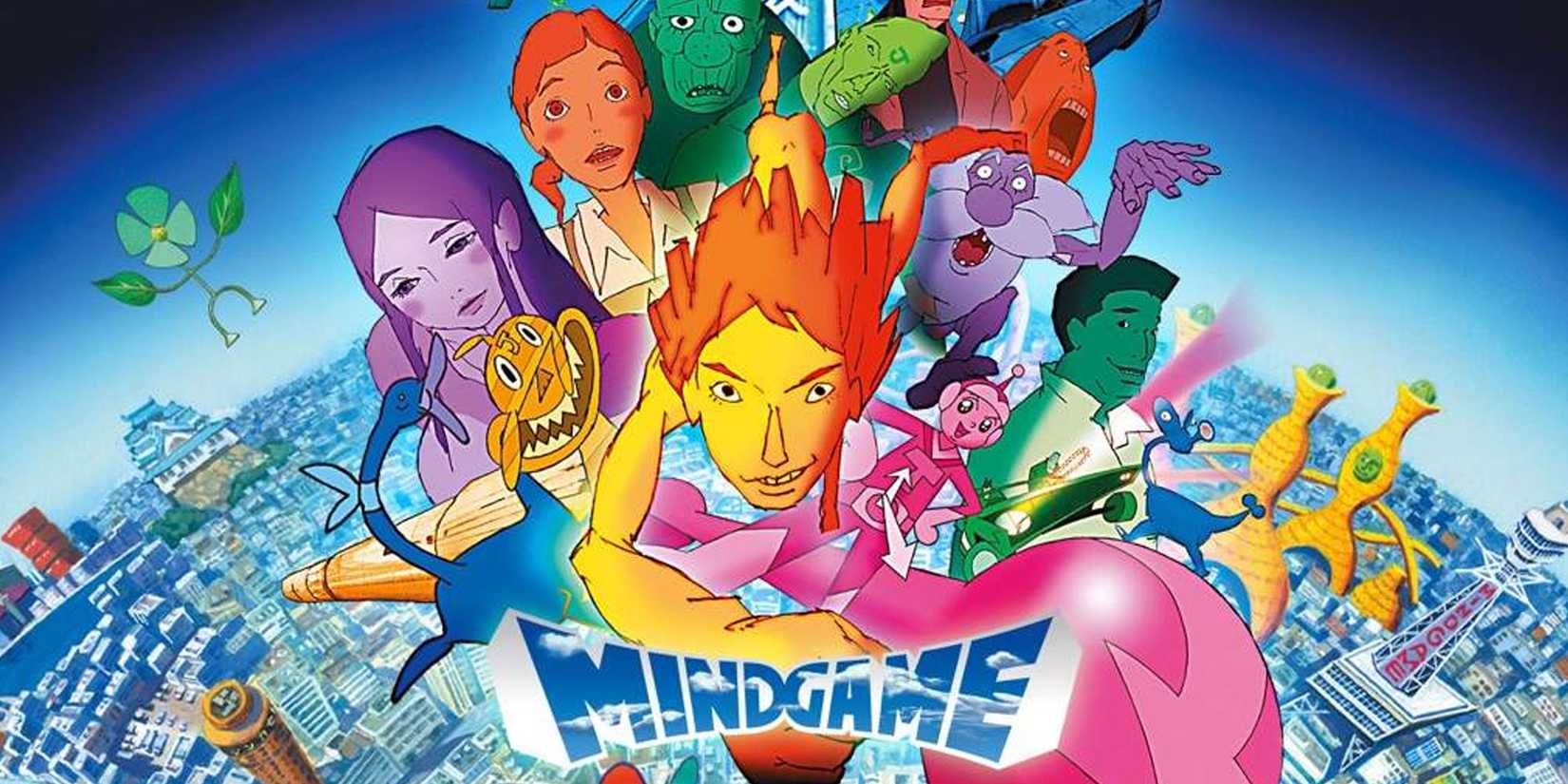
Based on Robin Nishi’s manga, Mind Game is like an essay on radical freedom expressed through dizzying animation. Masaaki Yuasa’s film abandons conventional continuity for a collage logic, leaping wildly in scale, style, and emotion.
Following 20-year-old Nishi’s life, the film offers a simple yet profound message: life’s value lies in choice and constant movement, not static safety. Technically, it’s a masterpiece, with each frame boldly experimenting with lines, colors, and timing.
4. Dorohedoro (2020)
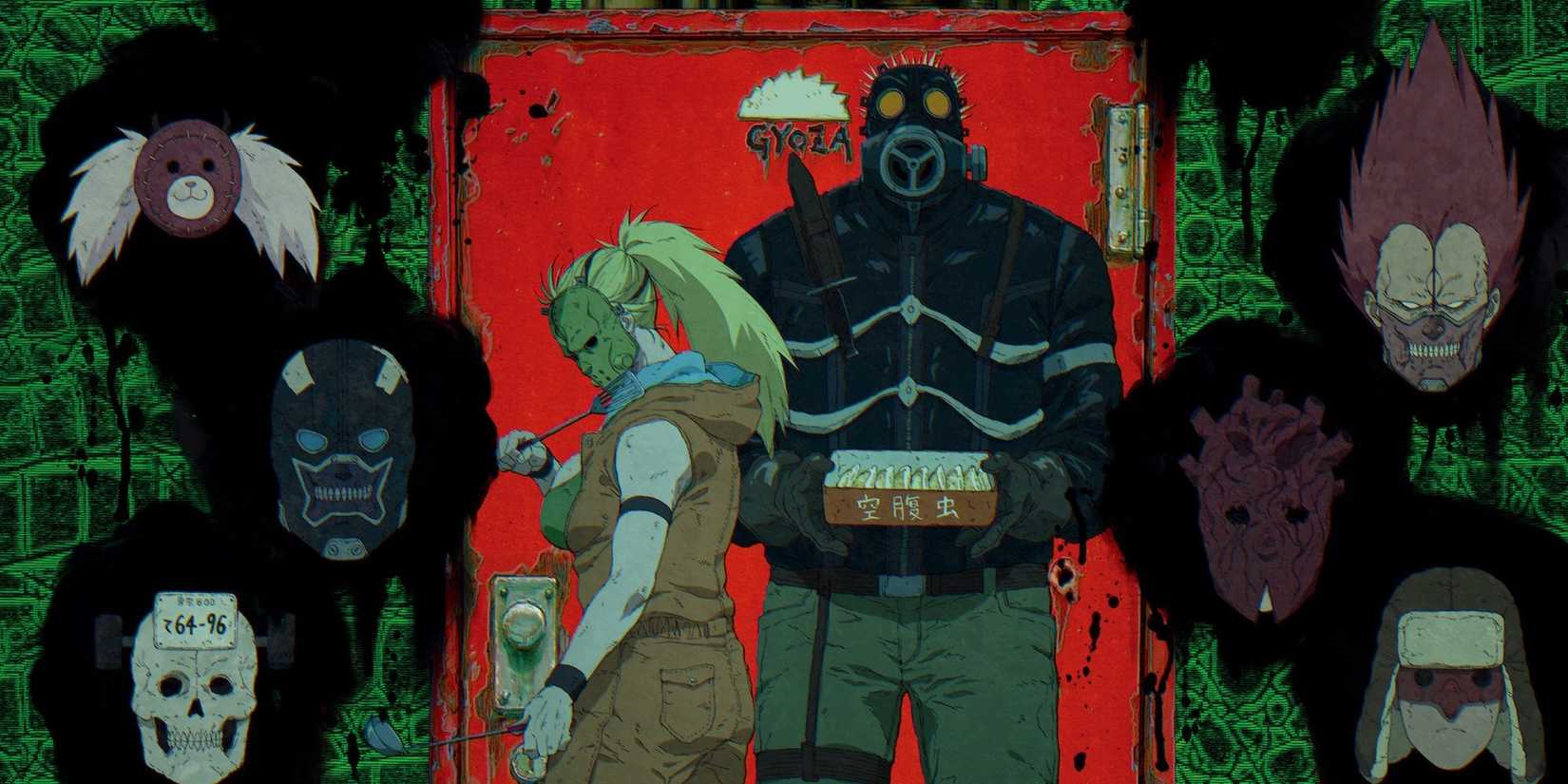
Q Hayashida’s Dorohedoro blends dark humor with a brutal world, telling an unexpected story of loss and recovery. Set in a cursed city filled with magic, it follows a man with a lizard head (Kaiman) and a pair of sorcerers confronting their own moral boundaries.
Surprisingly, the story balances violence with gentle absurdity. Even the villains reveal complex kindness beneath their simple exteriors. Dorohedoro’s success lies in daring to mix tones, allowing roughness and compassion to coexist.
5. Angel’s Egg (1985)
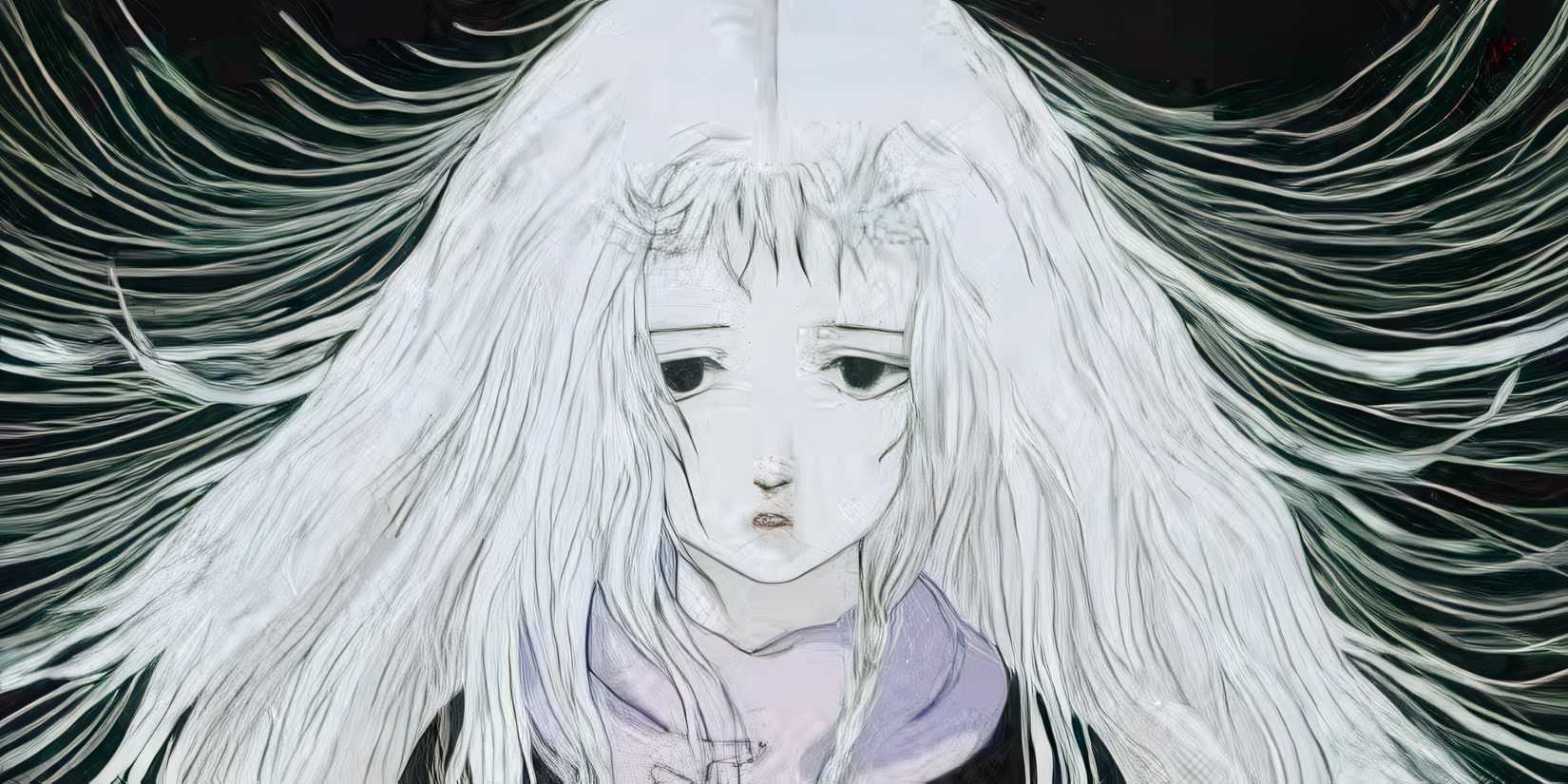
Studio Deen’s Angel’s Egg defies plot summary, focusing on imagery and spirit. Long, slow sequences feel like prayers interrupted by decay. With minimal dialogue and heavy biblical symbolism, the film places a child and a wandering man in a mysterious, primal landscape.
Director Mamoru Oshii invites interpretation without offering answers. Viewers must decide if the film suggests redemption, loss of faith, or both.
6. Tekkonkinkreet (2006)
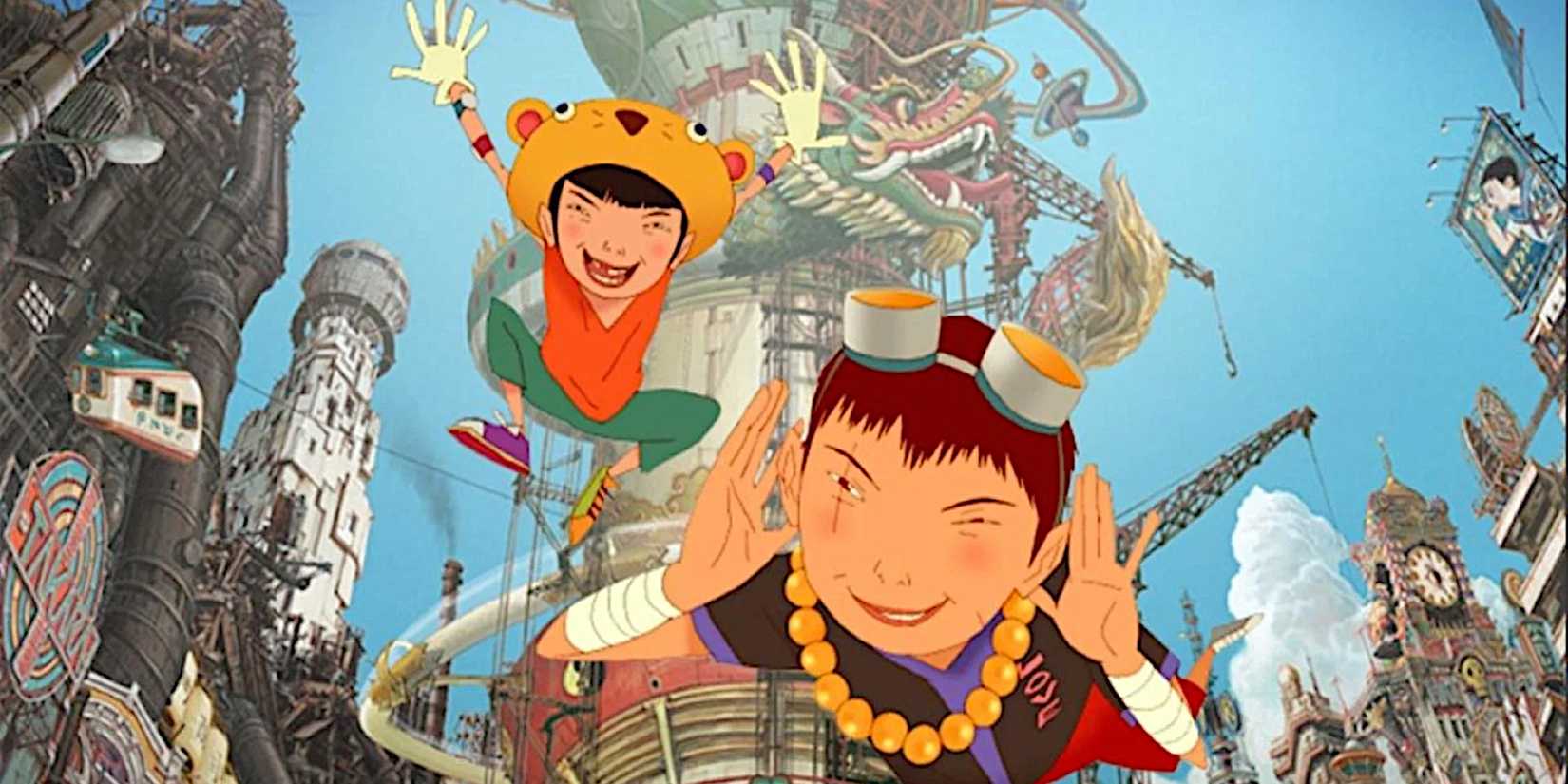
Tekkonkinkreet adapts a complex manga into a film that feels like a living city. It follows two orphaned kids, Black and White, deeply connected to the violent, mythical urban ecosystem of Takaramachi. Director Michael Arias captures the cityscape with powerful hand-drawn energy, blending tender lyricism and brutal imagery.
The film explores attachment and belonging, where violence threatens both externally and within. Its strength lies in immersion, letting viewers witness the city breathe and break.
7. Neon Genesis Evangelion (1995)
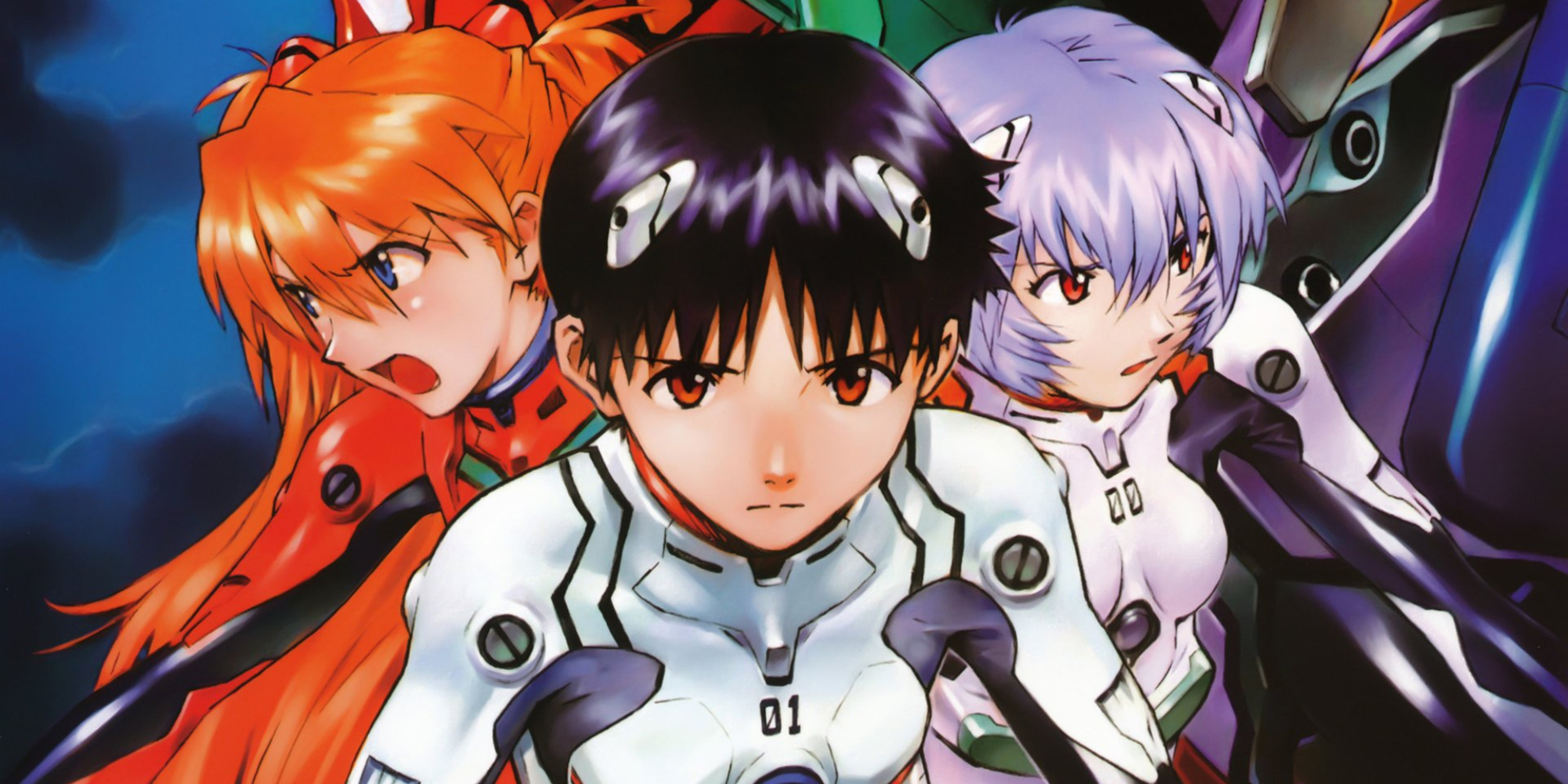
Neon Genesis Evangelion combines mecha action with personal psychological collapse, digging deep into human consciousness. Early episodes present typical alien threats, but the series gradually turns inward, transforming battles into metaphors for adolescence, anxiety, and existential fear.
Hideaki Anno’s direction mixes still frames with sudden violent motion, creating intense visual contrasts. Fundamentally, Evangelion changed what TV animation could dare to explore.
8. Gankutsuou: The Count of Monte Cristo (2004)
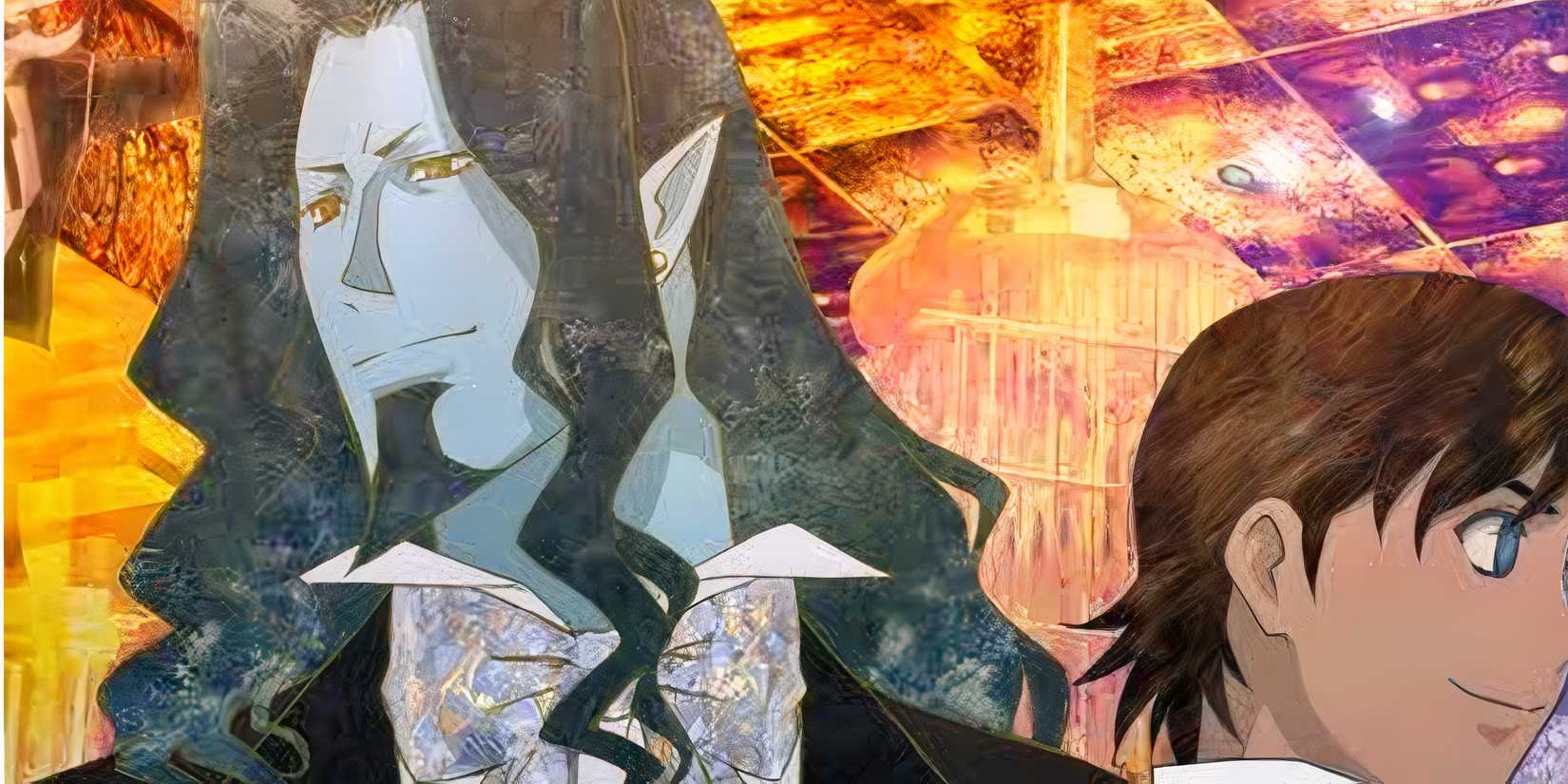
Directed by Mahiro Maeda, Gankutsuou reimagines Alexandre Dumas’s classic revenge tale into one of the most visually daring anime. Set in the year 5053 in futuristic Paris, it tells a story of betrayal, obsession, and punishment through a kaleidoscope of colors and textures.
The art style stands out with patterned details moving independently from character outlines, making every scene feel more like a living painting than traditional animation. It’s a reflection on class, memory, and revenge from an impressively unique visual perspective.