


For years, Demon Slayer has captivated audiences with stunning animation and smooth fight scenes, showcasing Ufotable’s signature flawless CGI. However, the decision to adapt Infinity Castle into a trilogy remains questionable for valid reasons.
Infinity Castle’s story isn’t enough to fill three films
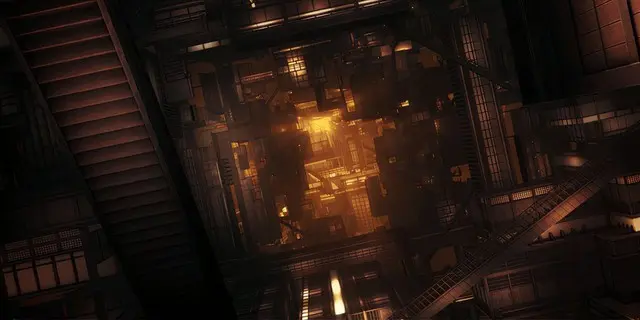
For those who haven’t seen the first film, Infinity Castle was expected to be one of Demon Slayer’s most intense and dramatic arcs. With reality-bending battles, clashes between Demon Slayers and Upper Moon demons, and a prequel glimpse into Muzan’s fight, it seemed ideal for a trilogy.
But beyond the fierce battles and grand settings, the source material doesn’t have enough content to justify three films. The manga delivers a relatively concise story focused mainly on extended fights with minimal dialogue and flashbacks. Stretching this into three feature-length films risks creating inconsistencies.
Extending fight scenes or adding filler isn’t new in anime to meet runtime expectations. Usually, there are character developments and emotional beats to fill the gaps effectively. Honestly, Infinity Castle lacks many of those elements.
It seems Ufotable is banking on style, a key factor that keeps the film memorable, and will likely prioritize it over substance. While the animation quality is undoubtedly impressive, this can only mask the clear shortcomings for so long, especially with just a five-year release window.
Infinity Castle’s story was never meant to be a sprawling epic. It’s a rapid series of climactic moments best delivered with urgency. Breaking it into three films might weaken its impact rather than enhance it, a trap Attack on Titan fell into when splitting its final season.
Attack on Titan’s pacing ultimately undermined its grandeur, and Demon Slayer risks the same fate

Attack on Titan rightfully earned its place in anime history. Its top-tier action, epic plot twists, and the Survey Corps’ resilience made it a masterpiece. It started strong and maintained momentum, until the final season diluted it.
The last season was split into three parts, with the third part further divided. Each installment left fans increasingly fatigued. By the final episode, excitement had faded, motivation waned, and what should have been a powerful conclusion turned into a disappointing ending.
Sadly, Demon Slayer seems to be heading down a similar path. Though the story and structure differ, the strategy of dividing a crucial arc into multiple parts is eerily similar. This could lead to the same outcome: losing the momentum the series worked hard to build.
A great story is judged by how engaging it is, and pacing is key to that. When pacing falters, the content suffers and loses appeal. Attack on Titan made this mistake chasing profit, and Demon Slayer appears not to have learned from it.
Is Demon Slayer’s trilogy a smart business move or an artistic misstep?
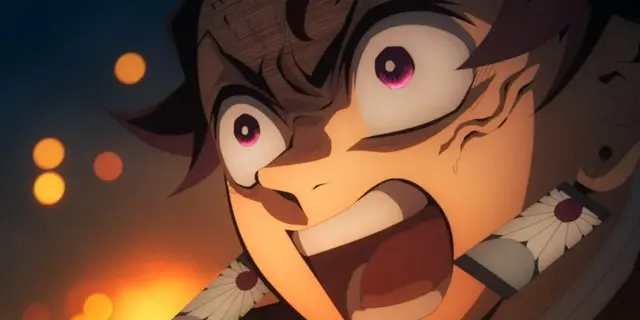
There’s no denying Demon Slayer is a global money-making machine. Mugen Train shattered box office records, and the trend continues with each release. Naturally, the idea of profiting from not one but three heavily promoted films is appealing.
However, when profit motives outweigh storytelling strength, results often fall short. The first film, Demon Slayer: Kimetsu no Yaiba, Infinity Castle: Akaza Returns, already showed the financial side of this trilogy strategy. It grossed over 10 billion yen in just over a week, breaking the record for Japan’s highest-grossing film, a record set by the franchise itself. Yet, artistic missteps seem to be unfolding slowly, with some reviews pointing out pacing issues.
At least Yuichi Terao, Infinity Castle’s cinematography and finishing director, shared the brand’s intentions in an interview with Crunchyroll News. They don’t seem focused on business goals.
“I know people chase blockbuster hits, but we try to look beyond that to see happy faces in different audiences, to watch them immerse in the story, that combination… so we can keep making anime. For us, there’s nothing better than that.”, Yuichi Terao.
Whether this can be trusted or is just surface value is unknown. But one thing is clear: prioritizing profit over entertainment rarely ends well for studios, and no matter how spectacular Ufotable’s adaptation is, it can’t escape this consequence.
Source: Screenrant