


In the vast world of comics, we’re used to idealized main characters: superheroes saving the world, born geniuses, or at least ordinary people with iron wills who push themselves to extraordinary heights. Yet the late artist Fujiko F. Fujio took a completely different path by creating Nobita, a boy who embodies every “flaw” a child might have: lazy, clumsy, always failing tests, and quick to cry at the slightest trouble.
Strangely, for over half a century, Nobita’s constant failures have never been despised. Instead, they have become a powerful psychological balm that deeply resonates with readers of all ages.
A true reflection of real-life pressures
The modern world moves at a dizzying pace, where from a young age people are caught in a whirlwind of expectations: to excel academically, to be active, to succeed. Nobita’s presence feels like a “safe zone” away from these suffocating pressures.
Looking at Nobita, readers see their own hidden weaknesses, laziness, and fears. He’s afraid of tests, scared of being scolded, loves to nap during the day, and always tries to avoid difficult tasks. Nobita’s everyday failures remind us that being imperfect, wanting to be lazy sometimes, or stumbling along the way is a natural part of being human, nothing to be ashamed of.
A gentle slap to toxic perfectionism
Many criticize Nobita for relying on gadgets, but in most stories, these tools backfire and Nobita faces the consequences. This detail carries a comforting message: even with the most advanced technology from the future, a person can still fail.
The creator doesn’t glorify success or force Nobita to transform into a prodigy after every setback. His laziness is punished by his mother’s scoldings or friends’ teasing, yet life goes on the next day. The story’s forgiveness of Nobita’s mistakes teaches readers to accept their own failures, be kinder to themselves, and understand that falling down isn’t the end.
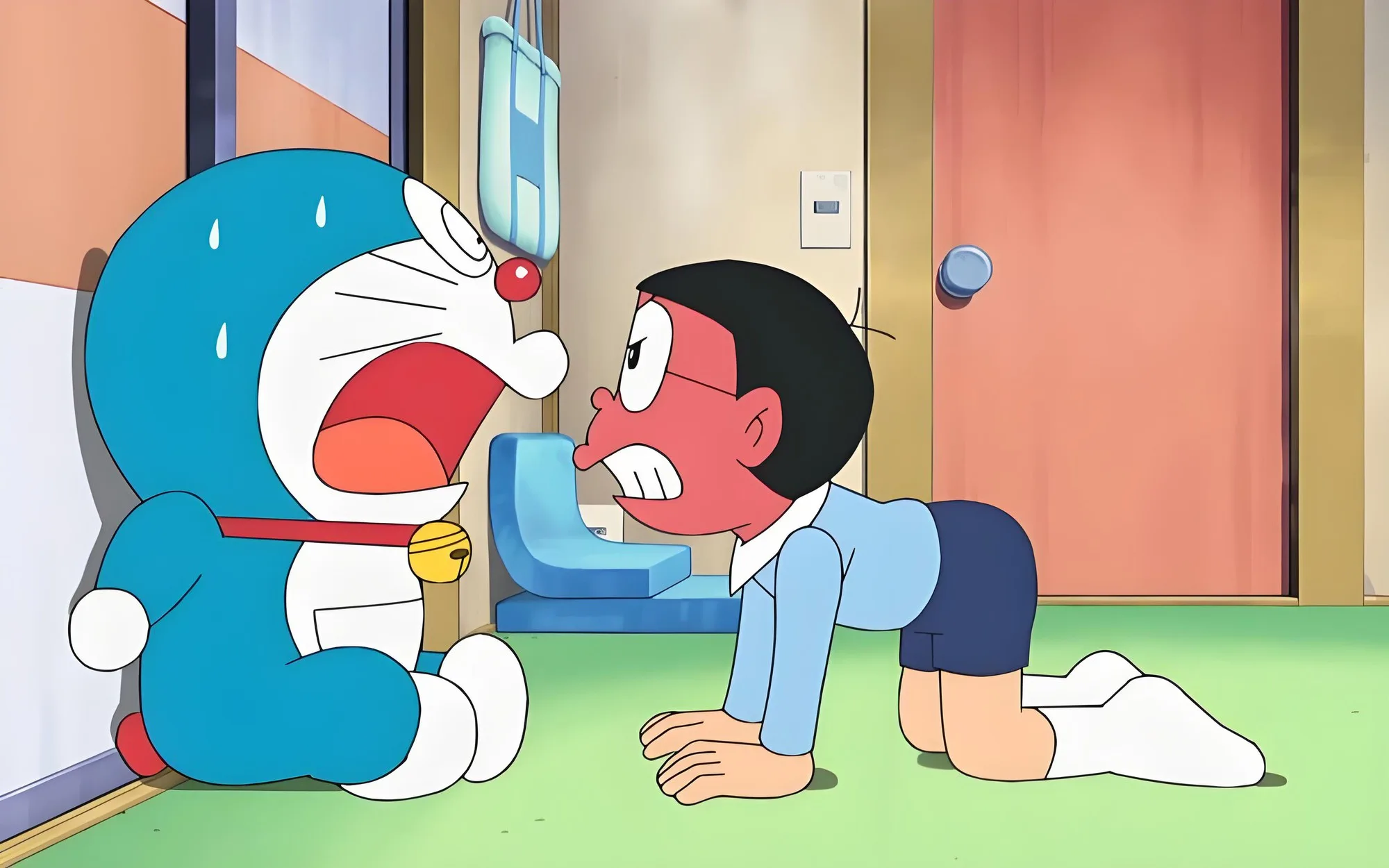
Unconditional kindness matters more than grades
Although Nobita struggles academically and physically, he possesses the most powerful weapon: a kind heart that feels others’ pain and loves nature and animals. As Shizuka’s father says the night before their wedding: “He is someone who can rejoice in others’ happiness and feel their sadness. That is the most precious quality in a person.”
By having a poor student marry the story’s perfect girl, Fujiko F. Fujio affirms a profound human value: a person’s worth is not measured by grades, cleverness, or money, but by the kindness in their soul. This message is a priceless healing energy, proving that no matter how clumsy someone is, they deserve love and happiness.
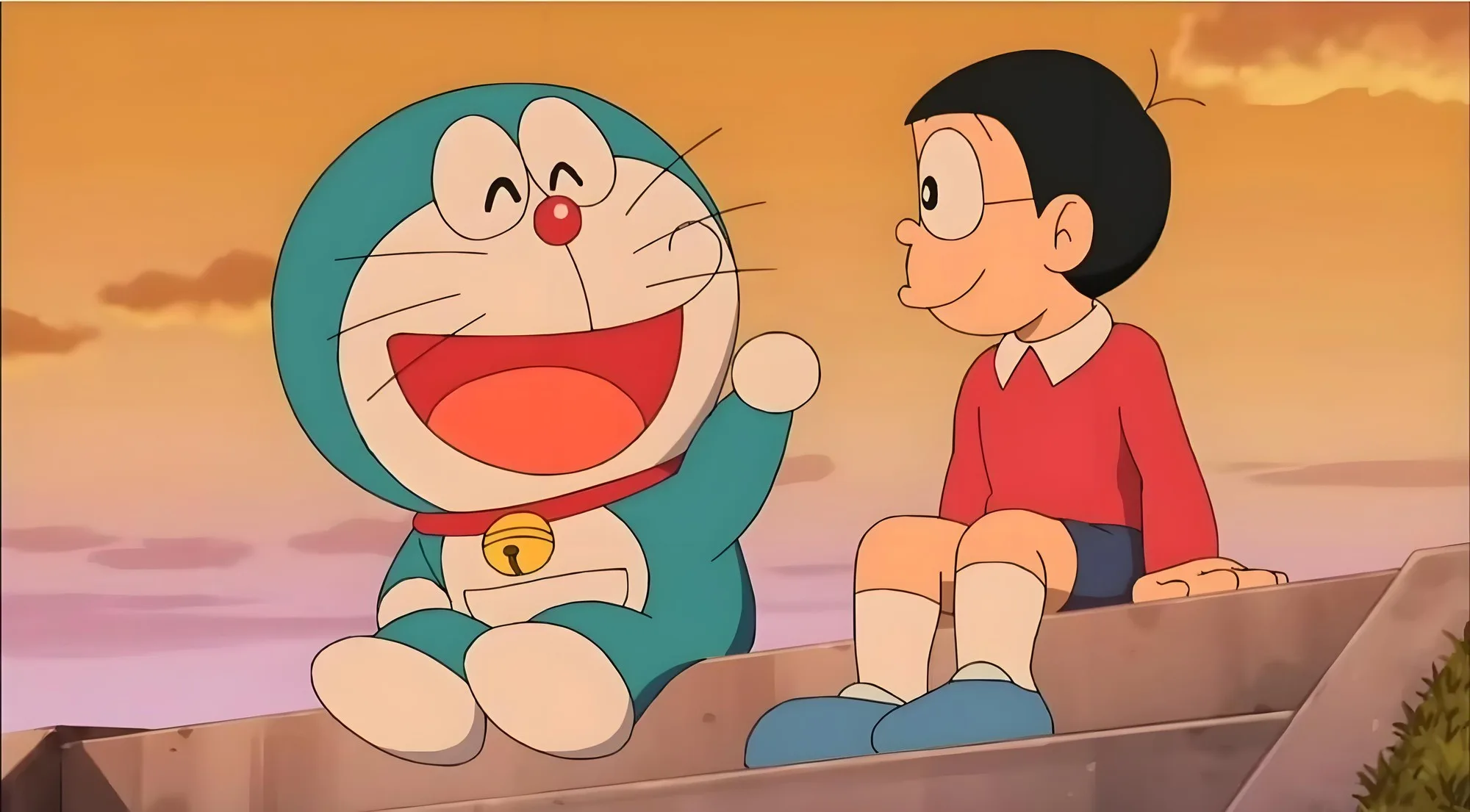
A strong survival instinct beneath a fragile exterior
The truth is Nobita may cry and run away when facing trouble, but he never truly gives up. After every beating from Jaian or every zero on a test, he may feel down for a moment but quickly finds joy in the smallest things.
Nobita’s mental resilience is remarkable. He holds no grudges, is always ready to forgive friends, and welcomes each new day with innocent optimism. His gentle ability to “get up after every fall” sends a quiet message about patience and inner strength. Life may knock you down, but as long as you keep kindness and optimism, you will always find a way forward.