


In 1954, director Ishir4 Honda and Toho Studios created the original Godzilla 97 a dark monster film reflecting Japan’s post-war trauma and nuclear fears. Not only did it set the formula for monster movies for over seven decades, but Godzilla also became a global pop culture icon known as the “King of the Monsters.”
With more than 70 years of history, 40 films, and countless appearances in comics and animation, Godzilla holds the Guinness World Record for the longest-running movie franchise. However, like any universe spanning decades, Godzilla’s lore sometimes feels more like a “house of cards” than a solid foundation. There are many wildly illogical details that, when examined closely, just don’t add up.
Here are the top 5 most illogical aspects of the Godzilla universe that still have no satisfying explanation.
5. Dying and coming back to life like clockwork
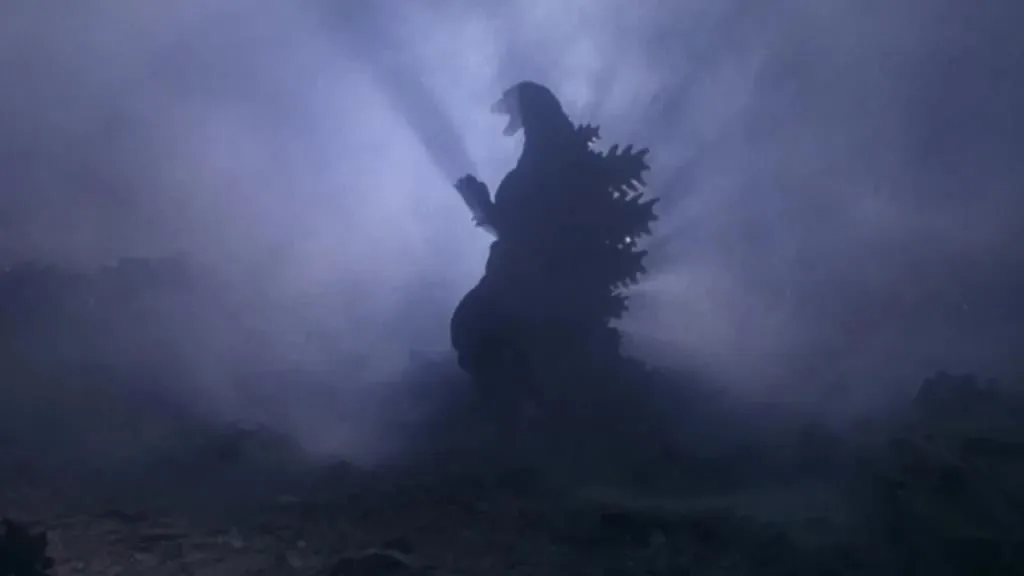
At the end of the original 1954 film, Godzilla was completely destroyed by the “Oxygen Destroyer,” leaving only a pile of white bones at the ocean floor. Yet just a year later in Godzilla Raids Again, the king returns miraculously with the simple explanation: “This is just a different one.”
This is a recurring weakness in many Godzilla films trying to please fans with sequels. Most movies either ignore or offer flimsy explanations for Godzilla’s survival. More recently, Godzilla Minus One took a better approach by ending ambiguously to set up a sequel. But the most baffling is Godzilla vs. Destoroyah, where Godzilla melts down from nuclear overload, and then his son absorbs that energy to instantly become a new Godzilla.
4. Surviving in outer space
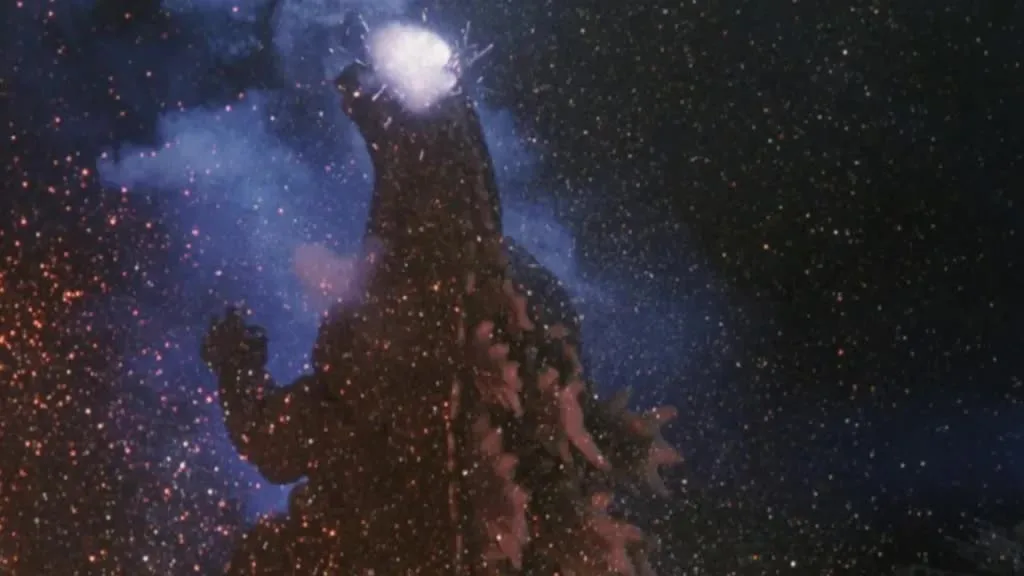
Though usually tied to islands near Japan, Godzilla once ventured into space in Invasion of Astro-Monster (1965). In the film, the inhabitants of Planet X borrow Godzilla and Rodan to defeat King Ghidorah. The question is: what does Godzilla breathe in outer space?
Since Planet X isn27t described in detail, we must assume Godzilla needs oxygen (he died from the Oxygen Destroyer). The movie also states Planet X has atmospheric pressure just one-tenth of Earth27s and gravity one-third. Yet Godzilla fights Ghidorah as if on solid ground. This is likely a hallmark of 1960s sci-fi films, where scientific logic couldn27t keep up with filmmakers27 imagination.
3. Friendships that flip-flop
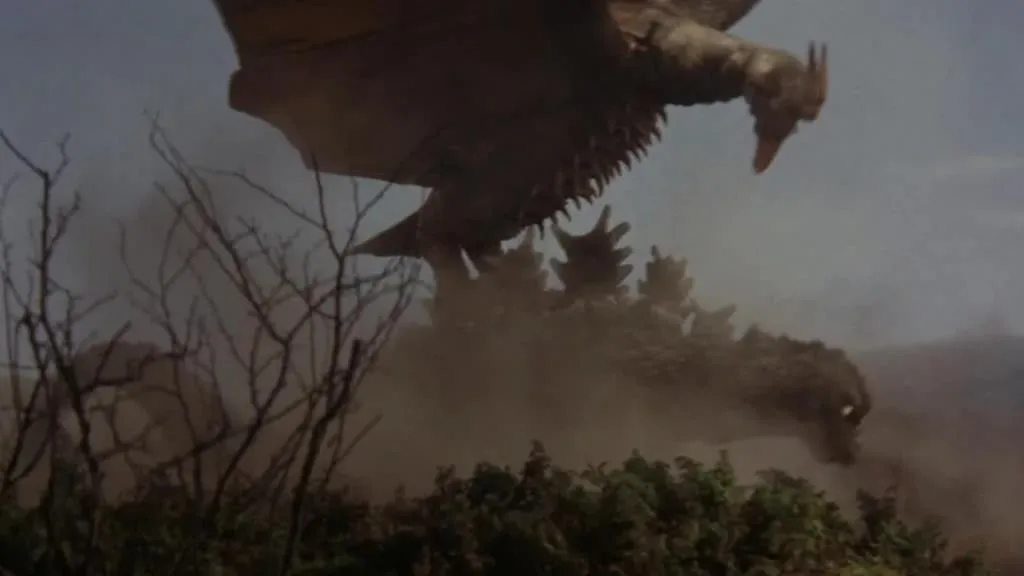
As Godzilla27s kaiju roster grew, the line between friend and foe became extremely thin. Rodan and Mothra are probably Godzilla27s most consistent allies. However, whenever the plot demands, filmmakers readily turn Godzilla into a lone aggressor attacking even his closest friends. These sudden personality shifts serve to heighten battle drama rather than maintain consistent character relationships.
2. Constantly changing fighting style
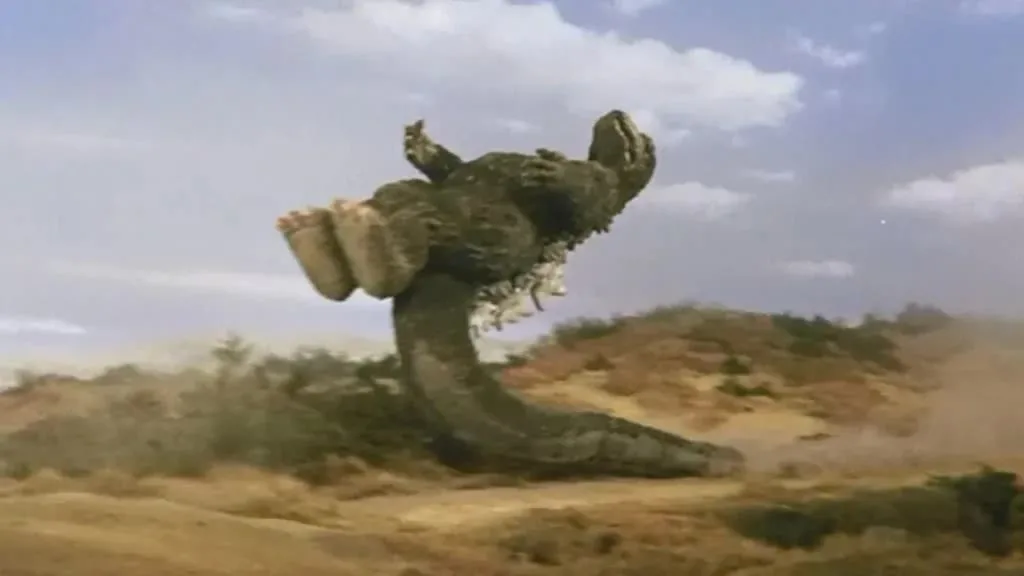
From a clumsy man-in-suit to modern CGI creatures, Godzilla27s fighting style has changed dramatically. In Godzilla Raids Again, the monsters fight like stuntmen struggling in the dark. But just 18 years later in Godzilla vs. Megalon, Godzilla suddenly becomes a “wrestling superstar” with entertaining spinning tail kicks.
Even the modern MonsterVerse can27t escape this inconsistency. In the 2014 film, Godzilla uses size to dominate and only unleashes his Atomic Breath as a finishing move. Yet in Godzilla x Kong: The New Empire, he fires atomic beams wildly, turning opposing giant monsters into a pile of goo in seconds.
1. The mystery of Godzilla’s “offspring”
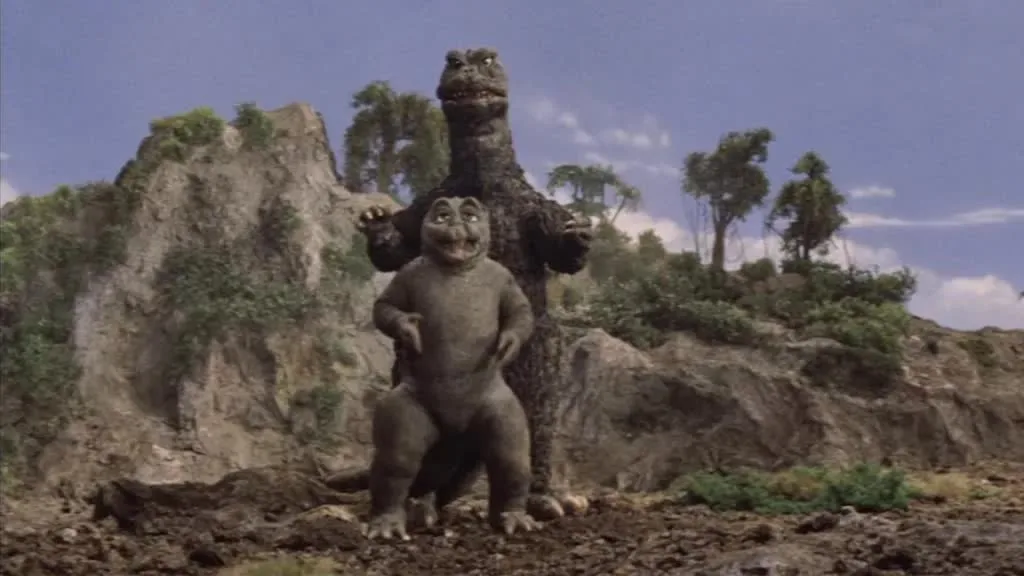
The 1967 film Son of Godzilla introduced Minilla 97 Godzilla27s child. Its origin is simply hatching from an egg and being raised by Godzilla. But wait, where did that egg come from? Who fertilized it? Does Godzilla reproduce asexually? These questions are completely ignored.
Things get even more complicated as later films introduce “Baby Godzilla” and “Godzilla Jr.” without explaining their origins. Commercially, having a cute Godzilla version helps sell toys or replace Godzilla when he dies, but logically, this is the most confusing and illogical detail in the entire franchise.