


We are witnessing an emotional passing of the torch. While the blockbuster manga of the 2010s often spanned 200 to 300 chapters, newcomers in the 2020s tend to be much shorter. As the final rays of this golden generation fade, now is the perfect time to look back and ask: “Which series delivered the most satisfying ending?”
Below is a ranking of the endings of seven major Shonen Jump hits from the 2010s, from controversial twists to legendary conclusions.
7. Chainsaw Man (Tatsuki Fujimoto)
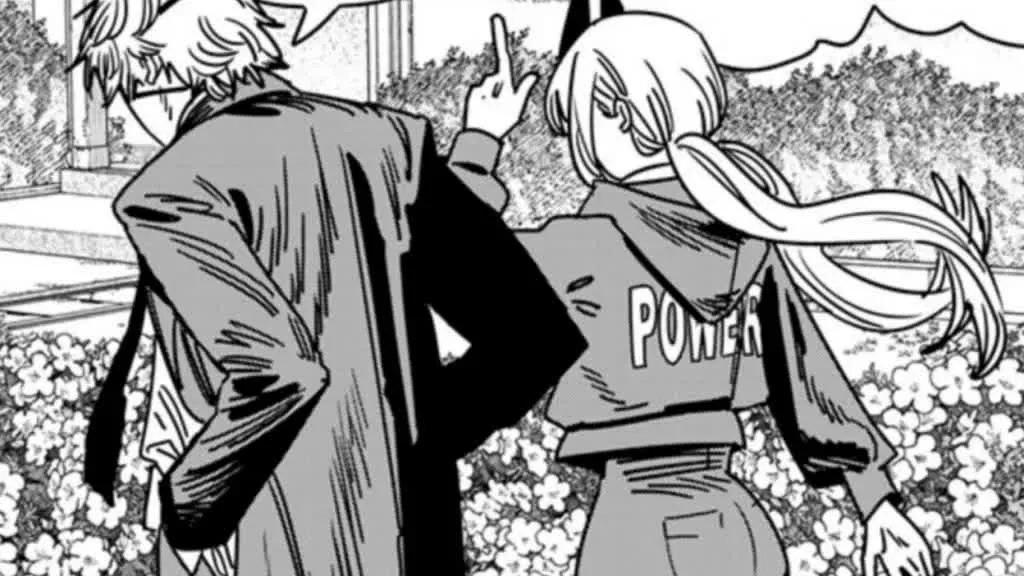
It might feel a bit unfair to include Chainsaw Man here since its second part just recently ended, but the fan backlash was too strong to ignore. The final chapter of Part 2 hit like a sudden slap. Regardless of Fujimoto’s intentions, most fans felt unsatisfied.
This ending was criticized for being abrupt and too brief. Many characters were left unresolved, and fans continue debating whether this unfinished feeling was an artistic choice or a sign of the author running out of steam. Time may soften readers’ frustration, but for now, it sits at the bottom of the list.
6. Black Clover (Yuki Tabata)
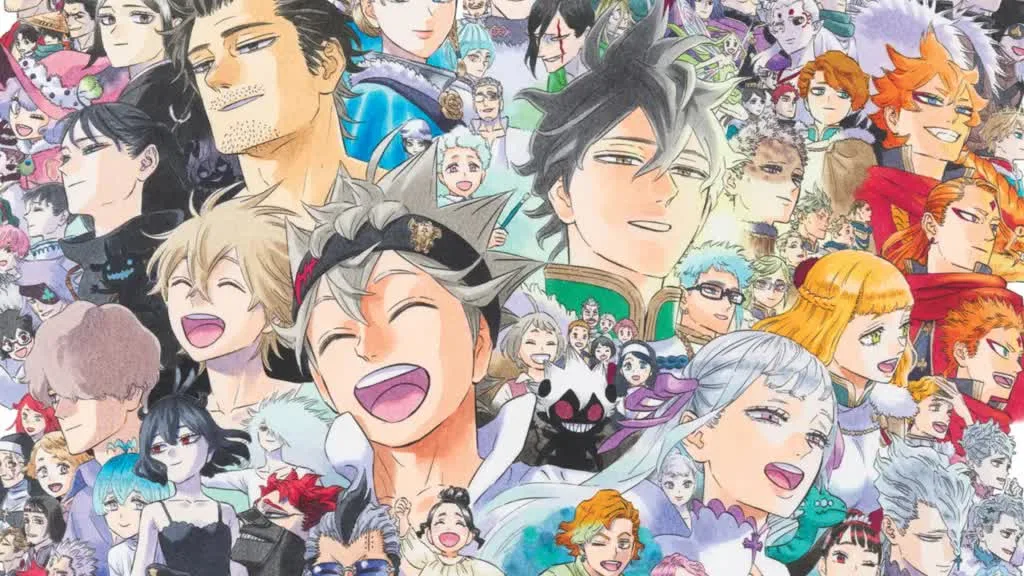
Ending not long ago, Black Clover ranks above Chainsaw Man thanks to a less negative fan reaction. Most readers were happy with Asta’s conclusion, but pacing was a major issue. After moving to a quarterly magazine, the final year of the series felt rushed.
Major events and key secrets in the last arc were sped through so quickly that critical battles felt shallow. Though the last chapter offered a hopeful glimpse of the future, the hurried finish remains a significant drawback.
5. Jujutsu Kaisen (Gege Akutami)
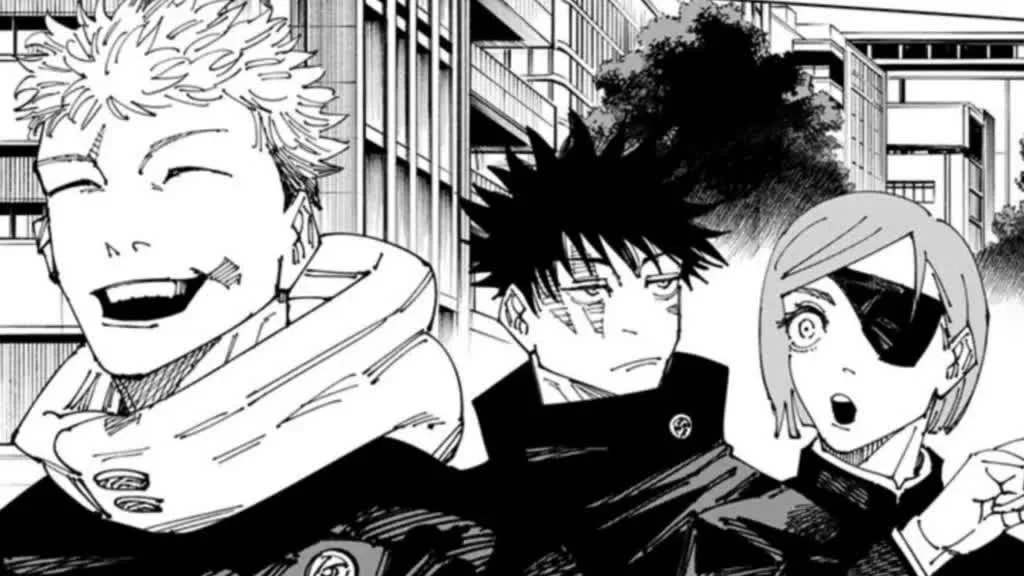
Gege Akutami’s flagship series shares the flaws of the previous two: a rushed pace and disappointing content. The final battle with Sukuna was seen as underwhelming due to its quick resolution. Many questions about the survivors remain unanswered, sparking one of the fiercest debates in recent years.
However, Jujutsu Kaisen’s standing improved thanks to its sequel, Jujutsu Kaisen Modulo. This follow-up not only addressed lingering issues but also provided a clearer vision of Yuji and his friends’ futures. A more fulfilling and happy ending helped JJK climb to fifth place.
4. Demon Slayer: Kimetsu no Yaiba (Koyoharu Gotoge)
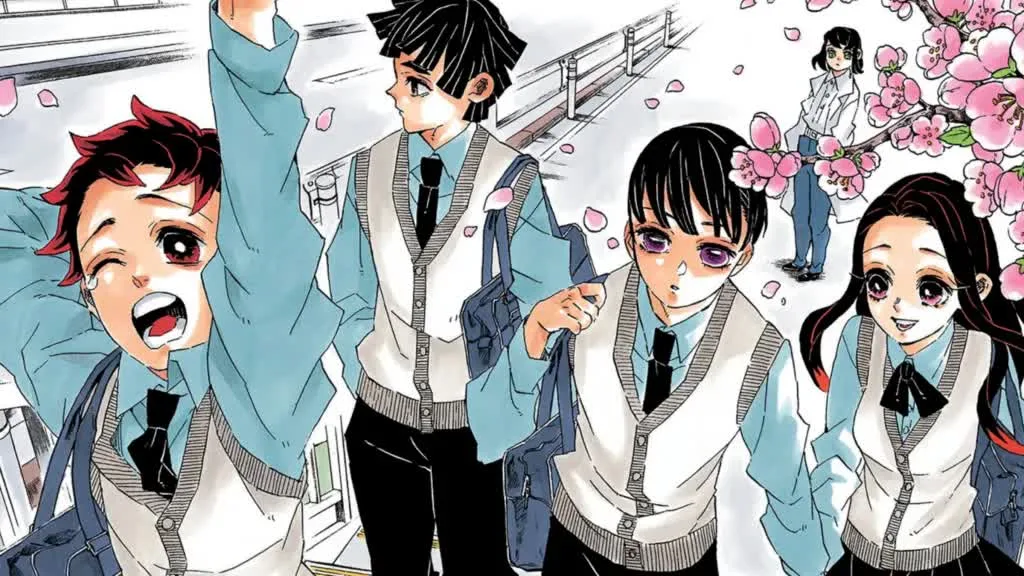
Demon Slayer’s ending initially confused fans with a bold leap into the future. After Muzan’s defeat, the story shifted away from Tanjiro to modern times, where characters are reincarnated into peaceful lives.
At the time, many struggled to accept this concept, but looking back years later, it stands as a deeply emotional conclusion. It not only honors the main characters’ achievements but also grants a happy afterlife to those who sacrificed everything.
3. My Hero Academia (Kohei Horikoshi)
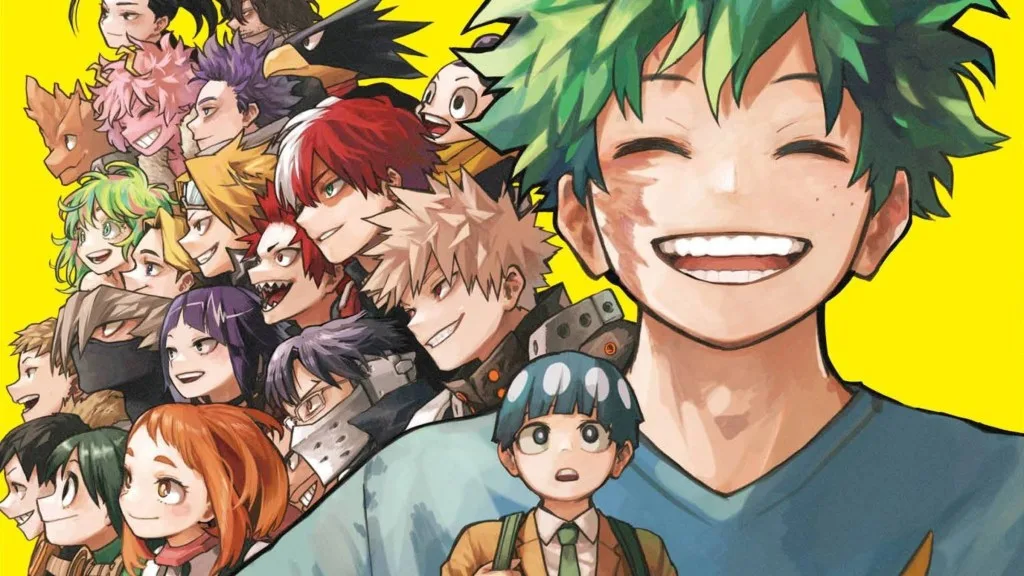
My Hero Academia faced heavy criticism at its finale when Deku did not become the shining number one hero as promised. Yet, the value of this ending has grown significantly over the past two years. Horikoshi’s return with special side chapters and anime additions completely changed fans’ perspectives.
Deku now influences the next generation in ways a simple symbol of strength could not. The hero society has truly evolved because of his actions. It’s an open-ended but promising and profound conclusion.
2. We Never Learn: BOKUBEN (Taishi Tsutsui)
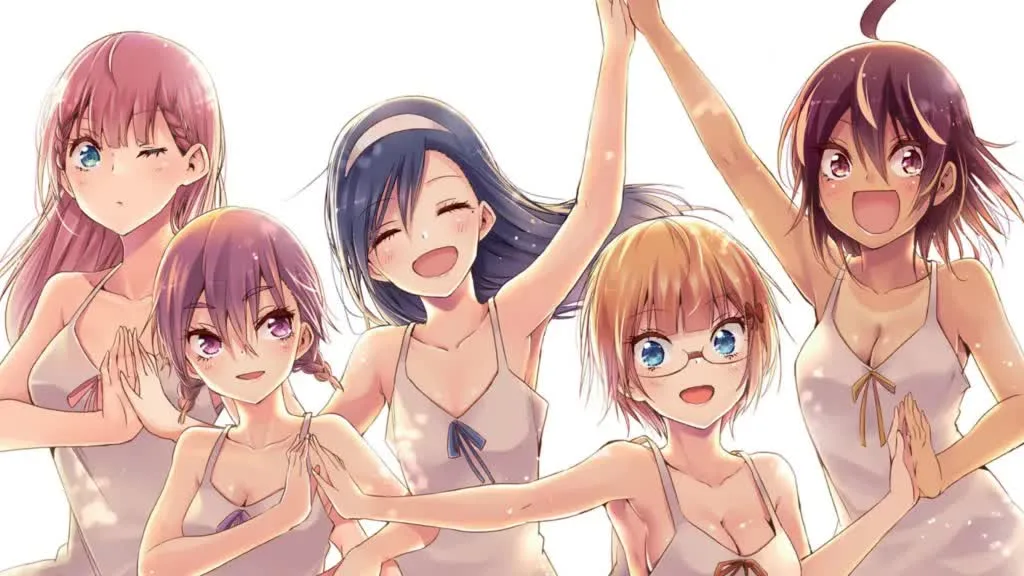
This is a rare and wildly successful case for Shonen Jump. Tsutsui pulled off the impossible by making all fans happy with five different endings. Instead of choosing a single heroine, the author created five separate futures for Nariyuki with each girl.
Each ending was carefully crafted to fit the psychological development throughout the series. Every girl “wins,” and every fan is satisfied. To date, no other Jump author has dared to take such a bold risk and succeeded like Bokuben.
1. Haikyu!! (Haruichi Furudate)
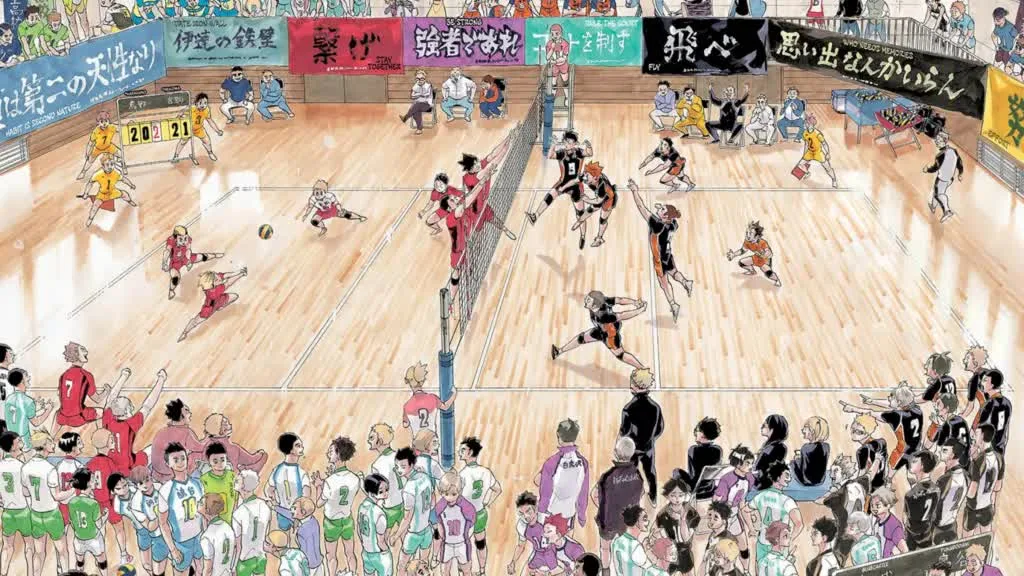
The crown belongs to Haikyu!!. This ending received unanimous praise from fans. The final arc’s time jump created an epic professional match featuring all beloved characters.
What sets Haikyu!! apart is its realism and attention to detail. The author shows the futures of every character, main or supporting. Some become Olympic athletes like Hinata, while others leave volleyball after high school to pursue different dreams. Everything feels logical, believable, and full of emotion. This is truly the best ending in Shonen Jump’s 2010s history.