


Considered one of the greatest manga of all time, Vagabond has yet to receive an anime adaptation nearly three decades after its debut. Have studios simply forgotten Miyamoto Musashi, or has the sheer greatness of the work itself become a barrier to bringing it to the screen?
1. Takehiko Inoue’s Art Style: A Masterpiece Beyond Animation
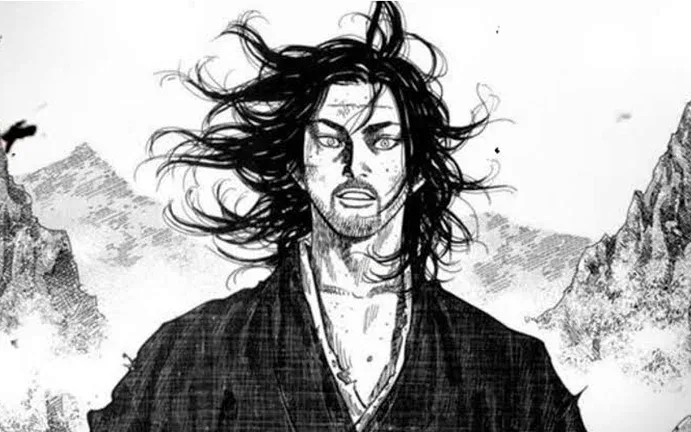
The biggest obstacle lies in the art style. Vagabond is unlike any typical manga, it resembles a gallery of fine art created with brush strokes, ink washes, and breathtaking detail. Flipping through its pages is not just reading but truly appreciating art.
Most modern anime simplify character designs to optimize animation. Simplifying Vagabond would strip away its soul and uniqueness. On the other hand, preserving its intricate detail would mean astronomical production costs and time. We’ve already seen the disastrous 2016 Berserk adaptation when studios tried to cut corners on detailed seinen works.
2. The Author’s Extreme Perfectionism
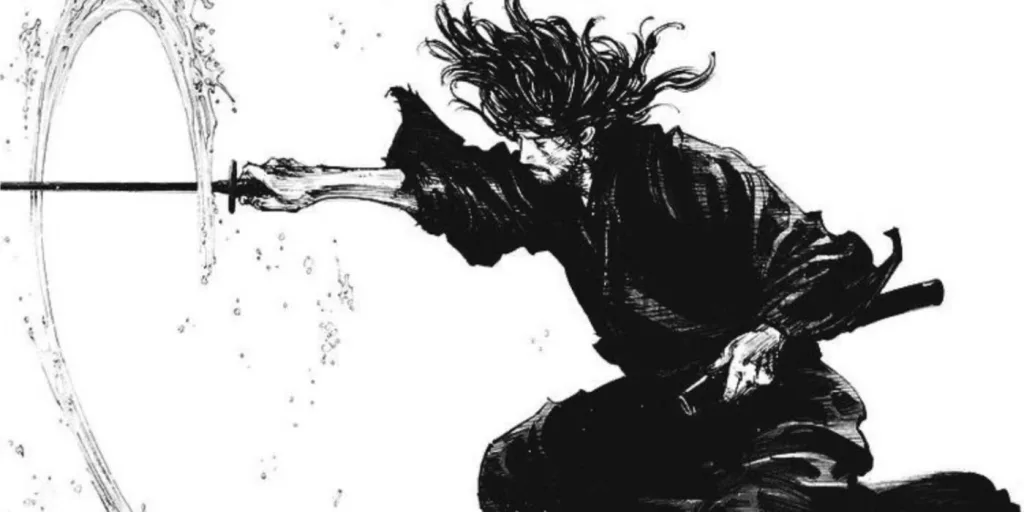
Takehiko Inoue is known for his pursuit of perfection. He once paused Vagabond because he felt he no longer met the high standards he set for himself. Take the recent film The First Slam Dunk as an example: Inoue not only approved the project but also directed it personally.
This means if Vagabond were adapted into anime, Inoue would want full creative control. For production companies, this is extremely complicated. It leads to longer production cycles, less flexibility, and soaring costs. Not every studio is willing to sign such a demanding contract, even for a masterpiece.
3. The Curse of Indefinite Hiatus: Too Risky an Investment
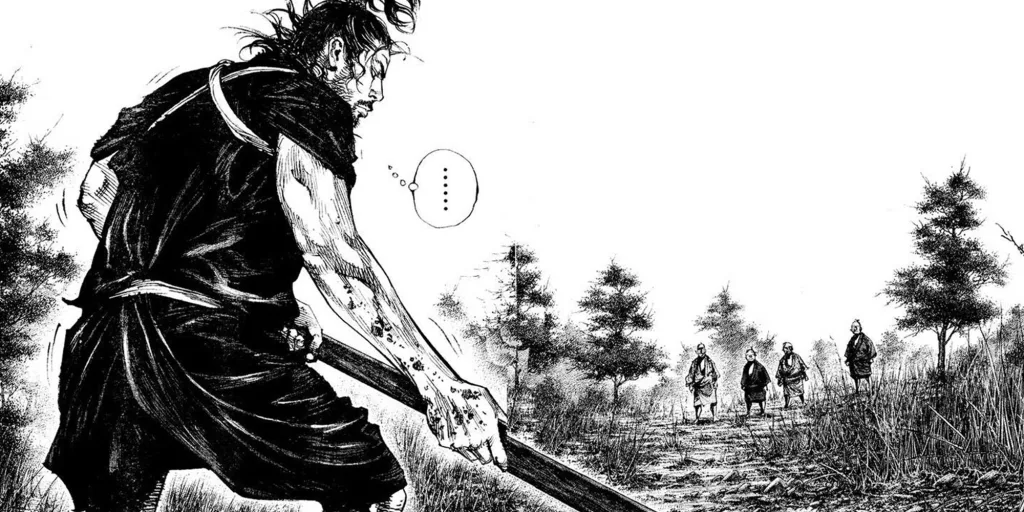
Another practical issue is that Vagabond is still unfinished. Since May 2015, the manga has been on indefinite hiatus. Most anime adaptations aim to boost sales of ongoing manga or capitalize on current fan excitement.
With Vagabond, investors have nothing to work with: no ending, no future release schedule, and no guarantee the story will continue. Planning a long-term anime project without a conclusion is a huge gamble. While they could use Eiji Yoshikawa’s original novel for an ending, fans would likely reject such a mismatched conclusion.
4. Deep Philosophy Clashes with Weekly Anime Format
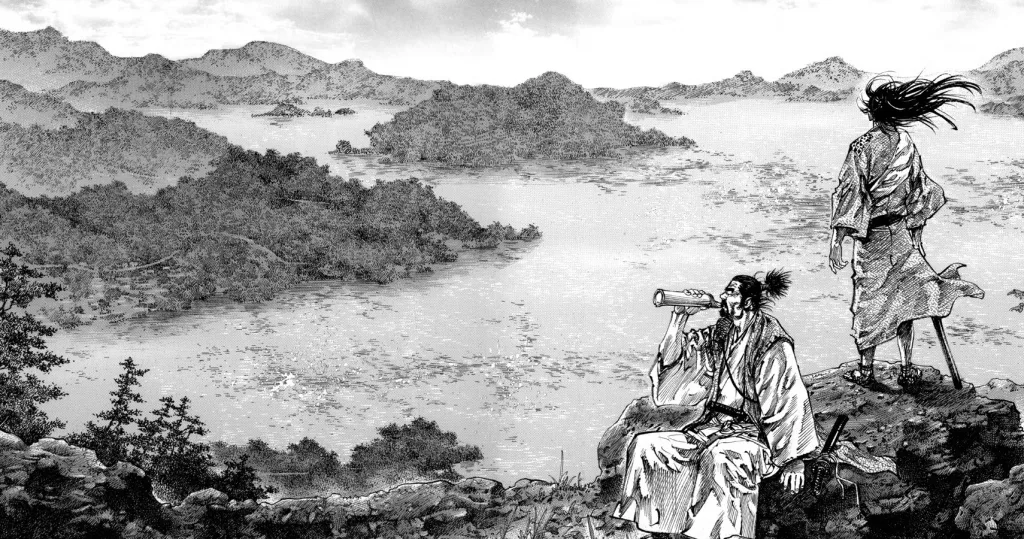
This is both a unique strength and a weakness for adaptation. Much of Vagabond focuses on introspection, inner growth, and profound philosophy. Take the “Farming” arc as an example, it’s a journey of healing and self-discovery rather than bloody battles.
This works beautifully in manga form but is extremely challenging for weekly anime. Anime audiences often expect drama, fast pacing, and constant thrills. Vagabond moves at its own pace. Speeding it up or slowing it down would ruin the original experience.
5. Business Challenges: No Market for Merchandise
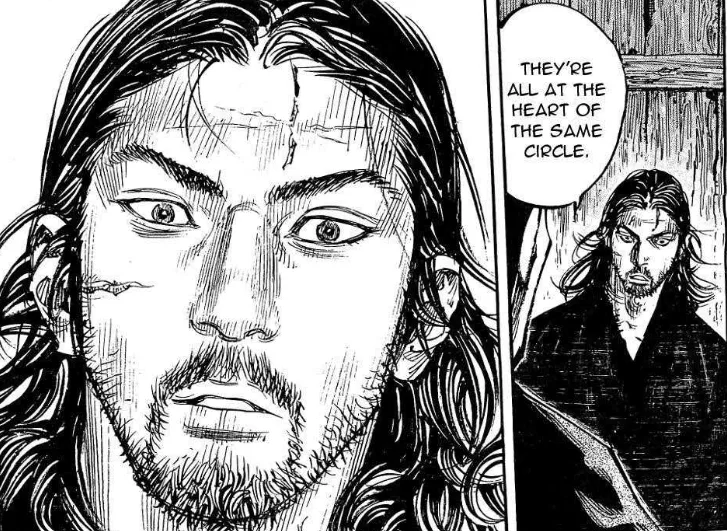
The business side can’t be ignored. Successful anime often come with commercial potential from merchandise like toys, games, and figures. Shonen series excel at this. But Vagabond is a mature, realistic, and somber story with almost no chance to sell toys.
The series lacks flashy moves, popular waifus, or easily marketable elements. With the huge budget needed for a quality anime, the lack of merchandise revenue makes Vagabond a tough sell for any studio.
Vagabond’s Status in 2026
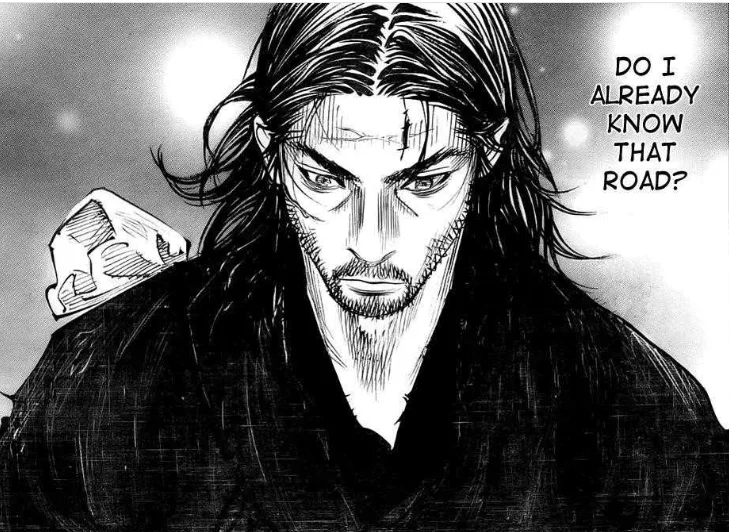
To this day, Vagabond remains on indefinite hold. While rumors suggest some well-known studios have shown interest, no official announcements have been made.
Perhaps the absence of an anime isn’t a failure but a testament to Vagabond’s unique status. Its incredibly detailed art, the author’s exacting standards, unfinished story, and tone that differs from typical anime formulas are ironically what make it an eternal masterpiece.
Maybe one day, a studio bold and capable enough will bring it to life. Or perhaps Vagabond will remain a legend that only needs to exist on the page to prove its greatness.