


What seemed like a historic collaboration to celebrate milestones quickly turned controversial when Detective Conan teamed up with My Hero Academia, unintentionally reopening a sensitive historical wound and sparking a fierce boycott movement among Chinese netizens.
Recently, the phrase “Detective Conan boycott” has dominated social media platforms in China. The controversy did not stem from Conan’s content itself but from its association with another highly contentious title: My Hero Academia.
Controversial collaboration between two Shonen giants
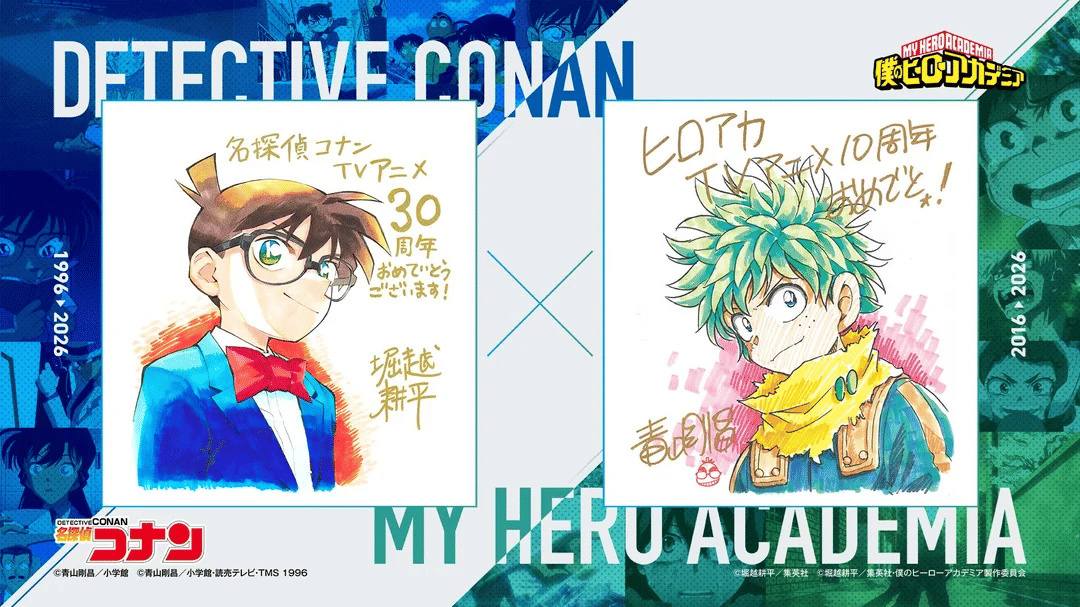
To mark 30 years of Detective Conan and 10 years of My Hero Academia, creators Gosho Aoyama and Kohei Horikoshi exchanged drawings of each other’s main characters. These were published in Weekly Shonen Jump and Weekly Shonen Sunday in February 2026. A joint promotional video also aired right after the Conan episode on January 31.
However, this sparked an immediate backlash from Chinese netizens. The root cause was that My Hero Academia has been completely banned in China since 2020 due to a historical controversy.
Revisiting the “Maruta Shiga” scandal
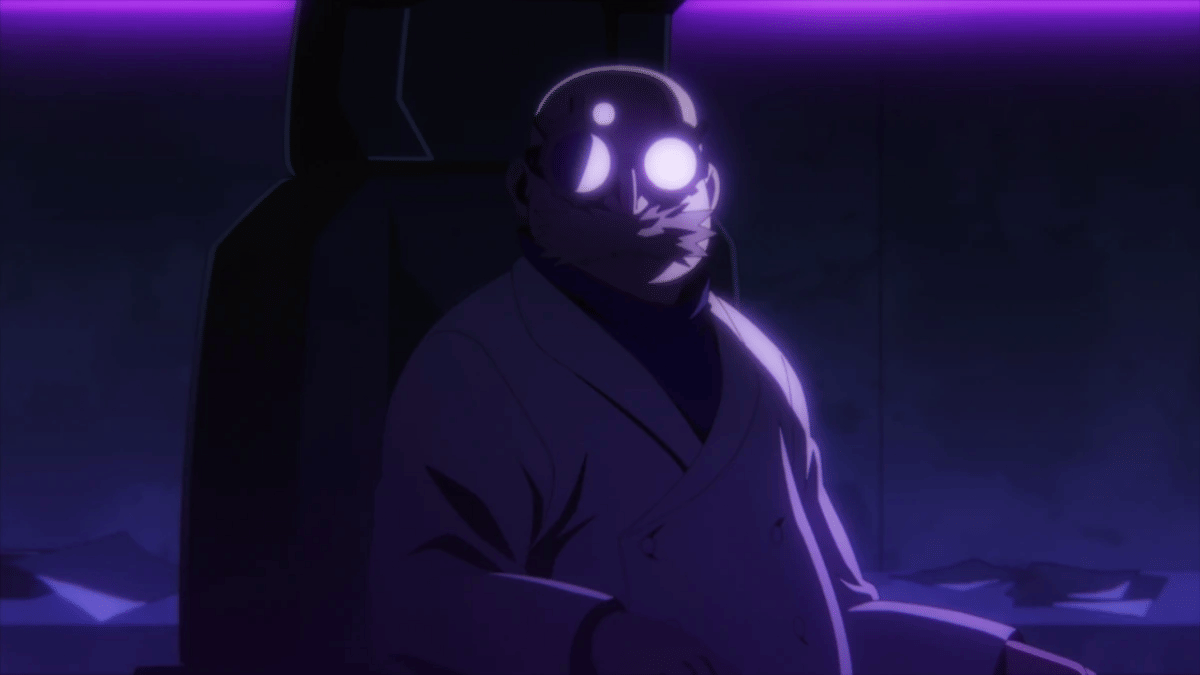
In 2020, Horikoshi named a villain Maruta Shiga. Historically, “Maruta” (meaning “log”) was the codename used by Japan’s Unit 731 for victims of brutal human experiments in China during World War II.
Although the author and editorial team apologized, calling it an unfortunate coincidence, the historical pain remains unforgivable for many Chinese readers. Since then, all My Hero Academia manga and anime have vanished from digital platforms in China.
Conan, a beloved icon in China, openly collaborating with this banned brand was seen as disrespectful to fans.
Clarification from licensing authorities
Amid rising tensions, Shanghai’s Character Licensing Management Company quickly issued a statement clarifying that this collaboration was merely a personal friendly exchange between the two creators to celebrate career milestones, without any political or major commercial intent.
Still, this explanation failed to calm the heated reactions. This incident serves as a major lesson on image management and cultural-historical sensitivity for global brands operating in China.