


If you’ve always believed Sailor Moon is the queen of the magical girl anime genre, get ready to have your mind blown. Recently, legendary director Kunihiko Ikuhara made a shocking claim: neither Usagi Tsukino nor Utena belong to the magical girl category!
On his latest podcast, Ikuni to Unmei no Cinema Snack, Kunihiko Ikuhara, the creative force behind Sailor Moon and Revolutionary Girl Utena, openly rejected the label of “magical girl expert” that the anime industry has attached to him for decades.
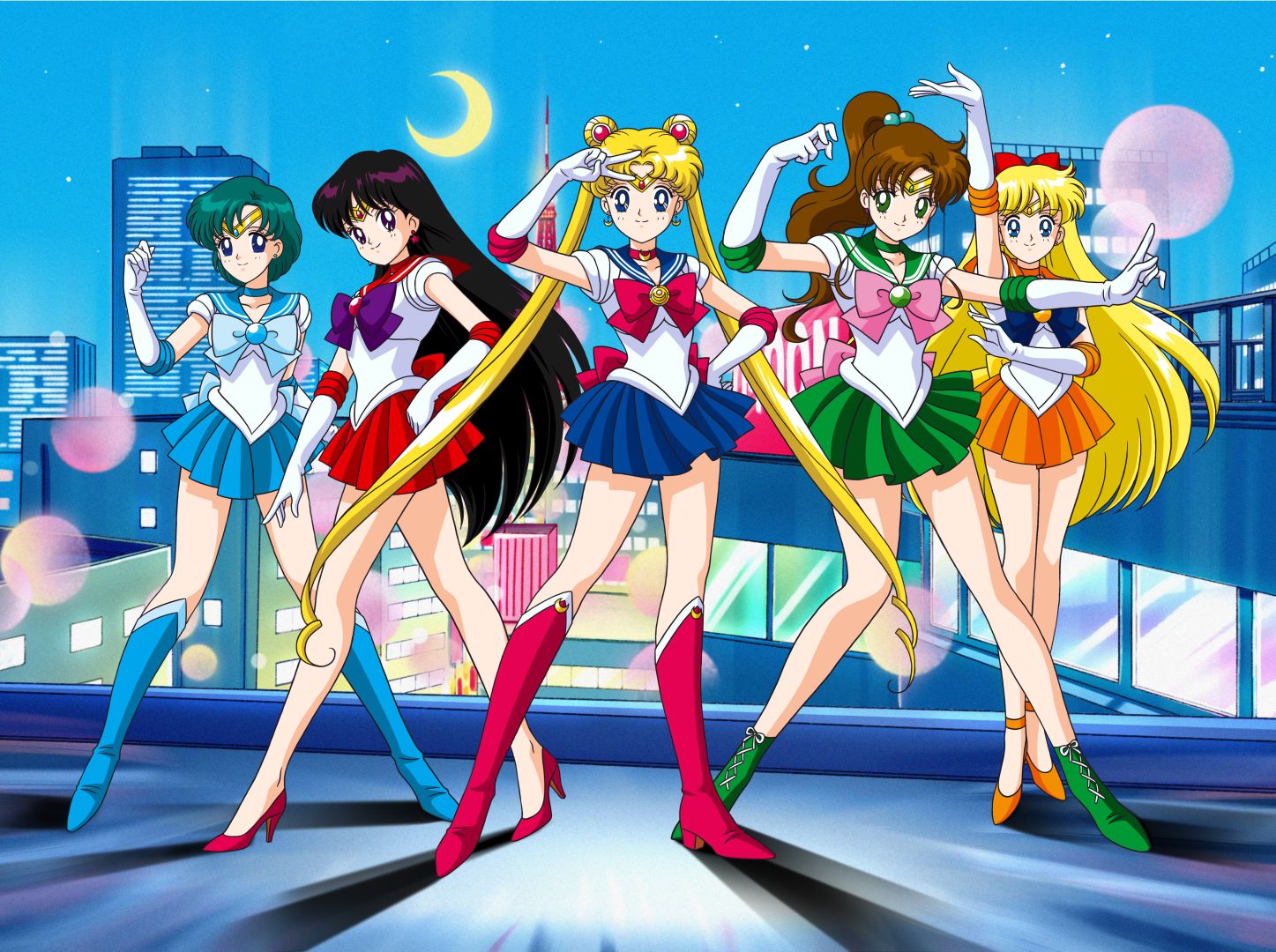
To support his view, Ikuhara highlighted a crucial technical difference. He explained that the traditional Magical Girl (Majokko) genre originated from lighthearted, sitcom-style series. In contrast, his works carry the “DNA” of superhero shows (Tokusatsu).
Sailor Moon is actually a “transforming hero.” Ikuhara insists that the battles fought by the Sailor Guardians are much closer to Kamen Rider or Super Sentai than to typical magic use. These are transformation sequences for combat, not witches using magic in everyday life. “Calling my anime magical girl is a rather crude generalization,” he emphasized.
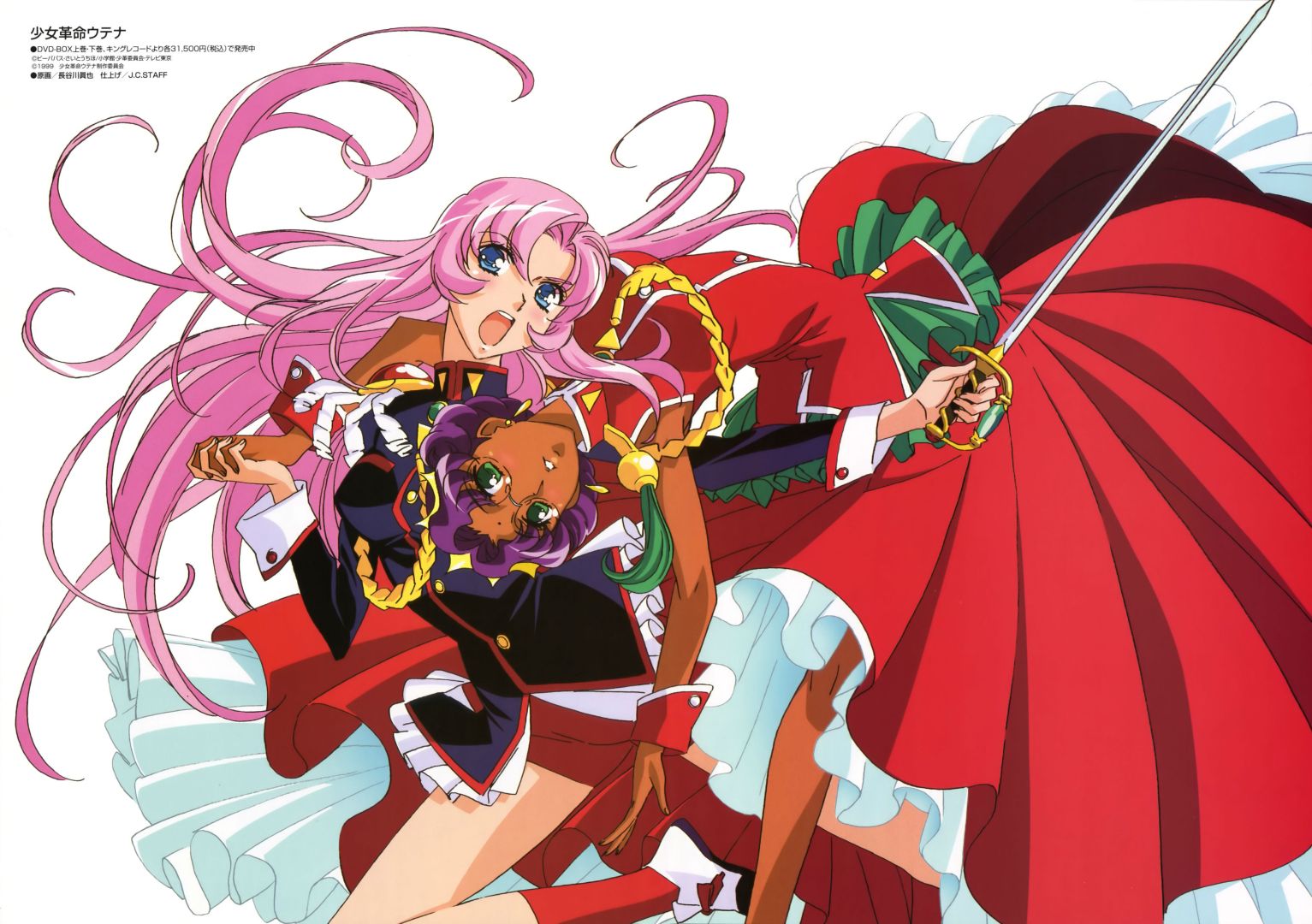
Revolutionary Girl Utena is not a magical girl series either. Despite containing magical elements, Ikuhara views it as a dark, deconstructive work rather than a typical magical girl anime.
Ikuhara acknowledges the appeal of the genre lies in the fantasy of empowerment, similar to Superman but aimed at girls. Back in the 60s and 70s, this was revolutionary. However, with the surreal and symbolic style of works like Mawaru Penguindrum and Yuri Kuma Arashi, the director always walks a fine line between genres.
This statement completely changes how we see these classic anime icons. It turns out we haven’t been watching “magical girls” transforming, but rather “female superheroes” battling to save the world.