

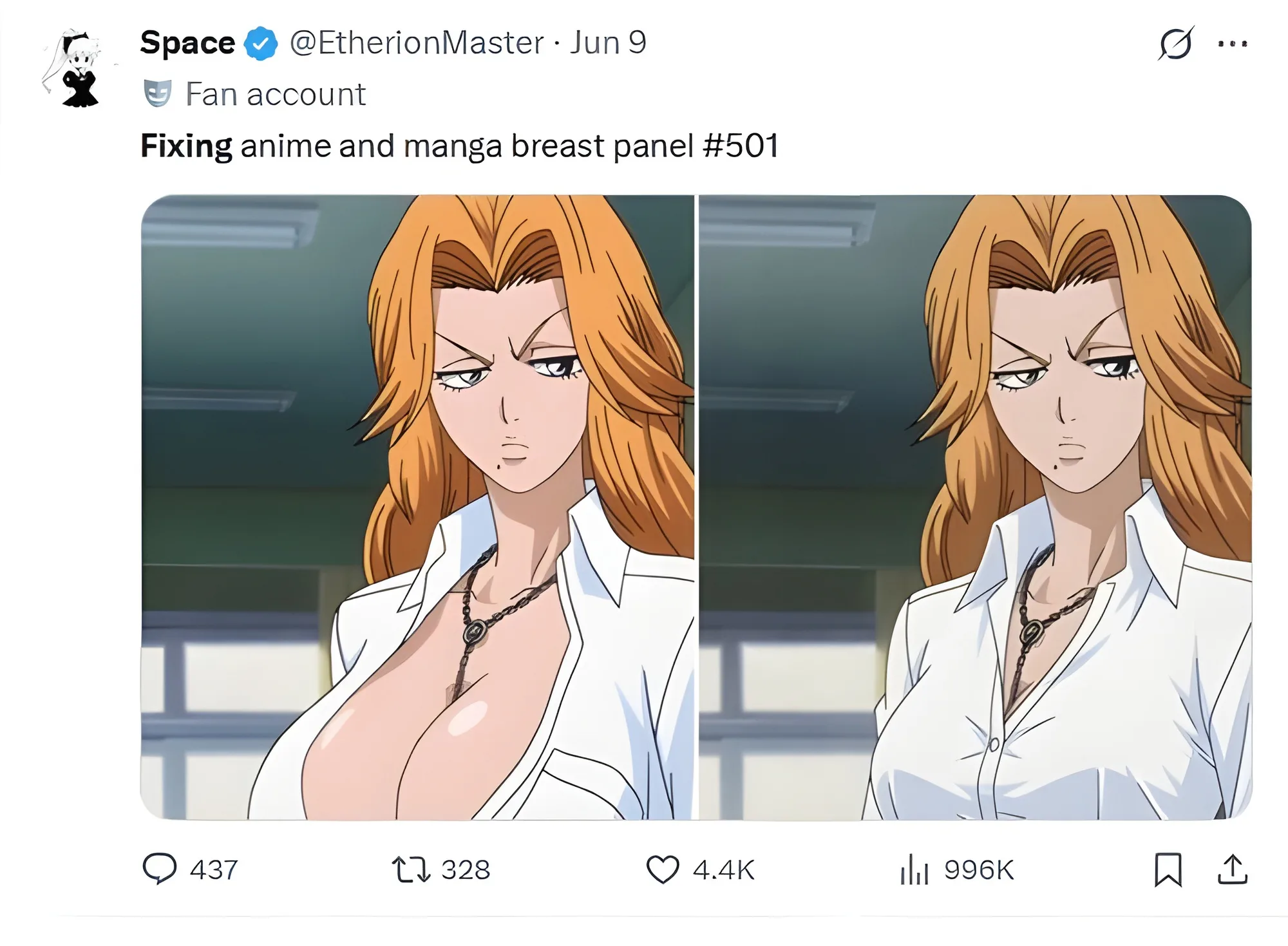
Recently, a heated and familiar debate about female character design in anime unexpectedly reignited across social media forums, drawing millions of views in just three days. It all started when a self-proclaimed anime fan edited the appearances of popular female characters, most notably Rangiku Matsumoto from Bleach.
This user altered Rangiku’s body proportions, shrinking her iconic curvy figure and adding fabric to cover her famously ample chest. What made it more controversial was that they called this act a “fix” to the original design. Predictably, a fierce wave of backlash quickly followed.
When “fixing” is seen as disrespecting the creator and body-shaming
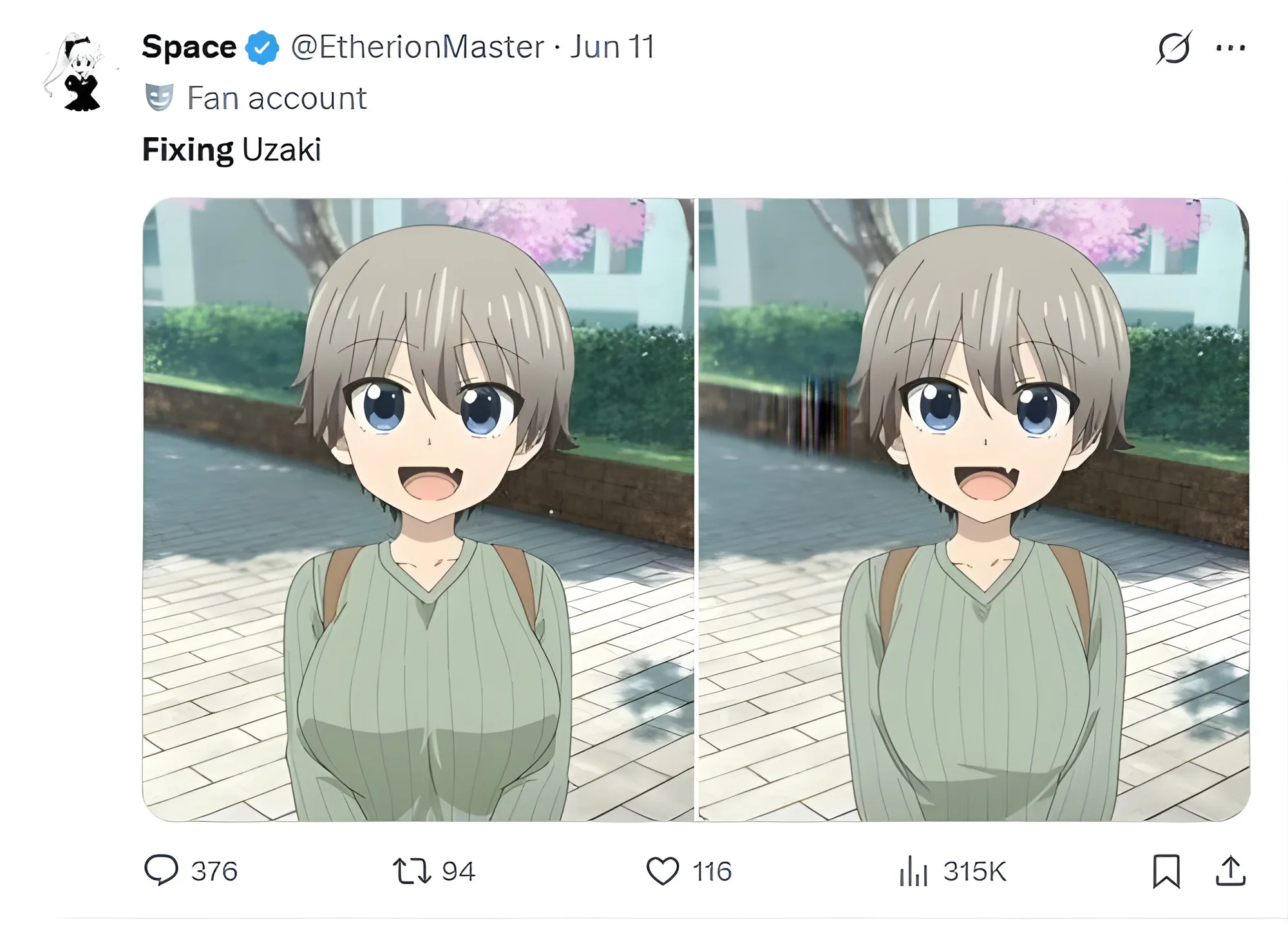
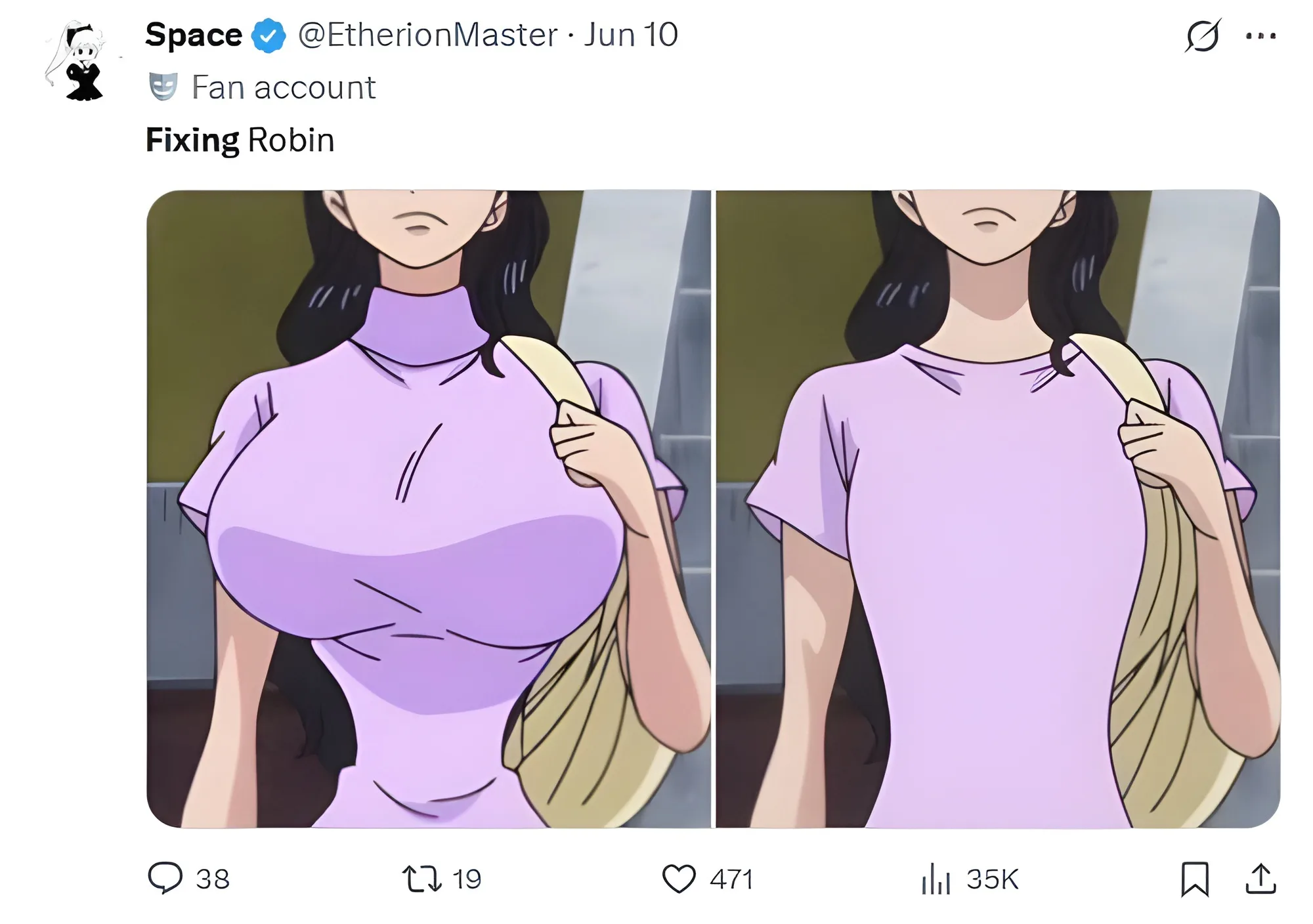
Online communities, especially critics of the edited version, quickly exposed the toxic issues behind this “fixing” mindset.
Labeling an altered drawing as a “correction” implies the original creator’s design was flawed. This is seen as a direct disrespect to the artistic choices and intellectual effort of mangaka and official artists.
Moreover, many pointed out a ridiculous contradiction. Intentionally reducing a character’s bust size or forcing an hourglass figure to look thinner is a subtle form of body shaming. It suggests that voluptuous, alluring body types are “wrong” or shouldn’t appear on screen.
Countless sarcastic and humorous responses flooded in from the community. Most agreed that this censorship only reveals the editor’s own insecurities and conservatism, while the original character design was perfectly fine and beloved by millions for years.
The fine line between creative freedom and forced imposition
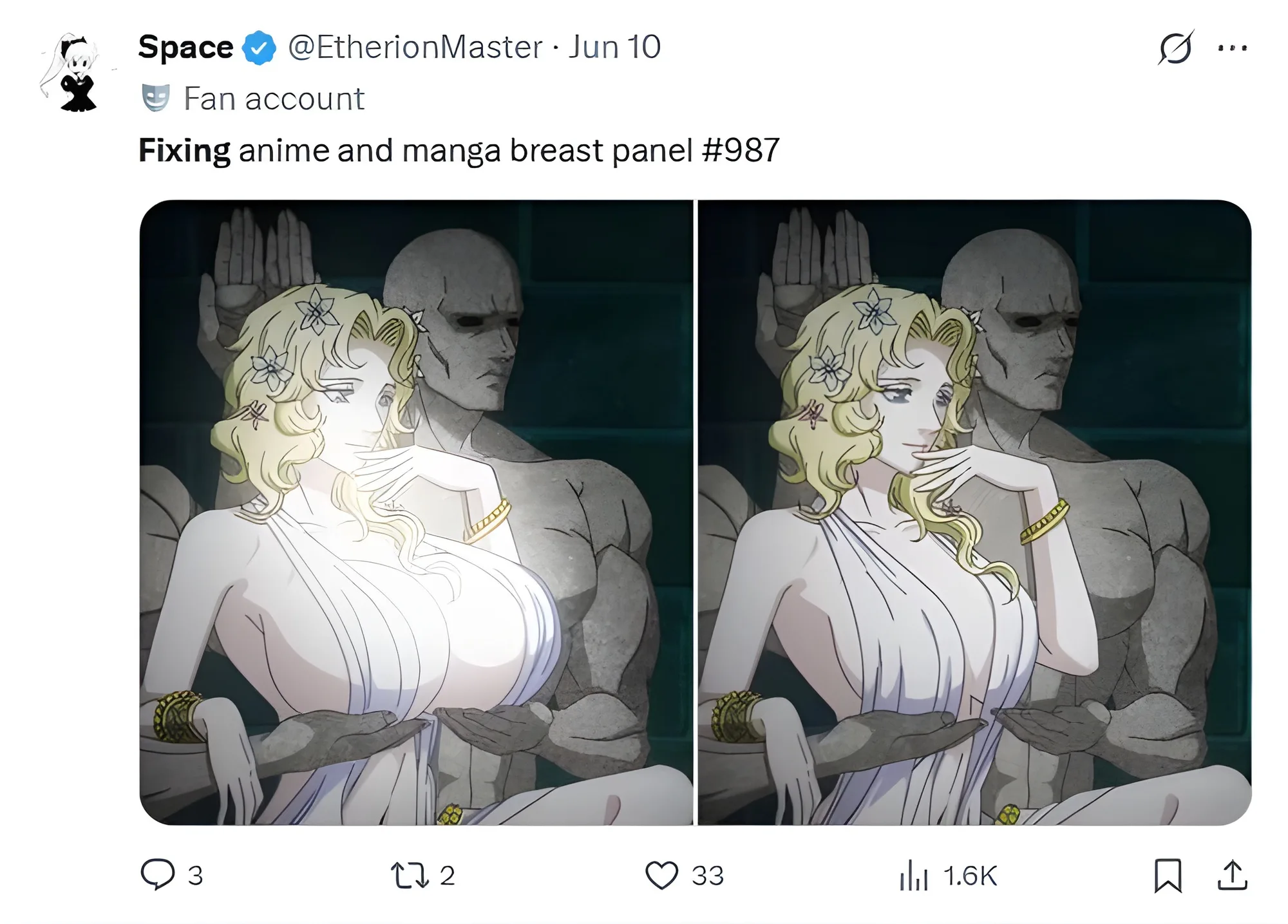
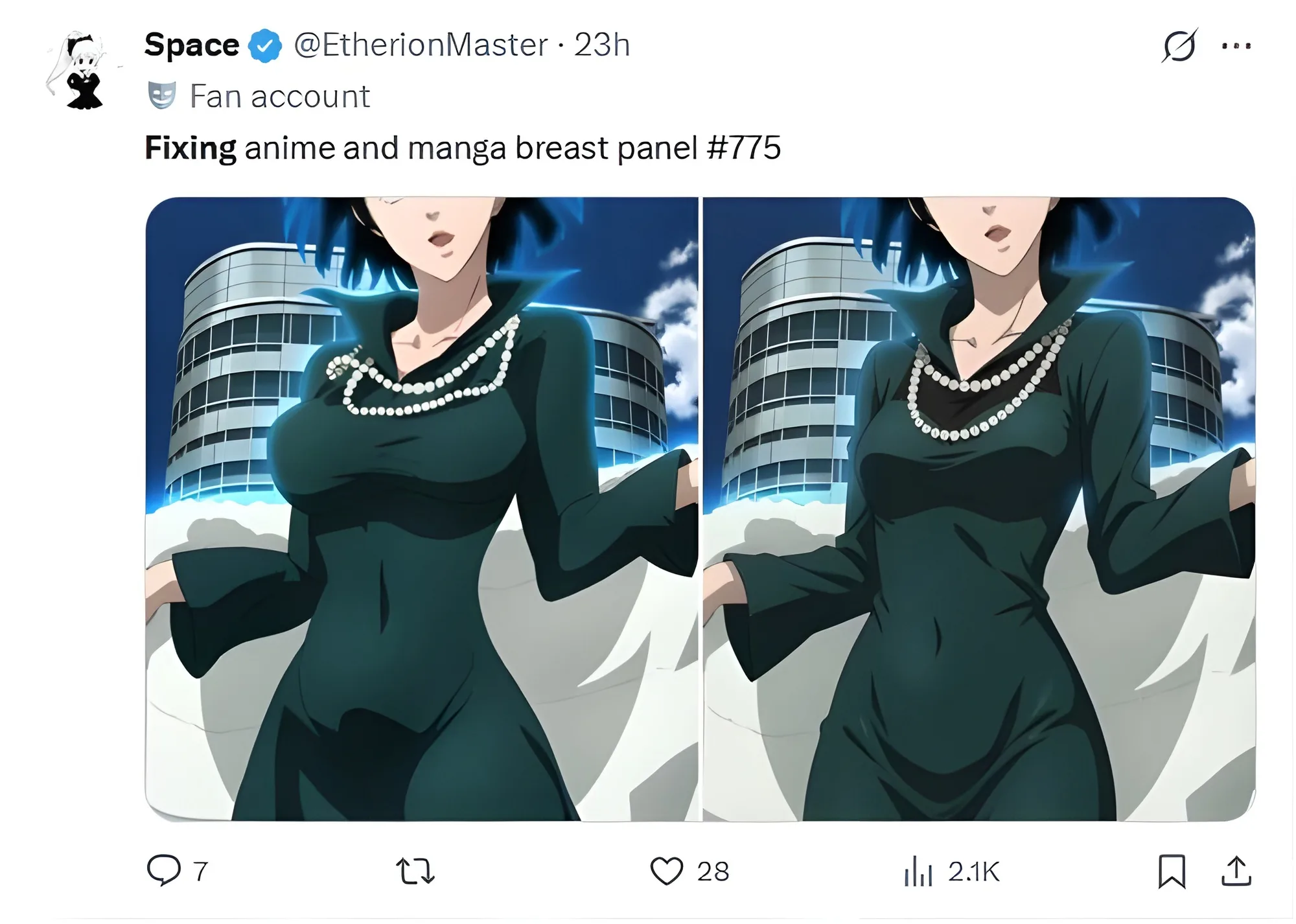
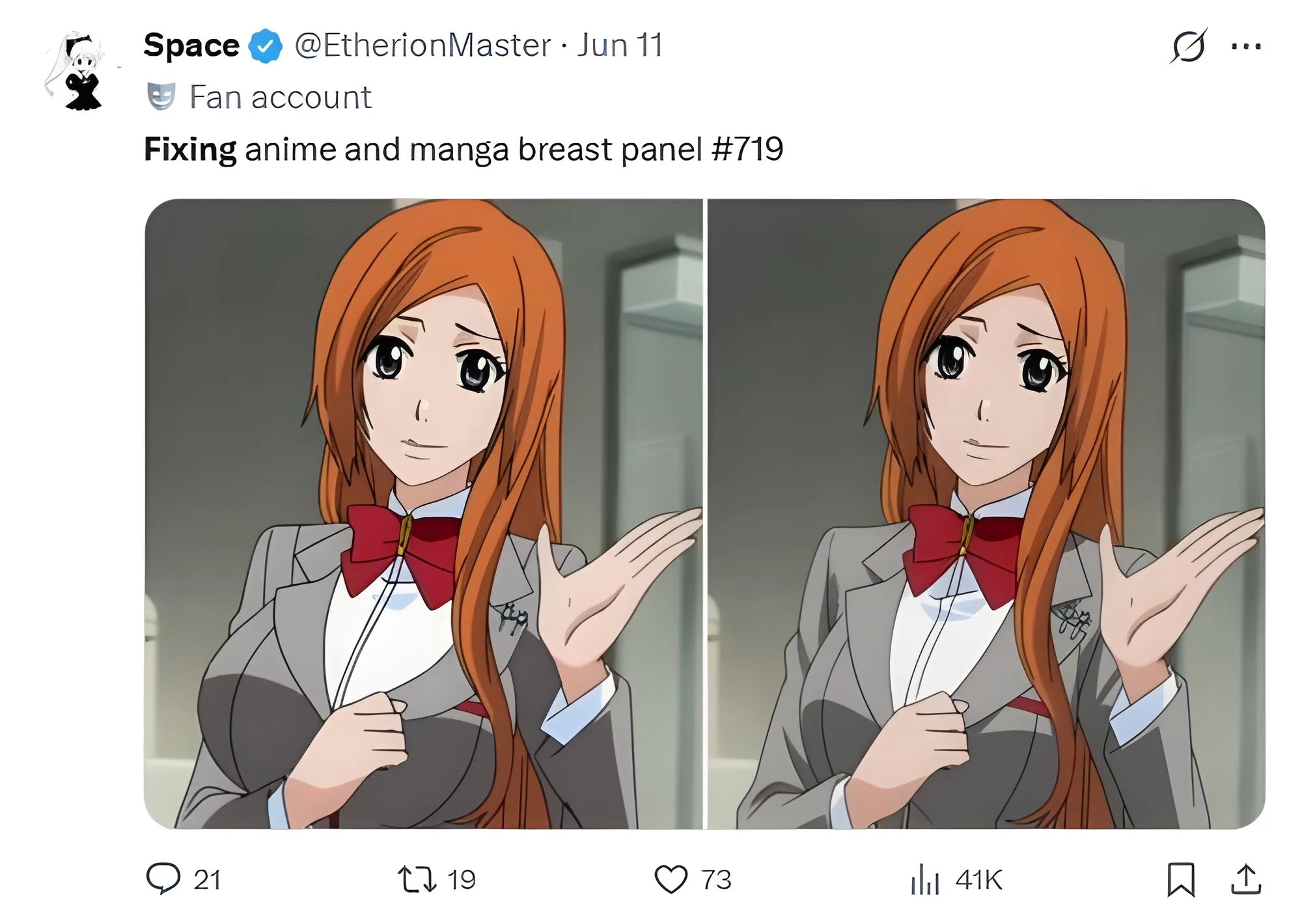
On the other hand, supporters or those expressing sympathy argue this is simply a form of personal expression within fandom culture. They claim any fan has the right to redraw or reinterpret a character in their own way.
However, the core conflict isn’t the edited image itself but the arrogant attitude of the poster. Publicly promoting subjective changes as an “objective improvement” to a design that has been perfect and adored by millions for years is what sparked the outrage.
Anime culture and visual language have evolved over decades
This viral debate once again touches on the historical context of the Japanese anime and manga industry. Female characters with striking, seductive features have been an essential part of the visual language across genres and audiences for decades.
Anime character design follows unique visual traditions developed specifically in Japan. It doesn’t have to conform to rigid standards or the “equality/innovation” movements common in Western entertainment industries.
Characters like Rangiku Matsumoto were created with a clear artistic intent and are part of the original work’s creative assets. While fandom culture welcomes innovation, the line between “creative exploration” and “forced imposition” remains difficult to balance within the community.