


The Japanese anime industry has produced countless outstanding works across diverse themes. However, some series have become infamous for controversial reasons, ranging from excessive violence that sparked ethical debates to offending religious beliefs.
Here are anime titles that shocked the public, forced TV networks to pull them from schedules, and even caused real-life issues.
1. School Days (2007)
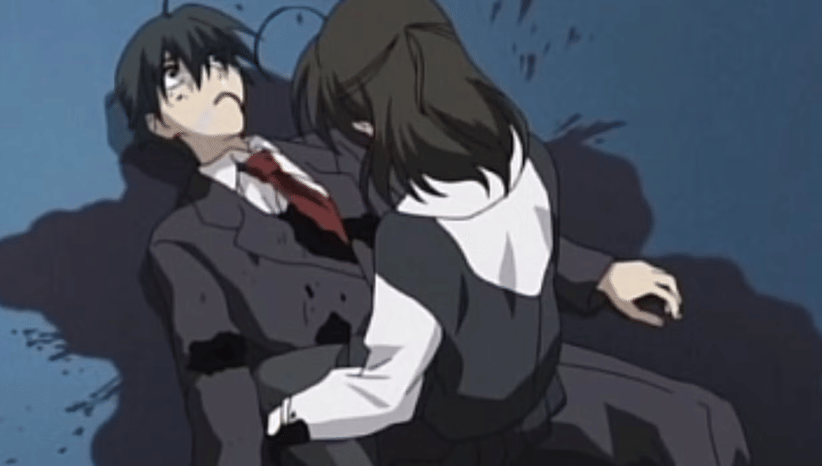
Released in 2007 and adapted from a visual novel, School Days quickly became a hot topic due to its dark storyline filled with violence. The series was criticized for disrespecting and offending its female characters.
The controversy peaked when a horrifying real-life murder occurred just days before the final episode aired. This eerie coincidence led most Japanese TV networks to immediately remove the anime from their schedules, making School Days one of the biggest media scandals in anime history.
2. Elfen Lied (Early 2000s)

Elfen Lied faced harsh criticism for its unfiltered and excessive violence, especially at a time when early 2000s anime were not accustomed to such heavy content.
The story features Lucy, a genetically modified being with a ruthless instinct who frequently tortures and kills humans in graphic scenes. This raw and relentless portrayal of violence made Elfen Lied difficult for many mainstream viewers to accept.
3. Berserk
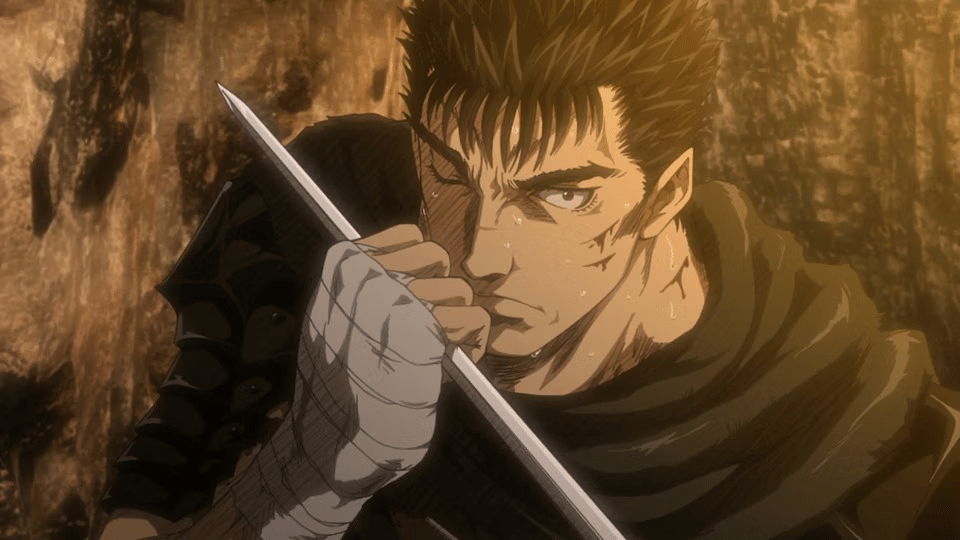
Recognized as one of the most popular dark fantasy series, Berserk follows Guts’ tragic and bloody quest for revenge. Despite its acclaim, it remains controversial for its extreme darkness.
Many Western viewers approached Berserk due to its reputation but dropped it after the first three episodes because of its grim atmosphere, sexual violence, and despair. Berserk pushes viewers’ limits, causing many to stop watching.
4. Goblin Slayer
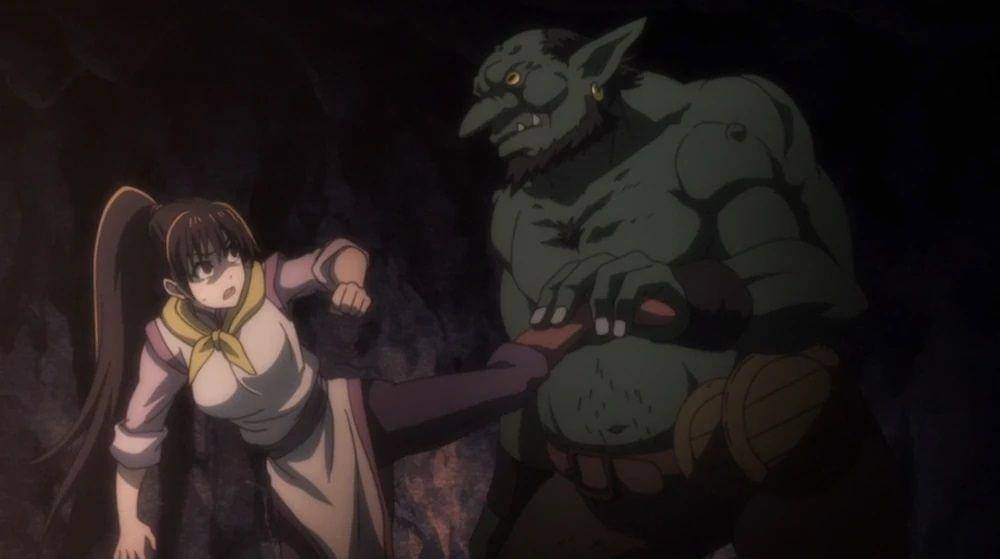
From the very first minutes, Goblin Slayer sparked outrage in the community. The premiere episode depicts a group of rookie adventurers entering a goblin lair, only to be brutally attacked and slaughtered by goblins. Only a female cleric survives, saved by the main character’s arrival. The graphic violence of these attack scenes angered many viewers and triggered strong backlash.
5. Mushoku Tensei: Jobless Reincarnation
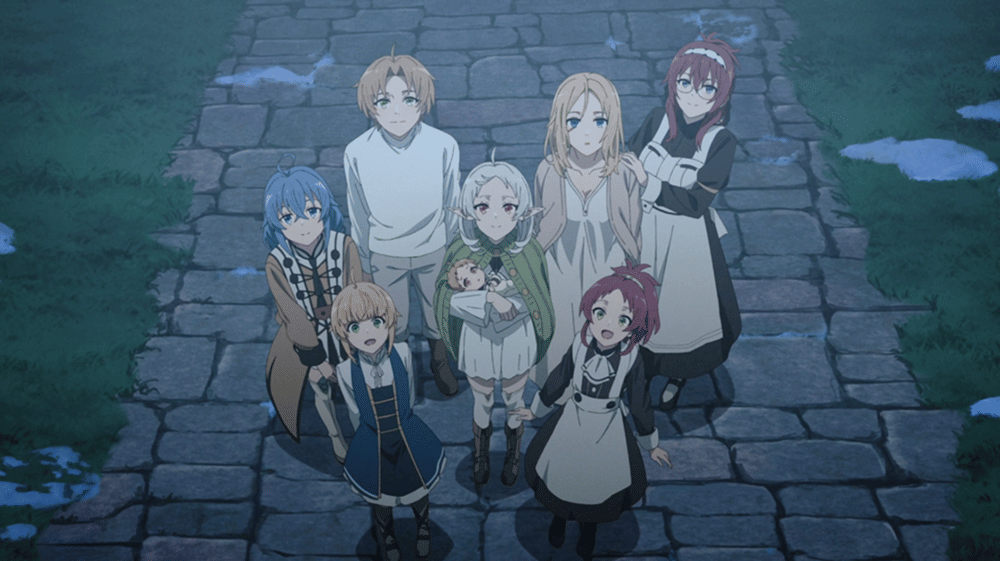
Mushoku Tensei is one of the most successful and highly rated isekai series. However, it faced ethical concerns because the main character, Rudy, has the body of a teenager but the mind of a 30-year-old man. This created discomfort and unease as he forms romantic relationships with underage female characters in the new world.
6. Record of Ragnarok
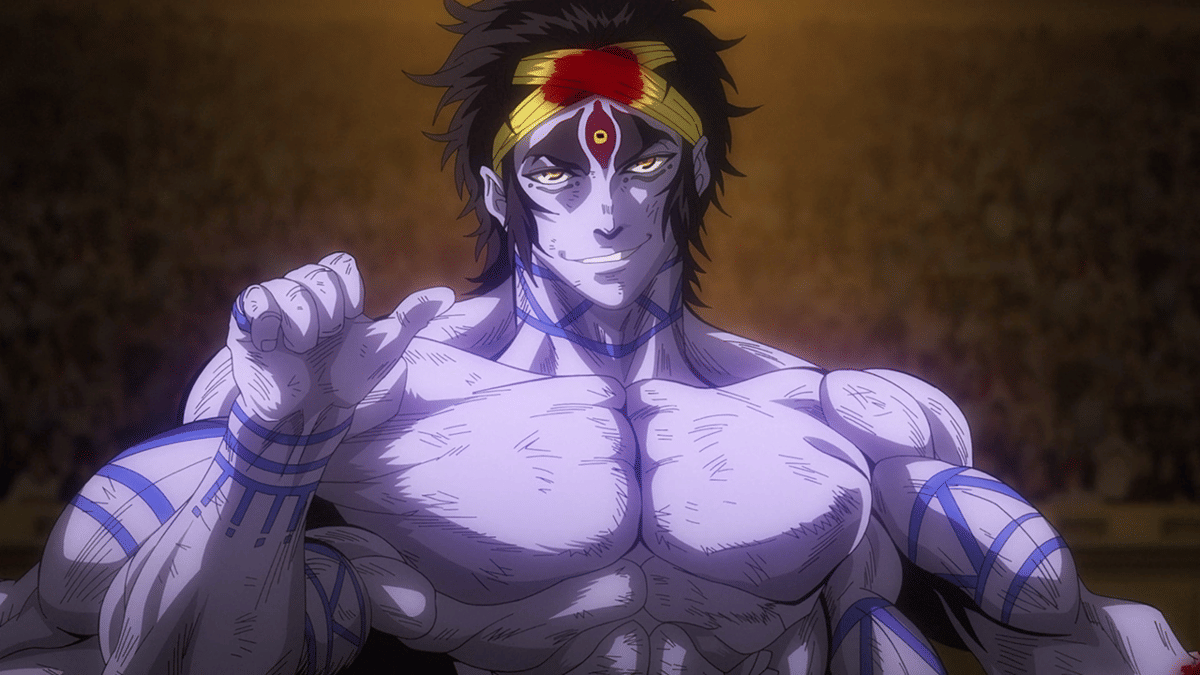
Netflix’s original series Record of Ragnarok stirred global controversy with its theme of battles between gods and humans. However, it was banned in India for religious reasons.
Hindu followers felt the portrayal of Hindu gods, especially Shiva, was inappropriate and offensive to their beliefs. As a result, Record of Ragnarok was quickly removed from platforms in India.
7. Death Note
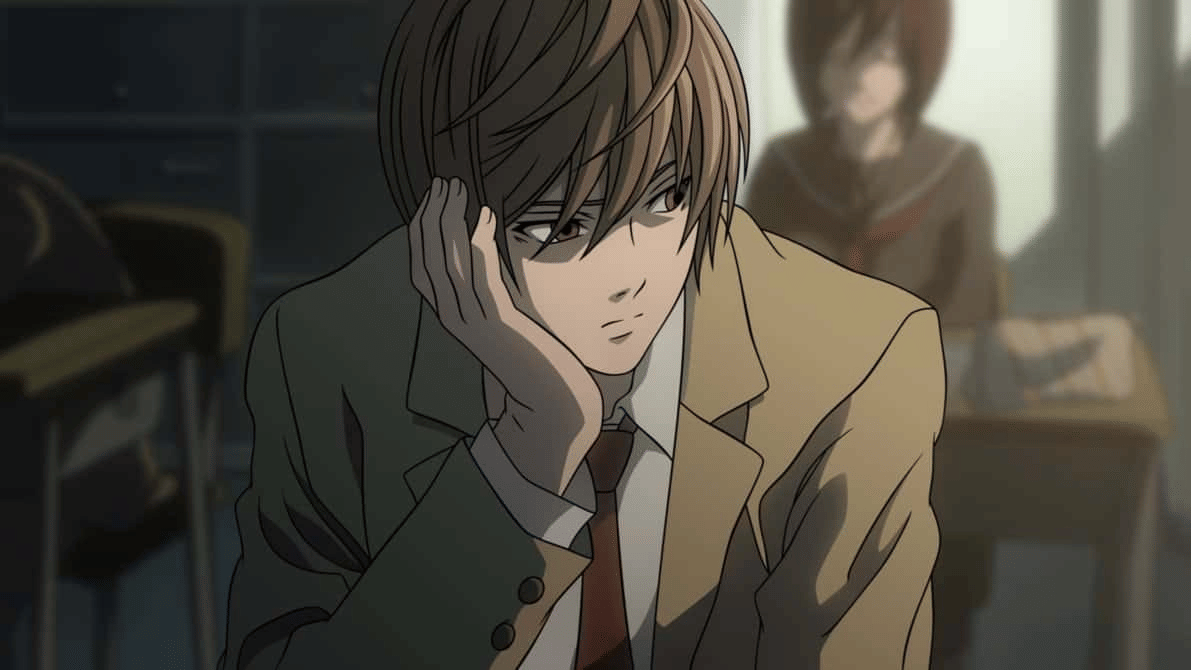
Known as one of the best dark and mysterious series ever, Death Note has sparked controversy in the US. Many parents were upset, believing its dark themes were inappropriate for children and teens. More seriously, some students began bringing copies of the Death Note notebook to school and writing down names of people they disliked, raising concerns about school safety and psychology.
8. Hetalia: Axis Powers

Hetalia: Axis Powers takes a unique approach by personifying countries involved in World War II as anime characters. While this can be seen as clever or humorous, World War II remains an extremely sensitive topic. Many countries have not fully healed from the war’s aftermath. Additionally, inaccurate political portrayals led to heavy criticism and condemnation of Hetalia.