


The limitless potential of anime allows it to tell countless stories. From gentle classics like My Neighbor Totoro to intense war dramas like Princess Mononoke, there is no genre anime can’t explore. Surprisingly, anime can become as dark and grim as any live-action film.
Many animated films have pushed boundaries beyond what most live-action movies dare to show, delivering cinematic stories so intense they can deeply affect and even traumatize fans. While the darkest stories often carry meaningful messages, some anime are so bleak that watching them a second time feels impossible.
1. Grave of the Fireflies (1988)
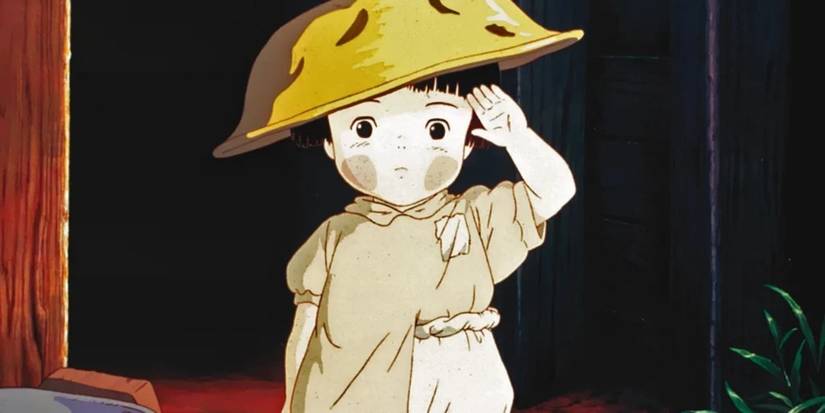
Directed by Isao Takahata, Grave of the Fireflies is a historical tragedy based on Akiyuki Nosaka’s semi-autobiographical story. Known as Studio Ghibli’s darkest film, it chronicles the harrowing experience of orphaned siblings Seita and Setsuko during World War II.
The film does not shy away from showing the devastation of war on civilians, portraying death and decay unflinchingly.
Its bleakness peaks with the constant looming threat of death over the characters. Viewers know Seita and his sister will ultimately perish, making the viewing experience heart-wrenching. This shocking masterpiece captures the brutal reality of WWII and the mercilessness faced even by children. No anime fan can watch it twice, one viewing is enough to etch the story permanently into their minds.
2. Perfect Blue (1997)
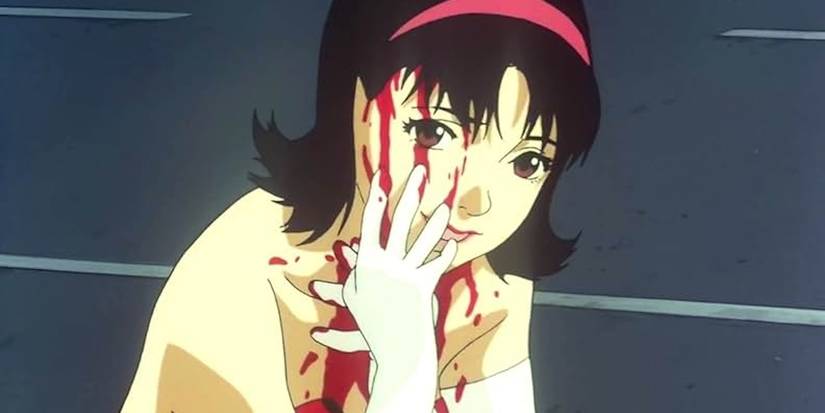
Directed by Satoshi Kon, Perfect Blue follows Mima Kirigoe, a young woman who leaves her pop idol career to become an actress. Things seem promising until a stalker obsessed with her idol persona appears, and her acting career spirals into turmoil.
What makes Perfect Blue so dark is not just the stalker or the murders, but the psychological trauma Mima endures. This is vividly shown in a shocking scene where the character she plays is sexually assaulted. Though it’s acting, the moment breaks Mima emotionally. This marks the start of her mental unraveling, with such detailed depiction that viewers feel deeply unsettled.
3. Belladonna of Sadness (1973)
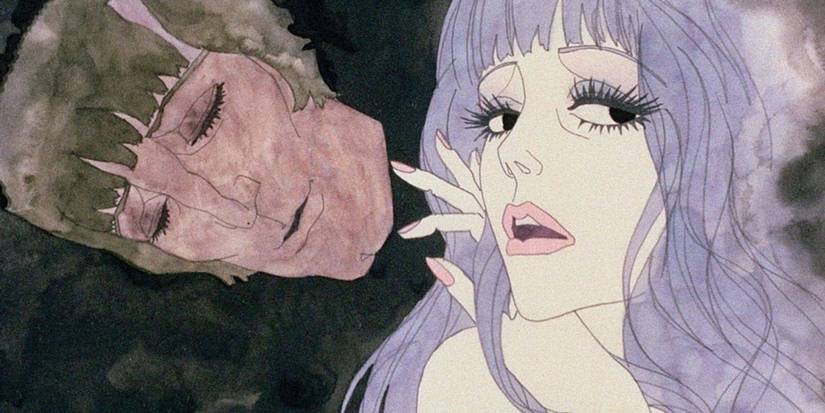
Belladonna of Sadness is a 1973 avant-garde film that uniquely tells its haunting story through stunning watercolor art and psychedelic imagery, capturing the tragic life of Jeanne. Set in medieval France, Jeanne is brutally attacked and sexually abused by a local lord and his castle within the first ten minutes.
The visuals after this violent assault convey Jeanne’s pain and horror more powerfully than typical animation. As the story unfolds, Jeanne gradually loses control over her body despite her efforts to build inner strength. Though she eventually regains power and takes revenge, the ending remains bitter rather than sweet.
4. In This Corner of the World (2016)
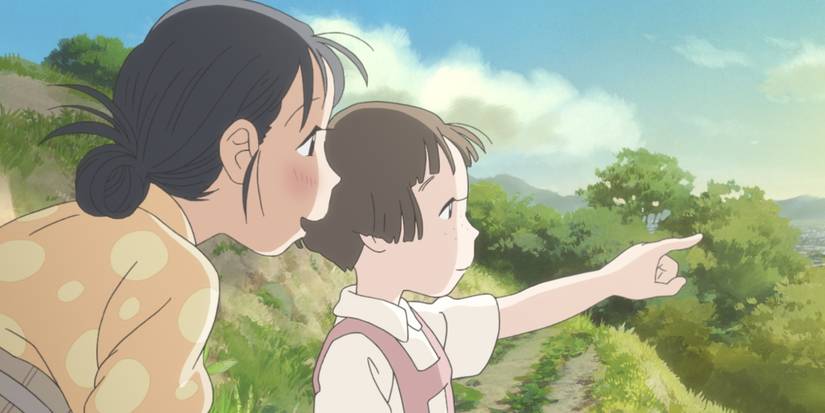
In This Corner of the World is an award-winning historical film based on Fumiyo Kouno’s manga. The protagonist, Suzu Urano, is a young woman living through World War II. The film follows her life as she moves to a new family, but the inevitable horrors of war soon strike.
Its gentle colors and simple lines evoke the warmth of a classic Studio Ghibli film. Yet this charming style contrasts with the horrifying images after bombs fall around Suzu and her family. Like many during WWII, Suzu suffers heartbreaking loss. Her grief and terror are vividly portrayed, leaving lasting impressions on viewers.
5. Seoul Station (2016)
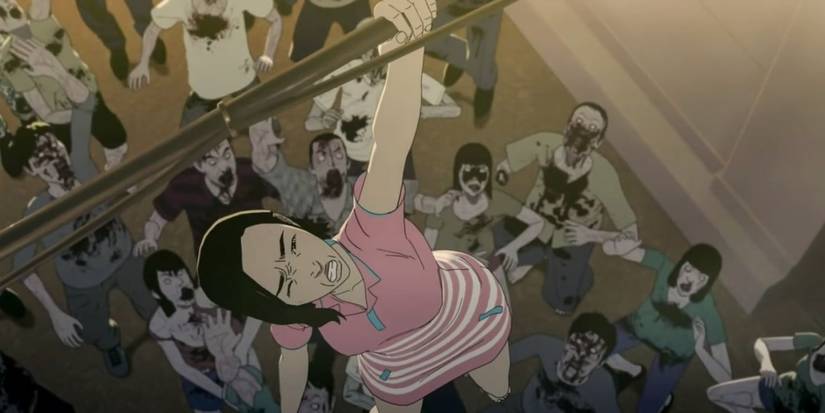
Seoul Station is the animated prequel to the famous Korean zombie film Train to Busan. It follows a man named Suk-Gyu as he searches for his daughter Hye-Sun amid chaos. Both films are directed by Yeon Sang-ho, but Seoul Station reveals a darker, greedier, and more brutal side of human nature.
Unlike Train to Busan, Seoul Station offers no heroic sacrifices or hopeful moments. At its core, it’s a story of survival at any cost, with little to restore faith in humanity. Viewers spend much of the film hoping Suk-Gyu and Hye-Sun will reunite, only to be hit by a devastating truth. Its shocking ending delivers a soul-crushing experience that only needs to be witnessed once.