


Shizuka is a standout character in Doraemon, beloved for her gentle nature, intelligence, kindness, and caring attitude. Yet, interestingly, despite these admirable qualities, she has her share of antifans. This isn’t because she lacks character or makes mistakes, but mostly due to natural audience perceptions and how her character is portrayed in the story.
One key reason is that Shizuka is often shown with many outstanding traits. She’s a good student, calm, talented in the arts, and always kind to her friends. To some viewers, this image can feel like she’s a “perfect girl,” though in reality, her perfection is balanced enough to make her appealing. When a character is built to stand out, it’s natural for some people to focus on small details and feel that Shizuka is too exemplary compared to others, which makes her seem “different” to the audience. This is understandable in a school setting where everyone has their own views about classmates.
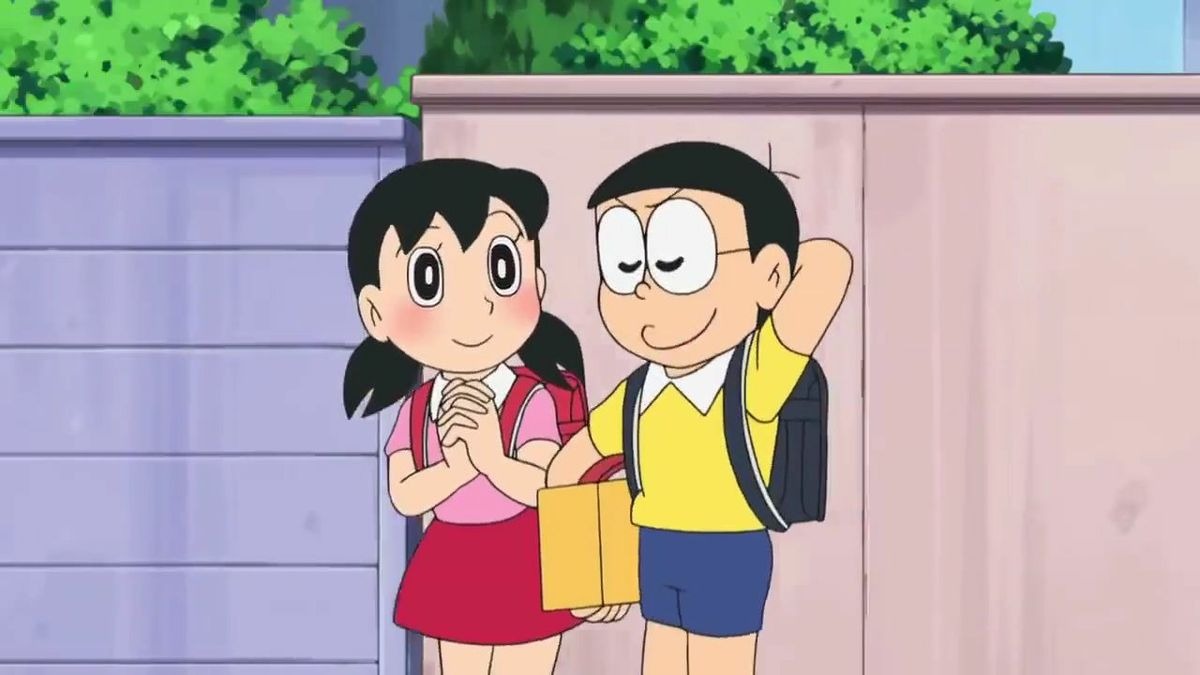
Another factor is Shizuka’s relationship with Nobita and their friends. She always treats Nobita gently, patiently, and is ready to help him. In many situations, Shizuka is the one who reminds, guides, or supports Nobita through difficulties. While this shows kindness and maturity, some readers notice the contrast between clumsy Nobita and calm Shizuka, leading to the impression that she “stands out more” or has it “easier.” This isn’t favoritism or a flaw, but a storytelling technique to highlight each character’s personality through contrast.
Additionally, Shizuka has personal interests and passions, especially in art and painting. She often spends time drawing and exploring her inner world. This shows her depth and independence. However, some readers might not be used to a female character expressing her own passions while staying gentle and sociable. These observations sometimes lead to comments that Shizuka is “quite reserved” or “hard to read,” though this is more curiosity than dislike.
Another point is how Shizuka appears in the story. She often takes center stage in many scenes: helping friends, solving problems, or participating in activities. This makes her stand out among classmates but also gives the audience a clearer view of the differences in personality and abilities among the characters. When a character is this prominent, audience reactions vary from admiration to close scrutiny and occasional comparisons. This is completely natural and doesn’t imply any bias or negative jealousy.
It’s important to emphasize that having antifans doesn’t diminish Shizuka’s value or appeal. On the contrary, it reflects the lively and relatable way her character is developed. A character who attracts attention, is loved, and sometimes gently criticized is a living, breathing character, much like real people who have both praised qualities and traits that invite closer observation. Shizuka’s antifans often represent subtle reactions based on personal preferences or different perspectives, not hatred for negative reasons.
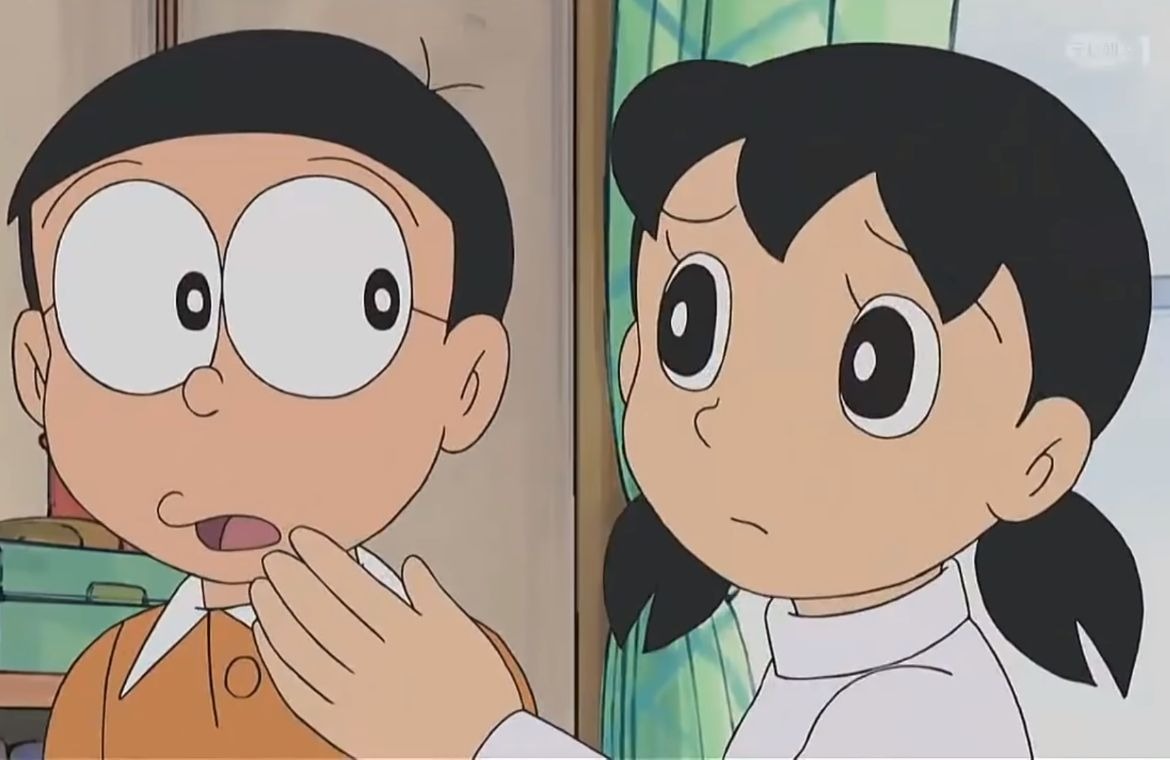
In summary, Shizuka is a sweet, kind, intelligent girl who cares for her friends, has a passion for art, and maintains her independence. Still, she has antifans mainly because she stands out, has many strengths, and often takes center stage in the story. These reactions are natural ways audiences engage with characters and prove Shizuka’s lasting presence in readers’ hearts. Being noticed, compared, or closely examined doesn’t lessen her value but confirms she is a relatable, vivid, and memorable character.