


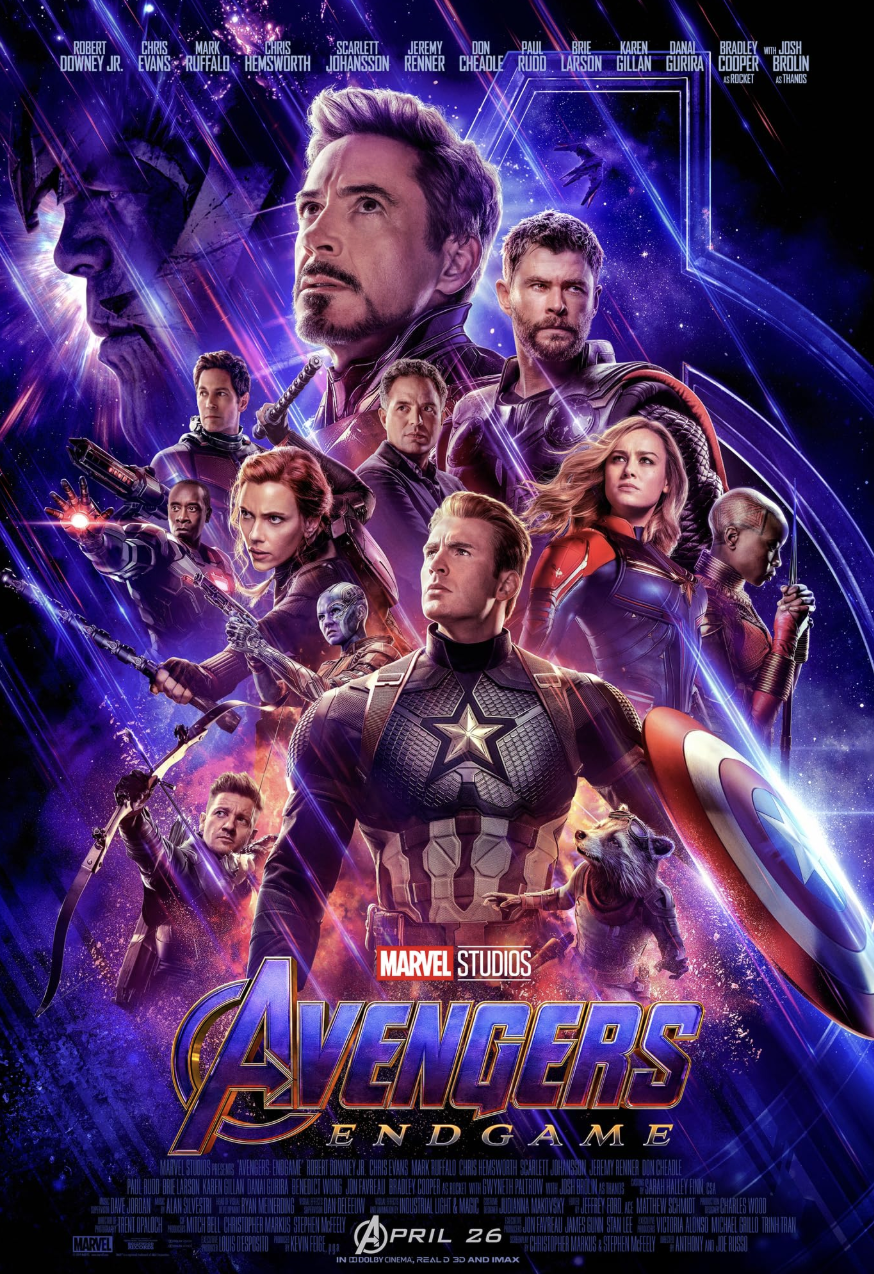
The truth is hard to accept but undeniable: since Avengers: Endgame, the Marvel Cinematic Universe has yet to reclaim the dazzling glory that once captivated the world. The 2019 film not only ended the battle with Thanos but also closed the golden era of the MCU, a time when nearly every new project was celebrated as a global pop culture event.
Marvel Studios has spent years rebuilding its empire. However, as icons like Iron Man, Captain America, and Black Widow have exited the stage, no one has yet filled the void they left behind. New faces such as Yelena Belova, Moon Knight, Ms. Marvel, Echo, and Shang-Chi each hold unique potential, but none have reached the level of influence needed to become the next cornerstone of the cinematic universe.
The ambition to expand into the Multiverse has exposed many weaknesses in the MCU. Dozens of new characters and storylines keep appearing but lack strong connections, making it difficult for audiences to feel the same attachment as during the Infinity Saga. Many projects feel abandoned, like scattered puzzle pieces that fail to form a cohesive narrative.
As Marvel rushes to prepare two blockbuster Avengers films, Doomsday and Secret Wars, Spider-Man stands out as the most valuable and reliable asset. Unlike many other superheroes, Spider-Man has always proven he can stand strong on his own brand, even without the Avengers. Following the iconic versions by Tobey Maguire and Andrew Garfield under Sony, Tom Holland has made Spider-Man a defining young face of the MCU. The Homecoming trilogy, especially No Way Home, not only helped the character mature but also served as a perfect bridge between Spider-Man generations and opened the door to the multiverse era.
That’s why Spider-Man: Brand New Day is more than just Tom Holland’s fourth Spider-Man film. It’s a project that could shape the MCU’s future direction and is expected to be a key link leading audiences to Avengers: Doomsday, Avengers: Secret Wars, and eventually the official introduction of the X-Men into the Marvel Cinematic Universe.
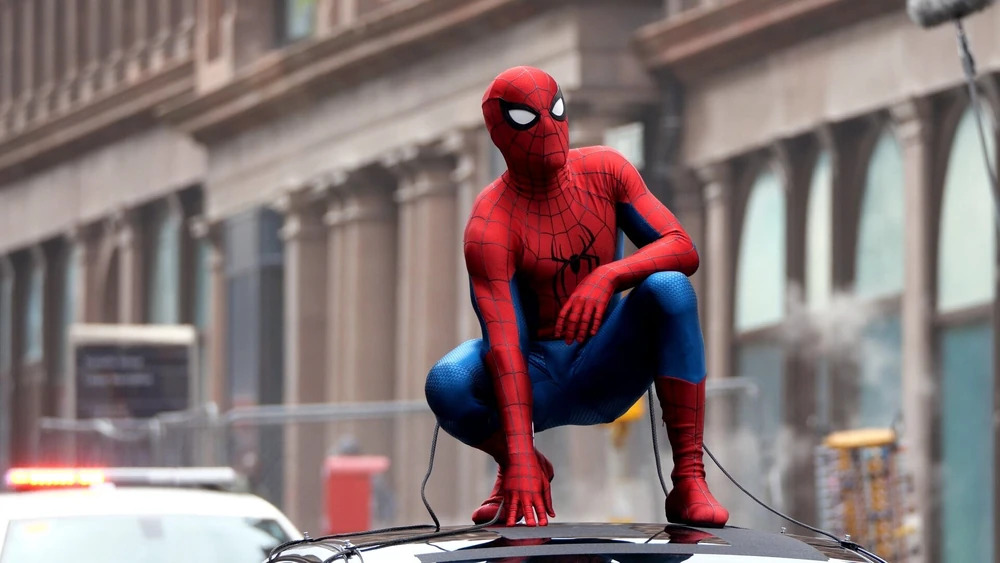
Set after the events of Spider-Man: No Way Home, where the world has forgotten Peter Parker, Spider-Man: Brand New Day opens a completely new chapter in the young hero’s life. Alongside Peter Parker (Tom Holland), the film marks the return of MJ (Zendaya), Ned Leeds (Jacob Batalon), and Happy Hogan (Jon Favreau). Notably, Frank Castle (Jon Bernthal) makes his official MCU big-screen debut, promising a rare gritty tone for the Spider-Man series.
The film also brings together Bruce Banner (Mark Ruffalo), Mac Gargan (Michael Mando), and newcomer Sadie Sink in roles Marvel Studios has kept tightly under wraps. Their presence raises expectations that Brand New Day is not just about Peter’s next phase of growth but also a crucial piece in expanding the MCU’s post-Endgame world.
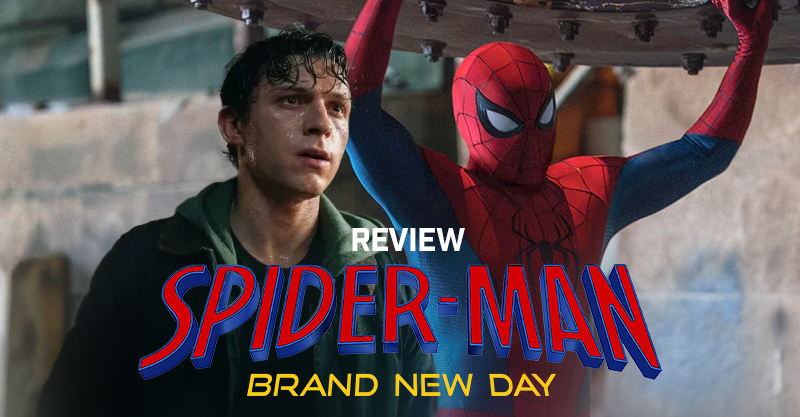
Well-Handled Story and Sensory Visual Effects
Perhaps the greatest success of Spider-Man: Brand New Day is that it doesn’t erase the legacy of No Way Home. All of Peter Parker’s pain and loss return: the death of Aunt May, MJ and Ned forgetting him, and the emptiness of a world that no longer knows who he is. Marvel doesn’t treat these as old baggage to be tucked away for a fresh start. Instead, these wounds become the film’s emotional core.
This time, Peter doesn’t face an overwhelmingly powerful enemy forcing him to upgrade his abilities, as is typical in superhero films. His greatest enemy is himself. When his spider instincts overpower his reason, the line between human and monster blurs. Every loss of control pulls Peter further from his humanity. Thus, Brand New Day’s conflict isn’t about defeating someone else but about reclaiming and rediscovering himself. This approach makes the film stand out as more mature than the previous three installments.
The script maintains a rare continuity for the post-Endgame era. Every plot point stems from previous events, never appearing randomly just to serve an action scene or shocking twist. Marvel has cut out the patchwork feeling of rushed storytelling. Instead, the story knows when to pause, letting Peter breathe, experience solitude, physical and emotional pain, and healing before donning the Spider-Man suit again.

Visually, director Destin Daniel Cretton continues to showcase the strengths he demonstrated with Shang-Chi. The web-swinging through bustling Manhattan, tense battles with Hulk and Jean Grey all have blockbuster scale. Yet Cretton avoids letting effects overshadow emotion. The camera stays close to Peter, making every impact and loss of control feel immediate and intense. Wide shots emphasize Peter’s smallness and loneliness amid New York’s chaos. Flexible camera angles offer diverse perspectives, while sound design enhances emotional peaks and close combat scenes.
Sadie Sink’s Stunning Debut and X-Men Potential
The biggest surprise comes from Sadie Sink. In her first portrayal of Jean Grey, the young actress doesn’t need much screen time to establish the presence of one of cinema’s most iconic mutants. Marvel wisely avoids making her the center of attention right away. Jean Grey is positioned as a vital piece of today’s story and a promise for the X-Men’s future. Sadie Sink delivers a portrayal of Jean that is both fragile and powerfully unpredictable. Even brief scenes leave audiences eager for the MCU’s full introduction of mutants.

Sadie Sink brings a fresh Gen Z energy to the Spider-Man brand. Her character’s true identity is one of Sony’s most closely guarded secrets, but it’s not hard to guess even for casual comic fans. With Marvel openly confirming Spider-Man will cross paths with the X-Men in Avengers: Doomsday, her appearance is essentially a revealed secret.
Sink delivers a strong performance, occasionally reminding viewers of her Stranger Things role but clearly showing significant growth as an actress. She gets space to express the emotional depth of a mutant who lost her family, feels isolated, and struggles to understand herself. Jean Grey’s role here feels like Sink’s cinematic debut, with Brand New Day proving she is a formidable acting talent.
Brand New Day also explores aspects of Jean Grey never seen in the X-Men universe built by Fox. In the comics and Fox’s films, Jean is one of the most powerful mutants, with telepathy and telekinesis that let her read and manipulate minds, create illusions, erase or implant memories, and move massive objects with thought. When bonded with the cosmic Phoenix Force, she becomes nearly godlike, capable of planetary destruction and bending life and death itself. Jean Grey has long been considered one of Marvel’s strongest characters.
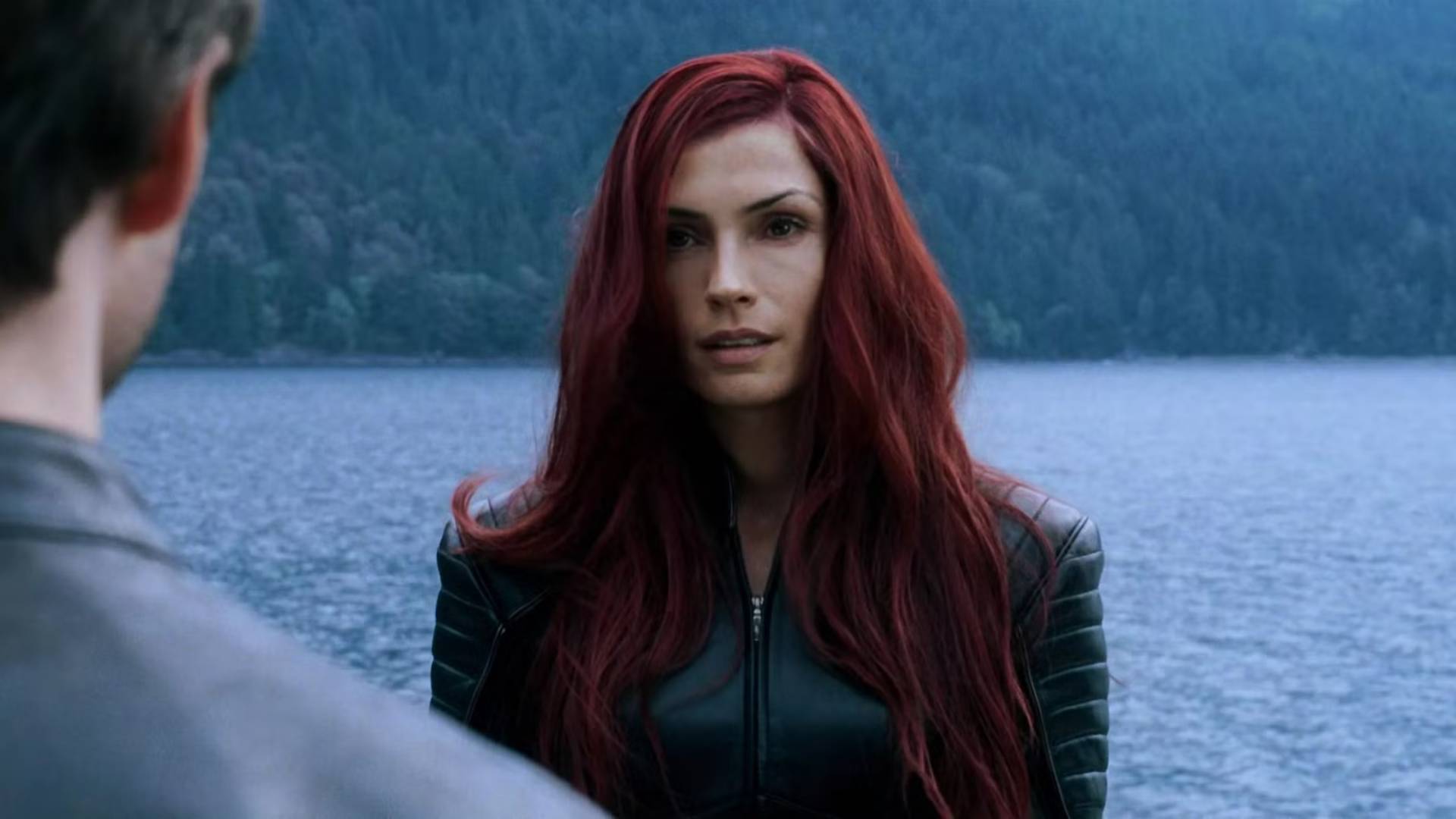
On the big screen, Fox often highlighted her overwhelming power. From X-Men: The Last Stand to Dark Phoenix, Jean Grey appeared as an unstoppable force, able to defeat Omega-level mutants in moments. Sadie Sink’s Jean Grey retains formidable telepathic abilities but with clearer limits. Using her powers causes physical and mental strain, her mind control isn’t absolute, as some resist or escape her influence. Instead of a godlike figure who solves everything with thought, the film portrays Jean as a young mutant still learning to live with her immense power.
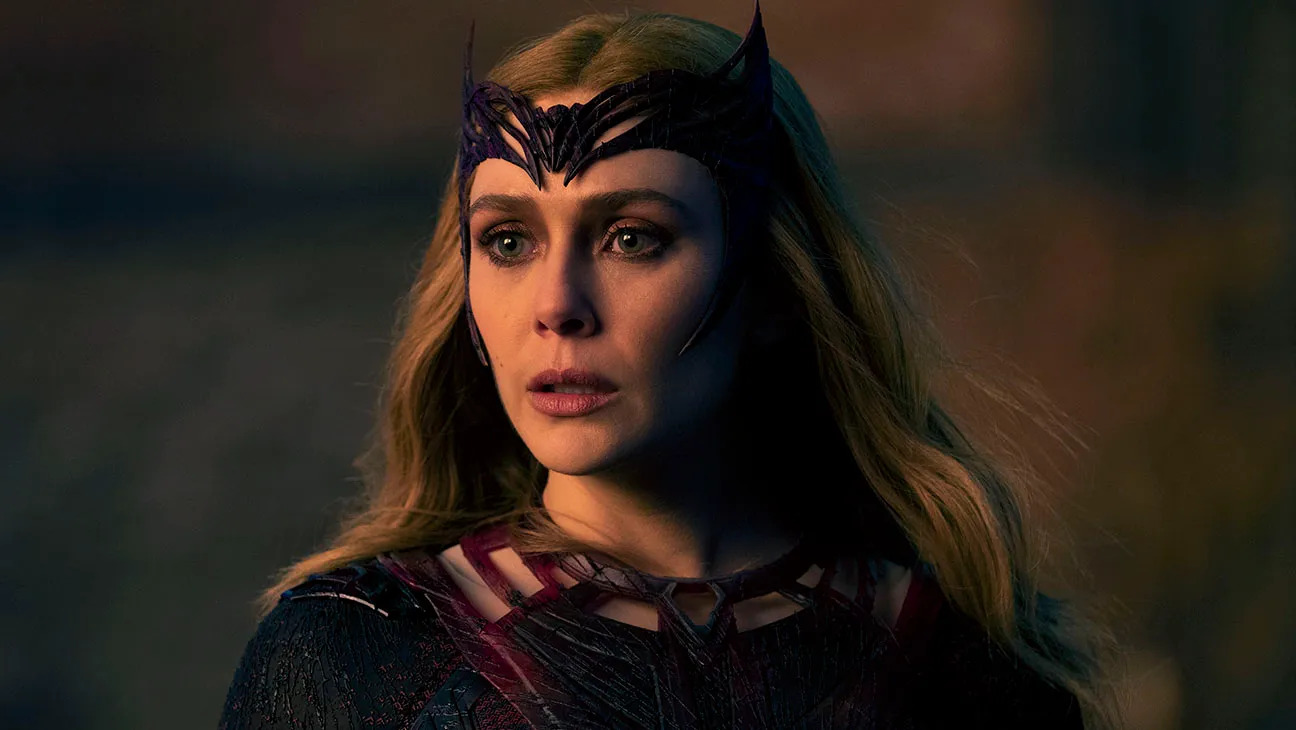
Over the years, Marvel has often chosen to “nerf” overpowered characters to maintain balance in the cinematic universe. Wanda Maximoff is a prime example: while in comics she can manipulate reality almost infinitely, the MCU version faces clear limits or pays a heavy price when using Chaos Magic. This restraint doesn’t make characters less interesting, it opens room for future development. When a superhero has weaknesses, audiences truly feel the tension and stakes in every battle.
Solid Performances: What More Can You Ask from a Superhero Blockbuster?
After four outings as Spider-Man, Tom Holland finally gets the role he deserved years ago. The first three films turned Peter Parker into a juggling machine amid sky-high action, cutting off emotional moments with jokes. Brand New Day forces Peter to live with loneliness, letting silence replace constant web-slinging. These quiet moments are Holland’s real stage.
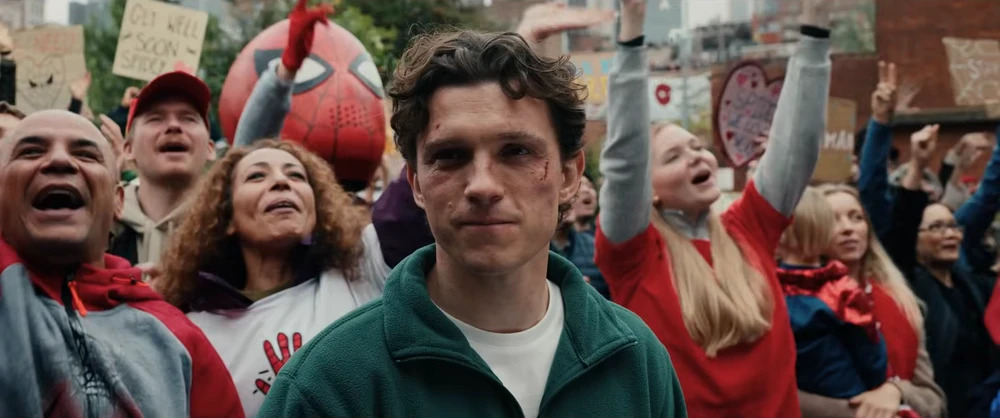
Holland has often been labeled a safe choice, charming but lacking depth, even mocked as a “decorative figure” in his own franchise. Brand New Day nearly erases that stigma. He doesn’t try to make Peter edgier, he simply shows him tired, helpless, and empty. A sad glance at MJ, hesitant words, or a lonely figure in a messy apartment tells a story the previous films never let him explore. It’s no surprise this is Holland’s best performance since joining the MCU.
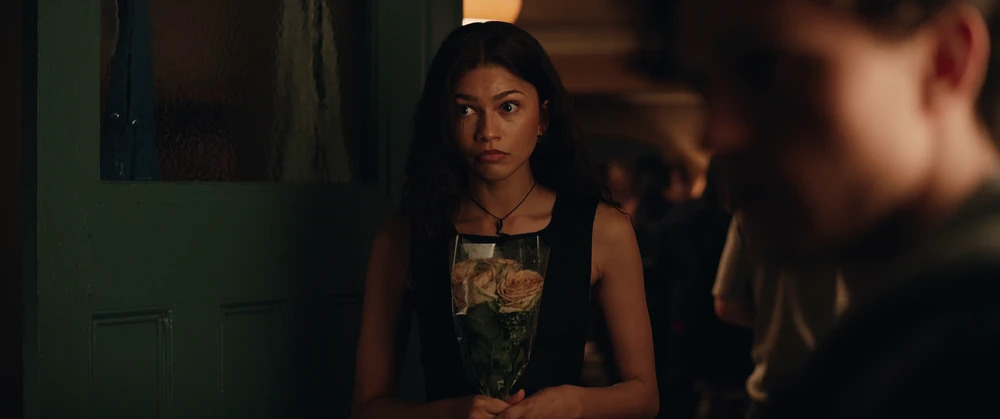
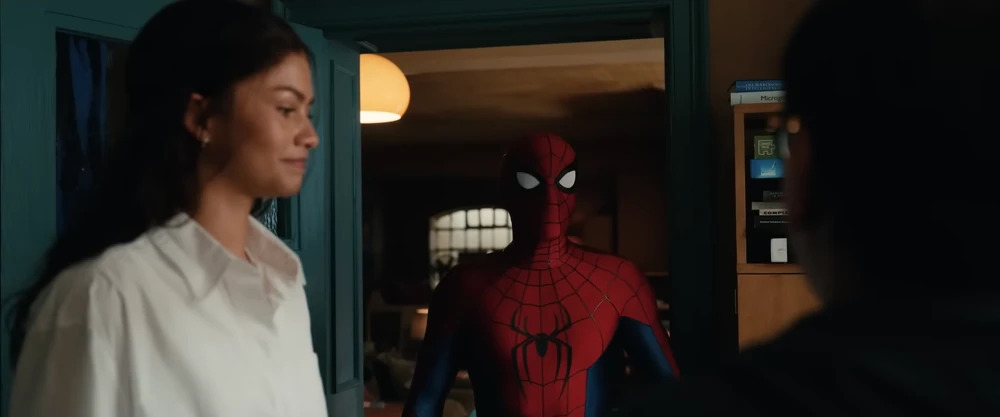
Zendaya benefits from this script approach as well. She no longer carries the role of the smart girlfriend constantly supporting Peter. Her character has more breathing room, fewer lines, but leaves a stronger impression. The chemistry between her and Holland remains a Spider-Man trademark, natural enough to convince audiences they aren’t acting but genuinely in love.
Sadie Sink is definitely not here just for star power. Among a cast familiar to MCU fans, she delivers the strongest performance. Jon Bernthal embodies Punisher perfectly: quiet, rough, and tough, yet with a hidden warmth. Jacob Batalon continues to lighten the mood with just enough humor. No one steals the spotlight or feels unnecessary.
And that’s enough. Spider-Man: Brand New Day doesn’t feature Oscar-worthy transformations, nor does it need to. The cast fulfills their roles, bringing believable characters that make audiences laugh, choke up, and hold their breath during action. For a pure superhero blockbuster, that’s more than enough. Criticism of Holland or Zendaya’s acting has lingered for years, but after this film, it’s time to put those aside. The issue was never the actors but whether they had a script worthy of their talents. Brand New Day finally delivers that.
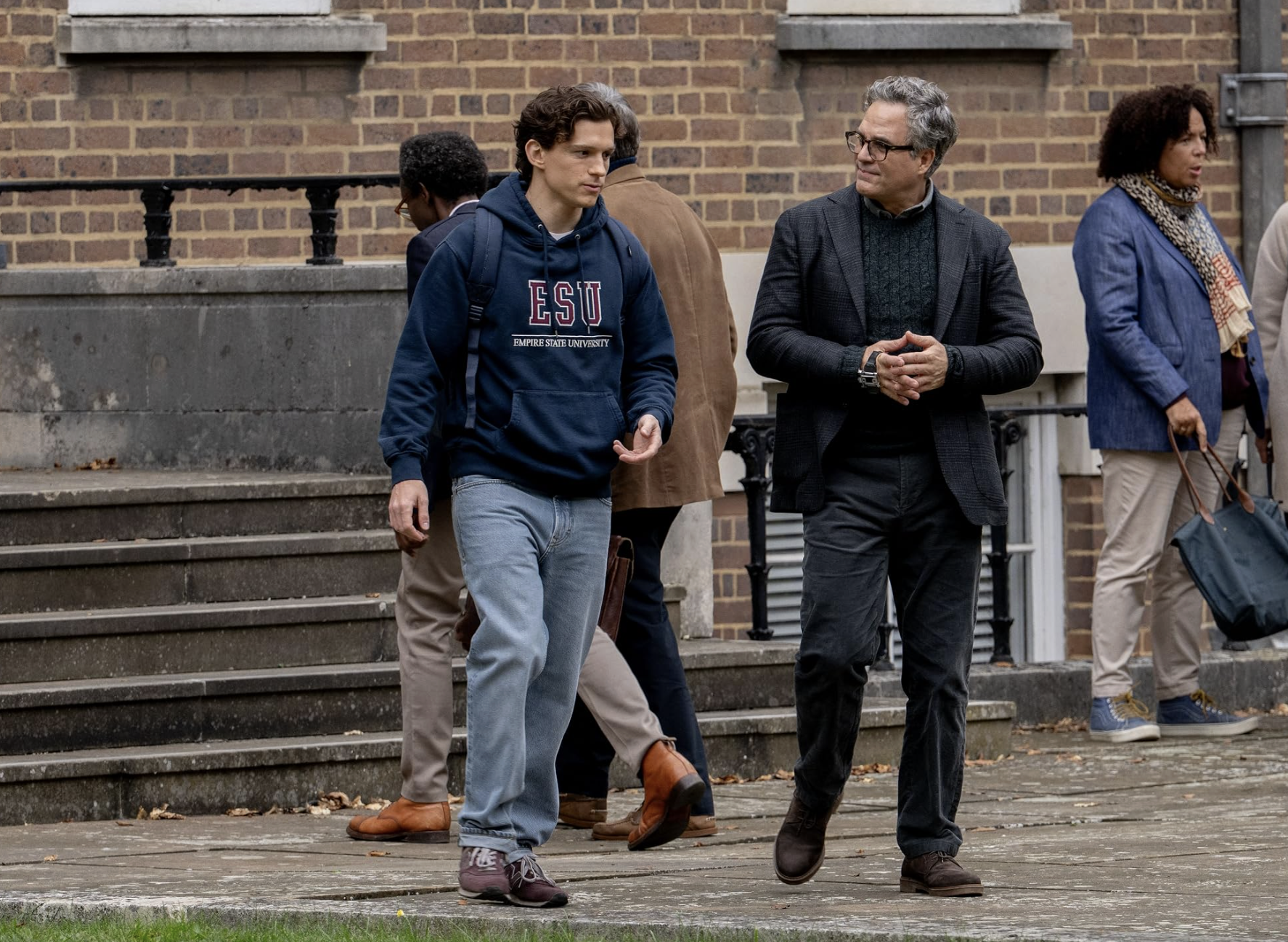
However, if there’s one weak link, it might be Bruce Banner/Hulk played by Mark Ruffalo. Hulk exemplifies the MCU’s cameo problem. Ruffalo appears, fights briefly, offers some advice, then disappears without leaving much impact. The relationship between Banner and Peter could have been an interesting anchor, as both struggle with their inner monsters. But the film only lightly touches this idea before quickly moving on. It feels like Banner is there more to remind viewers this is still an MCU film than to serve Peter’s journey.
Brand New Day Is a Bridge, Not a Defining Chapter
The toughest challenge for Spider-Man: Brand New Day is that from the start, the film’s fate was set, it couldn’t just tell Peter Parker’s story alone. After the historic twist in No Way Home, Marvel needed a film that patched up loose ends, opened the door for the X-Men, and laid tracks for Avengers: Doomsday. As a result, Brand New Day often feels like a transit station, not a destination. It spends a lot of time preparing for the future, sometimes leaving the present feeling incomplete.
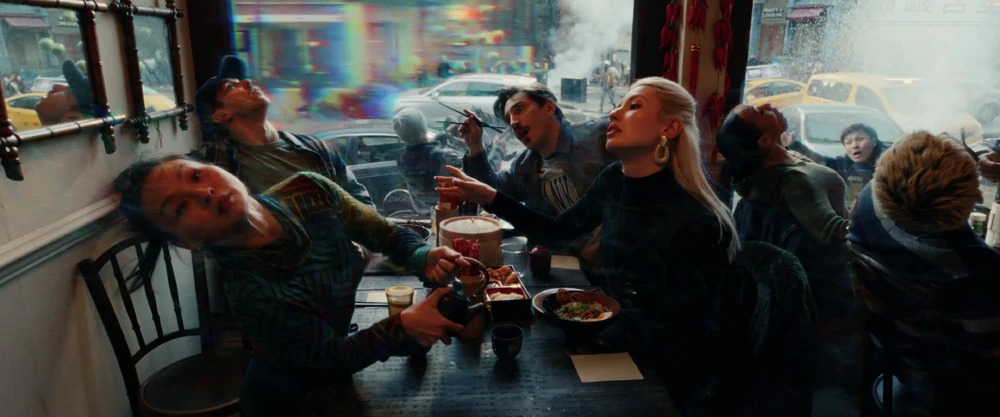
On the upside, Marvel has learned from the post-Endgame era. The multiverse remains but no longer swallows everything whole. Cameos appear just enough, CGI scenes stop screaming for attention. The focus finally returns to where audiences want it: Peter Parker. A seemingly obvious choice, but one the MCU took years to rediscover.
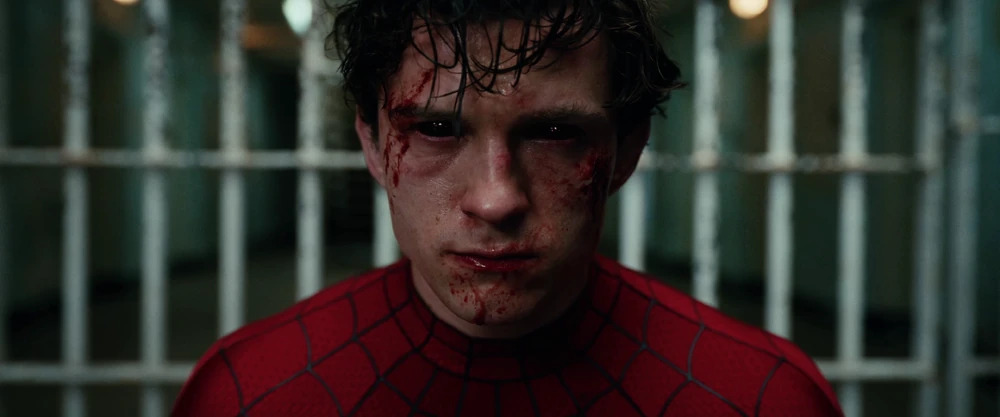
So, Brand New Day wasn’t born to be a breakthrough but to bring Spider-Man back on track. It takes time for Peter to grow, for Spider-Man to live as a person before continuing as a hero. The pacing can feel heavy at times, and some ideas remain hints, but overall the story is cohesive enough to convince audiences that Marvel has found its compass again after wandering through countless timelines.
It’s hard to compare Brand New Day with milestones like Spider-Man 2, Into the Spider-Verse, or No Way Home. The film doesn’t create an iconic moment that changes how audiences see Spider-Man, nor does it feature a memorable villain. But that’s not Marvel’s goal right now. Brand New Day isn’t a spectacular comeback, but at least it restores audience trust. After many controversial projects, Marvel finally makes fans excited for the next chapter because of the story itself, not just a post-credit scene.
Rating: 4.5/5
Spider-Man: Brand New Day clearly isn’t the revolution the MCU needs. It’s not a second Endgame, nor a grand rebirth that makes the world stop and look back. But perhaps Marvel doesn’t need a big explosion right now. What they need is a step in the right direction, and Peter Parker’s film achieves that.
After years of wandering through countless timelines, new characters, and decades-long plans, Brand New Day finally remembers the simplest formula for a superhero movie: audiences care about the person in the suit before they care which universe he’s from. Peter Parker remains popular not because he’s one of the strongest in the MCU, but because, after everything, he’s just a young man trying to stand up after loss.
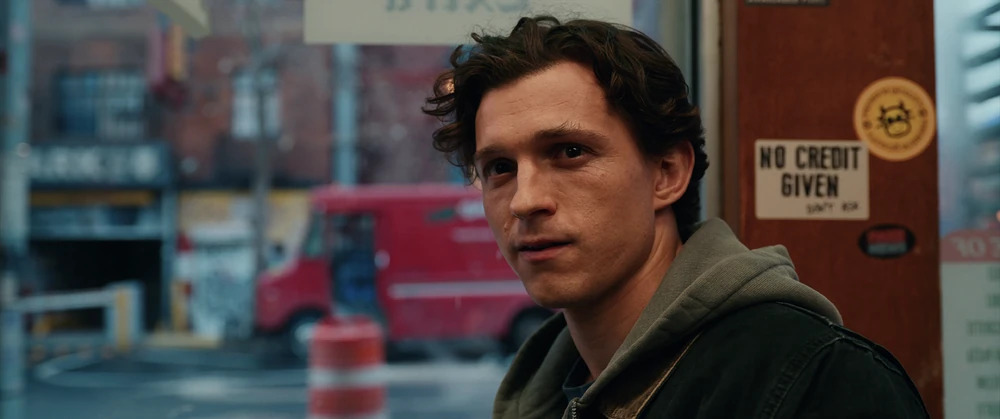
The film may not leave a moment fans will cherish for years, but at least it no longer feels like Marvel is making movies just to lead into the next Spider-Man. Brand New Day remains a vital link in the massive MCU machine, but this time, that link has a story, emotion, and a reason to exist.
Ultimately, an opening chapter doesn’t have to be the best. It just needs to make audiences want to turn the page. With Spider-Man: Brand New Day, Marvel hasn’t regained the Infinity Saga’s shine yet, but at least it has found the first light after years of struggling in the post-Endgame shadows.