


Director Scott Derrickson and screenwriter C. Robert Cargill reunite for Black Phone 2, using innovative yet nostalgic filming techniques. The movie promises a fresh cinematic experience with an unprecedented haunting atmosphere.
+1 Missed Call From Hell: The Blake Brothers’ Nightmare
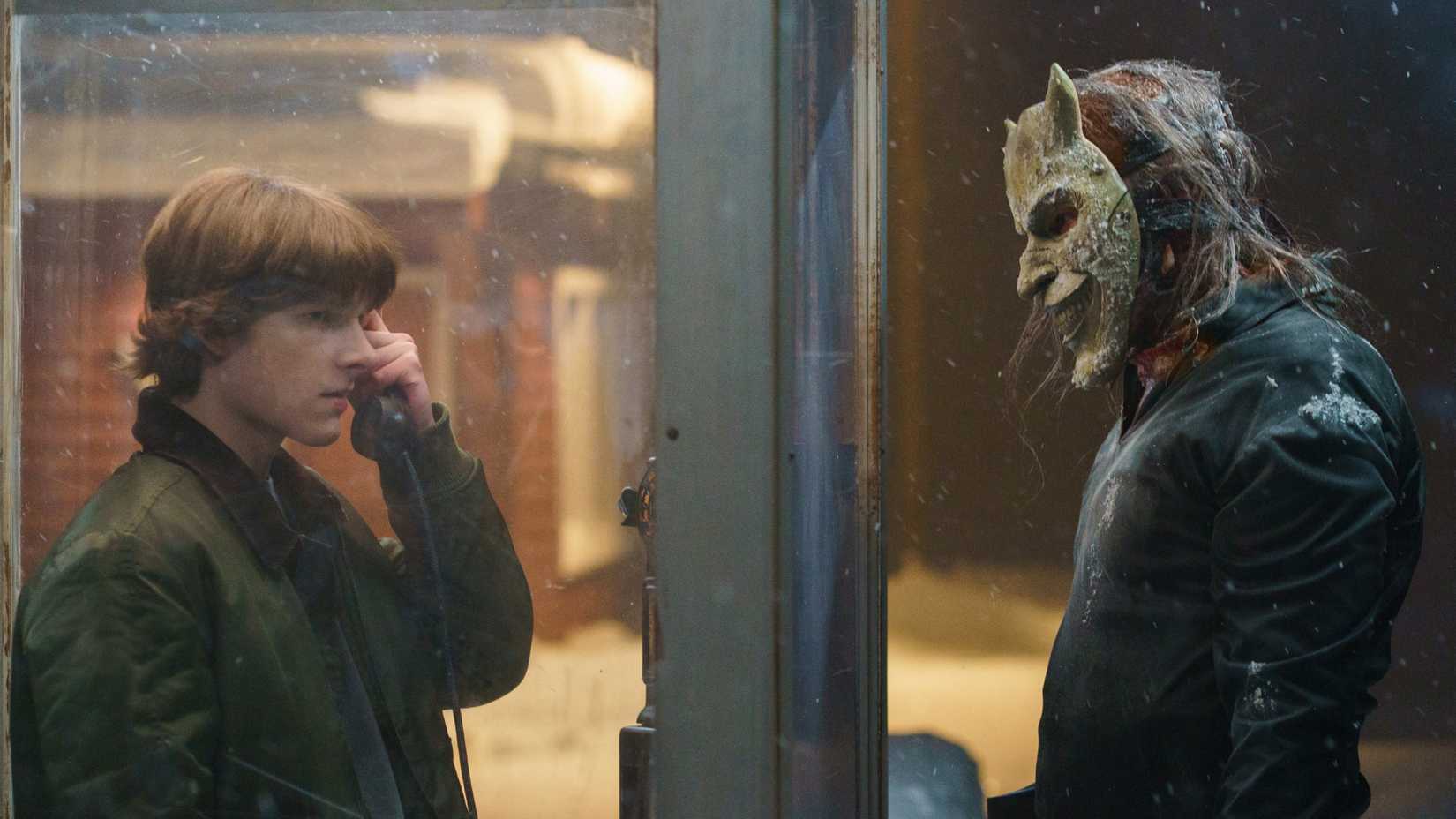
Set in 1982, four years after the events of The Black Phone, Black Phone 2 follows Finney Blake (Mason Thames), now a 17-year-old teenager and the sole survivor of the serial kidnapper and killer known as The Grabber. He struggles with severe PTSD from his traumatic past.
Meanwhile, Finney’s sister Gwen (Madeleine McGraw), who has psychic abilities, suffers from terrifying nightmares. In her dreams, she receives calls from the black phone and sees three boys being stalked at a winter camp called Alpine Lake.
Coincidentally, Alpine Lake is where Finney and Gwen’s mother worked when she was young. But beneath its peaceful facade lies a dark history of mysterious child disappearances. Realizing the dream images could hold clues to ending their nightmare, the Blake siblings team up to explore Gwen’s powers and the lingering presence of The Grabber, who remains a shadow in the world of the living despite being dead.
Unstable Camera: The Mystical Power of Super 8 Film
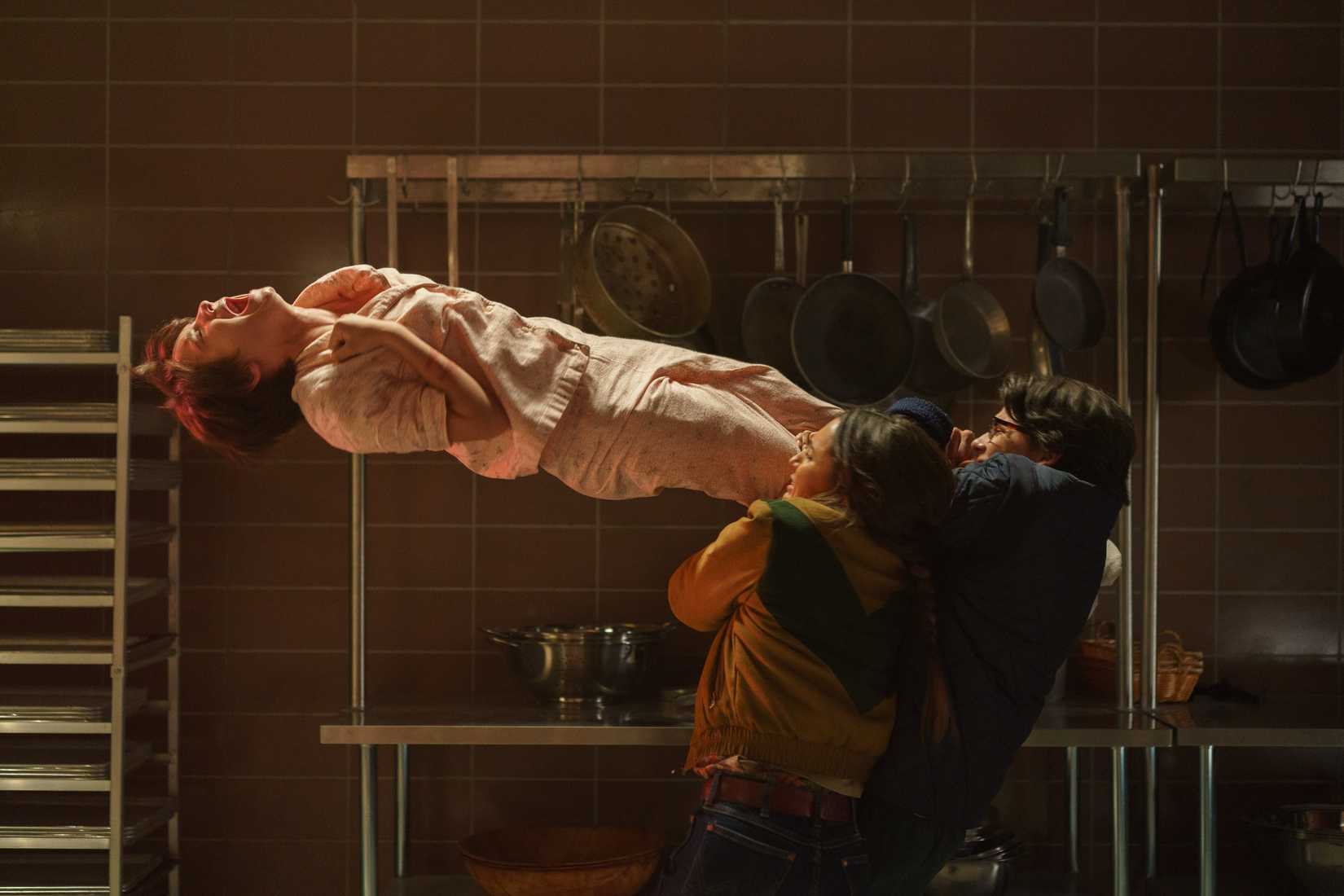
To maximize unease and nostalgia, director Scott Derrickson used Super 8 film for the supernatural scenes in Black Phone 2. He fully embraced the format’s inherent instability and imperfections.
Super 8 is a famous 8mm film format popular from the 1960s through the 1980s. It was designed for easy use by amateurs and families to shoot home movies.
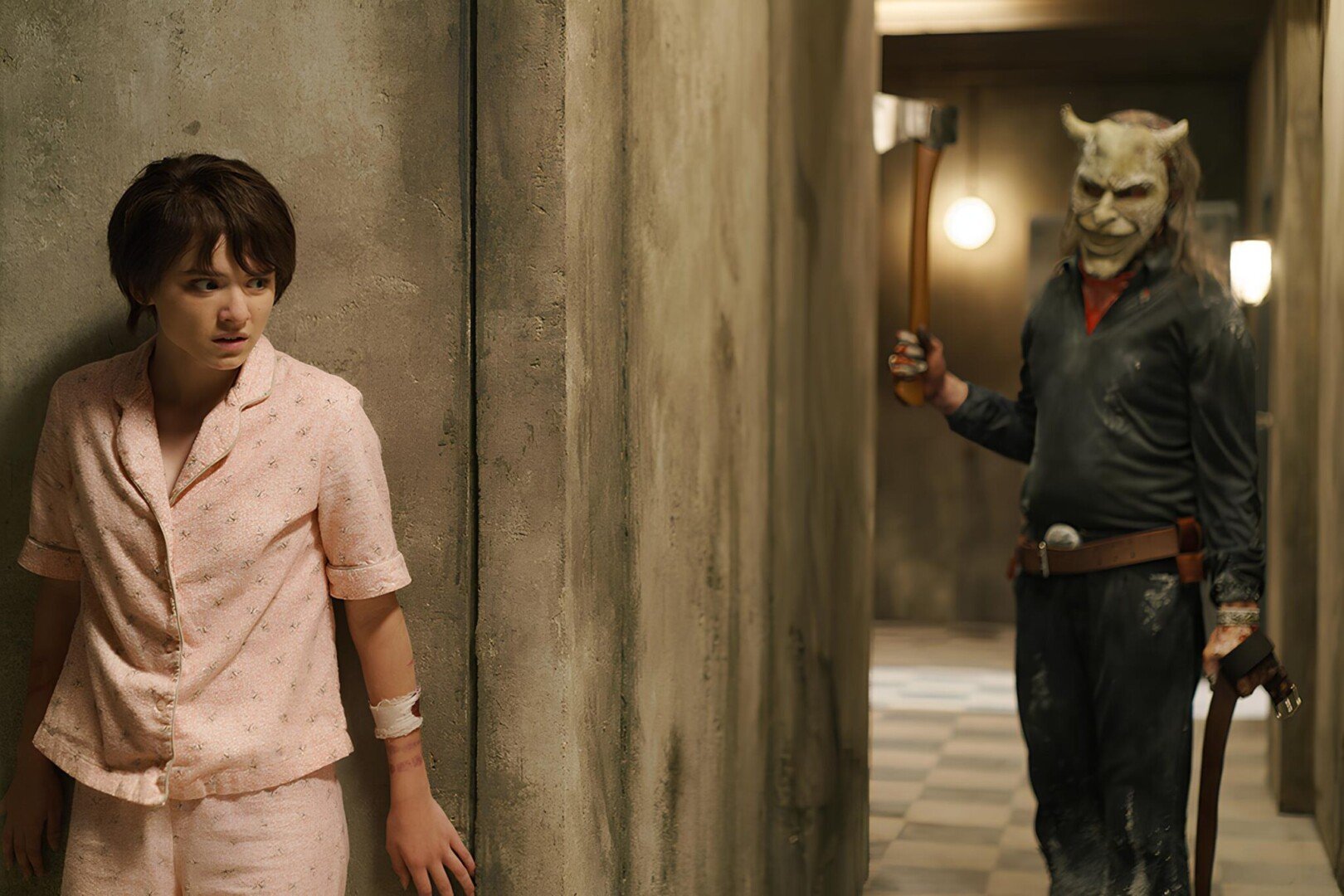
While convenient, Super 8’s image quality is less sharp than professional 35mm or 70mm film. It features a small frame size, noticeable grain, shakiness, and warm color tones that can shift yellow or green in low light. When projected on a big screen, viewers immediately notice the tinted frames, grain, blurred edges, and flickering, creating a feeling that something is “alive” or “haunted.” These imperfections add an irresistibly authentic, eerie, and nostalgic vibe.
During development, Derrickson realized the film fits within the early 80s horror realm: think The Shining, Nightmare on Elm Street, and slasher camp films. Using Super 8, associated with old family footage and memories, the filmmakers not only evoke the past but also engage in a dialogue with classic horror cinema.
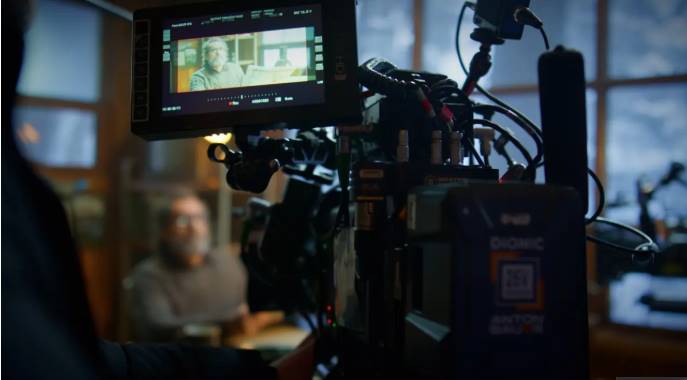
Derrickson emphasizes that Super 8’s texture can’t be authentically replicated by digital or post-production effects. This technique is heavily used in Finney and Gwen’s dream scenes, where distortions, shakes, and frame warping are key to unsettling the audience.
However, shooting with Super 8 is challenging because it’s an old, unstable format prone to errors. Collider reported that some scenes had to be reshot up to three times due to the format’s unpredictability. Still, Derrickson and his team believe the risk is worth it for the unique visual impact.
The production team waited for child actors Mason Thames and Madeleine McGraw to grow older to fit the story’s coming-of-age theme. At the same time, Derrickson aimed to create a horror film with an unprecedented visual style by using more Super 8 footage than ever before in a commercial movie. In an interview with Novastream, he mentioned Black Phone 2 might have the highest amount of Super 8 footage in a commercial film.
To expand the visual style where Super 8 wasn’t feasible, the crew shot on Super 16 film and cropped the frame to maintain the subtle film grain and the “breathing” feel of 8mm.
Custom Hybrid Process: Blending Classic and Modern
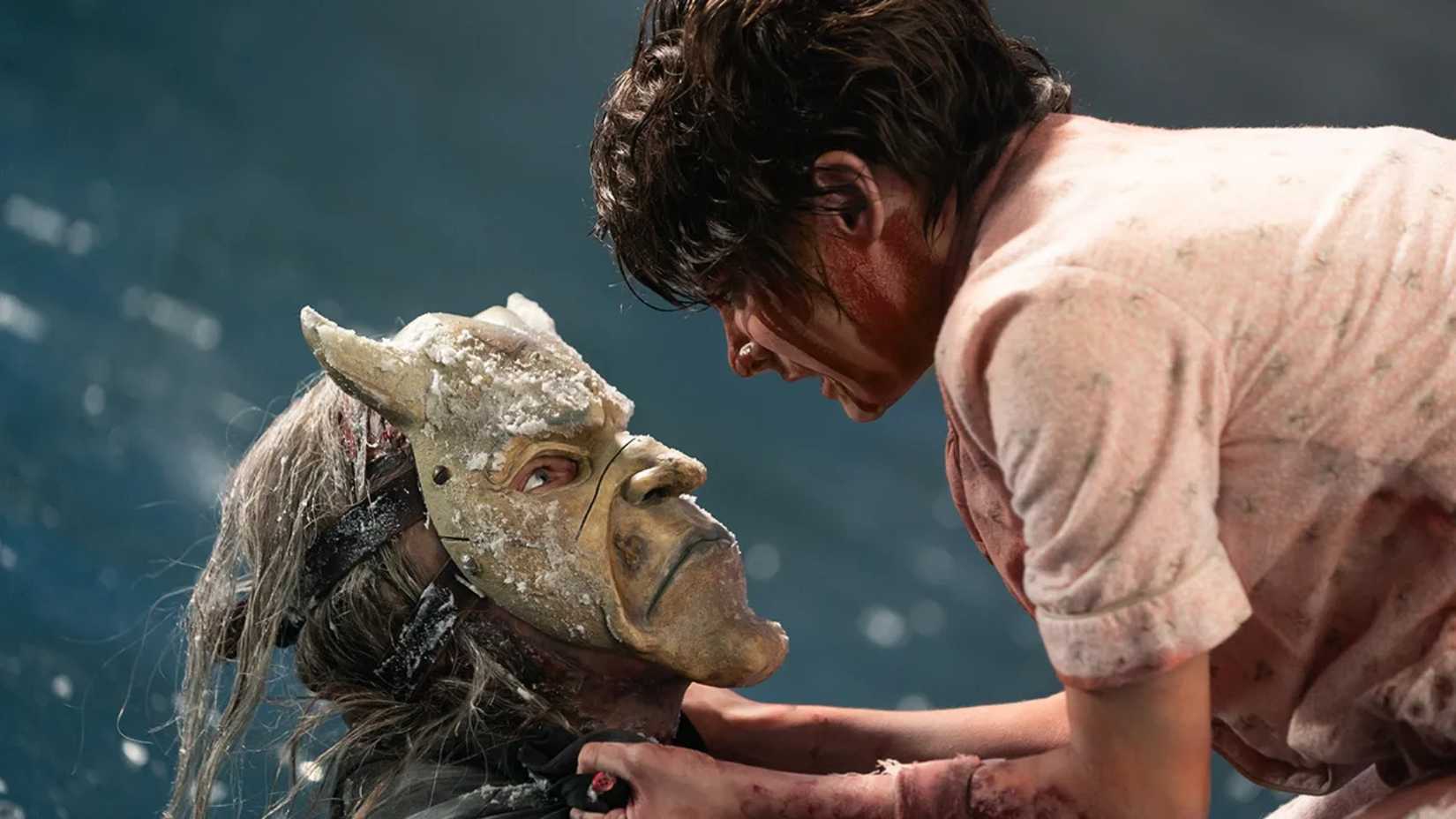
Cinematographer Pär M. Ekberg developed a custom hybrid process called “S12,” combining Super 8’s chaotic roughness with Super 16’s stability and HD’s flexibility.
The result is Black Phone 2’s haunting imagery that can withstand underwater shots, action scenes, visual effects, weather, and digital compositing while retaining its eerie, raw quality.
Super 8 scenes were shot handheld to immerse viewers in the characters’ perspectives, while larger formats provided cinematic scope and precise framing. The camera style shifts with the story’s rhythm: steady and deliberate in reality, fluid in dream sequences, and intense handheld during terrifying moments.
This format flexibility required adjusting sets and lighting to accommodate multiple formats simultaneously, often in low light and freezing conditions, demanding constant adaptation on set. The contrast between real-world scenes and dream sequences is clear: muted, somber tones for reality versus bright colors and dynamic movements in dreams.
The crew also used real weather like snow and storms to enhance authenticity and suspense.
With all this meticulous effort, Black Phone 2 promises a visually unique experience blending reality and dreams, past and present, hell and earth. Once again, Finney faces the greatest nightmare of his life.
Black Phone 2 hits theaters on October 31, 2025.