


More than ten years after Train to Busan shook the world, Korean cinema has once again produced a zombie film with a powerful global impact. The newly released blockbuster Colony quickly became a box office sensation, reigniting discussions about whether the zombie genre is entering a new breakthrough phase.
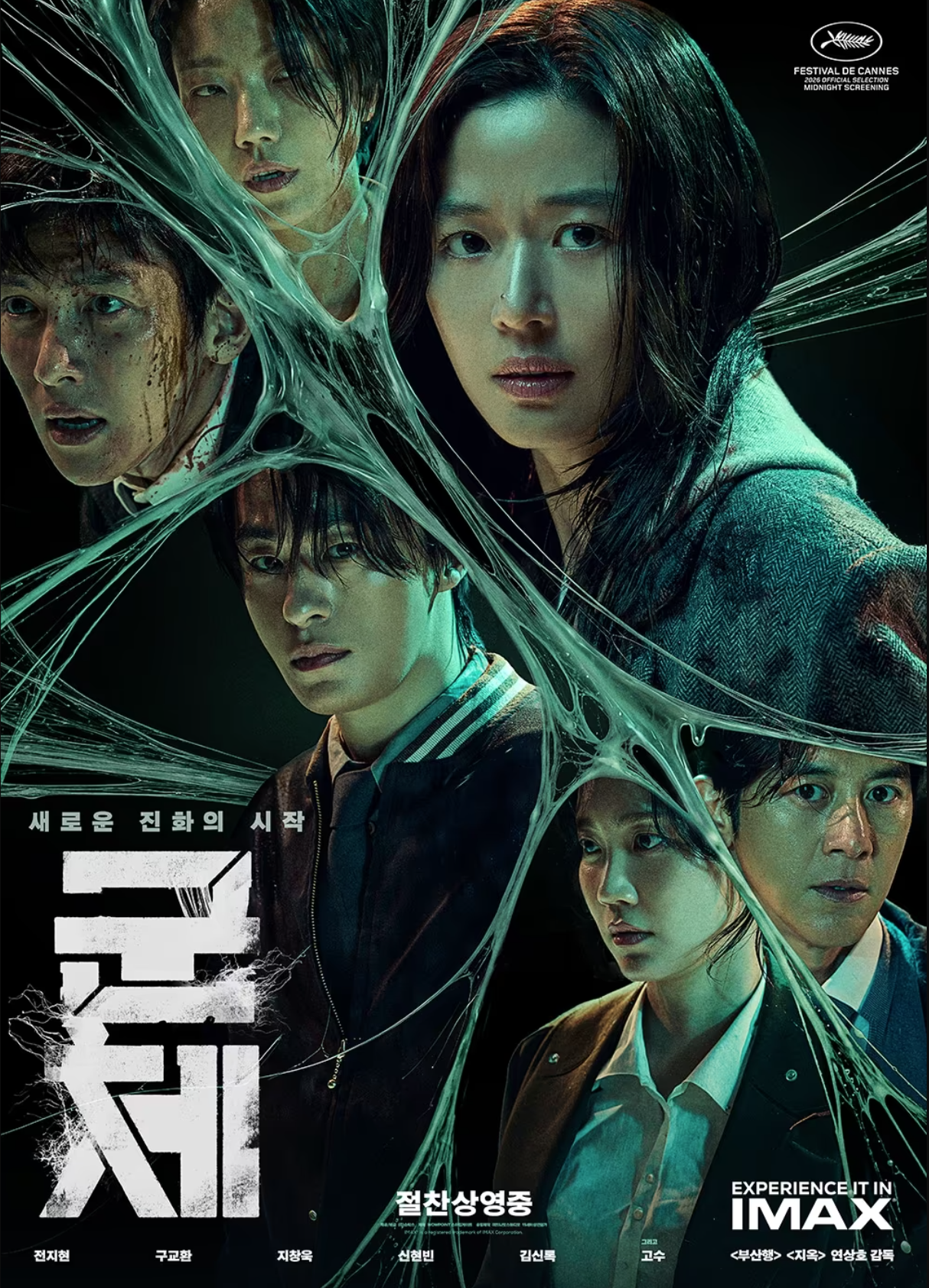
From its opening day, Colony dominated the South Korean box office with a staggering 74.6% market share, an unusually high figure. The film attracted nearly 200,000 viewers within 24 hours, marking the highest opening revenue in South Korea for 2026 so far. This momentum continued as the movie held the number one spot for 20 consecutive days. According to the Korean Film Council (KOFIC) on June 10, Colony has drawn over 4.8 million viewers, nearing the impressive milestone of 5 million amid fierce competition in the film market.
Colony’s success goes beyond box office numbers. It brings together a top-tier production team and cast known for quality. Director Yeon Sang Ho, who helmed Train to Busan, Peninsula, and other apocalyptic projects, remains a guarantee of scale and intensity. Joining him is Jun Ji Hyun, returning to the big screen after 11 years. Known as a “flop-proof” actress, her films consistently make an impact. Alongside them are Koo Kyo Hwan and Ji Chang Wook, both praised for their acting skills and action roles.
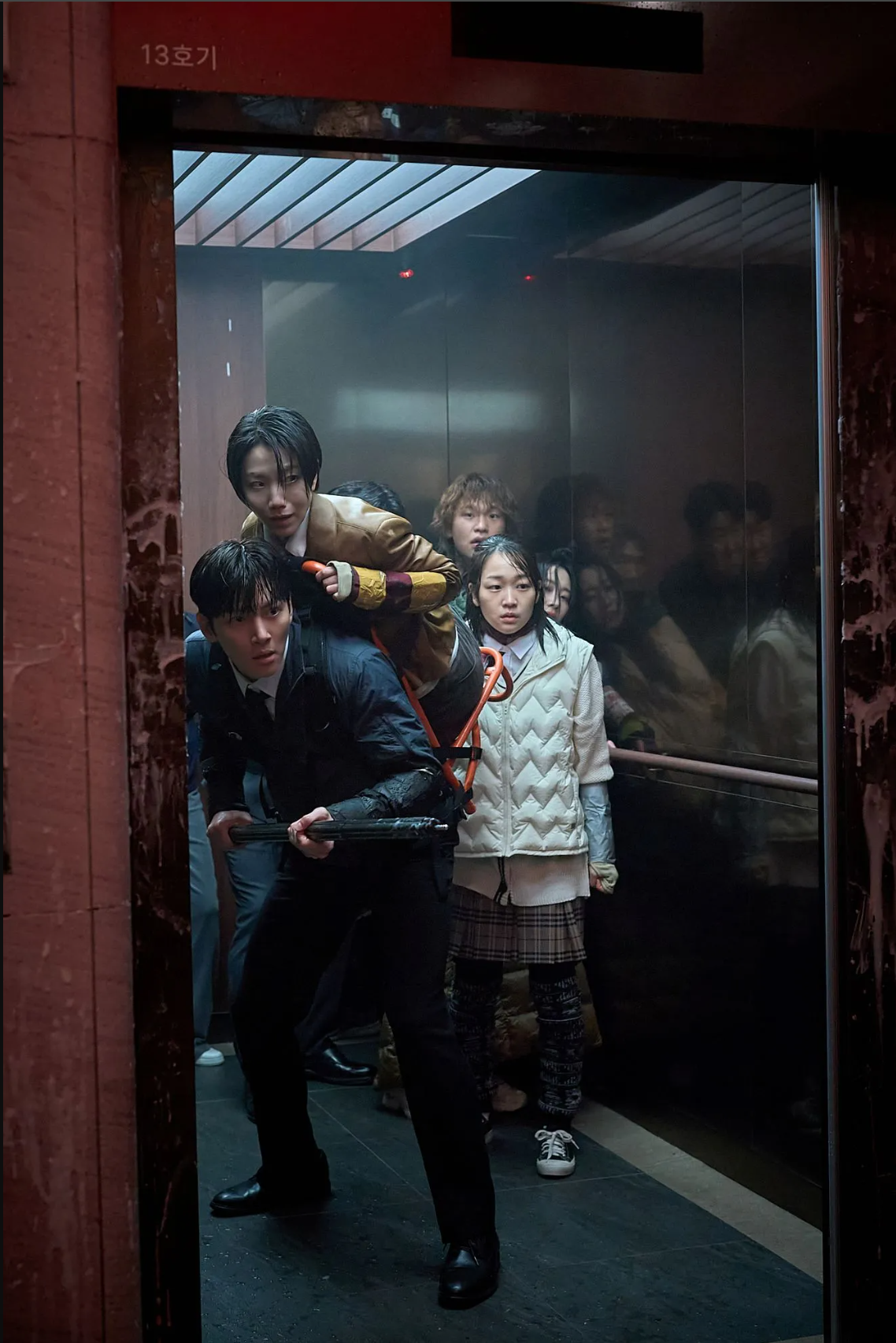
The story unfolds inside a quarantined building in Seoul after a mysterious infection breaks out. Initially, the infected display wild, beast-like behavior, but over time they evolve, walking upright, recognizing humans, and coordinating attacks. In this dire situation, a group of survivors must find ways to stay alive while trying to reach a rooftop rescue zone that seems like their last hope but hides even more dangerous secrets.
The central character, Kwon Se Jeong, played by Jun Ji Hyun, is a smart, calm biologist with exceptional analytical skills. Unlike typical female leads in survival films who often react with panic, Se Jeong acts as the group’s strategist, using logic to turn the tide multiple times. This character development makes her a crucial anchor for the story and adds unique depth to the film amid the chaos.
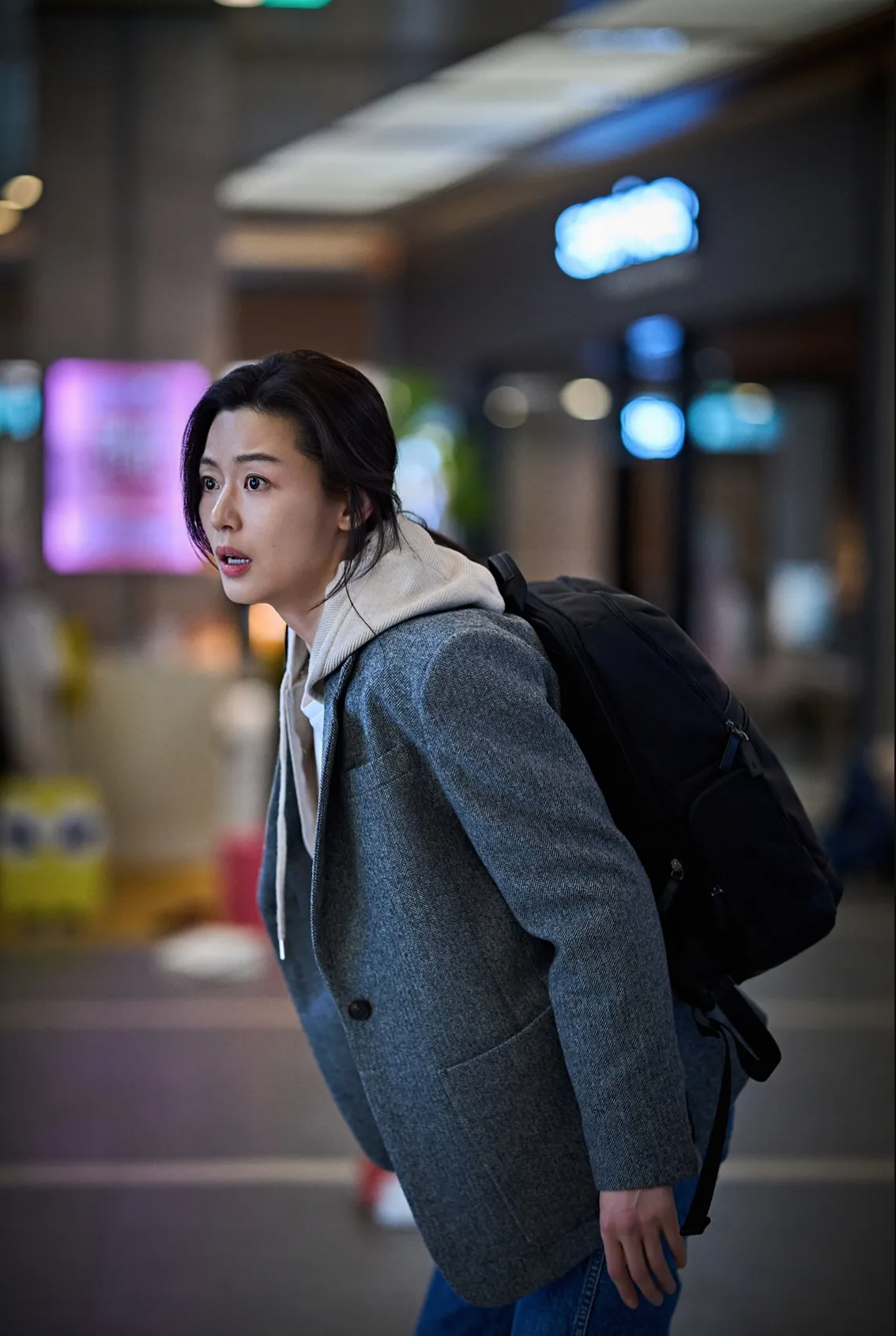
Colony goes beyond a simple survival story by exploring social themes through the depiction of a zombie horde capable of shared consciousness and collective action. Director Yeon Sang Ho has explained that his works often reflect modern societal fears. This time, he delves into concerns about losing individuality within crowds and the invisible influence of collective communities, especially in the age of technology and social media.
This transformation makes the film not just a battle between the living and the undead but a metaphor for modern humans who crave connection yet risk losing their identity in the masses.
Visually, Colony is praised for its realistic approach, minimizing CGI in favor of detailed makeup and fast-paced action scenes. The film shifts tone frequently, moving from tense investigative moments to explosive large-scale confrontations, creating an energetic and unpredictable viewing experience.
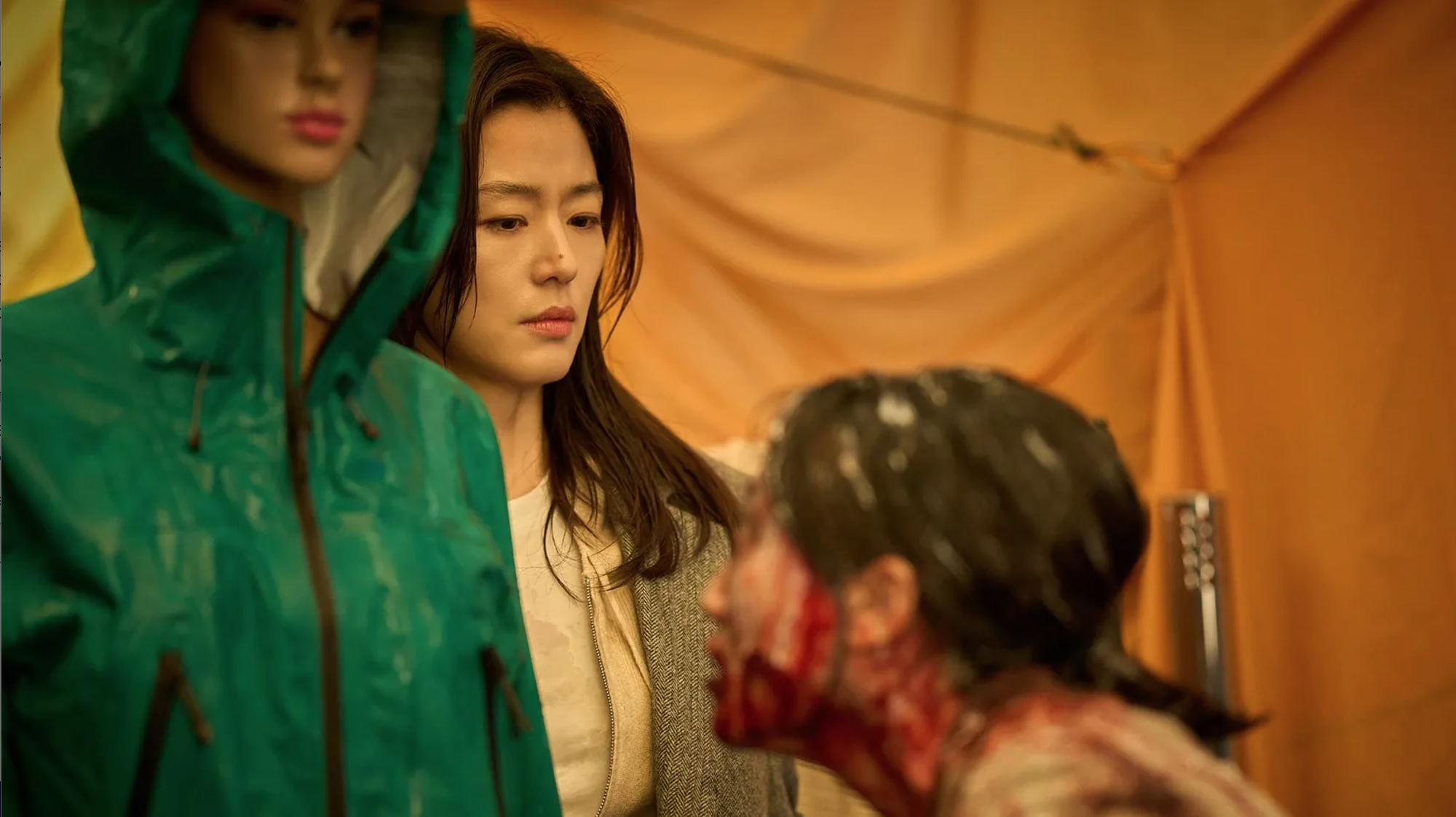
Although some international critics at Cannes felt the film leaned more toward entertainment and lacked the depth of Train to Busan, audience reactions have been very different. On discussion platforms, many viewers say Colony delivers a true modern zombie experience: intense, constantly shifting pace, and full of surprises that keep you hooked until the end. Some comments include: “After Train to Busan, I thought no more Korean zombie films were needed. Colony proved me wrong.” and “If you look closely, there are some inconsistencies, but if you watch it as pure entertainment, it’s a very worthwhile experience.”
Overall, Colony is being recognized as one of the most notable cinematic phenomena of the year, not only for its box office success but also for reigniting debates about the boundaries of the zombie genre, balancing pure entertainment with social metaphor.

According to Korea Times