

Anime is a field full of potential but also risks. A series can suddenly become a phenomenon, yet a single wrong decision, especially changing studios, can bring down even the greatest titles. One-Punch Man is a classic example of visual decline, but compared to the disaster that hit The Promised Neverland, Saitama’s fate seems much luckier.
One-Punch Man’s downfall began with its second season. The first season, produced by Madhouse, was an animation masterpiece where every punch from Saitama was a stunning display of technique and smoothness. Unfortunately, when J.C. Staff took over for season two, the standards dropped significantly.
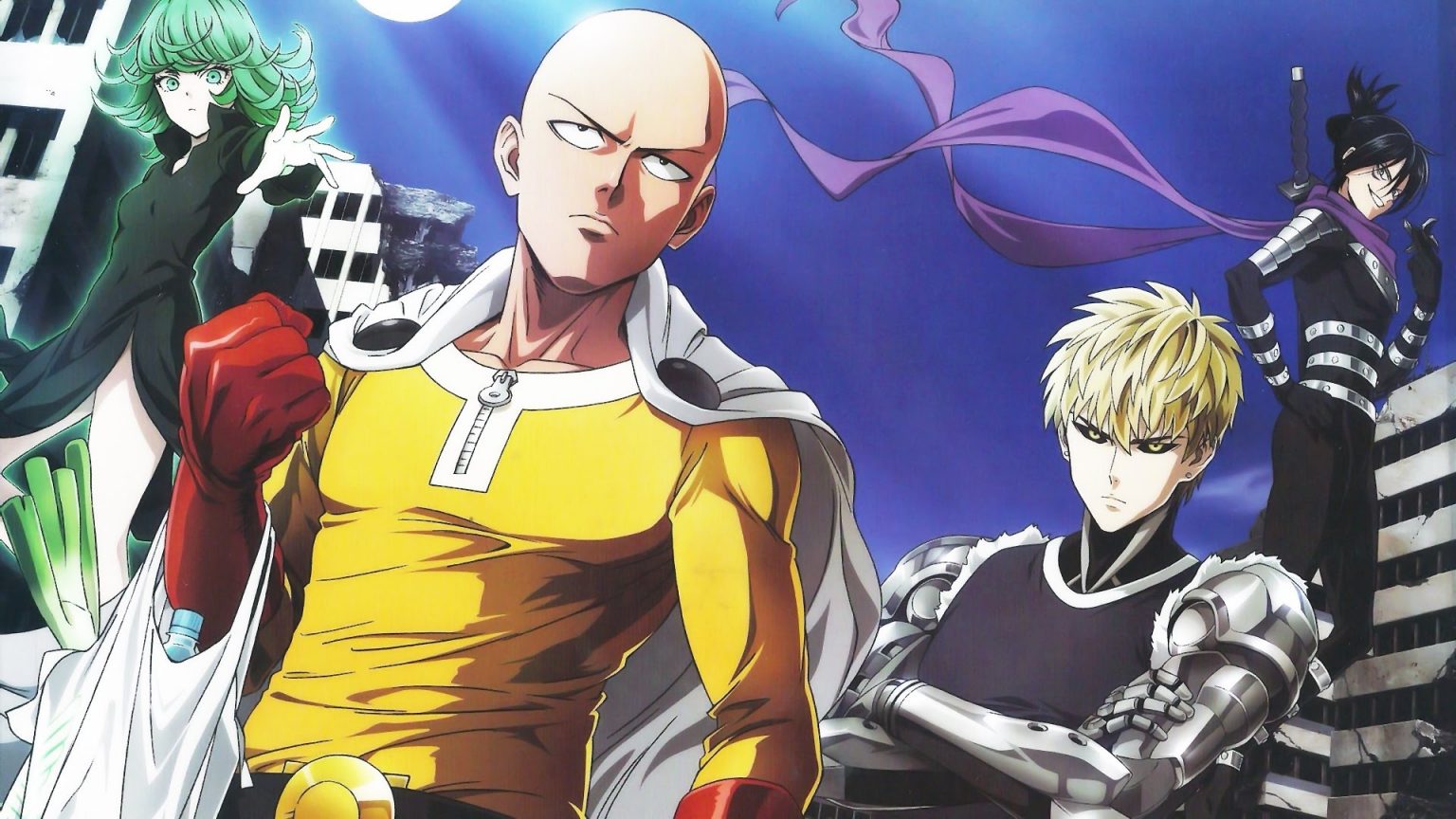
Although J.C. Staff tried their best, the animation quality couldn’t match the huge shadow Madhouse cast. Action scenes lost their impact, and the visual thrill for viewers dropped noticeably. This was a clear technical failure.
However, the silver lining is that despite the controversy, J.C. Staff stayed faithful to the original manga’s storyline. Fans still got to see Saitama and Genos’s story unfold sequentially. The anime may have looked worse, but the story remained intact.
The Promised Neverland’s Collapse Was Even Worse Than One-Punch Man’s
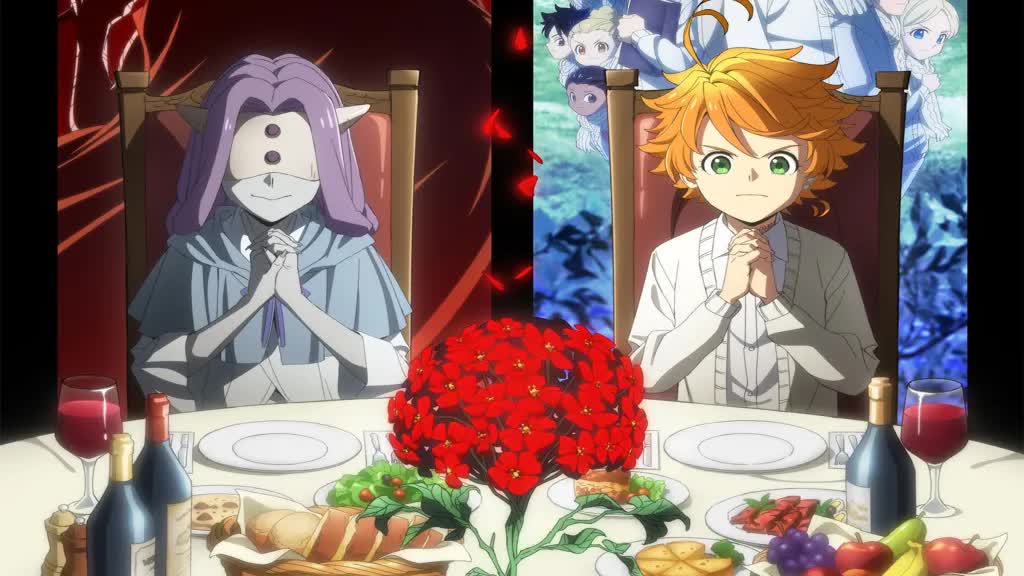
While One-Punch Man’s issues were mainly visual, The Promised Neverland suffered a far worse fate: a betrayal of its story.
The first season of The Promised Neverland, released in 2019 by CloverWorks, was a huge hit. It delivered a gripping psychological horror story with fast pacing and sharp visuals. The dramatic finale where Emma and Ray escape Grace Field, a farm where children were raised as demon food, made season two one of the most anticipated anime of 2021.
But when season two aired, things started to feel off.
At first, viewers noticed the pacing sped up strangely. The peak of disappointment came when the anime completely diverged from the original manga.
Most of Emma and Ray’s adventures in the outside world, where they uncover crucial secrets and meet key characters from the manga, were cut out entirely.
Instead of developing the story in detail and logically like the manga, the anime rushed through a series of original events, wrapping up the series in just a few final episodes with an ending that had no connection to the original conclusion.
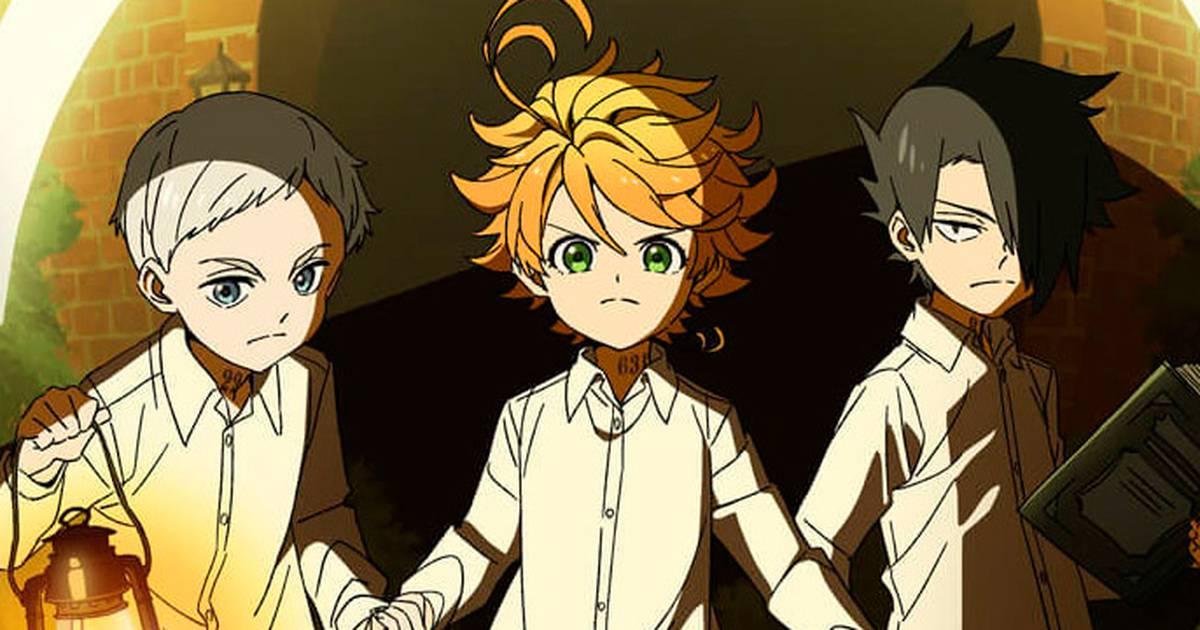
Skipping over more than 50 manga chapters in favor of a sparse summary showed the studio had no intention of faithfully adapting the full story. This not only ruined the experience for manga fans but also broke the strong narrative structure that made season one a success.
One-Punch Man’s failure was a blow to its visuals and production quality. Fans mourned the loss of Madhouse’s excellence.
However, The Promised Neverland’s failure was a fatal wound to the soul of the series. It was not only poor animation but also destroyed the entire story and meaning the author had carefully built.
At least One-Punch Man fans still got to follow their story. Meanwhile, The Promised Neverland fans were left with a disappointing, meaningless ending, forever haunted by what could have been a legendary series.