


Across more than 700 chapters, Masashi Kishimoto crafted an expansive shinobi world with detailed physical laws, chakra systems, and village hierarchies. Yet this impressive foundation inadvertently exposed weaknesses and glaring contradictions where the story conflicted with itself.
Some inconsistencies stem from power inflation in later arcs, while others reflect the author’s spontaneous changes when characters’ roles evolved beyond initial plans.
1. Naruto Failing the Ninja Academy Three Times: A Basic Math Paradox

Early in the story, Naruto is said to have failed the ninja academy graduation exam three times. Since the exam is held annually, this implies Naruto should be significantly older and far behind his peers.
However, Shikamaru, Sakura, Sasuke, and the entire Konoha 11 graduate together at the same age, with no hint that Naruto is repeating a year. Graduation schedules and other students’ progress continue as normal. Kishimoto simply ignored this contradiction.
2. Madara’s “Game Hack”: Using Susanoo Without Eyes
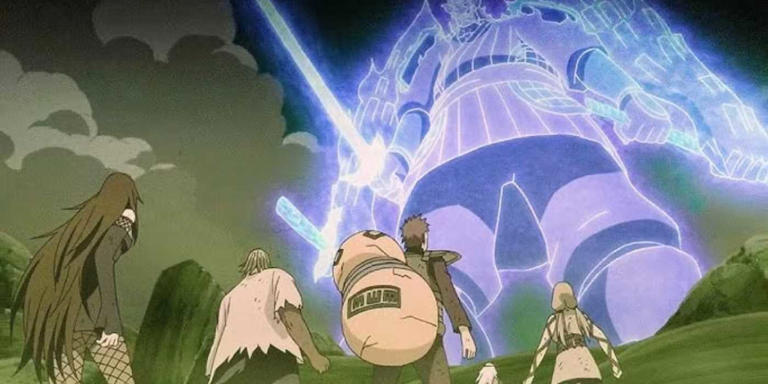
Itachi, Sasuke, and Kakashi all show that activating and maintaining Susanoo requires the Mangekyou Sharingan eyes.
Yet in the Fourth Shinobi World War, after losing both eyes, Madara still effortlessly manifests a full-body Susanoo to dominate the battlefield. Some fans speculate his chakra was godlike enough to bypass this, but throughout the war arc, the story emphasizes ocular power depends on having open eyes.
3. Convenient Interdimensional Summoning
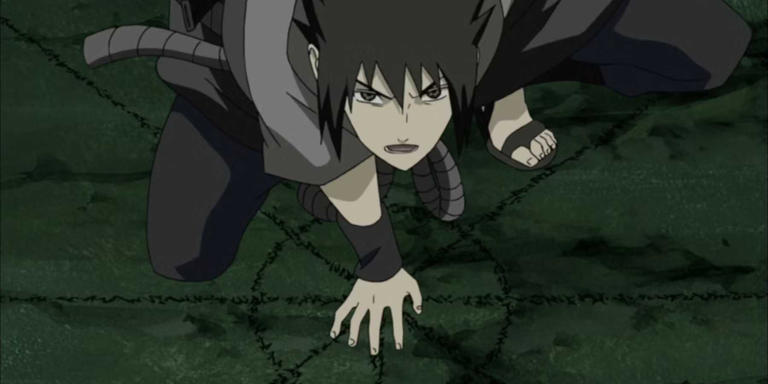
During the fight with Kaguya, Sasuke summons Manda (or other creatures) from inside the lava dimension of the Rabbit Goddess.
This breaks the established rule that Kamui and pocket dimensions are inescapable prisons without special ocular powers. Yet Sasuke uses a normal summoning contract to bridge dimensions effortlessly. If this were so simple, skilled shinobi would exploit it far more.
4. Konoha Neglects Its “Nuclear Weapon” Nine-Tails Jinchuriki
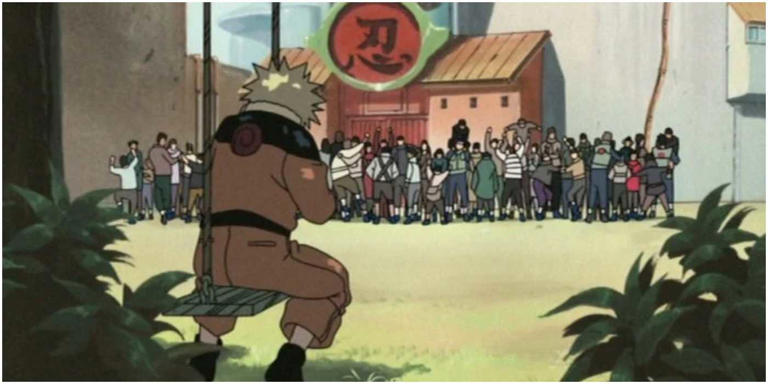
Strategically, the Nine-Tails Jinchuriki is Konoha’s ultimate weapon. Yet the village leadership, led by Third Hokage Hiruzen Sarutobi, leaves Naruto, the orphaned son of the Fourth Hokage, to fend for himself in a shabby apartment with no guardians or serious protection.
This security lapse means enemies could kidnap Naruto anytime. Psychologically, isolating a child with such destructive power breeds resentment and alienation, a perfect recipe for dangerous traitors like Gaara or Obito. The Third Hokage’s neglect remains one of the most criticized points among fans.
5. Naruto’s Identity: Everyone Pretends Not to Know
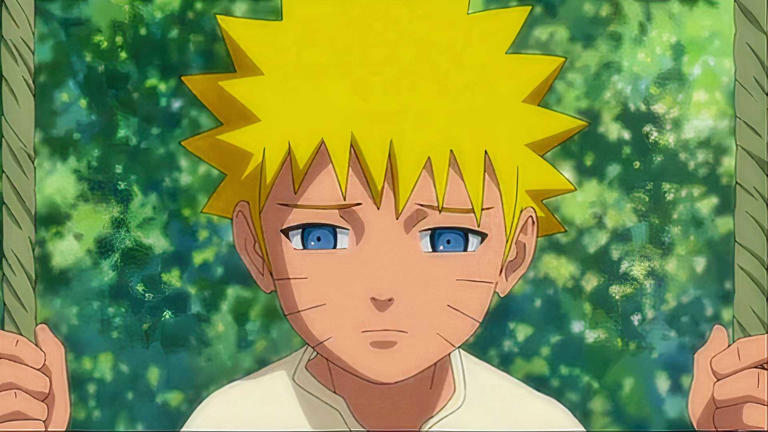
Minato Namikaze, the Fourth Hokage, is a legendary figure with a distinct face, blond hair, and style. Naruto is his spitting image. The Uzumaki name also carries heavy historical weight tied to Konoha’s alliances.
Despite Hiruzen’s order to seal this information, it’s implausible that veteran shinobi who worked with Minato never recognize Naruto’s heritage. Jiraiya, Minato’s teacher, spends years training Naruto but acts clueless.
Even shinobi from other villages like Killer B, who fought the “Yellow Flash” directly, fail to connect Naruto’s identical appearance to Minato.
6. Rock Lee Graduates Without Using Ninjutsu

The Ninja Academy requires students to master basic ninjutsu, especially the Clone Technique (Bunshin no Jutsu), to graduate. Even Naruto struggled to pass this test.
Yet Rock Lee, who cannot use ninjutsu or genjutsu at all, graduates anyway. While his taijutsu journey is inspirational, passing the exam without meeting minimum standards contradicts the academy’s rules. Some suggest Might Guy’s influence helped, but the author never clarifies this loophole.
7. Obito Uses Kamui Without Losing Sight
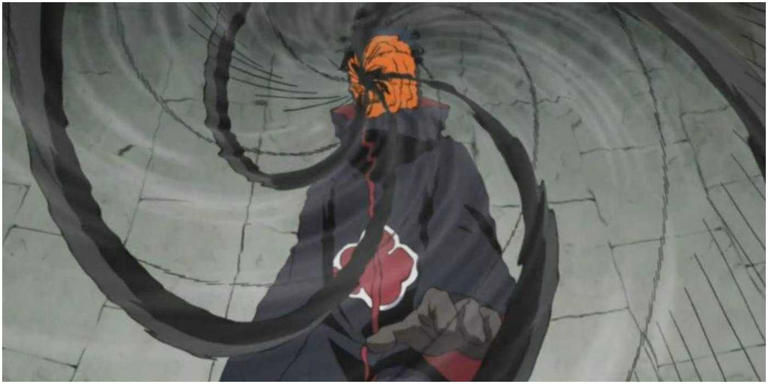
The Mangekyou Sharingan’s harshest side effect is gradual blindness from overuse. To prevent this, shinobi transplant their brother’s eyes to gain the Eternal Mangekyou Sharingan.
Obito is an illogical exception. He uses Kamui heavily for over a decade, teleporting himself and objects constantly, yet his eyesight never deteriorates or shows fatigue.
Later, the story retroactively explains this by revealing half of Obito’s body is made from Hashirama’s cells, whose legendary healing powers continuously repair his optic nerves. Still, this after-the-fact fix feels forced to many fans.
8. Sasuke Escapes Death Using Complex Jutsu Despite No Chakra
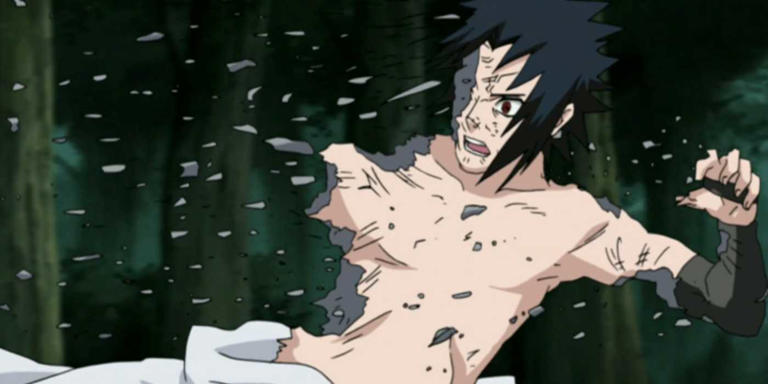
In Naruto Shippuden, Sasuke’s battle with Deidara ends with him completely drained of chakra, barely breathing and unable to move.
Moments later, Deidara detonates himself to take Sasuke down within a wide radius.
Yet Sasuke miraculously summons Manda, controls the giant snake with genjutsu, has it swallow him, and cancels the summoning to escape to another dimension. This sequence demands massive chakra and speed, impossible for a chakra-depleted Sasuke.
9. Orochimaru Tries to Summon a Sealed Soul
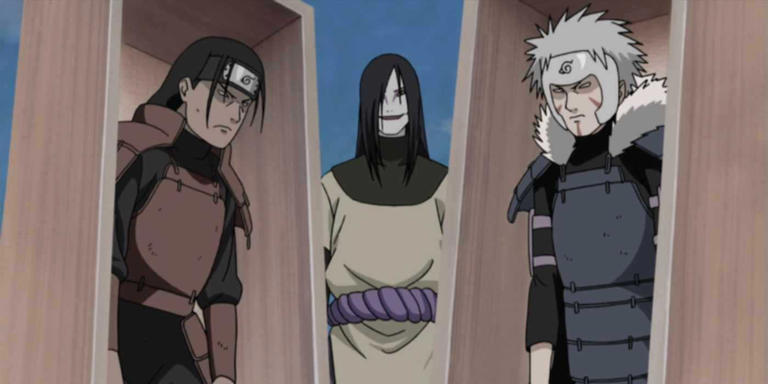
During the “Destruction of Konoha” arc, Orochimaru uses the forbidden Edo Tensei to summon the First and Second Hokage, and attempts to summon the Third coffin containing Fourth Hokage Minato’s soul.
The problem is Minato sealed his soul inside the Death God’s belly before dying. According to the original rules, souls inside the Death God are untouchable by Edo Tensei. A master of forbidden jutsu like Orochimaru should know this.
Attempting to summon Minato at that time was a major plot inconsistency before the story introduced a “Death God belly slit” workaround in the final arc.
10. Hashirama Senju’s Underwhelming Death
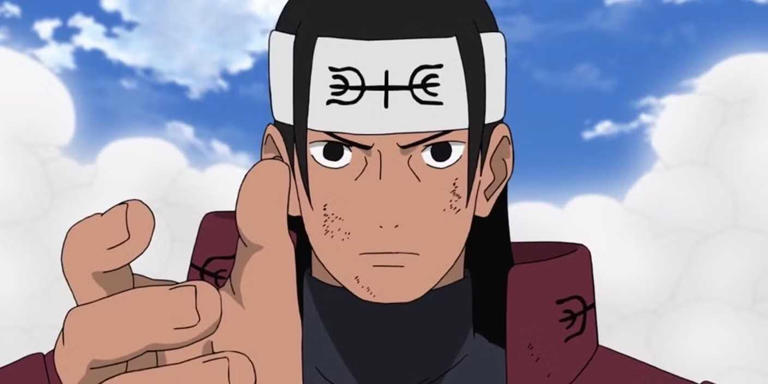
Hashirama Senju’s cell regeneration is godlike, surpassing every character in the series. His vitality is so strong that decades after his death, DNA experiments on Yamato, Danzo, and White Zetsu still produce incredible Wood Style powers. Kabuto praised him as the strongest shinobi ever.
Yet this “invincible” man died young, early in Konoha’s founding years, for reasons never revealed. The story never explains how Hashirama could die without aging or battle wounds. The lack of a clear death mechanism for such a “god” leaves a huge gap, forcing fans to speculate wildly.