


These classic works go beyond entertainment, embedding thoughtful messages about culture, people, and historical moments of the Land of the Rising Sun.
7. Fullmetal Alchemist: Brotherhood, A Perspective on Preserving Indigenous Culture
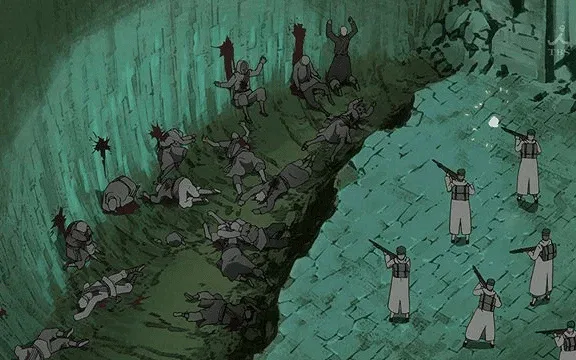
Creator Hiromu Arakawa uses the heartbreaking story of the Ishvalan people as a subtle reminder of Japan’s historical treatment of indigenous groups like the Ainu and Ryukyuan.
This topic remains a lively subject of discussion among fans on Reddit. The series highlights the dark sides of forced assimilation and the loss of unique cultural identities amid ethnic conflicts.
6. Paranoia Agent, Decoding Pressure and Escapism

The late director Satoshi Kon’s psychological anime offers a direct look at the mental exhaustion of people living in modern urban society. Using the image of a mysterious attacker targeting stressed individuals, Paranoia Agent portrays a society turning to pop culture and kawaii mascots as a way to soothe harsh realities.
The director cleverly points out that suppressing emotions and avoiding personal problems can create invisible waves of anxiety within communities.
5. A Silent Voice, A Heartfelt Take on School Bullying and Understanding
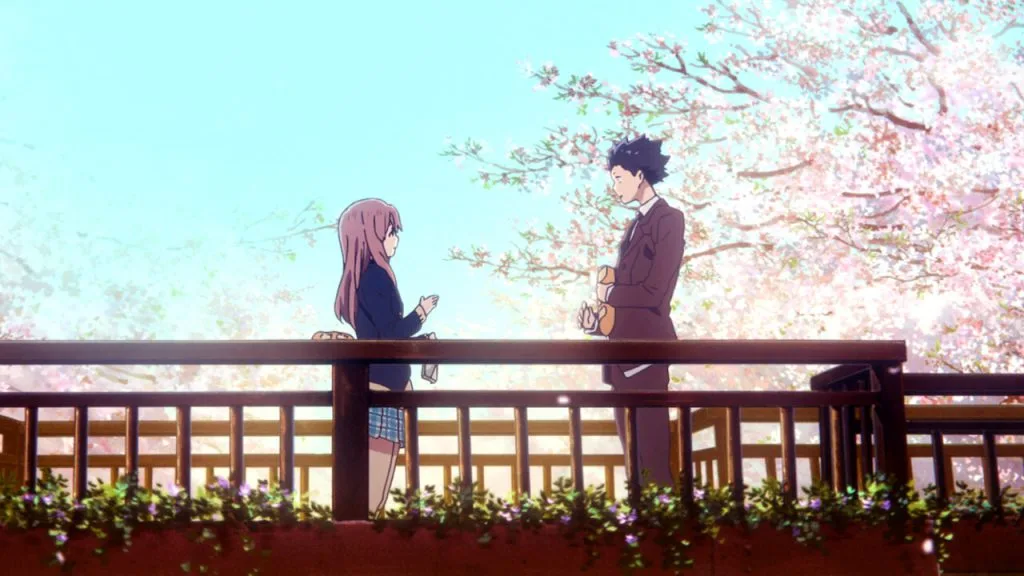
Naoko Yamada’s emotional drama delves into the story of a deaf girl isolated by her classmates, reflecting a troubling reality within the education system. The film questions the pressure to conform to the majority in Japan.
It gently criticizes the indifference of some schools and communities who choose silence to maintain a peaceful facade instead of confronting issues and supporting vulnerable individuals.
4. Welcome to the N.H.K., Empathy for the Hikikomori Crisis

This dark comedy tackles the pressing social issue of young people isolating themselves in their rooms, known as Hikikomori. Following the main character, the anime reflects the invisible pressures from a harsh corporate lifestyle and a fiercely competitive exam system.
The story shows how overwhelming societal expectations can lead vulnerable individuals to shut themselves off, while reminding the community to pay more attention to young people’s mental health.
3. Attack on Titan, A Symbol of Militarism and Isolationism
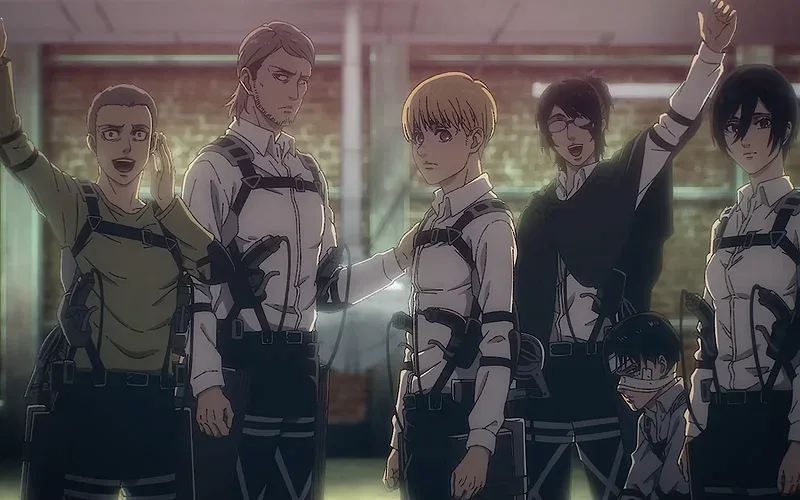
Though cloaked in dark fantasy, Hajime Isayama’s epic strongly evokes Japan’s militaristic periods and the Edo era’s isolationist Sakoku policy.
The fortified walls surrounding Paradis Island serve as a powerful metaphor. Through the characters’ journeys, the creator exposes the dangers of extreme nationalism and media manipulation, offering lessons on the consequences when a nation chooses confrontation and isolation from the world.
2. The Wind Rises, Wrestling with Dreams and the Reality of War
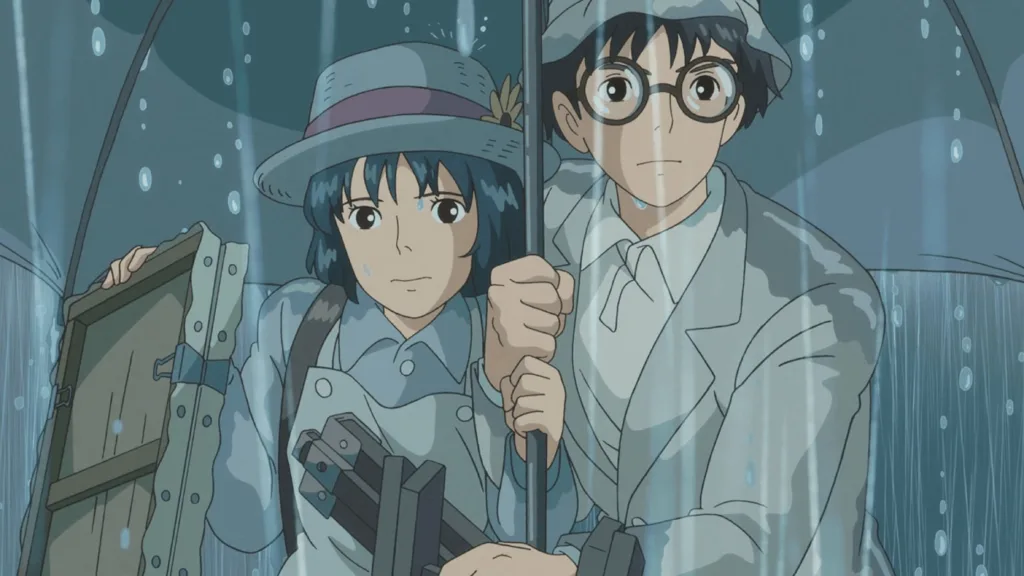
Hayao Miyazaki’s film about aeronautical engineer Jiro Horikoshi is a reflective pause on Japan’s pre-war era. The Wind Rises highlights the tragic contradiction of an artist whose pure dream is to create beautiful airplanes, which in the historical context become tools of brutal war.
Miyazaki expresses regret over human talent and intellect being swept up in the expansionist ambitions of the time.
1. Grave of the Fireflies, A Moving Tribute to Civilians’ Fate in World War II
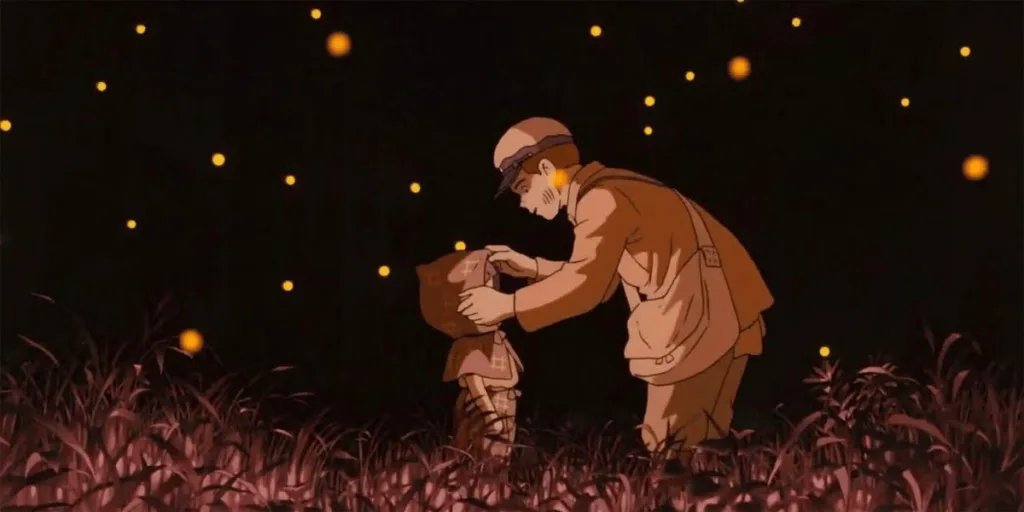
Isao Takahata’s masterpiece shifts focus from battlefield scenes to the losses suffered by innocent civilians. By telling the harsh story of two orphaned siblings, Grave of the Fireflies reflects the failures of management systems and society’s indifference during the final stages of the war.
The film carries profound humanitarian and anti-war messages, reminding us of the devastating cost of war through a deeply realistic and emotional lens.