


In the manga and anime industry, Kazuhiko Torishima is a powerful name. He is the legendary former editor-in-chief of Weekly Shonen Jump, who played a major role in shaping and bringing early success to Dragon Ball.
Known for his straightforwardness and fearlessness, Torishima recently shared some harsh opinions about the modern manga industry during an interview at Napoli Comicon. His comments about the classic series Naruto have sparked intense debate across social media forums.
Controversial opinion: Sasuke and Kakashi should have been permanently killed off
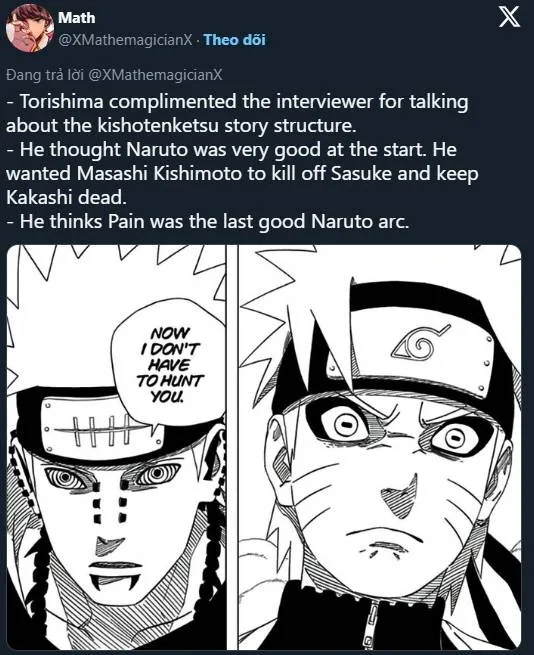
According to a widely shared summary of the interview on X (formerly Twitter), Torishima praised the early part of Naruto but bluntly stated that the series lost its essence after the Pain Assault arc. One of his biggest complaints was that Masashi Kishimoto chose to keep Uchiha Sasuke alive until the end.
Although he didn’t specify exactly when Sasuke should have died, if Torishima’s theory were true, it would undermine the emotional core of the entire story. Naruto’s journey is about never giving up on friends, no matter how deep Sasuke falls into darkness.
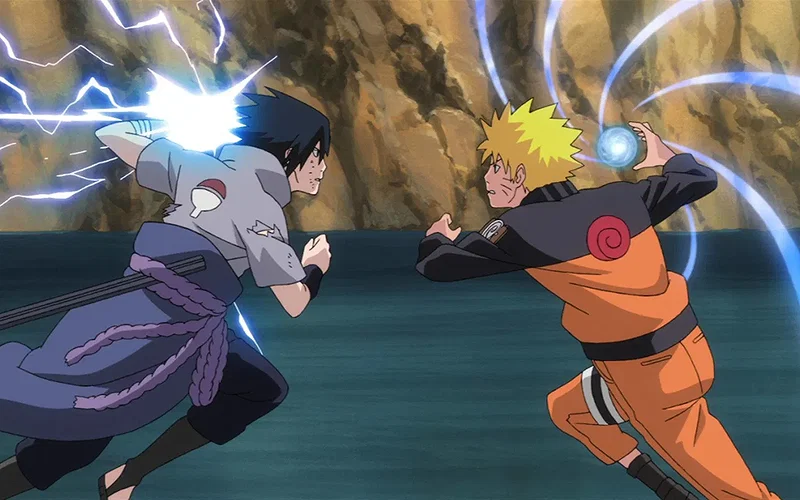

The legendary fight at the Valley of the End became iconic because both characters lived long enough to truly understand each other. If Sasuke had died early, Naruto would have become a darker story about failure and loss, rather than a message of redemption and breaking the cycle of hatred.
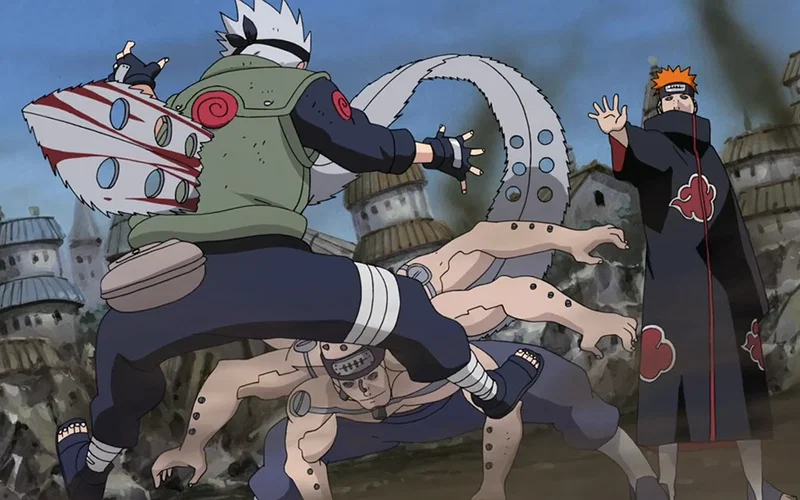
Torishima didn’t stop there. He also believes Hatake Kakashi should have truly died after his battle with Pain. Kakashi’s sacrifice to protect the Hidden Leaf Village is one of Naruto Shippuden’s most emotional moments, but Torishima feels that reviving him through Nagato’s forbidden Reanimation jutsu weakened the tragedy and impact of that arc.
Not just Naruto: One Piece and modern shonen also under fire
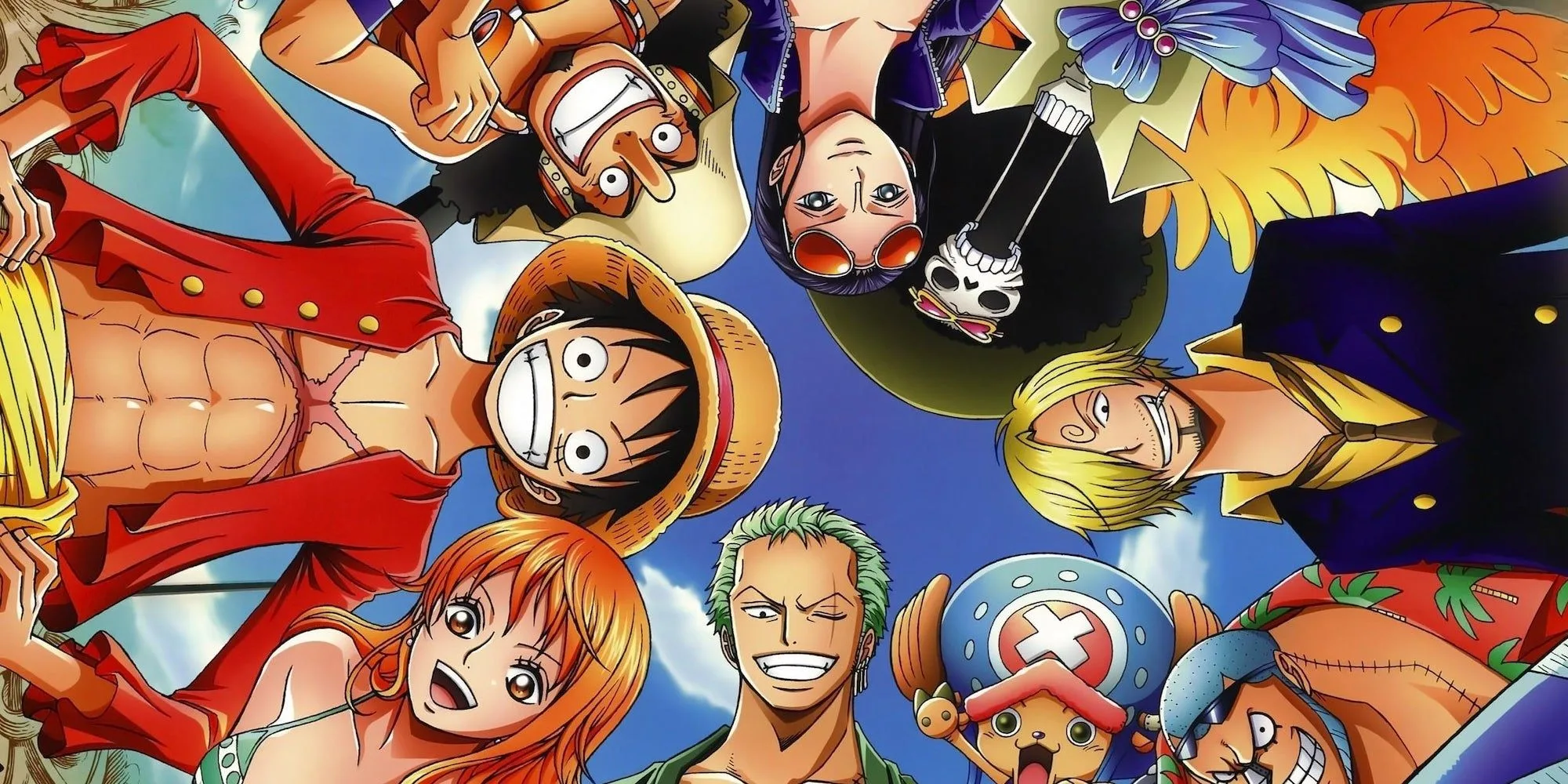
Torishima’s critique of Naruto is actually mild compared to his broad criticism of the manga world today. He argues that One Piece is overloaded with text and hard for young readers to follow, though he praised Eiichiro Oda for creating relatable characters like Zoro, Nami, and Usopp. He believes modern manga overuses dialogue and explanations because authors are writing for adults rather than children.
Even popular new hits like Chainsaw Man, Jujutsu Kaisen, Demon Slayer, and Blue Lock were dismissed by Torishima. His harshest words were reserved for the Dragon Ball Daima project, calling the film “slow,” “silly,” and a betrayal of Dragon Ball’s legacy.
Torishima’s statements reveal a deep generational divide in manga storytelling philosophies. As a veteran editor, he values brevity, simplicity, and visual storytelling. In contrast, today’s anime and manga fans love complex universes with intricate plots and world-building.