
For over three decades, Ghost in the Shell has stood as one of the greatest icons of cyberpunk, influencing anime, film, and the gaming industry alike. From Mamoru Oshii’s classic 1995 film to the Stand Alone Complex series, each version has left its own mark while interpreting Masamune Shirow’s original manga in different ways.
That’s why when Ghost in the Shell (2026), produced by Science SARU, premiered on Amazon Prime Video on July 7, it quickly drew attention by promising to be the most faithful adaptation to the original manga ever.
Science SARU aims to restore the true spirit of the manga
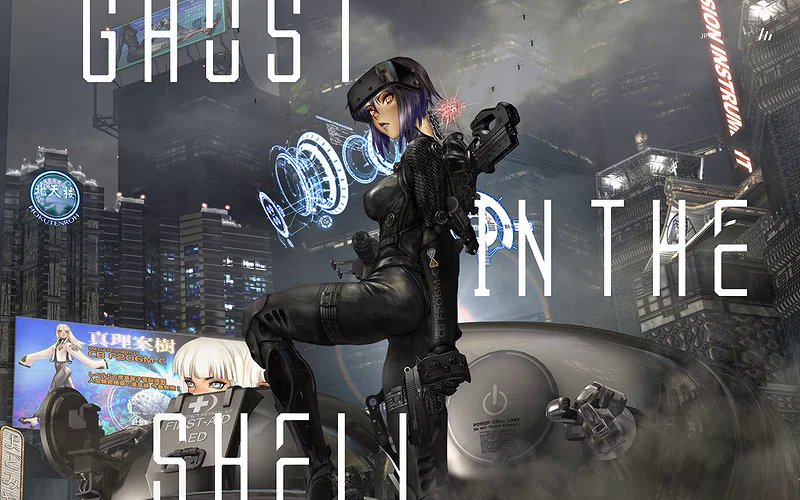
For years, many viewers have assumed Ghost in the Shell to be a heavy, philosophical work with a slow pace. This style was shaped by Mamoru Oshii’s film and influenced many adaptations that followed.
However, fans who have read Masamune Shirow’s manga know it has a very different tone. Alongside philosophical themes about artificial intelligence, human nature, and technology, the manga features humor, fast pacing, and energetic storytelling.
In interviews at Anime Expo with io9 and Polygon, director Mokochan explained that the team did not intend to dismiss Oshii’s legacy. Instead, they chose to return to the 1989 manga to faithfully capture the spirit Masamune Shirow originally created.
According to the director, the project’s goal is to make the original story accessible even to audiences who have never experienced Ghost in the Shell before.
Ideas from over 30 years ago still amaze viewers
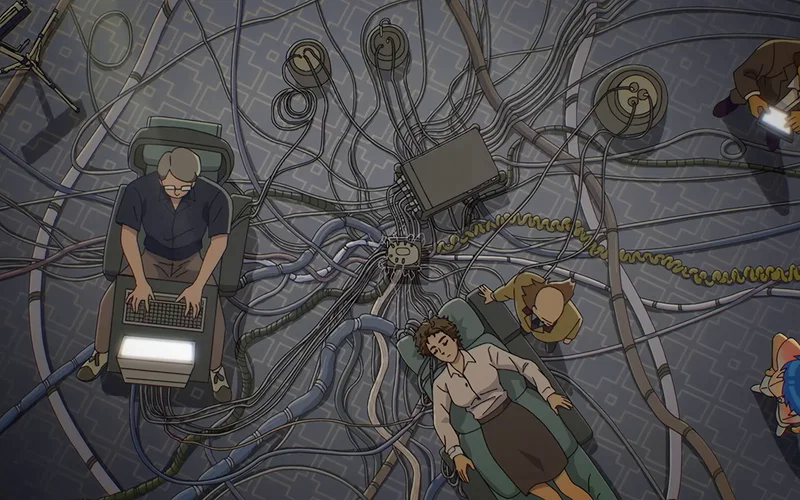
One of the biggest surprises for the production team was how pioneering the original manga remains.
Mokochan shared that rereading the manga revealed how accurately Masamune Shirow envisioned many technologies that exist today, especially artificial intelligence. Despite being created over 30 years ago, the manga offers valuable perspectives on AI, human identity, biotechnology, and the transformations of modern society.
Moreover, the manga openly explores bold themes around gender, selfhood, and the connection between humans and machines. These are elements Science SARU wanted to preserve, rather than turning Ghost in the Shell into a serious military story like many past versions.
The visual style is designed to mirror the manga
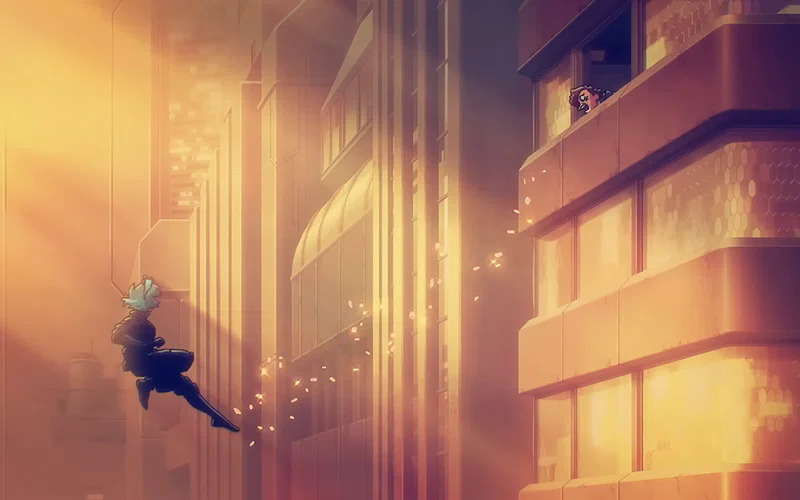
Science SARU not only stays true to the story but also recreates a visual style close to Masamune Shirow’s artwork.
Early images show the anime uses soft linework, expressive character animation, and a clear illustrative feel, moving away from the clean, realistic style typical of Production I.G’s works.
Director Mokochan revealed the team intentionally preserved some “noise” in the image processing. He explained that these details, which might seem like technical flaws, actually help the film feel closer to hand-drawn art.
Most importantly, the production team decided from the start not to add new elements just to stand out. They believe that by honoring the original manga, the film’s unique identity will naturally emerge.
The remake promises a fresh perspective even for longtime fans
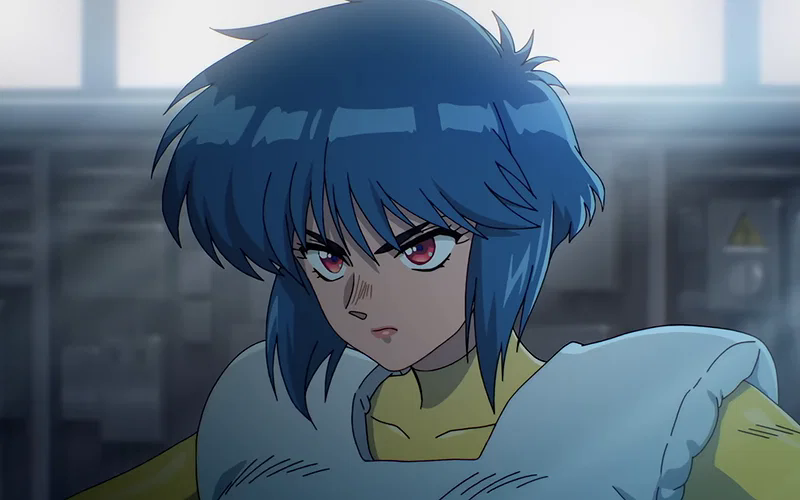
In the past, each successful Ghost in the Shell adaptation reflected its director’s personal vision. Mamoru Oshii brought a profound philosophical tone, while Stand Alone Complex stood out with its modern action and investigative atmosphere.
Science SARU takes a completely different approach: letting Masamune Shirow’s original voice take center stage.
This is why many manga readers have high hopes for the project. For those who only know Ghost in the Shell through anime, the 2026 version promises a brand-new look: more dynamic, funnier, yet still maintaining the philosophical depth that made the manga one of the most influential sci-fi works of all time.
If Science SARU delivers on its promises, this could be the first time fans see Ghost in the Shell on screen in a form closest to the original manga after more than 35 years since its debut.