


Denji’s journey as a devil hunter has officially come to an end, but instead of announcing a third part, Chainsaw Man concluded with a “world reset” style ending. This sparked outrage among readers as creator Tatsuki Fujimoto offered almost no answers to the core mysteries.
In Japan, a post on X (Twitter) reached over 5 million views simply listing the many unanswered questions: “What exactly is Chainsaw Man? Who inflicted the wounds on Pochita at the start? Why is Pochita the only one who can erase devils? Which devil did Kobeni make a contract with? What is the chainsaw sound echoing in hell? How many primordial fear devils exist?”
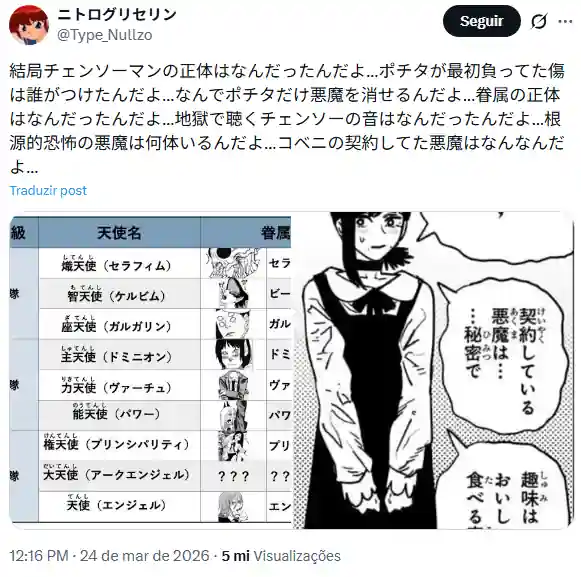
Harsh Criticism from Devoted Fans
Most readers expressed deep disappointment, outright rejecting optimistic fan theories and insisting: “Stop hiding behind conspiracy theories. We want clear answers from the creator, not baseless fan speculation.”
Many harshly criticized Fujimoto for what they saw as a lack of responsibility, suggesting he seemed to have lost motivation to deliver a proper conclusion. Instead, he offered a generic “world reset” and a forced hint at a happy future in a parallel universe.
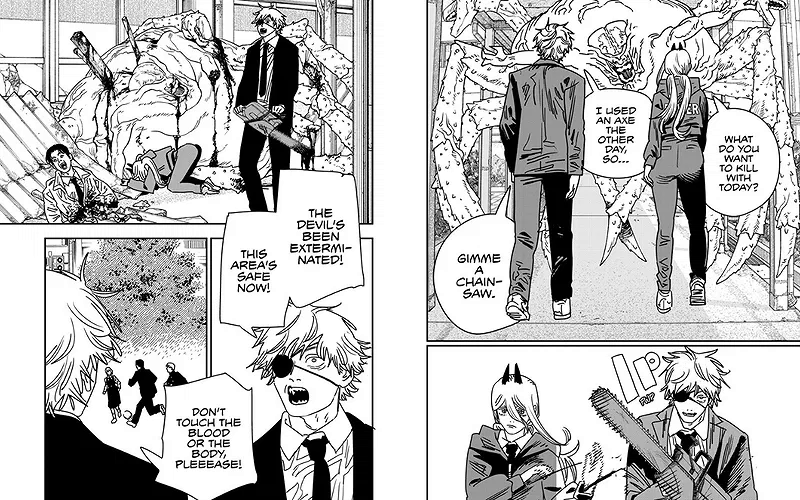
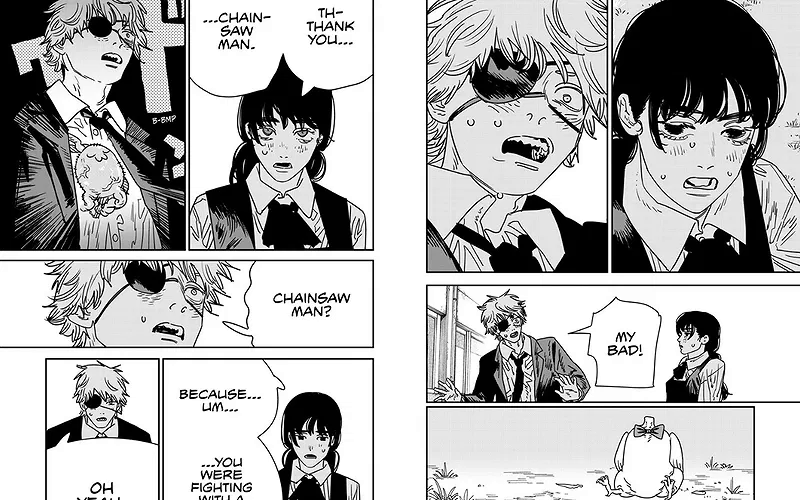
A sense of wasted potential pervades fan discussions, as many realize that numerous plot points seemed designed only to promote anime and movie projects.
From Asa’s dream about a chicken that vanished without explanation, the disappearance of “best girl” Reze, to the promise of finding Power in hell, all are now seen as unresolved and forgotten.
Particularly frustrating is the paradox surrounding the protagonist’s power: why is Chainsaw Man the most terrifying being in the world? Even at the very end, the true meaning behind the series’ title remains unclear, leaving a vast emptiness for fans who have followed the story for eight years.
Is Fujimoto better at creating mysteries than resolving them?
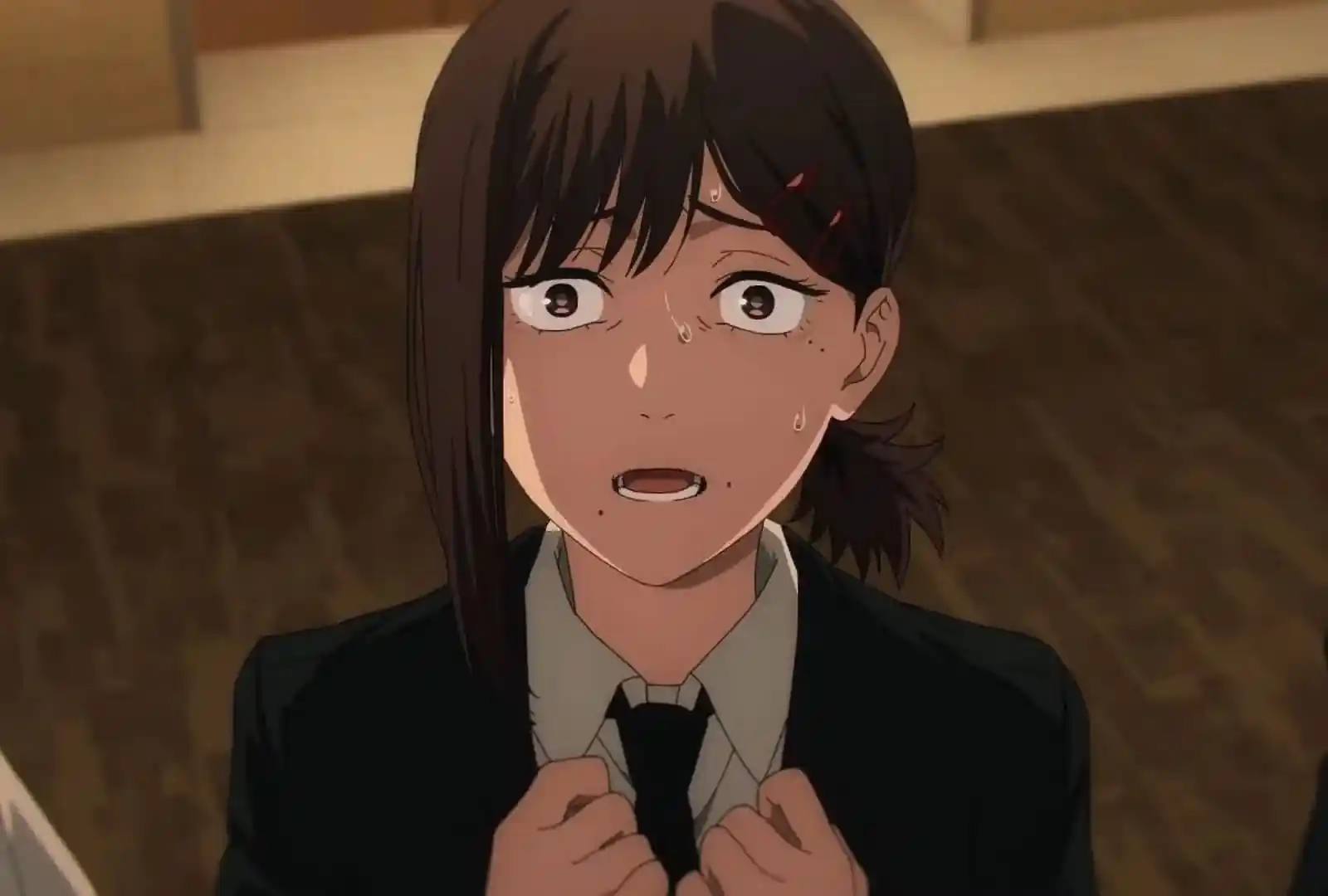
Many voices candidly say mangaka often excel at crafting intriguing mysteries but struggle to tie them up satisfactorily. Some fans even compare this disappointment to the controversial ending of Tokyo Revengers.
Despite the criticism, a small group of viewers argue that leaving gaps is Fujimoto’s signature style, valuing artistic expression and unconventional storytelling over straightforward explanations. However, for most readers who have journeyed with the series for eight years, this remains a painful scar.