


July 20 marks the 25th anniversary of Spirited Away, the film that catapulted Hayao Miyazaki and Studio Ghibli to the pinnacle of global cinema. Not only was it the first anime to win the Oscar for Best Animated Feature, but Spirited Away is also considered a timeless masterpiece thanks to its poetic storytelling, rich symbolism, and deep roots in Japanese culture.
Behind Chihiro’s journey lies a wealth of inspiration drawn from folklore, Shinto beliefs, and profound life philosophies. Even after 25 years, the film continues to reveal new layers of meaning to audiences of all ages.
Here are five reasons why Spirited Away is widely regarded as Hayao Miyazaki’s finest work.
1. Chihiro is an ordinary girl, not a chosen hero
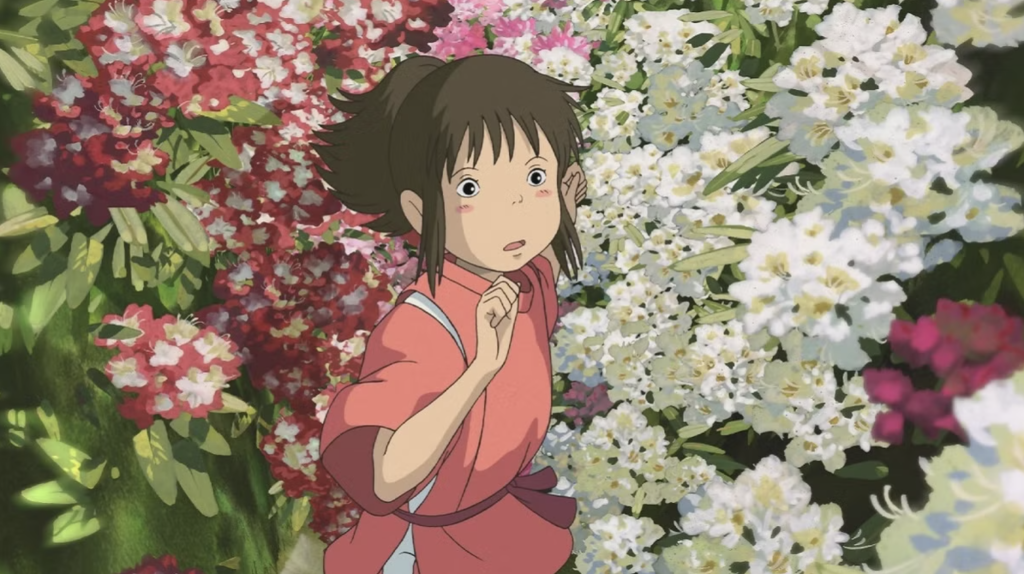
Unlike many adventure protagonists, Chihiro doesn’t possess special powers or a destiny to save the world. She is a shy, whiny 10-year-old reluctantly moving to a new home.
Miyazaki has said he based Chihiro on the daughters of close friends, especially the producer Seiji Okuda’s daughter. He wanted to create a character any child could see themselves in.
This ordinariness makes Chihiro’s coming-of-age journey feel authentic. She changes not because fate chooses her, but because she must learn to adapt to a strange new world. That’s why the film still resonates emotionally after a quarter-century.
2. No-Face became an unexpected icon
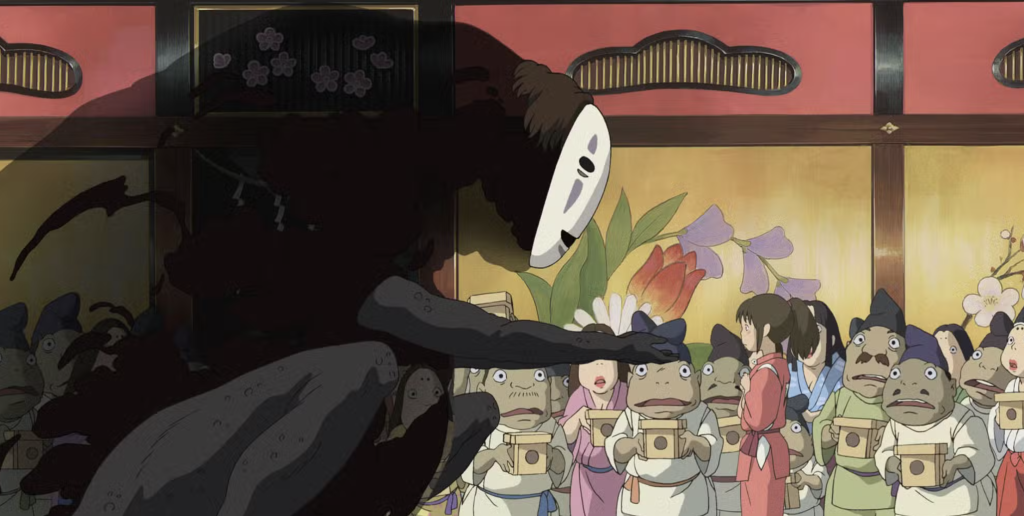
If Chihiro is the heart of the film, No-Face is the character who leaves the deepest impression on viewers.
Interestingly, Miyazaki never intended No-Face to be a star of Spirited Away. The director explained that this character represents people without a fixed identity who try to fit in and rely on others to define their worth.
At first, No-Face quietly observes everything. But after entering the bathhouse and succumbing to greed, the character transforms into a chaotic, terrifying creature.
Alongside No-Face, the witch Yubaba and her twin sister Zeniba were inspired by Yama-uba, a famous witch figure in Japanese folklore.
3. The spirit world is based on real locations
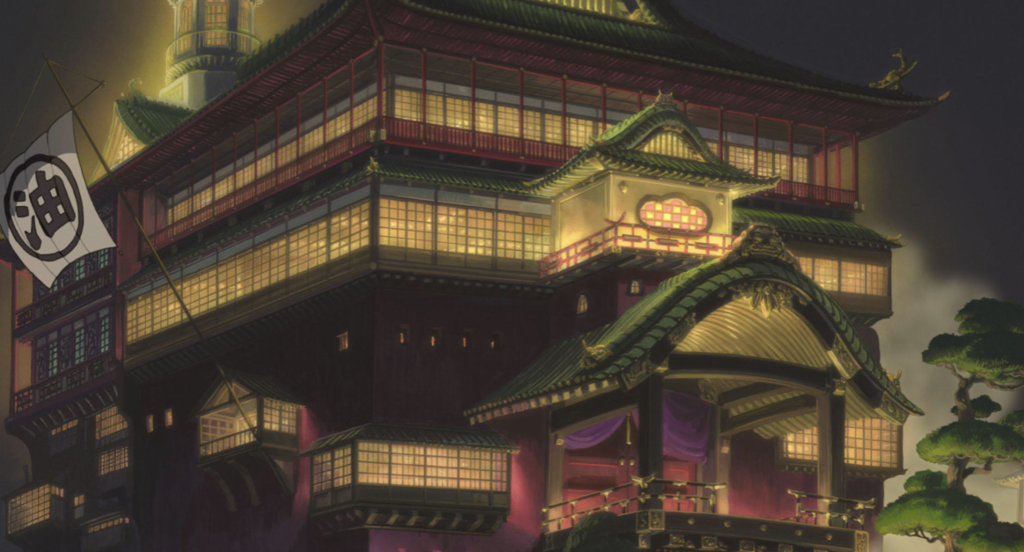
One reason Spirited Away feels so vivid is its bathhouse setting for the gods.
Miyazaki didn’t invent everything from imagination but blended famous Japanese sites like the Dogo Onsen hot springs, Sekizenkan in Gunma Prefecture, and the Edo-Tokyo Open Air Architectural Museum.
The film also features many creatures from Shinto beliefs. The giant Radish Spirit (Oshira-sama), unnamed gods on a boat, and Haku, the river spirit, all come from the Japanese idea that everything has a spirit.
Notably, the “Stink Spirit” is actually a river god polluted by human waste. This serves as a strong environmental message Miyazaki weaves throughout his works.
4. The film was made with almost no complete script
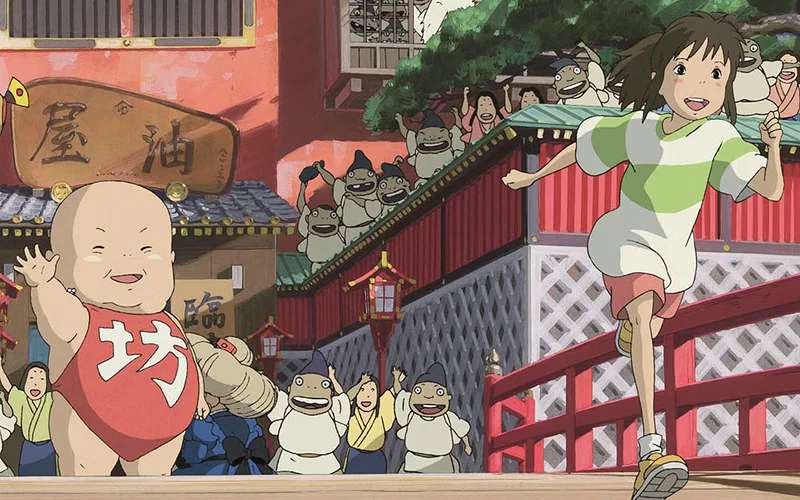
Unlike traditional film production, Miyazaki hardly wrote a full script before making Spirited Away.
He told the story directly through storyboards and drawings. In total, Miyazaki personally sketched over 1,400 scenes.
Initially, he planned about 1,200 shots, but as the story evolved, the film demanded over 200 additional scenes.
This approach gives Spirited Away a natural flow. Events don’t follow the typical three-act Hollywood formula but feel like a journey where Chihiro gradually observes, experiences, and grows.
Even the original title, Sen to Chihiro no Kamikakushi, reflects this idea. After entering the spirit world, Chihiro loses part of her real name to Yubaba and must live as Sen. In Japanese folklore, a person’s name is closely tied to their soul and identity.
5. A historic success that brought Japanese anime to the world
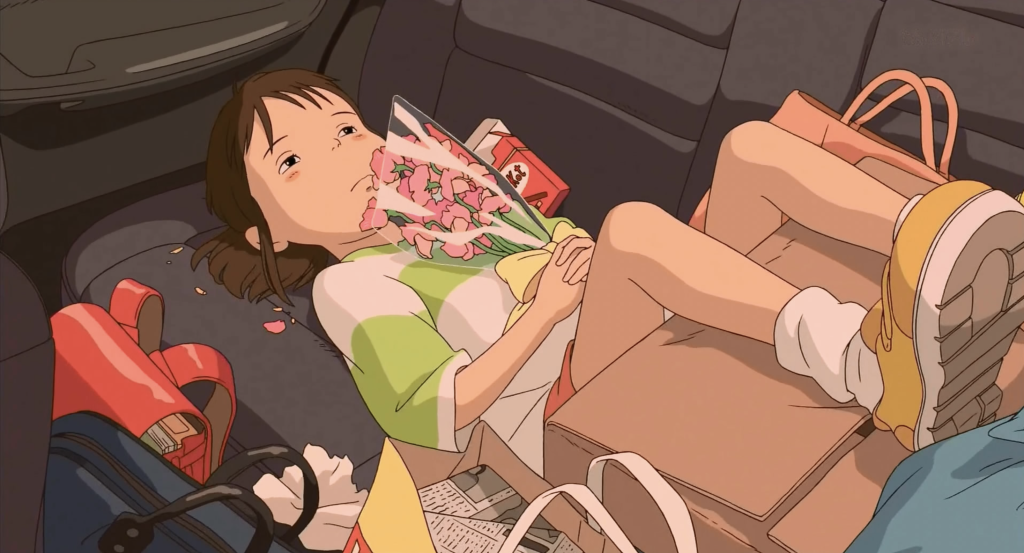
Spirited Away not only achieved artistic acclaim but also broke numerous box office records. It surpassed Princess Mononoke to become Japan’s highest-grossing film, holding that title for nearly 20 years until Demon Slayer: Mugen Train overtook it in 2020.
As of 2026, Spirited Away has earned over $396 million worldwide, an impressive figure for a Japanese animated film.
More importantly, in 2003, Spirited Away became the first anime to win the Oscar for Best Animated Feature, opening the door for Japanese animation to reach a broad international audience.
The English dub released by Disney, supervised by Pixar’s John Lasseter, also helped Spirited Away become a global icon while preserving its original spirit and values.