


Wuthering Heights is currently one of the most talked-about film adaptations, not only because of the weight of its original novel but also due to director Emerald Fennell’s bold approach. The film centers on the intense, haunting relationship between Cathy Earnshaw (Margot Robbie) and Heathcliff (Jacob Elordi), a passionate love trapped by social and class constraints.
In Wuthering Heights, the story is told not just through dialogue or psychological development but vividly through the characters’ living spaces. The two main houses, Wuthering Heights and Thrushcross Grange, symbolize opposing worlds, reflecting the characters’ choices, desires, and inner conflicts. Director Emerald Fennell transforms the setting into a visual language where every design detail is carefully crafted with purpose.
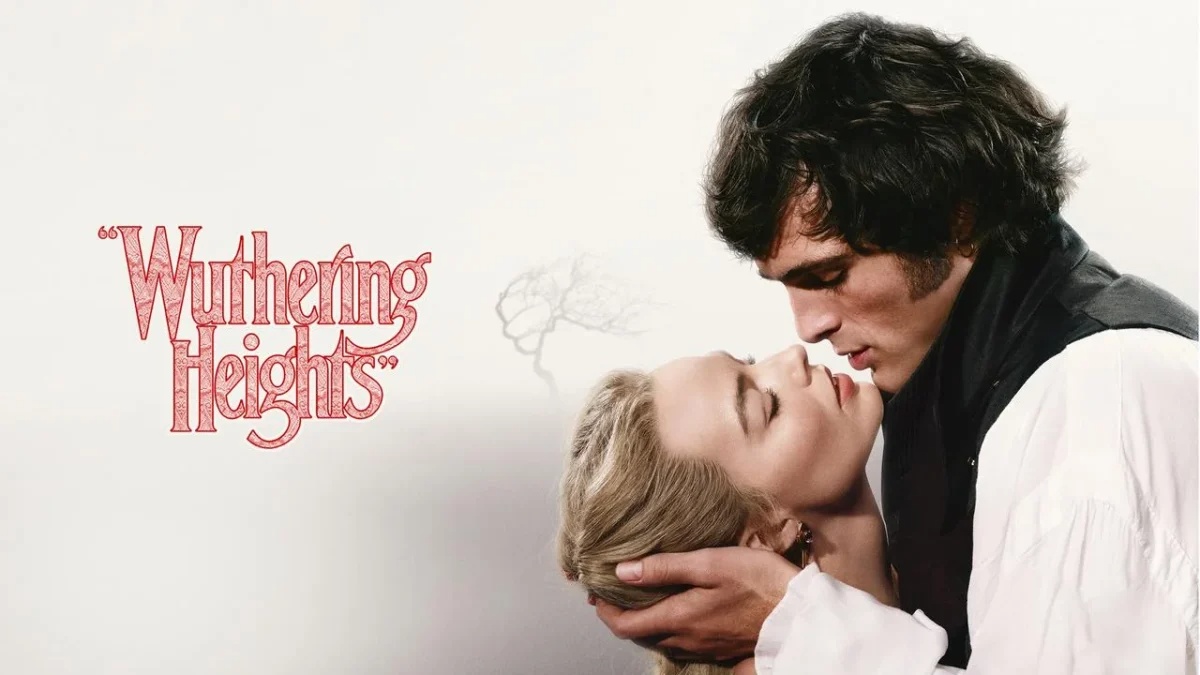
Here are 9 hidden details you might miss on your first viewing, revealing the filmmakers’ impressive craftsmanship.
1. Nature
In the original Wuthering Heights, the wild Yorkshire moors are like the soul of the story: untamed, fierce, and raw, mirroring Cathy and Heathcliff’s personalities and emotions. In Emerald Fennell’s film, nature not only surrounds the house but gradually invades it, with strange textures on the walls and stones piercing through partitions, giving the impression the house is being overtaken by the wild. This emphasizes that nature in Wuthering Heights cannot be controlled, just like the characters’ temperaments and fates.
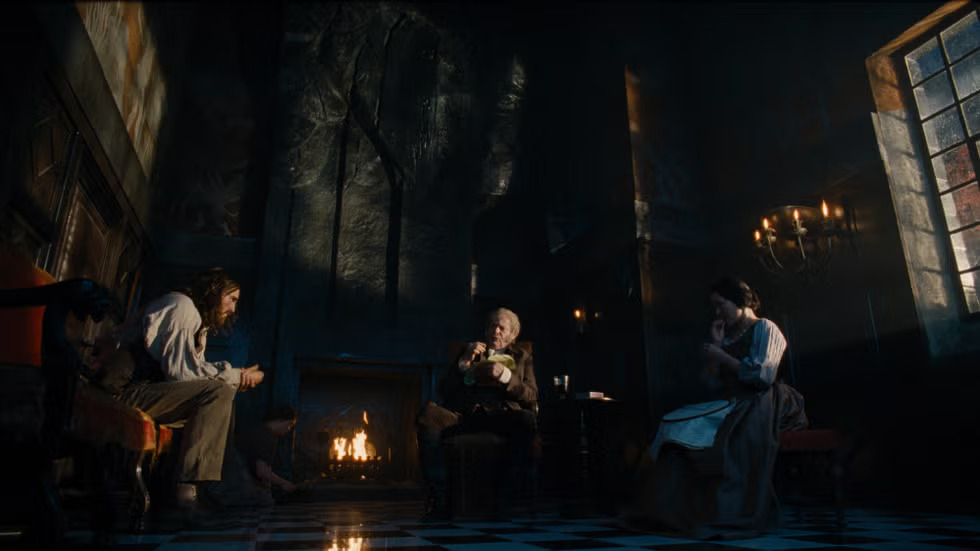
2. Low Ceilings
Unlike the high ceilings and large windows of Thrushcross Grange, the Linton family estate, Wuthering Heights, where Heathcliff grew up, is built with low, narrow, and somewhat claustrophobic spaces. This design highlights Heathcliff’s feeling of isolation as an orphan and outsider struggling to be accepted by the Earnshaw family. Notably, the deliberately low ceilings make Jacob Elordi, who stands 6’5″, appear physically cramped in his own home, visually expressing the character’s alienation and insecurity.
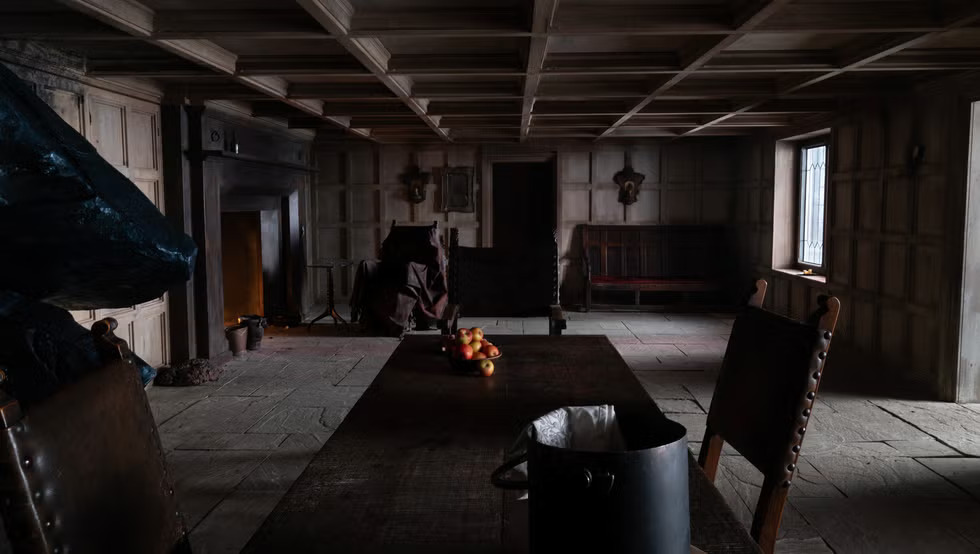
3. The Dollhouse
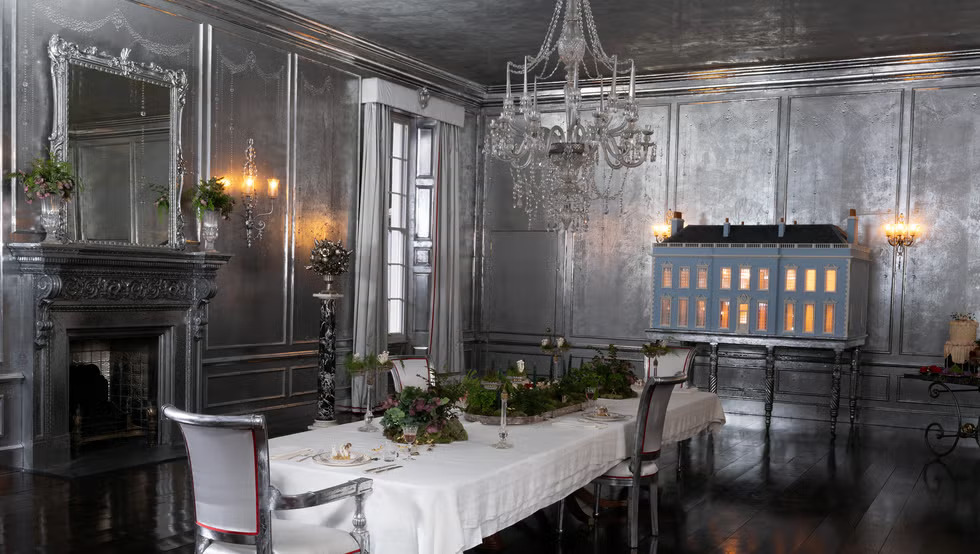
Dolls appear repeatedly throughout the film as a clear symbol. Early scenes show dolls hanging suspended in Cathy’s childhood bedroom. When the story shifts to Thrushcross Grange, this idea is amplified with a dollhouse modeled after the Linton estate.
The dolls and dollhouse evoke a sense of display and arrangement but also symbolize forced infantilization and subtle control over Cathy. In the glamorous world of Thrushcross Grange, she and those around her become objects placed within strict boundaries, beautiful but lacking freedom.
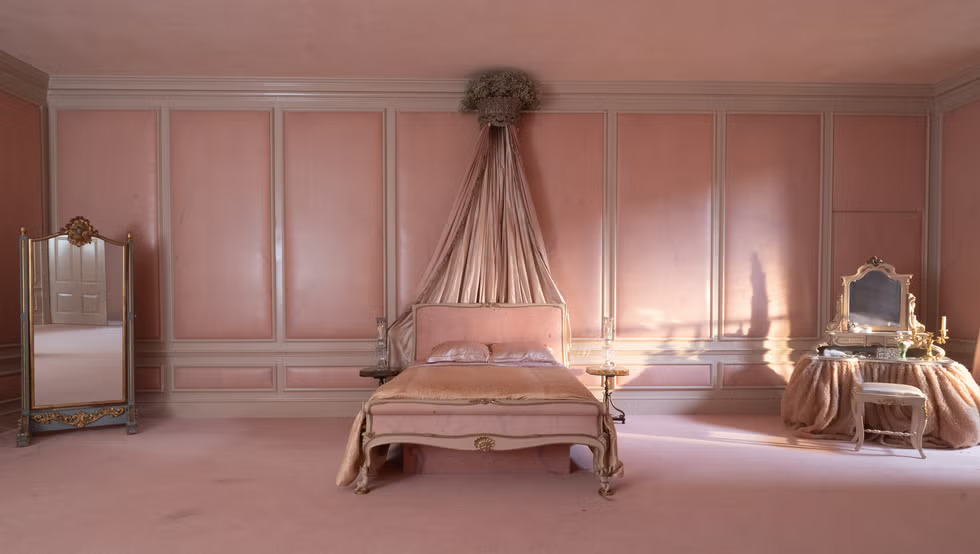
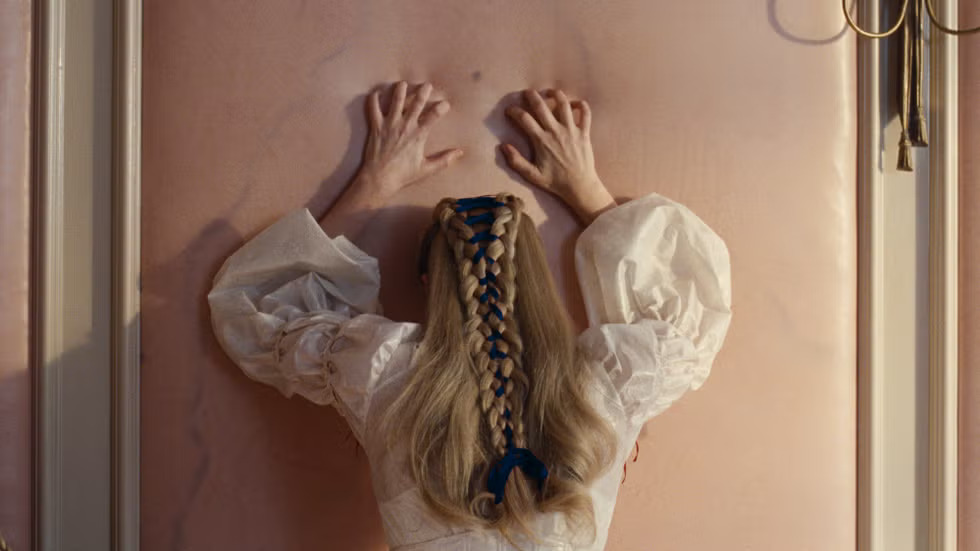
4. Cathy’s Bedroom Made From Margot Robbie’s Skin
The pink walls in Cathy’s bedroom are actually scans of Margot Robbie’s real skin, complete with veins, moles, and fine hairs. The curtains and headboard are adorned with hair matching the character’s color. This detail shows that Cathy doesn’t just live in the house, she has become part of it.
5. The Living Room’s Deathly Vibe
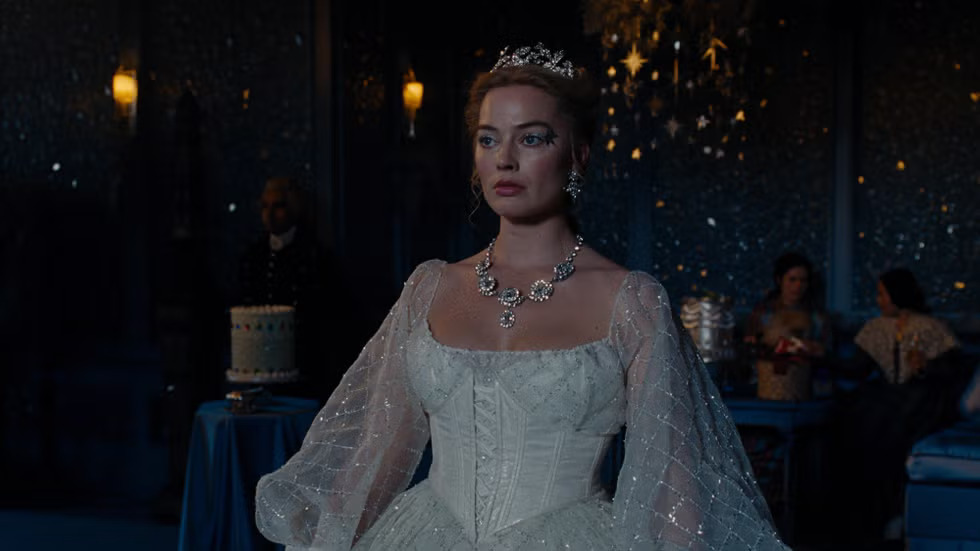
Thrushcross Grange’s living room features deep, dark blue tones that feel heavy and cold. The walls are decorated with crystals resembling vivianite, a mineral that often forms on buried corpses. This detail gives the elegant space a haunting, unsettling atmosphere, as if death and decay quietly lurk beneath the glamorous surface.
6. The “Sweating” Walls
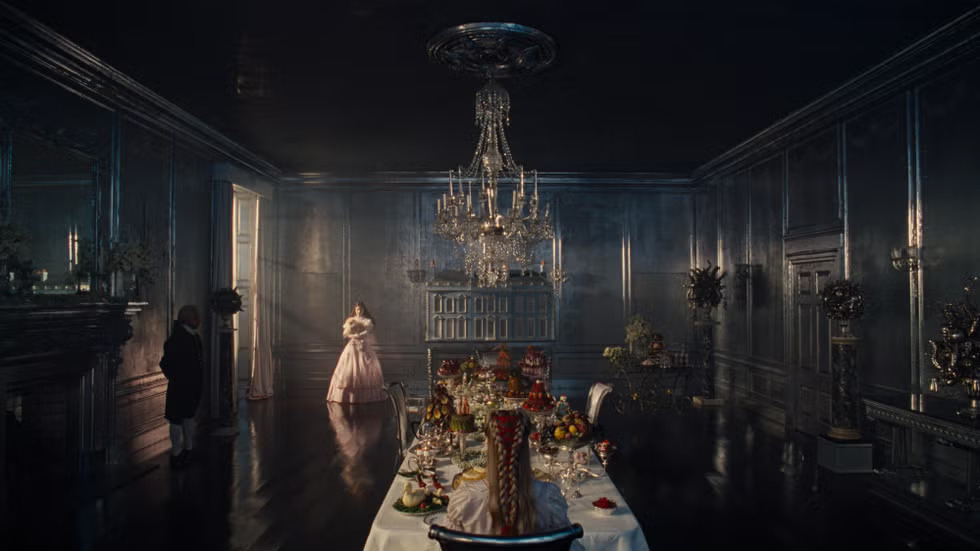
The dining room at Thrushcross Grange is covered in silver metal with droplet-shaped details that look wet, like sweat dripping down. According to Margot Robbie, this is Emerald Fennell’s way of visually expressing bodily emotions so the audience can feel the film’s tension, suffocation, and sensuality, making the space itself seem to “sweat.”
7. The Garden Inspired by a Painting
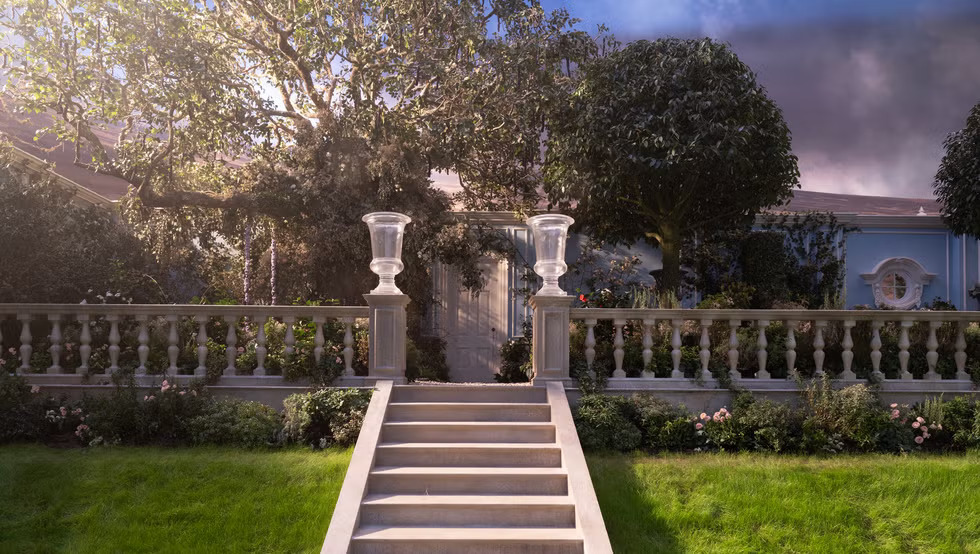
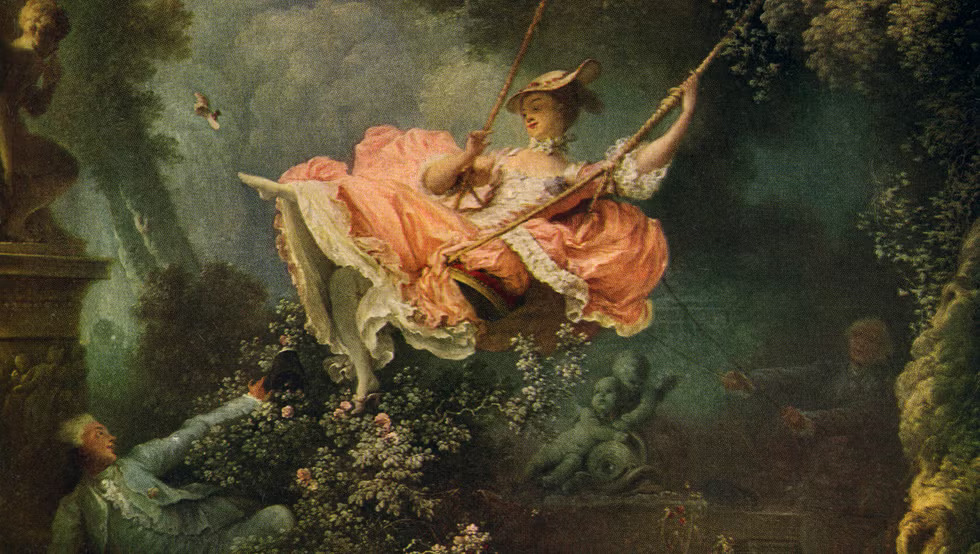
The swing in Thrushcross Grange’s garden directly references Jean-Honoré Fragonard’s painting The Swing. This famous, once-controversial artwork shows a young woman swinging while a man watches silently from below, evoking sensuality and the observer’s suggestive gaze. This connection adds a layer of meaning to the garden, turning what seems romantic into a space charged with themes of watching, possession, and hidden desires.
8. Trapped Details
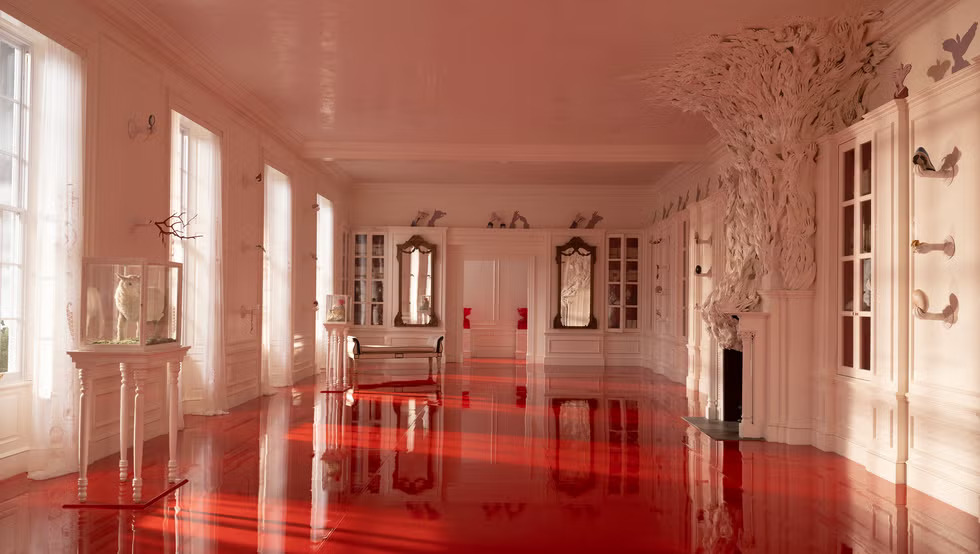
Fish in plastic bowls and sheep in glass cages, Thrushcross Grange is portrayed as a gilded cage. Compared to the wild openness of the Yorkshire moors, the Grange is beautiful but clearly restricts the main character’s freedom.
9. Hands Reaching Everywhere
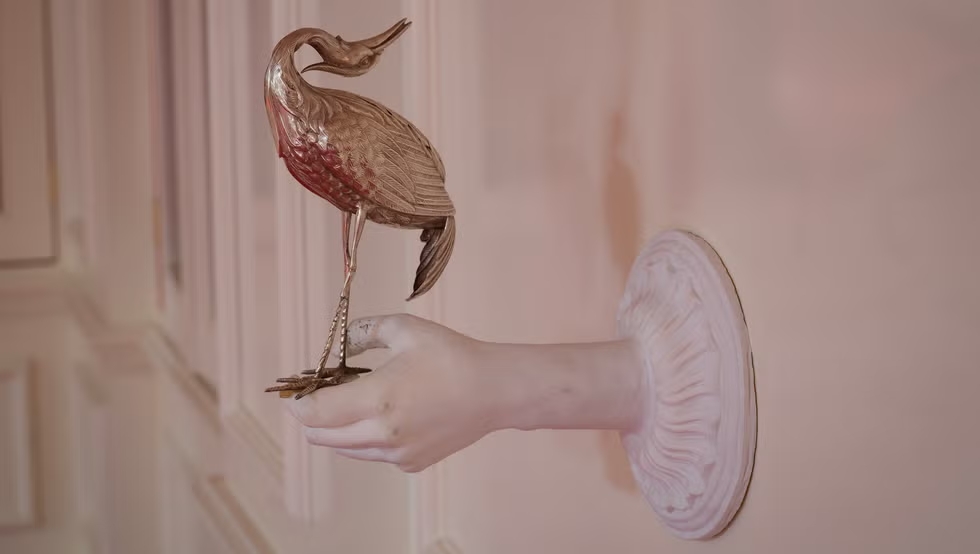
One of the most unusual features at Thrushcross Grange is the abundance of hands appearing as candle holders, on lamp tops, and on the fireplace. This references the ghostly hand scene in chapter three of the novel and symbolizes Cathy’s insatiable desire, a character who never feels satisfied and always wants more, further, and different.
Source: House Beautiful