
Adapting manga or light novels into anime is always a double-edged sword. Sometimes, studios take too many liberties by adding characters or changing the story, unintentionally offending the original creators. This has led to public disputes and boycotts that shocked the fan community.
Here are some cases where mangaka and light novel authors were furious because their anime adaptations strayed far from the original spirit.
1. Hellsing (2001)
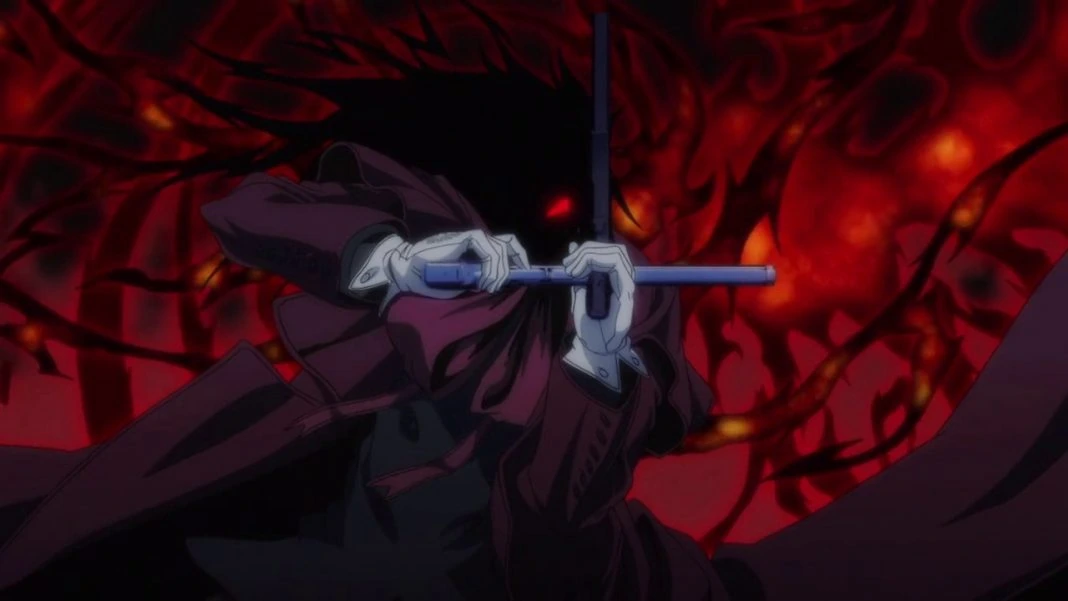
Hellsing (2001) was one of the most anticipated projects but ended up a huge disappointment for Kouta Hirano, the series creator. Concerned about sensitive issues involving characters inspired by fascists, the studio removed the villain The Major for international release.
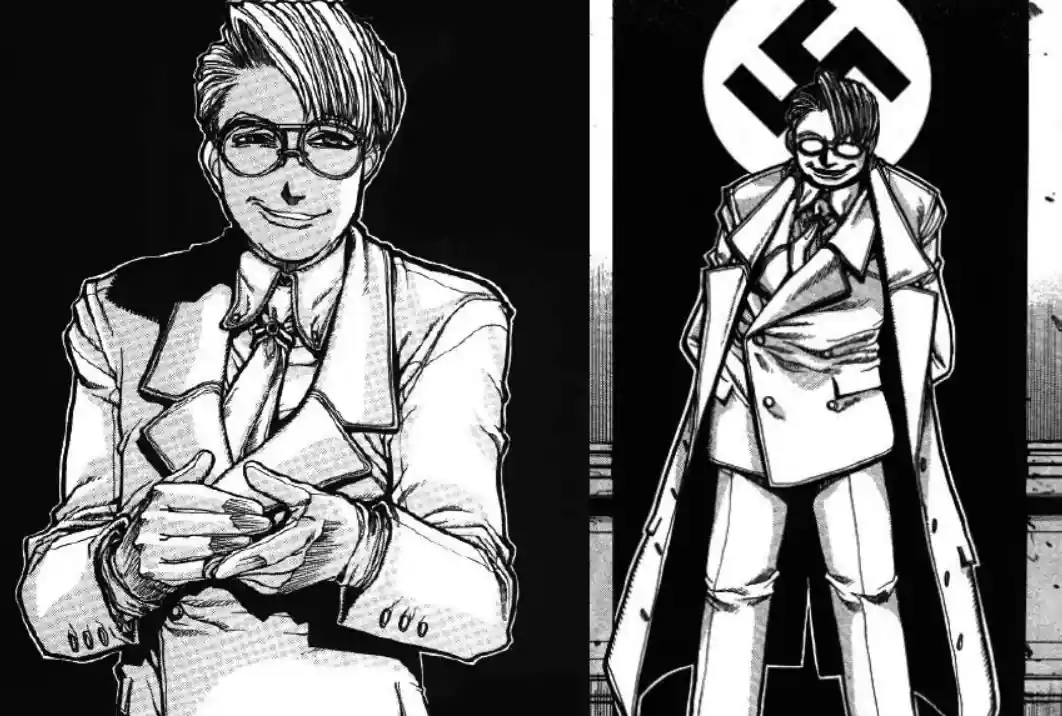
Cutting this key character stripped the story of its original wild edge. Hirano openly criticized the adaptation online, calling himself “foolish for having expectations.” He even refused to draw the DVD cover and said he sold off the DVDs to a retailer out of frustration.
2. Ahiru no Sora (2019)
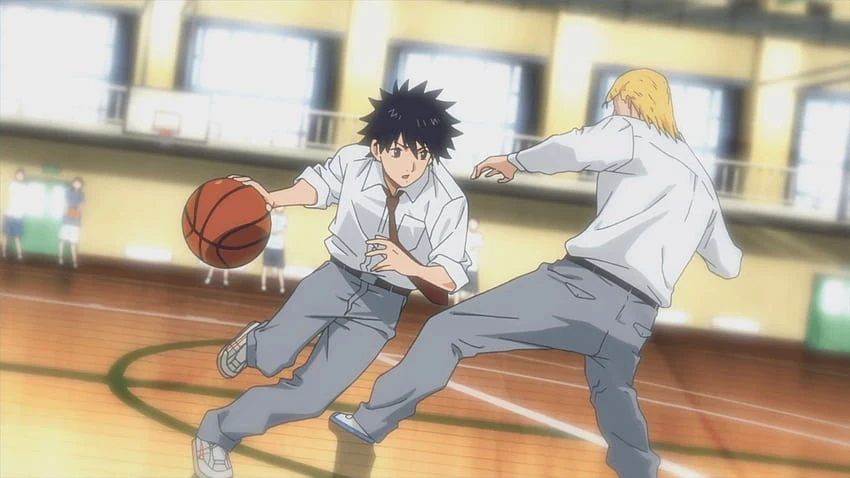
Unlike Hellsing, Takeshi Hinata, author of the basketball manga Ahiru no Sora, was angry about an over-the-top creative addition by the production team. In one episode, the studio added glowing light effects from characters’ eyes during games, a signature trait exclusive to the “The Zone” state in the hit Kuroko no Basuke.
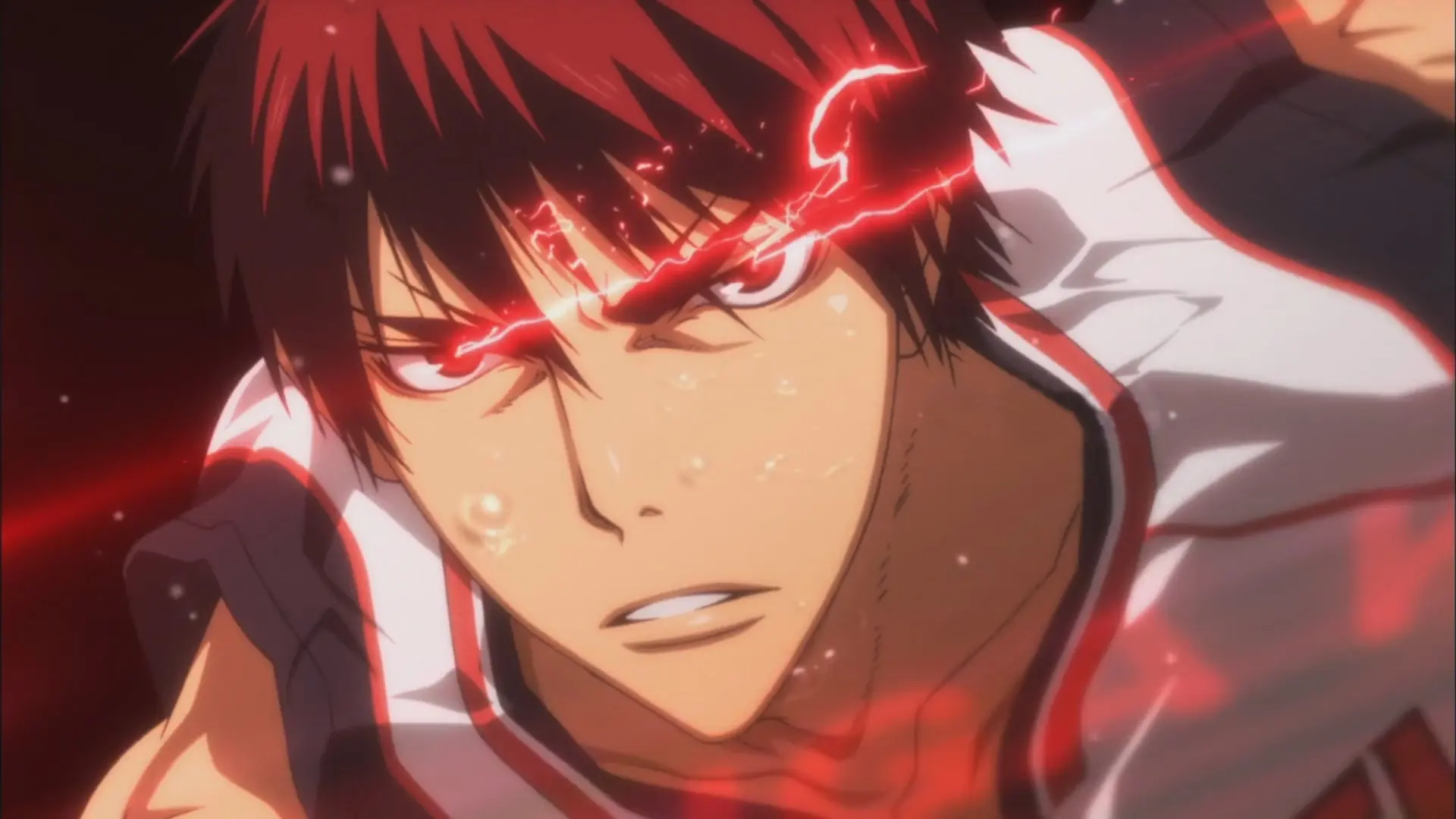
Hinata immediately apologized to fans and called the anime staff a disappointment. He said this detail was not in the manga and made his work look like a copy of someone else’s idea.
3. Gunslinger Girl
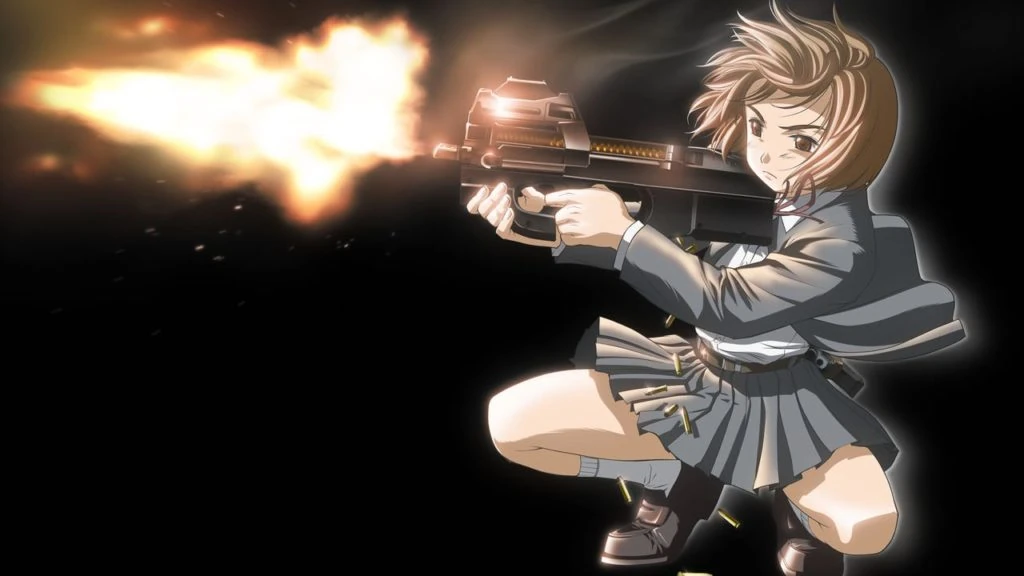
Gunslinger Girl’s case is unusual. The first season shifted the tone to a dramatic, somber focus on characters’ psychology, which was not what creator Yu Aida intended. However, this season was very successful and praised by fans.
To correct this, Aida intervened directly in season two to make it closer to the manga. The result was a style disaster. The tone suddenly became bright, voices were overly cheerful, and there was excessive use of fan service shots. This 180-degree change shocked viewers and drew heavy criticism.
4. Osamake
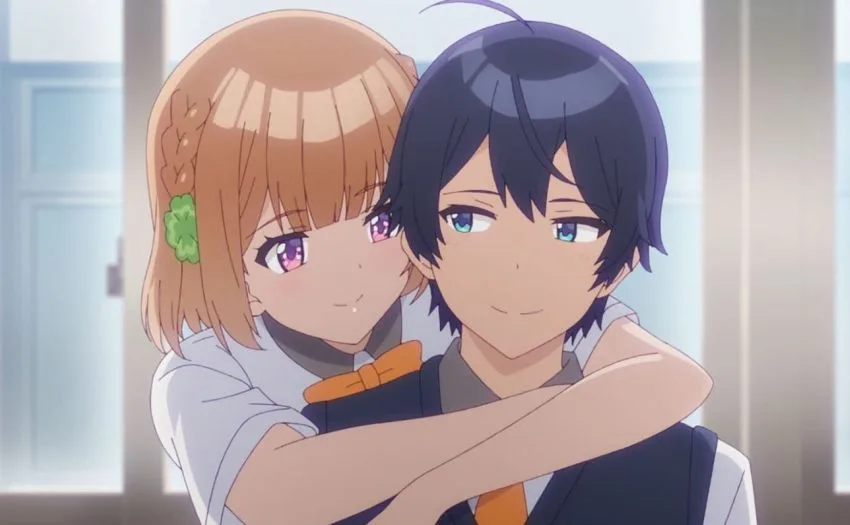
Most recently, Osamake faced backlash. Although the original light novel sold extremely well, the anime’s animation quality and movement were disastrously poor.
The original author shared on Twitter that he couldn’t watch more than four episodes of his own work. This deep disappointment caused a creative block that lasted six months. This is a clear example of how a bad adaptation can seriously damage a creator’s career.