


For over half a century, the manga Doraemon by the late Fujiko F. Fujio has been an inseparable part of many generations’ childhoods. The series’ charm comes not only from its magical gadgets but also from its relatable cast of characters.
Among the group of friends, if you had to pick the ideal model who attracts the girls, most readers would immediately think of Dekisugi, the all-around top student, handsome and the classic “national crush.” However, longtime fans who have read every episode closely will realize that Nobita, the nearsighted, clumsy, lazy boy who is a regular customer of zero scores, is actually the most popular heartthrob in the entire series. Without a dashing appearance, Nobita boasts a fanbase that stretches from the real world to fantastical realms, unmatched by any other character.
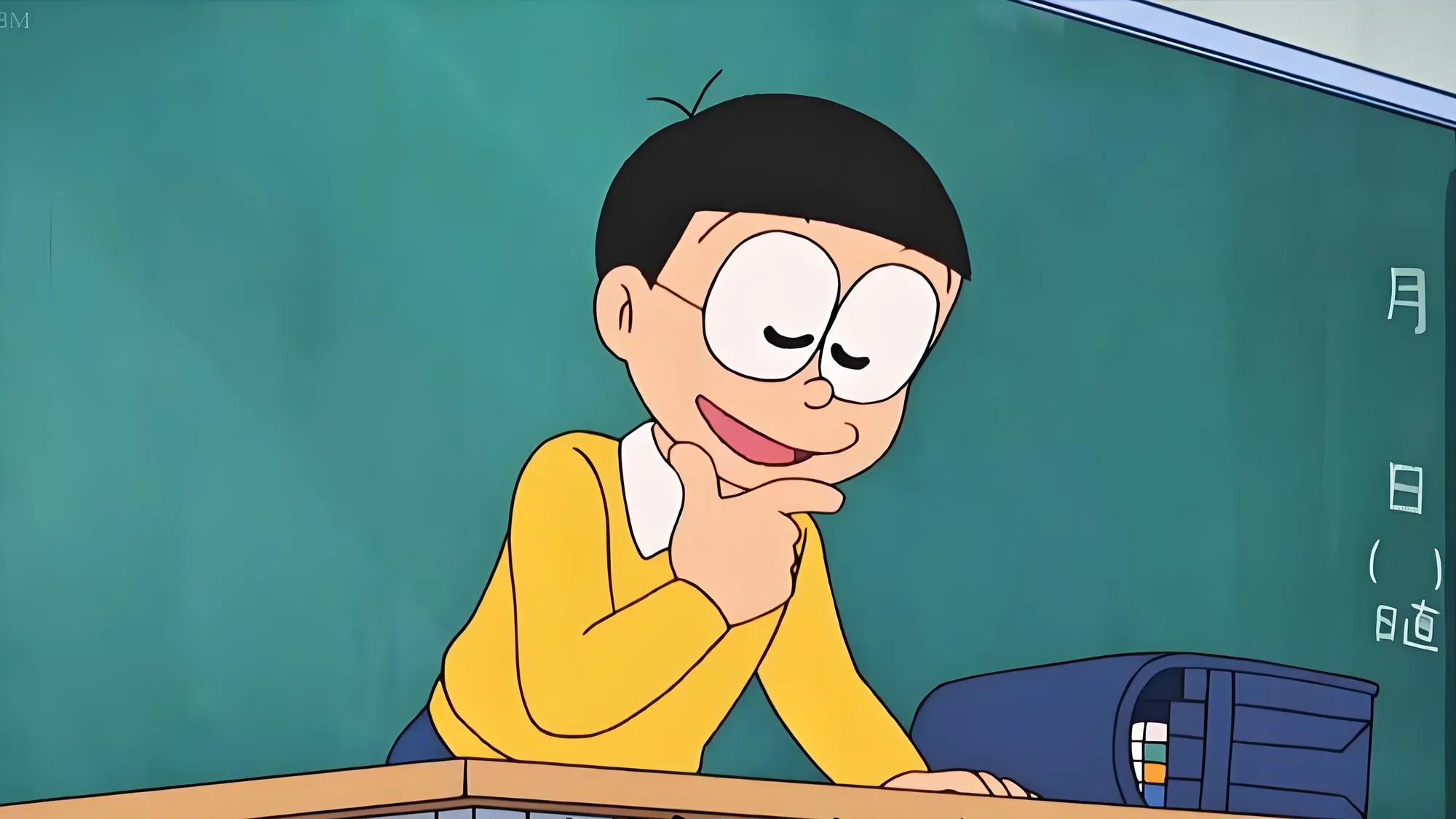
Why is Nobita considered a heartthrob?
Most readers focus only on Nobita’s loyal, sometimes naive love for Shizuka, but if you look back at each short story, Nobita has a knack for meeting and winning the hearts of many other girls.
From childhood, Nobita had a neighbor friend, Non-chan, who loved playing house with him, and a gentle girl with red shoes, both of whom hold deep memories of him. In some episodes, when Nobita uses gadgets to interact with girls from other classes or swaps places, his awkward sincerity unintentionally wins over new friends, often making Shizuka visibly jealous.
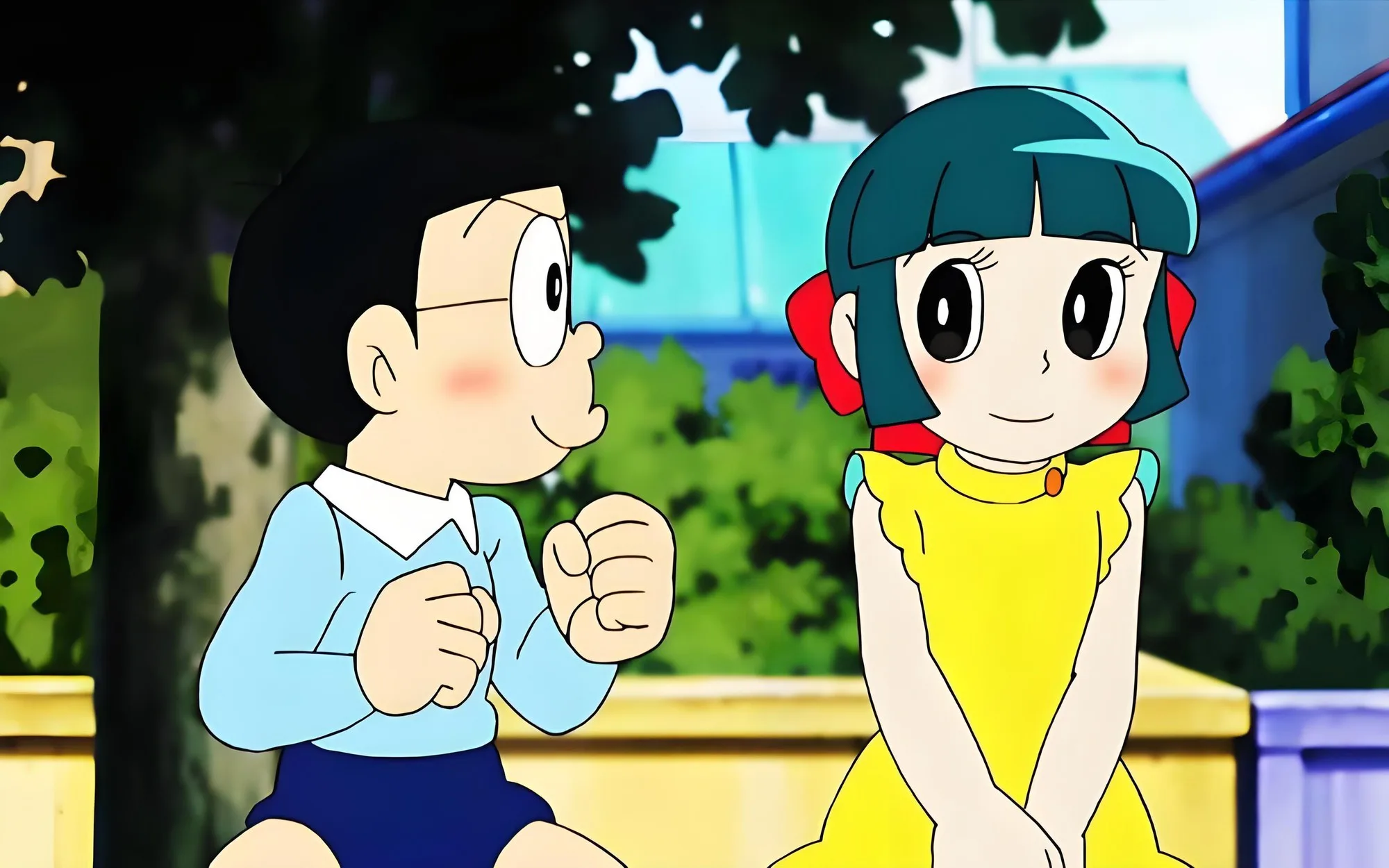
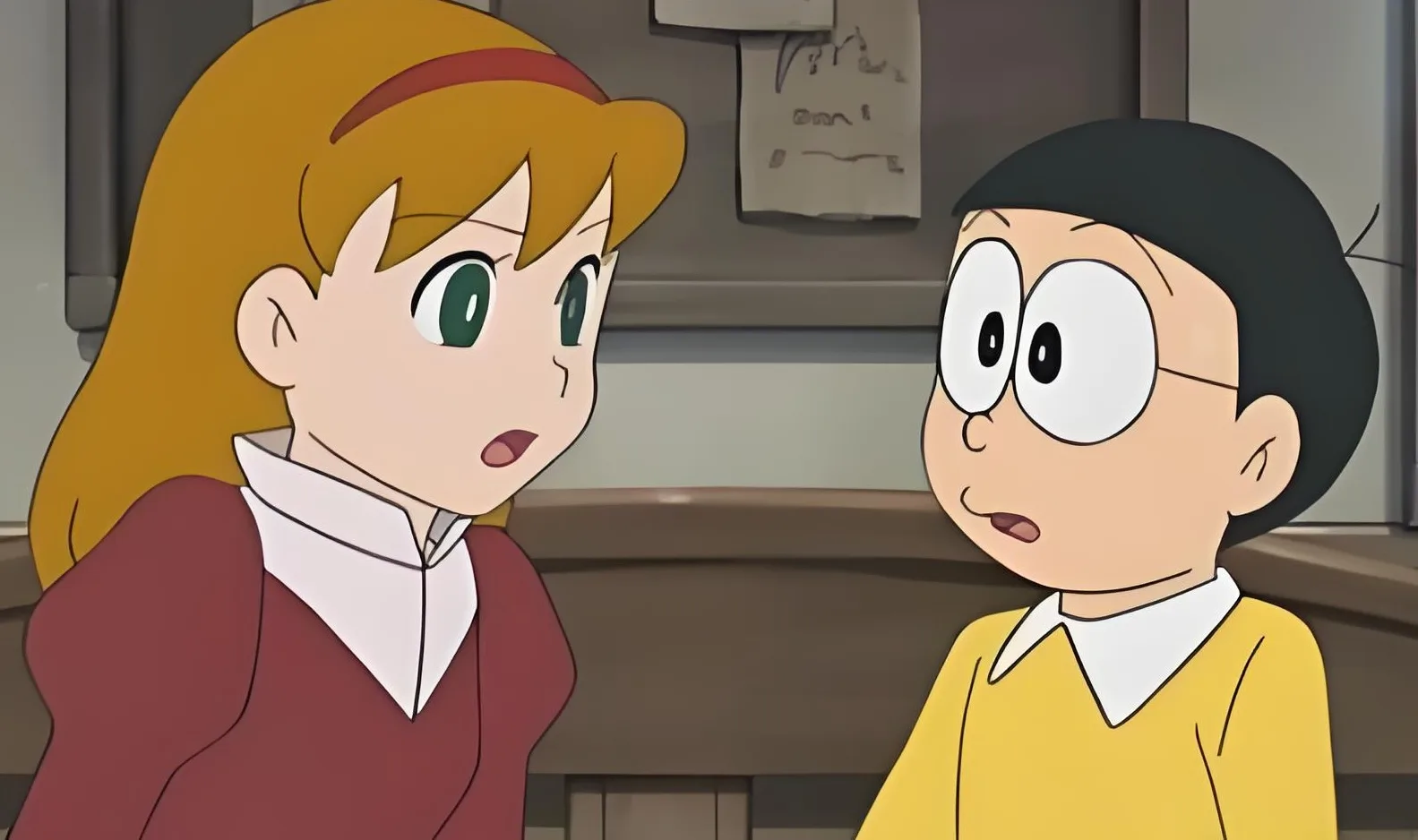
Nobita’s charm truly blossoms on a grand scale in the longer stories, when the friends embark on adventures through space or mystical worlds. In these settings, where other characters fade into the background, Nobita becomes the central figure who captivates destined heroines.
A prime example is Riruru, the cold robot spy in the story Nobita and the Robot Army. Her ruthless nature as a war machine is completely softened by Nobita’s genuine care, leading her to sacrifice her life to protect Earth. Likewise, Princess Sophia of the mermaid kingdom, the strong Miyoko in the magical world, and the gentle snow fairy all show Nobita special affection that goes beyond ordinary friendship.
Behind the clumsy, awkward Nobita
Nobita’s surprising popularity is not due to luck or forced authorial design. His ultimate weapon in winning over hearts despite his many flaws is his pure compassion and an unguarded heart.
Nobita may be lazy, weak, and shy in daily life, but he has a deeply sensitive and kind soul. He feels pain for a stray dog, cries over a broken branch, and is willing to risk his life to protect the vulnerable.
When faced with a sincere Nobita who is selfless and always thinks of others first, all standards of perfect looks or wealth become meaningless. The female characters around Nobita always find a sense of absolute safety, where they are understood and loved with the purest human emotion.
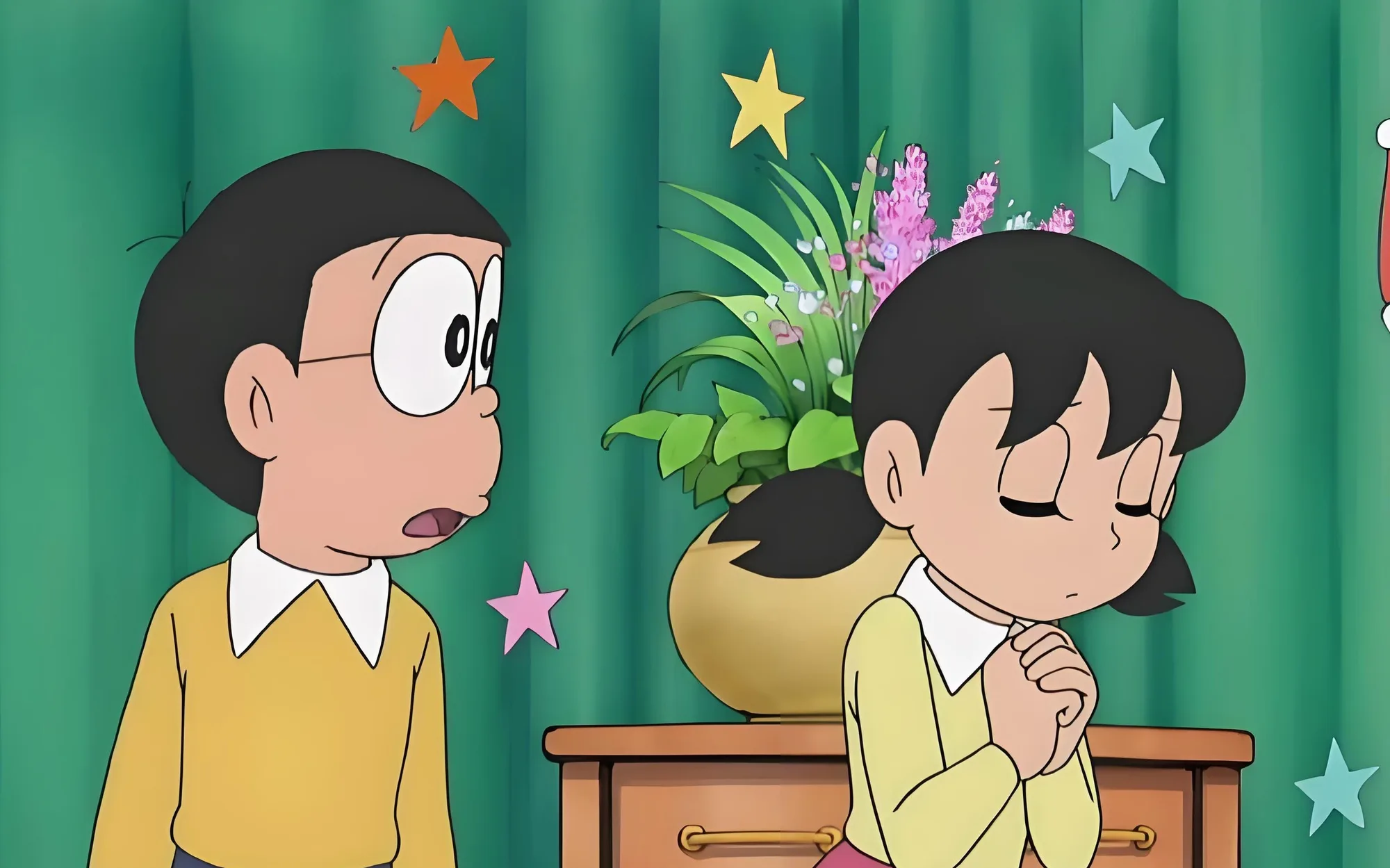
From Nobita’s unique appeal, we see a profound lesson about how adults view and raise children in modern society. Today, many parents unintentionally drag their kids into a fierce race for perfection, from talents and grades to impressive achievements to please adults.
Society often defines a “good” child as someone who always shines and leads, sometimes unfairly labeling slower or clumsier kids as “incompetent” or “stubborn.” Yet, a child’s world needs more than rigid molds, true growth requires nurturing emotional intelligence and character.
A child may lack outstanding talents but can be someone who shares, stands up for isolated friends, or has a sensitive heart that loves family. The affection everyone has for a flawed boy like Nobita confirms that emotional intelligence, kindness, and sincerity are the core values that help a child build strong bonds with their community.
Instead of forcing every child to become a perfect copy, parents and society should learn to listen, appreciate, and nurture the hidden beauty in the souls of ordinary children. After all, achievements may bring momentary pride, but a heart that loves and empathizes shapes a happy, kind, and resilient person for the future.