


Imagine a world where Nobita never met Doraemon. Without the magical gadgets opening doors to the future, without timely lifesaving tools, and without those last-minute escapes, Nobita’s clumsy life would be very different. But this raises a bigger question: what if Nobita had to grow up without Doraemon by his side?
First, Nobita’s life would undoubtedly be much tougher. Without the magic pocket, whenever Gian bullies him or his teacher scolds him for bad grades, Nobita couldn’t run away using any futuristic gadget. He would have to face fear, weakness, and real pain head-on.
This sounds harsh, but it also means Nobita wouldn’t have his usual shortcuts. Instead of waiting for Doraemon to fix things, he’d have to ask himself how to avoid bullying and how to improve his test scores. These small questions could be the starting point for real change.
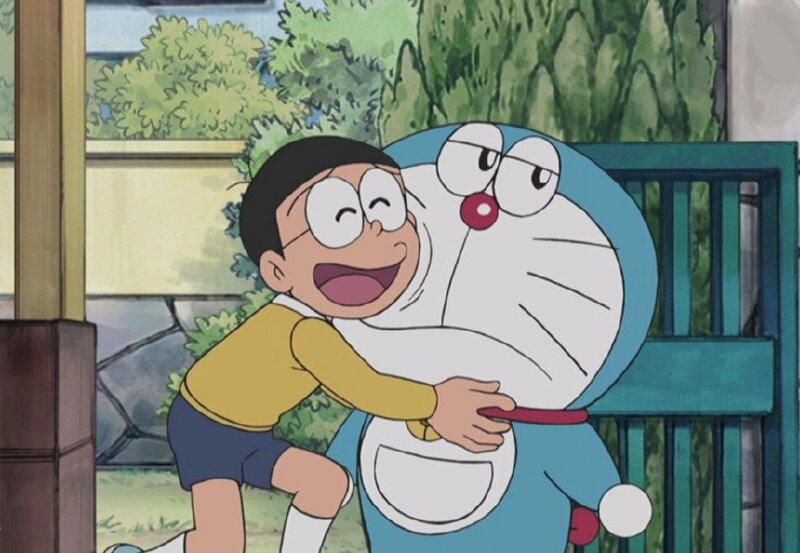
Without Doraemon, Nobita might cry more, stumble more, and face more failures. But failure, without anyone clearing the path, forces a person to learn how to get back up. Nobita might be slower and clumsier than others, but every small step forward would be a result of genuine effort. Without gadgets to rewind time or instantly fix mistakes, he’d have to accept consequences and learn to take responsibility for his choices. This is a lesson Doraemon’s overprotection sometimes unintentionally took away from him.
Another interesting point is how Nobita’s relationships would change without Doraemon. He might no longer rely on magic to gain acceptance. His friendships with Shizuka, Suneo, or even Gian wouldn’t be backed by futuristic tech displays. Instead, Nobita would have to learn to behave better, apologize when wrong, keep promises, and try for others. Relationships built this way might not be flashy but would be more lasting because they come from Nobita’s true self, not borrowed from a magic pocket.
However, it’s undeniable that Doraemon gave Nobita something crucial: the belief in a better future. Without Doraemon, Nobita might grow up with deep insecurities, convinced he’s destined to fail.
Doraemon wasn’t just a helper but someone who saw Nobita’s potential, even when Nobita didn’t believe in himself. Without Doraemon, Nobita might need someone else, family, teachers, or a friend, to fill that role, constantly reminding him that no matter how bad things are now, he’s worth the effort.
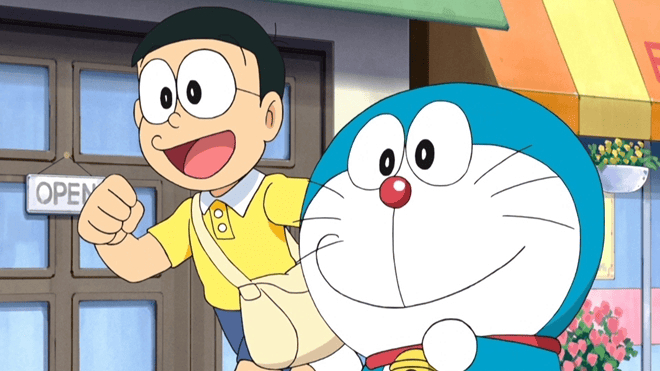
From another perspective, the “no Doraemon” scenario is like taking away Nobita’s safety net. He’d have to learn to swim in life’s currents on his own. He might panic, but if he doesn’t give up, he’ll gradually realize his own strength. In this case, maturity doesn’t come from magic but from endurance and adaptation. Maybe a Nobita without Doraemon would be weaker at first but stronger in the long run.
Ultimately, this story isn’t just about Nobita. It’s a metaphor for many people in real life who grow up overly sheltered by family, society, or technology. When there’s always a “Doraemon” behind us, we get used to waiting to be saved, guided, or given ready solutions. But when “Doraemon” disappears, fear arises, and so does the chance to grow. We have to face ourselves, learn responsibility, and discover strengths we never believed we had.
So, if Nobita didn’t have Doraemon, his world would surely be less magical. But in return, he might have the chance to become a different Nobita, slow but resilient, clumsy but never giving up. The most thought-provoking question isn’t how much Nobita would suffer without Doraemon but whether we, too, have the courage to write our own stories when the “gadgets” in our lives vanish.