
More than four decades after its debut, no one can deny that Dragon Ball is one of the most successful and influential anime franchises ever. Generations of fans worldwide first connected with anime through the adventures of Goku and Earth’s greatest heroes.
However, due to production constraints, many hardcore fans and critics have pointed out that Toei Animation’s anime adaptation sometimes made serious mistakes, especially regarding pacing and character spirit.
1. Goku vs. Frieza (Namek Saga): Battle dragged out unnecessarily
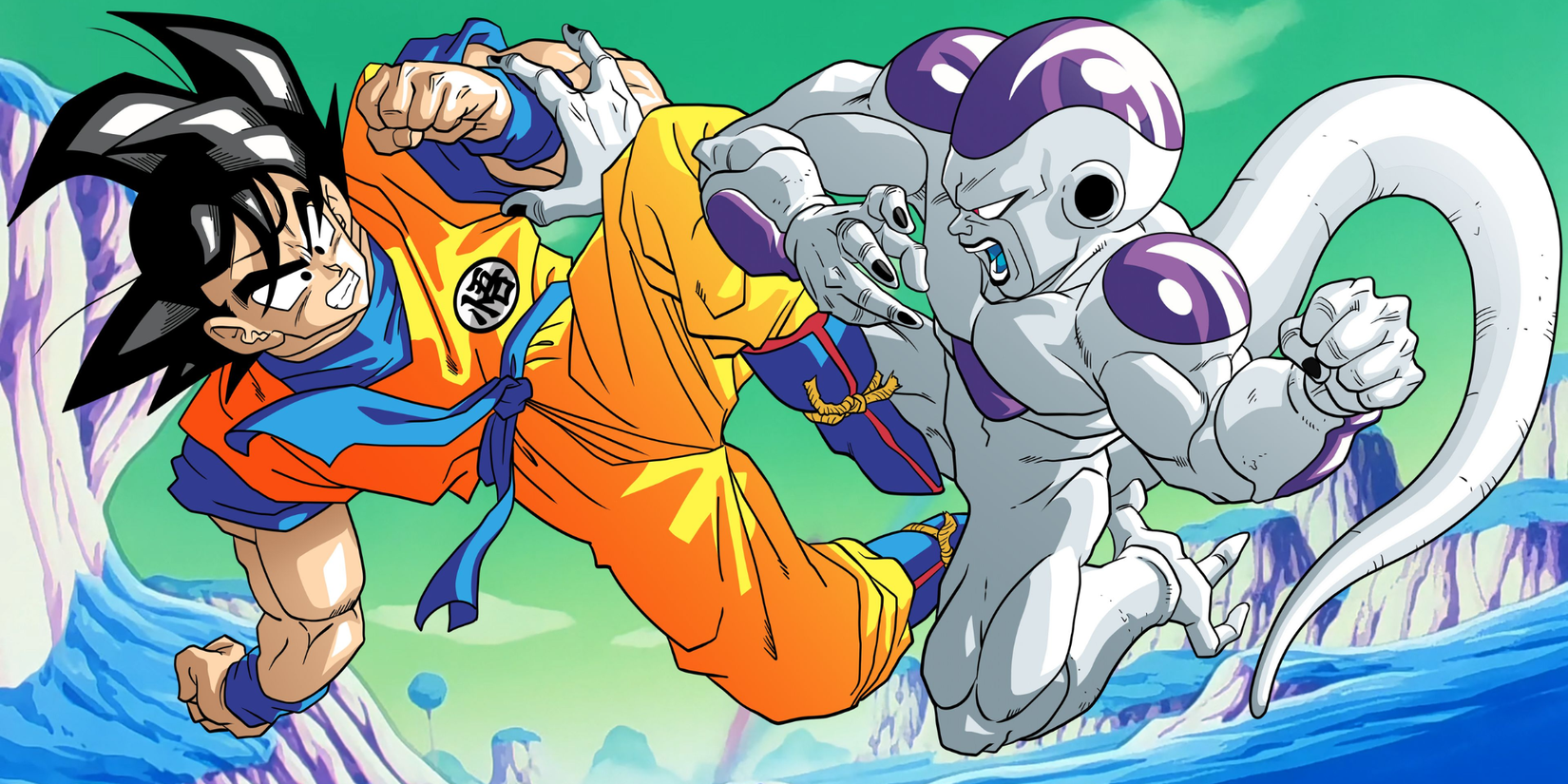
Dragon Ball is home to some of the most memorable heroes and villains. Frieza is one of them, sparking Goku’s first Super Saiyan transformation. Yet, in the anime, their fight isn’t as thrilling as many fans admit.
The Goku vs. Frieza battle in the anime lasts over four hours, an excessively long stretch that diminishes the tension. In contrast, the manga covers this fight in about 20 chapters with a fast, fluid pace that keeps the story’s momentum without unnecessary padding.
2. Majin Buu Saga: Tone shift fails and sluggish pacing
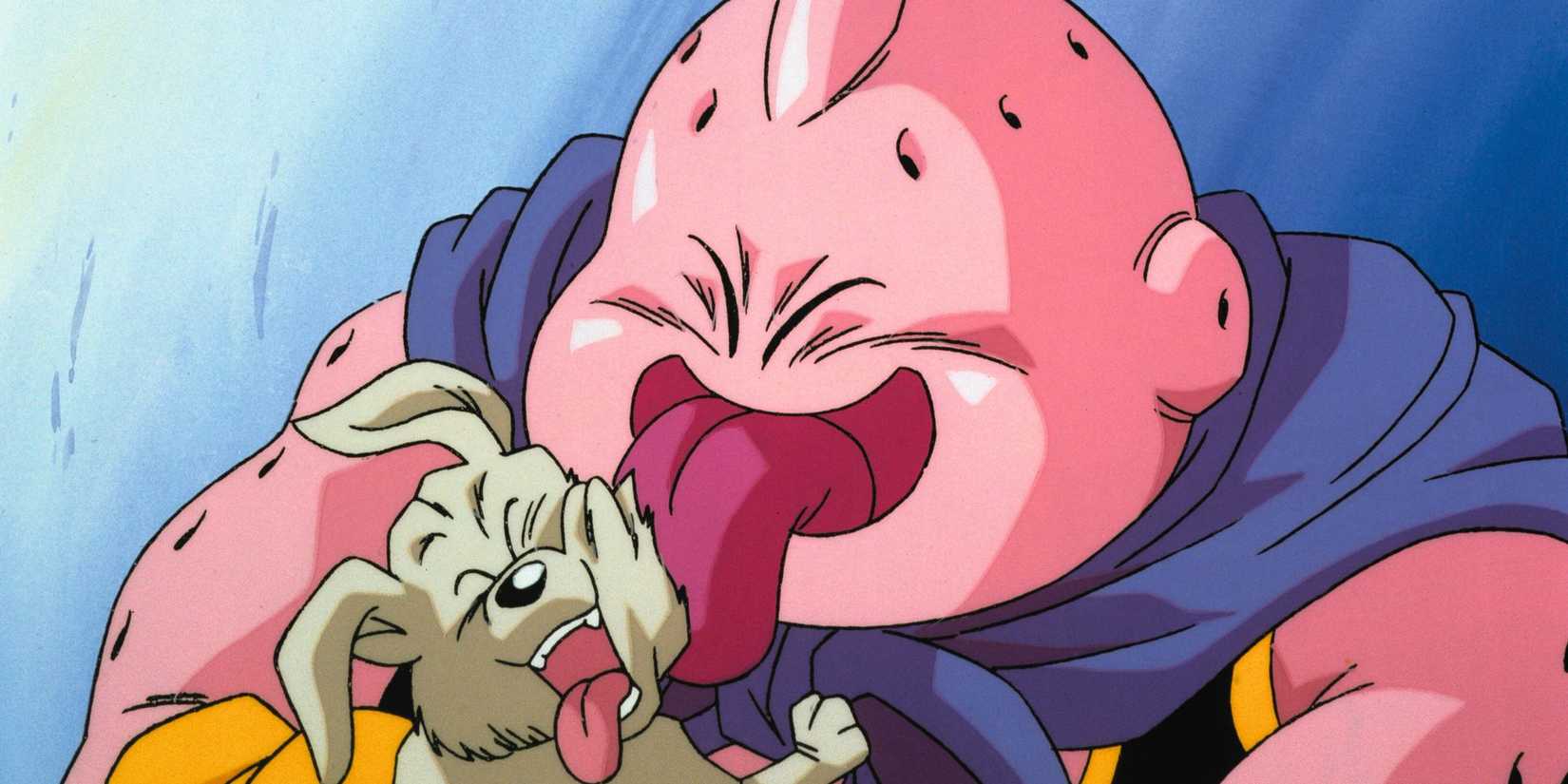
Among Dragon Ball’s arcs, the Majin Buu Saga remains the most divisive. Some fans appreciate its contributions, like the Fusion details, while others see it as a step backward.
Negative feedback often targets the anime version, where the original humorous tone shifts and pacing issues slow down the story. The anime spends too much time on the Majin Vegeta vs. Goku fight and exploring Buu’s inner world, but these extended scenes ultimately drag the plot down.
3. Goku Black Arc (Dragon Ball Super): Anime skips iconic manga scenes
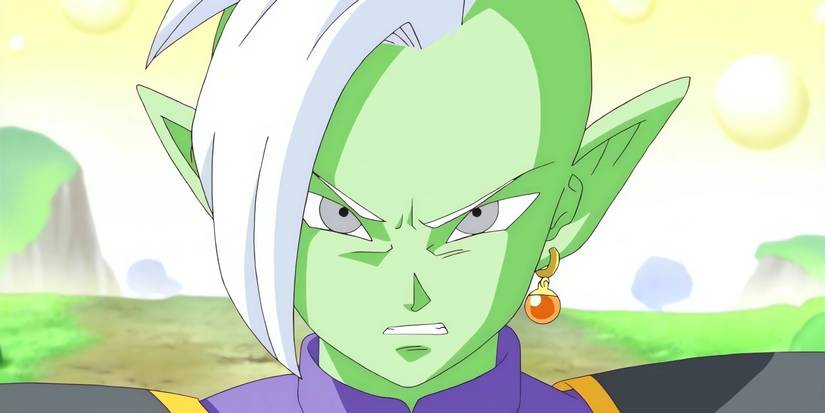
Dragon Ball Super introduced a new generation of anime fans since its 2015 launch. Although the anime and manga ran concurrently, there are notable differences, especially in the Goku Black arc.
The anime’s Goku Black arc is generally well-received, despite criticism of its latter half. The series omits several iconic manga moments, including the Zamasu army and Goku’s use of the Hakai technique to erase Zamasu. The anime’s depiction of Rage Trunks also sparked debate, with many believing the anime should have followed the manga more closely.
4. Goku’s “I Am” speech: English dub misrepresents the character
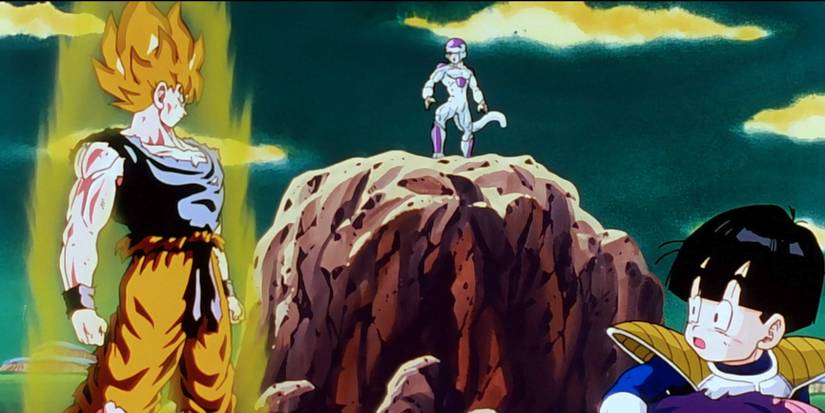
After Goku’s Super Saiyan transformation, it’s unclear how much of his lovable hero remained. The “I Am” speech helped clarify this, but Funimation’s English dub (popular in North America) mishandled the scene.
Instead of staying true to the original script, the dubbed Goku veers off, portraying himself as a superhero who helps those in need. This depiction is not Goku and led an entire generation of American fans to misunderstand the Saiyan’s character for years.
5. Goku vs. Kefla (Dragon Ball Super): Manga gives Gohan a chance to shine
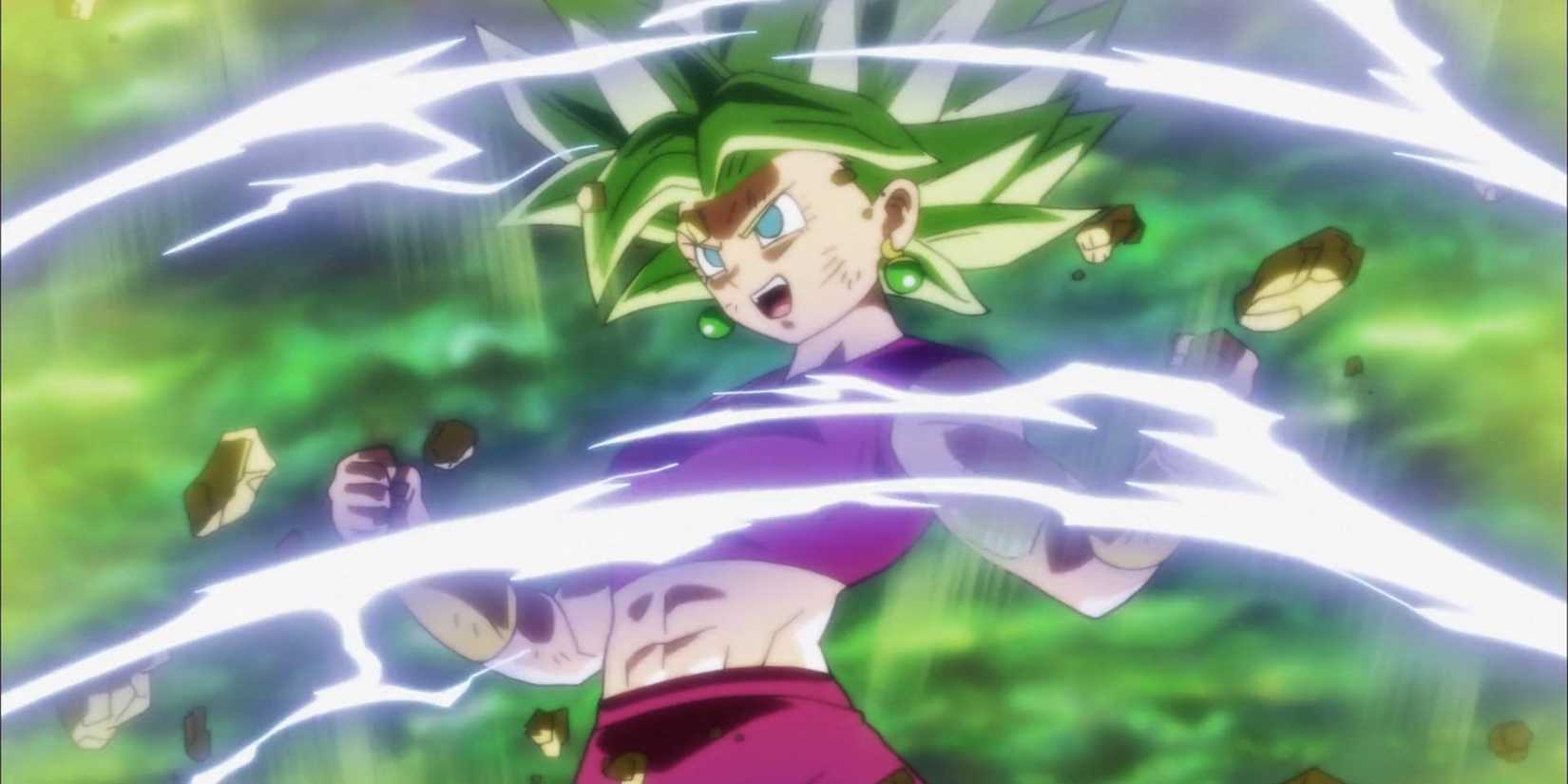
Despite recent changes, Dragon Ball Super was once criticized for focusing mainly on Goku and Vegeta. While Goku uses Ultra Instinct to defeat Kefla in the anime, the manga assigns Gohan the task of taking down Universe 6’s fused warrior. This battle in the manga helped Gohan regain prominence before his power surge in the Super Hero arc.
6. Piccolo Saga: Anime fails to capture dark tone
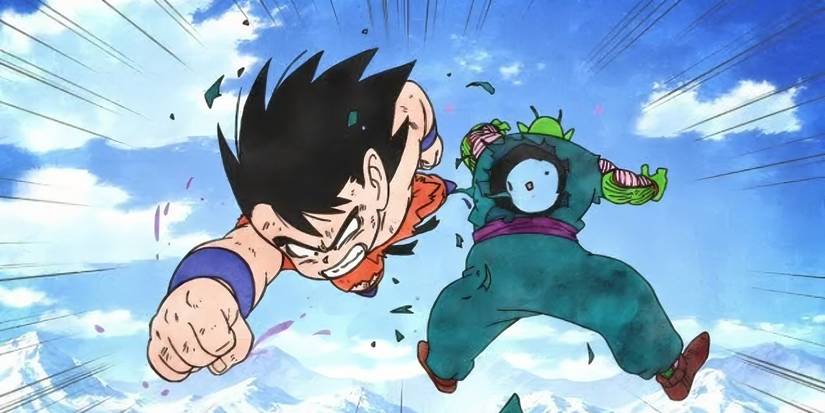
The Piccolo Saga marked a major turning point for Dragon Ball. For the first time, the series faced a purely villainous character with clear violence and main character deaths. This dark atmosphere was well conveyed in the manga, a strong shift from earlier chapters.
However, the anime didn’t initially capture this tone well. Since Toei Animation produced the anime alongside the weekly manga release, the studio couldn’t anticipate future events, making this dark turn a surprise development.
7. Gohan vs. Cell Jrs: Manga shows a more brutal Gohan
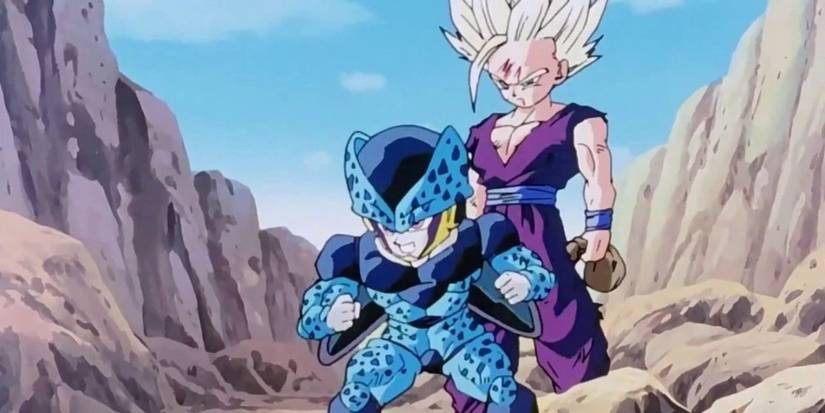
Gohan’s Super Saiyan 2 transformation is a highlight of the original Dragon Ball. While the anime’s transformation scene is better executed, the same can’t be said for how Gohan handles the Cell Jrs. Though the scenes are similar, the manga is much more violent.
After the Z fighters are defeated by the tiny Cell Jrs, Gohan hunts them down. The manga clearly shows his brutality as he punches them directly in the head. This violent revenge is satisfying after what Cell did. The anime fails to convey the harshness Gohan displays in the manga.
8. Trunks vs. Frieza: Manga captures Trunks’ true personality
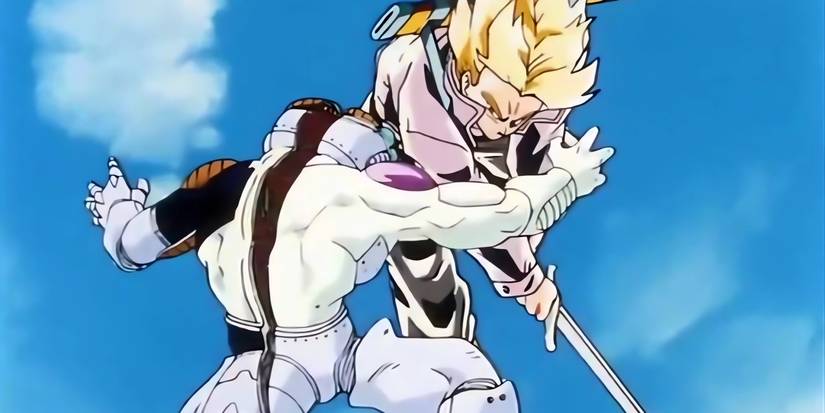
Trunks’ debut is a fan-favorite moment. While the anime does well, the manga better suits this half-Saiyan’s personality. Trunks is a no-nonsense fighter who wants to end battles quickly.
In the anime, he jokes around with Frieza and King Cold, but in the manga, he swiftly destroys Frieza. Given the injuries Trunks suffered in his timeline, dragging out the fight doesn’t fit his character.
9. Goku’s frown: Anime misses the guilt emotion
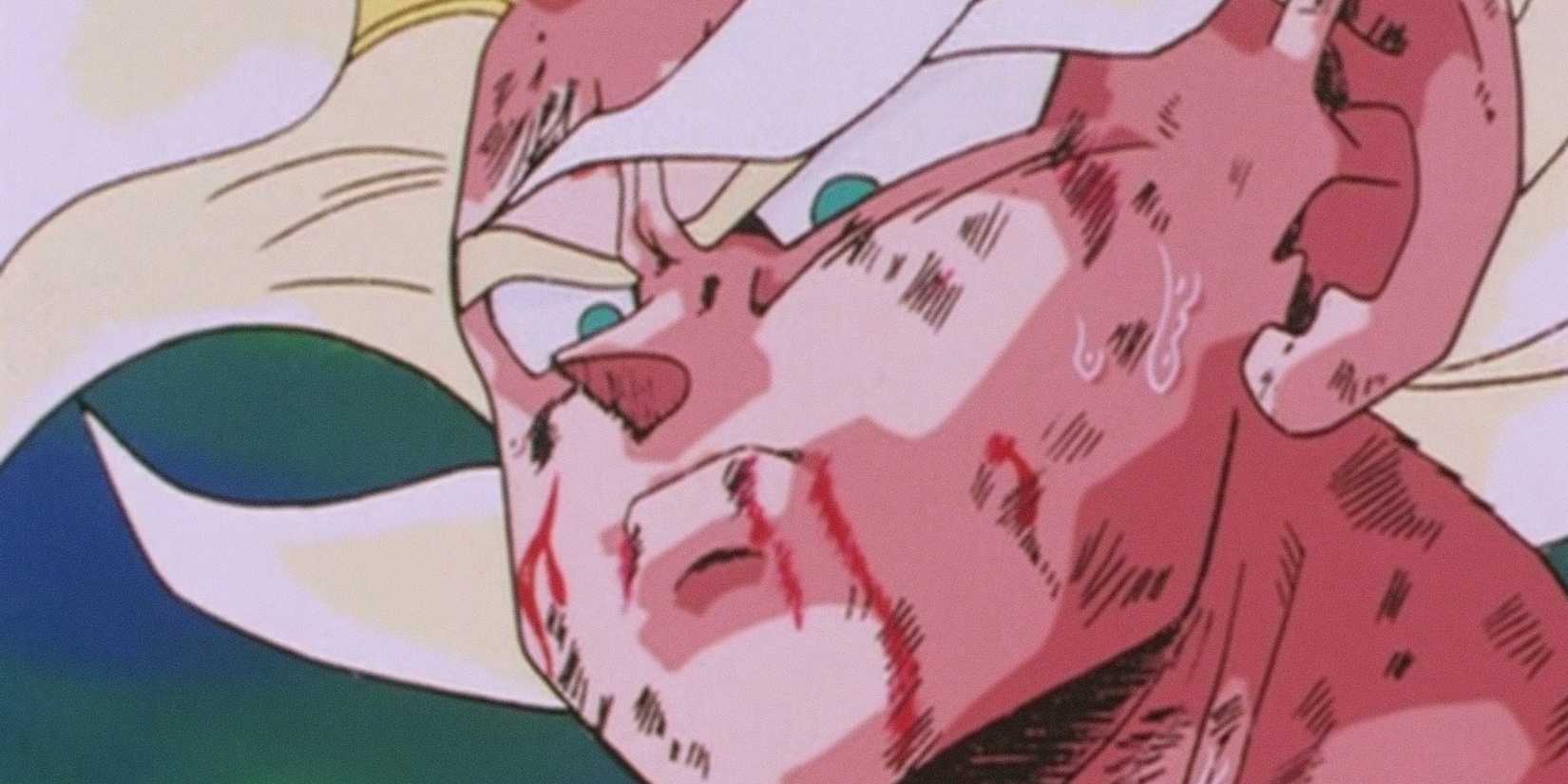
The climax of the Namek Saga comes when Goku angrily fires a one-handed Kamehameha at Frieza. This moment is emotional, showing Goku’s loss of innocence (he usually avoids killing opponents as he matures).
In the manga, after the attack, Goku looks down at Frieza with a clear frown, expressing guilt. In the anime, he appears angrier, showing rage because Frieza tried a sneak attack. This change intentionally distorts the original spirit.
10. Goku vs. Vegeta (Saiyan Saga): Manga is Toriyama’s artistic peak
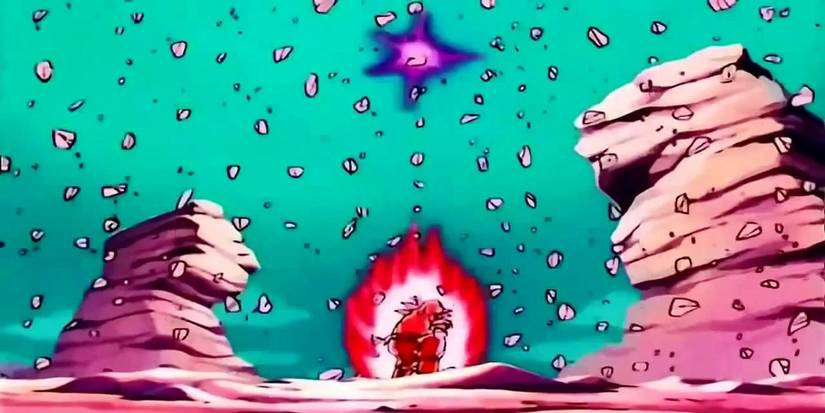
The Goku and Vegeta showdown in the Saiyan Saga is one of Dragon Ball’s greatest moments, and the anime adapts this fight well. However, this isn’t a moment where the anime fails but one it never had the chance to improve. The Goku vs. Vegeta battle is arguably Akira Toriyama’s artistic masterpiece as a mangaka.
The action throughout this fight is fluid with perfect framing, showcasing Toriyama’s masterful talent in drawing fight sequences. The anime version is one of Dragon Ball Z’s greatest battles, but it simply can’t capture the magic of the original manga.