


Even when a work reaches legendary status among the greatest manga masterpieces, can its creator’s heart ever truly find peace?
Hajime Isayama, the original creator of the hit series Attack on Titan, recently unveiled new original artwork at his personal museum in his hometown of Oita, Japan. There, he shared rare insights into the deep regrets behind the story’s controversial ending.
A youthful, naive idea and the birth of Eren
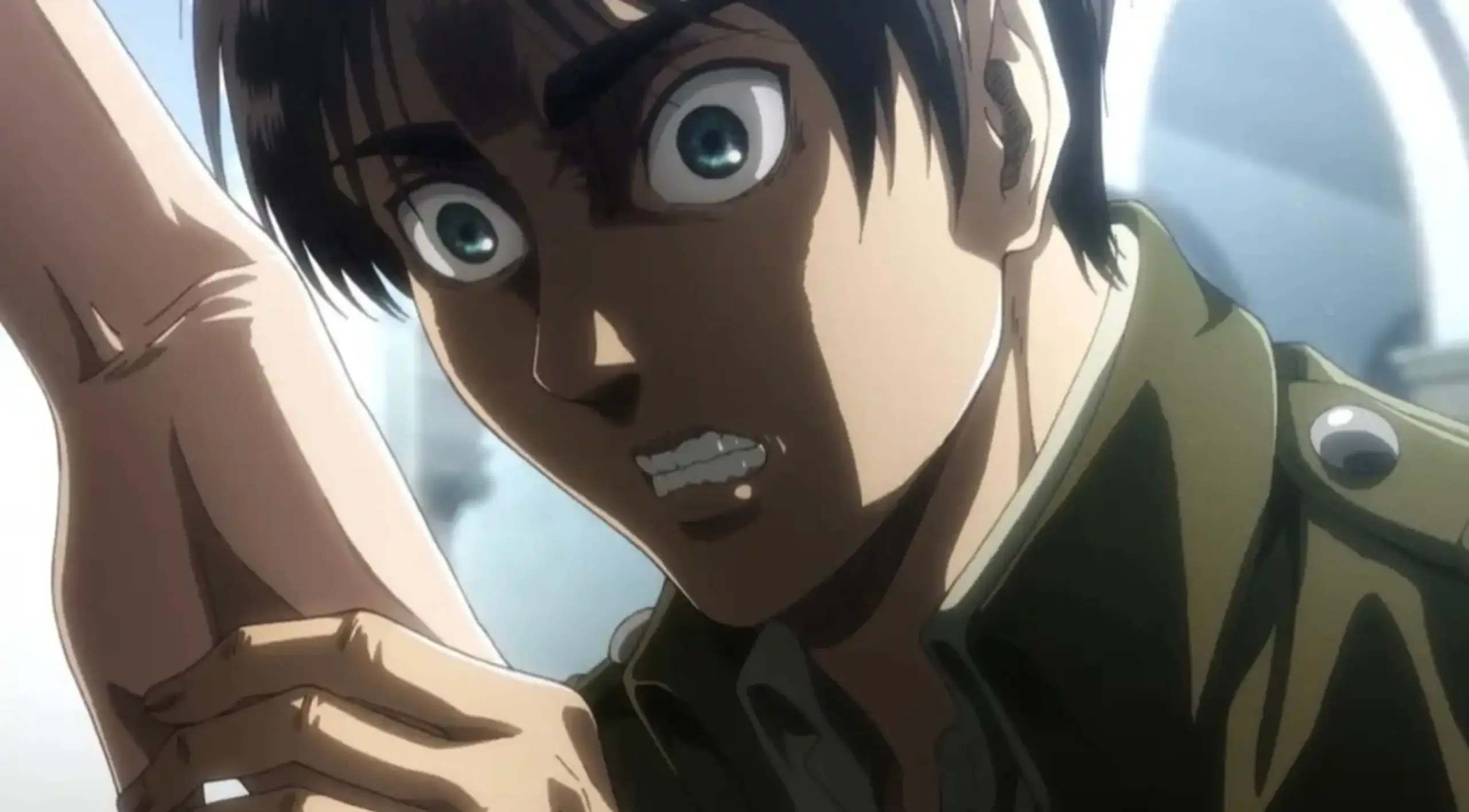
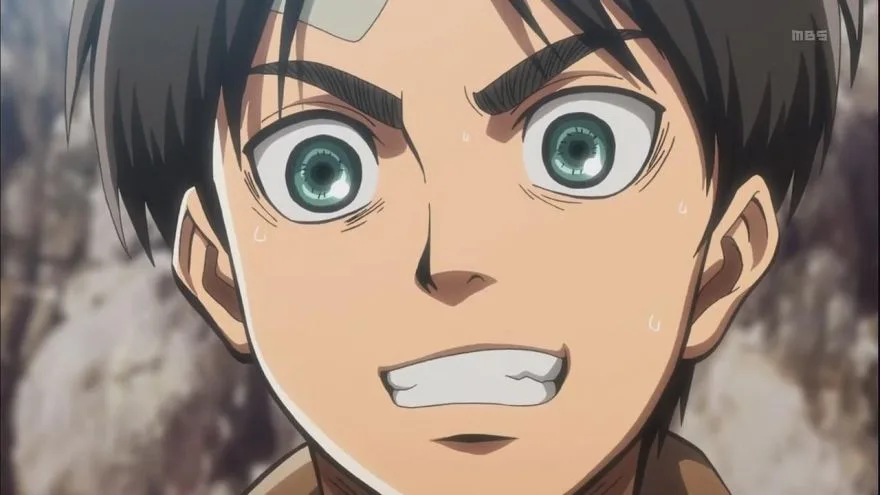
Reflecting on the early days of creating the series, Isayama revealed that the core idea behind Attack on Titan was actually quite simple. In his impulsive and intense twenties, he wanted to portray an extreme reversal where the final victim becomes the perpetrator of evil. This youthful intensity and immaturity were fully poured into the personality of the protagonist, Eren Yeager.
Eren is not a pawn pushed by fate. Deep inside, he consciously embraces the will to become a villain. Building a character who actively pursues large-scale destruction made Eren one of the most powerful antiheroes in fantasy fiction.
Fan pressure and the creator’s wavering resolve
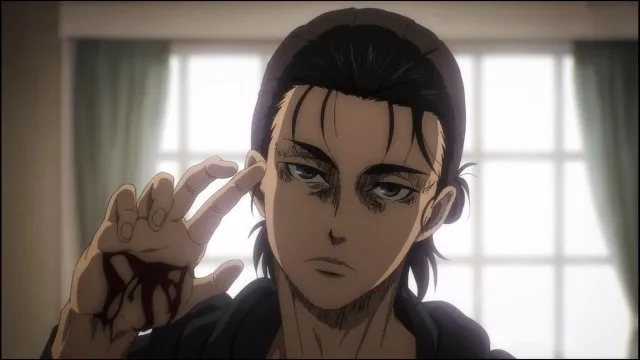
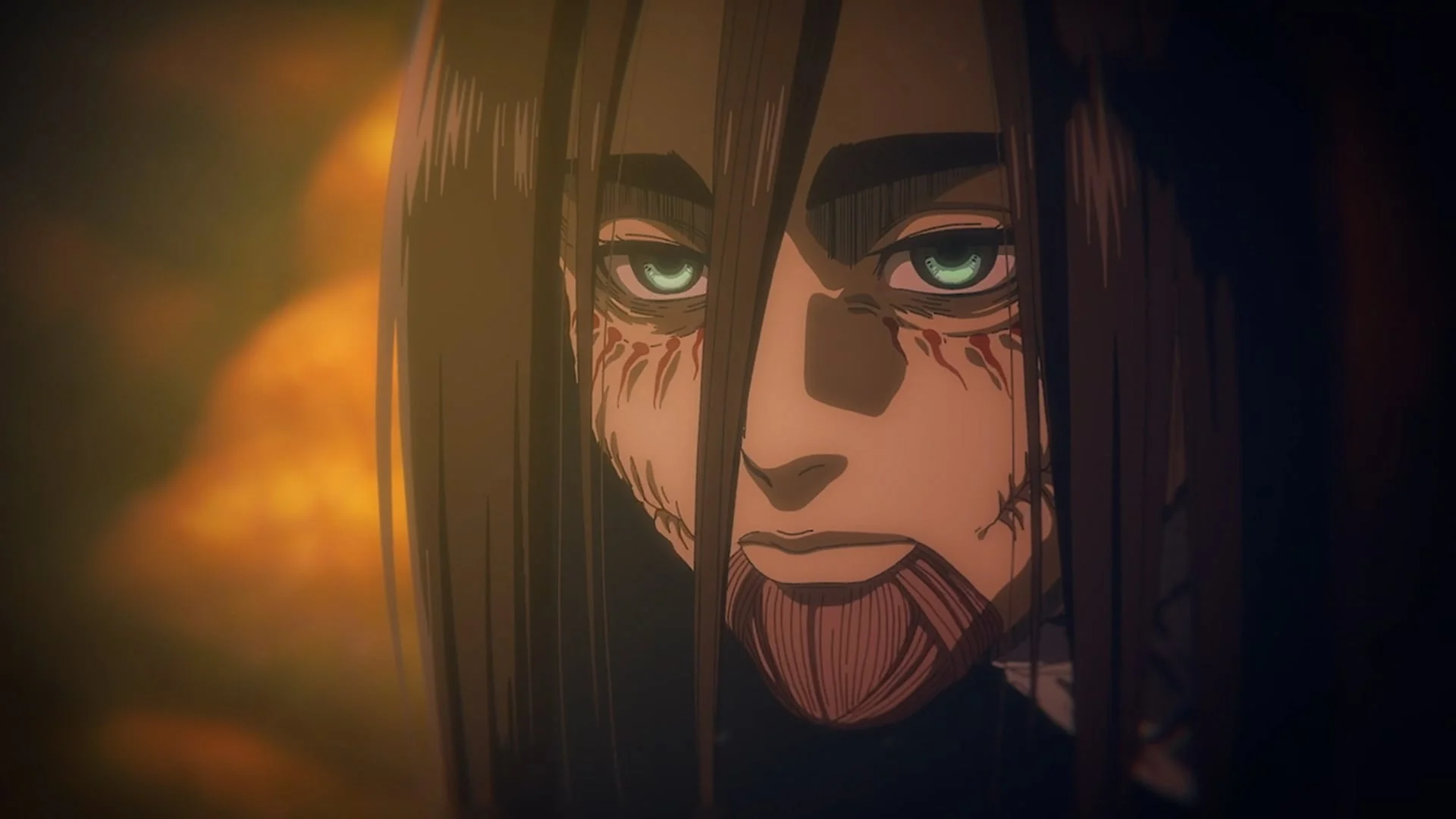
However, as Attack on Titan exploded into a global phenomenon, Eren Yeager unexpectedly gained passionate love from millions of fans. This shift became a heavy burden on Isayama during the story’s final stages. The series was no longer just his personal creative space.
The author admitted he faced intense inner conflict. On one hand, he wanted to stay true to the original dark vision. On the other, his heart softened, reluctant to turn a beloved character into someone hated by all. This compassion and unconscious empathy led Isayama to add more inner turmoil and suffering for Eren in the finale, steering the ending away from what could have been a much harsher conclusion.
The lingering regret of an “unfinished” ending
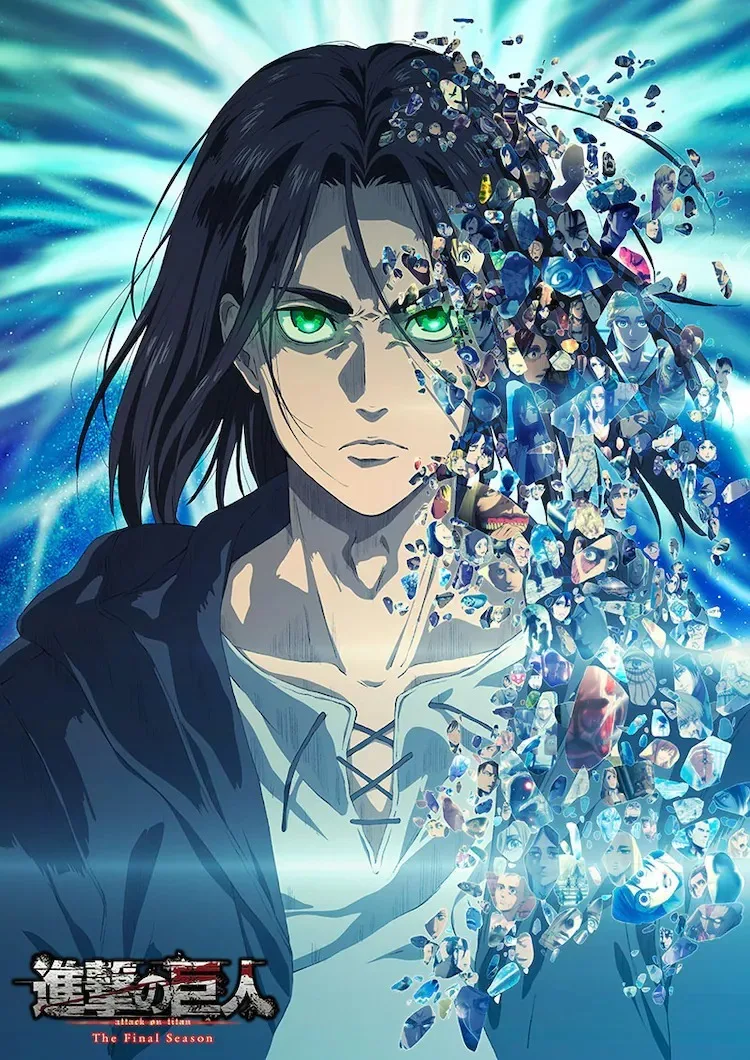
During commentary at the exhibition, Hajime Isayama candidly acknowledged that while the final ending still brought many tears, from his artistic perspective it lacked the “depth and honesty” of his original intent. His unwillingness to fully embrace cruelty left the conclusion feeling incomplete.
For readers, this ambiguity and complexity created a profound anti-war message. But for Isayama himself, compromising with his emotions remains a lasting regret, proving that even geniuses can feel powerless over their own creations.