


Recently, the Demon Slayer fan community has been buzzing over a cosplay photo set by CocoPie featuring the character Shinobu Kocho. She transformed the Insect Hashira into a much bolder and sexier version than the original, sparking heated debates and mixed reactions.
Shinobu Kocho is one of the most beloved female characters in Demon Slayer, known for her graceful and gentle nature. Her outfit in the series is modest, which made CocoPie’s “sexy Shinobu” cosplay the center of sharp criticism.
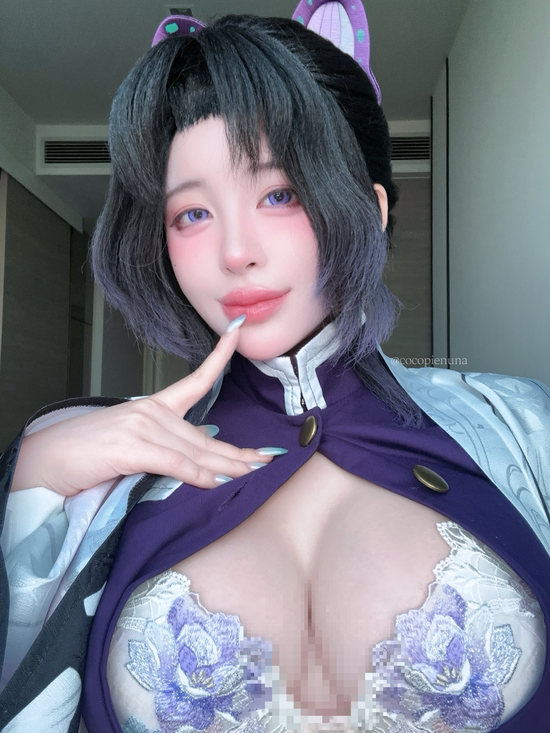
Many fans feel this cosplay breaks Shinobu’s image and shows disrespect to the original work. Some harsh comments accused the cosplayer of “using sex appeal to gain views” and “distorting the original character.” For them, cosplay should stay true to the source, and such daring costume changes are seen as disrespectful.
Facing the criticism, CocoPie responded candidly. She compared cosplay to liking taro in soup: “If you don’t like it, that’s fine, but you can’t stop others from enjoying it their way.”
According to CocoPie, cosplay is both a hobby and a job, and everyone has the right to express themselves as they wish: “You might not like it, but this is me.” She emphasized that cosplay has no “unwritten rules” or barriers, adding “As long as it’s legal and you’re having fun, you can play however you want.”
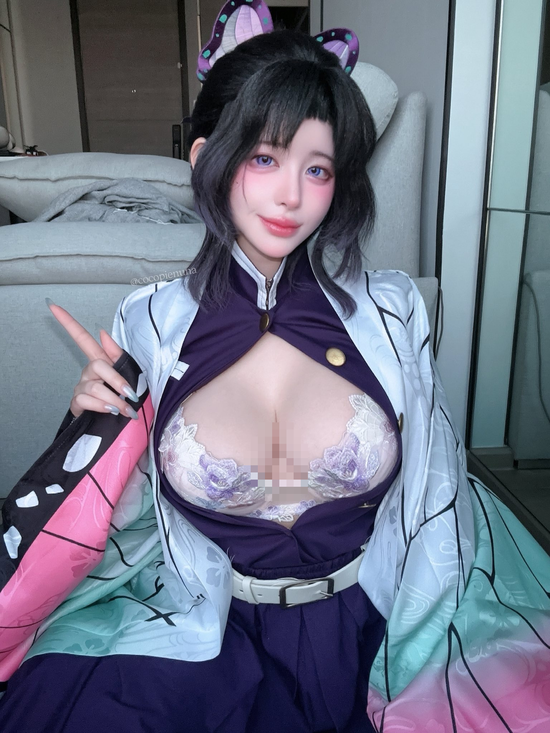
CocoPie’s case highlights the ongoing debate in the cosplay community: should cosplayers strictly honor the original character or freely express their own style?
On one hand, cosplay is a way to honor characters, and staying true to their costumes and personalities shows respect for the work and its creator.
On the other hand, cosplay is an art form where individuals can showcase creativity and personality. Changing costumes or styles allows cosplayers to leave a personal mark and create unique, fresh versions of characters.
This debate has no clear end. Still, CocoPie’s situation reminds us that respect and openness are essential in any community to share passion together.