


Disney, the symbol of cinematic magic, is facing an unprecedented challenge: how to harness artificial intelligence (AI) in filmmaking while preserving the essence of legendary characters like Mickey, Elsa, and Darth Vader. When technical ambition clashes with creative heritage, the question arises: can Disney still hold onto its magic with AI in the mix?
The story began when Disney considered using deepfake technology for the character Maui in the live-action Moana. Dwayne Johnson could “appear” in scenes filmed when he was absent, thanks to AI-generated images combined with stunt doubles, a digital magic trick developed by the company Metaphysic. However, after 18 months of negotiations, legal hurdles, and internal data control issues, Disney ultimately scrapped the plan. Not a single deepfake frame made it to the screen.
This episode highlights a split within Disney: one side wants AI to cut production costs and speed up content creation, while the other worries about the long-term damage if AI blurs the line of human creativity. They fear that deep AI involvement could cost the company full ownership of its works, a key condition for branding any story as Disney.
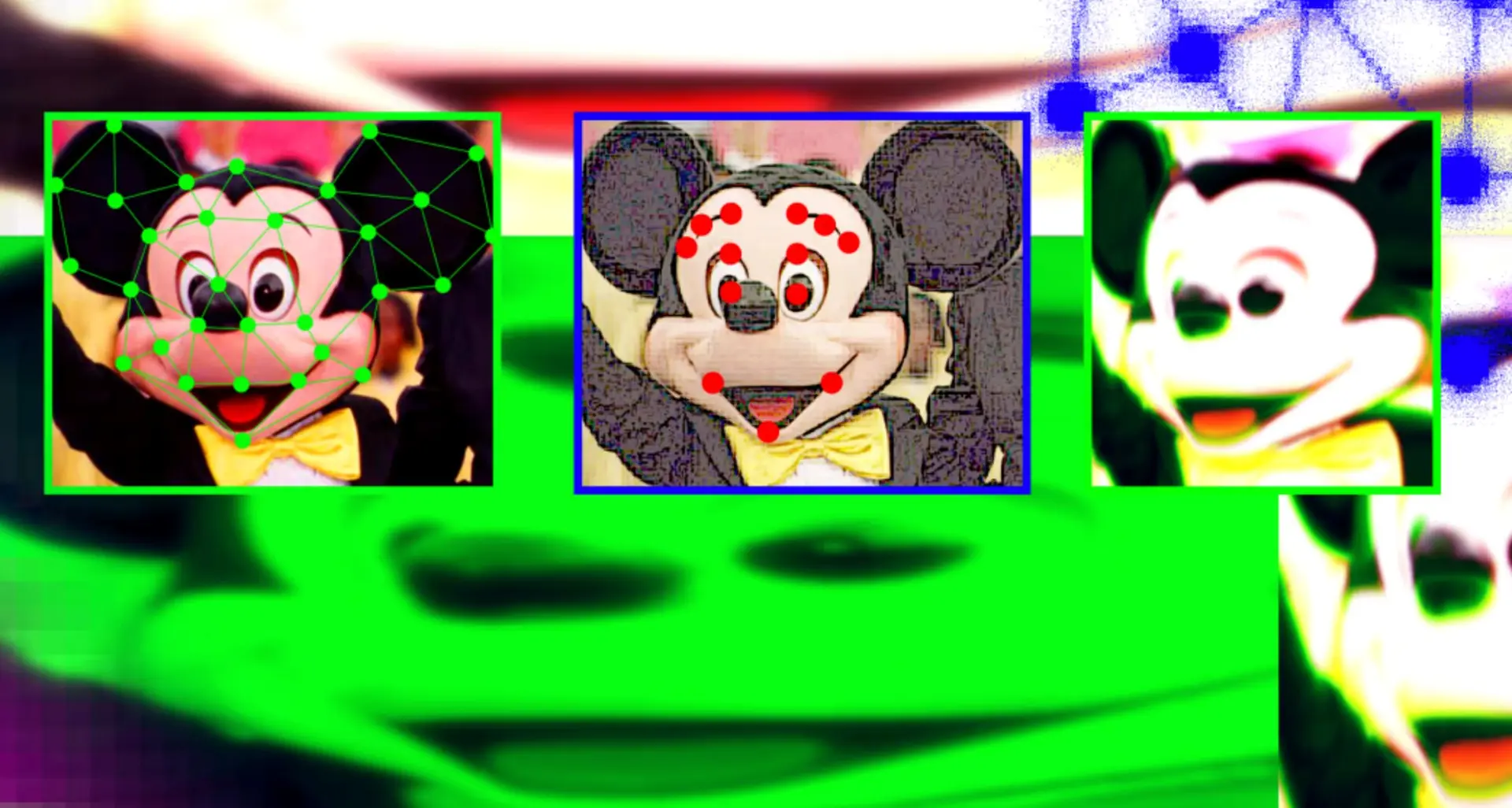
The deal with Metaphysic is just one part of a bigger picture. Disney aims to use AI to personalize user experiences on Disney+, or even have Darth Vader “interact” with Fortnite players, Fortnite is developed by Epic Games, where Disney holds a significant stake. However, an AI chatbot experiment with Darth Vader sparked backlash when players made the character utter offensive language, prompting Disney to quickly fix the issue.
While creative teams like Pixar, with Pete Docter strongly opposing AI as producing “dull, soulless” content incapable of replacing human emotion, Disney’s legal counsel Horacio Gutierrez emphasizes that Disney has thrived for over 100 years and is ready to stand strong for another century, with AI potentially playing a transformative role.
On copyright protection, Disney and Universal recently sued AI company Midjourney in federal court, accusing it of unauthorized use of copyrighted characters, from Spider-Man and Elsa to Darth Vader, in AI-generated images. They labeled this as “AI copyright theft,” rejecting any justification. Disney is seeking an injunction to stop usage but has not disclosed compensation demands.
This lawsuit marks a new turning point in Hollywood’s copyright battles: studios want the law to clarify that AI is not exempt from copyright infringement, even when it creates new content. Disney aims to prevent AI companies from “borrowing” icons like Buzz Lightyear or Elsa to train systems without compensating original creators.
From Disney’s story emerges a major question: can Disney’s magic survive if part of its content is AI-generated? Audiences come to Disney for characters with emotion, subtle interaction, and humanity, not cold, technically perfect copies. If AI takes on a creative role, the studio must ensure content retains the “Disney soul”, an element that cannot be coded.
Yet avoiding AI altogether is impossible. Amid declining box office revenue and fierce streaming competition, Disney needs AI to cut costs, maintain production speed, and personalize content for diverse audiences.
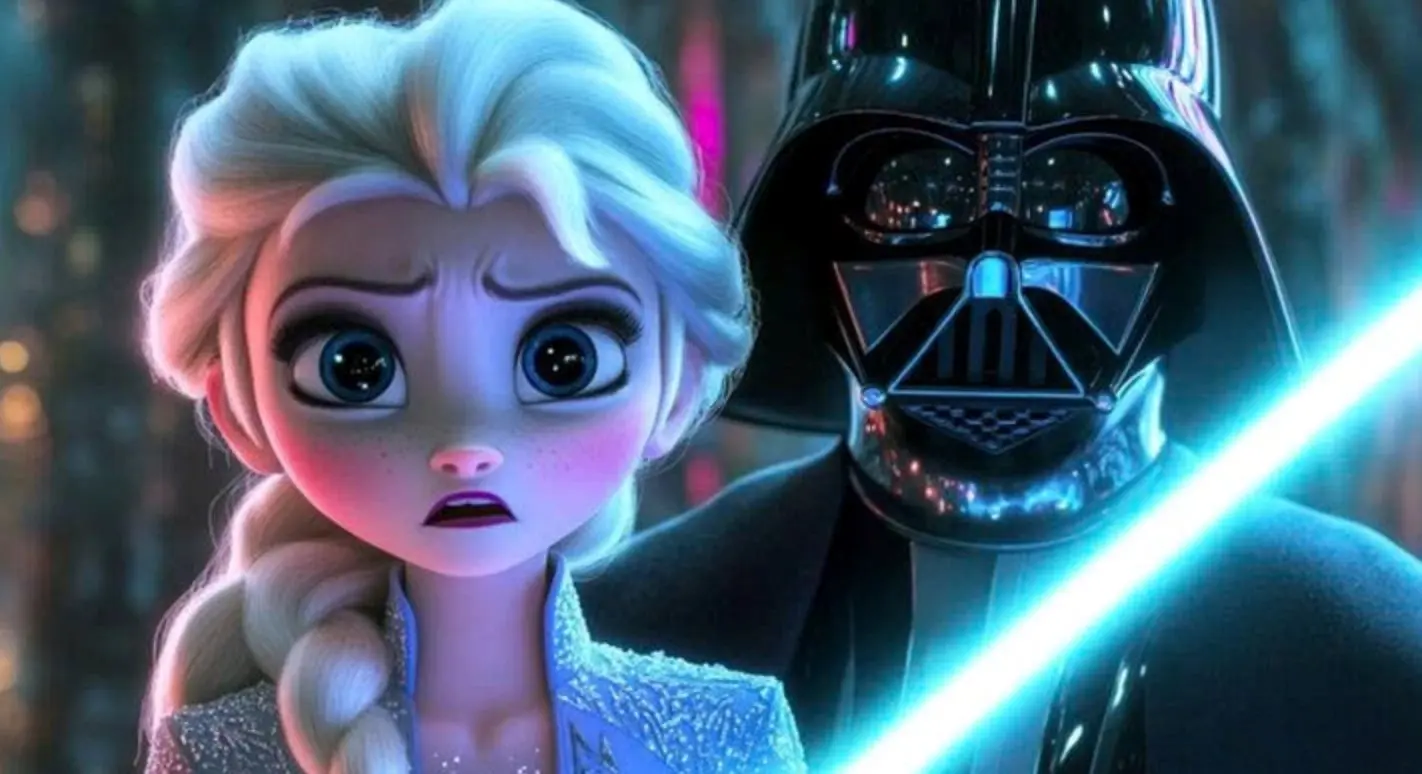
CEO Bob Iger faces pressure to cut costs, innovate, and preserve Disney’s legacy before handing over leadership in 2026. From the Academy Awards’ surveys to Hollywood’s response to the Writers Guild’s call for AI labor rights protections, Disney is caught between creativity and industry demands.
On a broader scale, this story shows how AI is forcing major brands to redefine creative products: no longer just images or stories, but a cycle involving user data, creative copyrights, digital interaction, and content ethics.
For Disney, AI could become a tool to keep its magic alive across generations, if handled correctly. If mishandled, the magic could turn to dust as audiences realize beloved characters might be AI-made, lacking humanity and distorting emotions.
Under CEO Bob Iger’s renewed leadership, Disney is undergoing a strong financial recovery after years of crisis and losses. The fiscal Q2 2025 report, ending March 2025, showed revenue rising about 7 percent to $23.6 billion, beating Wall Street expectations.
Meanwhile, Disney continues to manage the fallout from a sharp decline in traditional TV. Profits in this segment fell 11 percent year-over-year, leading to ongoing losses partly due to losing key young audiences.
Alexia Raven, former VP of research at Warner Bros. Discovery, said, “YouTube is the top choice platform because it meets viewers’ needs and passions in various ways. YouTube has truly changed the entertainment landscape.”
In some ways, Disney faces challenges similar to other long-established media companies like Comcast and Paramount. For years, the common view was they needed to grow bigger to compete with tech giants like Google and Netflix. Yet streaming, advertising, and box office revenues have not met expectations.
Over a century, Disney transformed a quirky animated mouse named Mickey into a vast $185 billion empire. Yet today, the most popular children’s show is Cocomelon, produced by Moonbug Entertainment and streamed on Netflix. Moonbug, acquired in 2021 by two former Disney executives, has quickly outpaced giants like Disney.
However, it is still too early to lose faith in Disney.
The company has overcome many challenges over decades, from the Great Depression to costly flops like The Black Cauldron and Mars Needs Moms. Disney had six of the top 10 streaming films in 2023, including Moana, Encanto (2021), and the highly popular Elemental (2023), according to Nielsen. It also continues to draw fans with Star Wars and Marvel spin-offs like Andor and Ahsoka.
Sources: WSJ, Business Insider