


What seemed like a thing of the past, strict censorship of Dragon Ball has recently sparked outrage among fans due to a bizarre incident on a streaming platform.
Dragon Ball has long faced cuts, especially in Western markets. Back in 1998, when the series first aired on Cartoon Network’s Toonami, many bloody and violent scenes were censored to suit younger audiences. However, in 2026, a new and unusual form of censorship emerged targeting one of the franchise’s oldest characters: Mr. Popo.
The latest Dragon Ball censorship reignites a classic debate
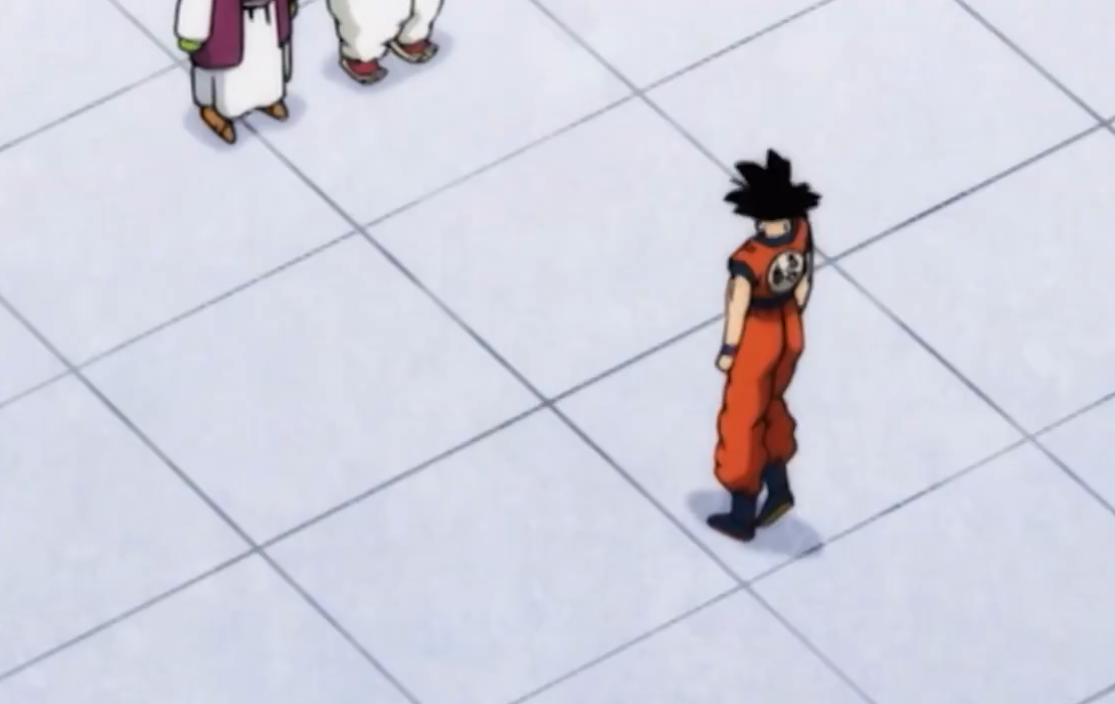
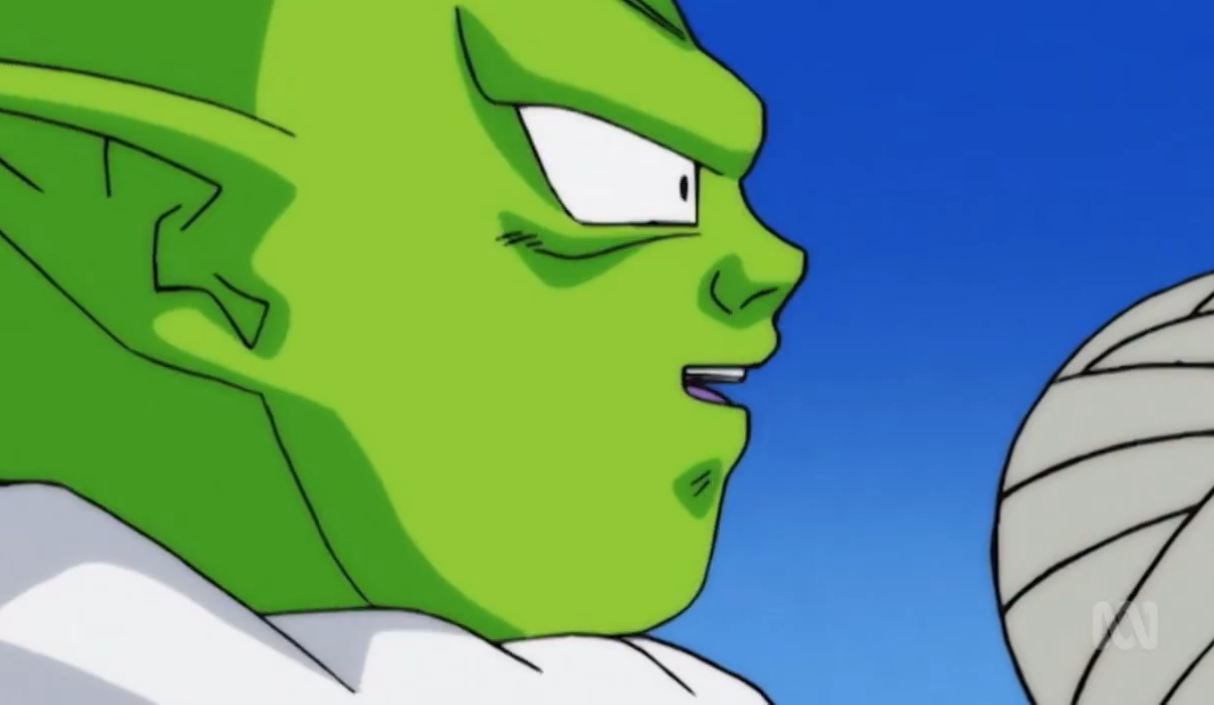
The controversy began when a user on X (formerly Twitter) named Gamer Zamasu shared a 27-second clip from Australia’s ABC iview streaming service. In a scene from Dragon Ball Super, while Goku is talking with Dende and Mr. Popo, viewers noticed something very unusual. The broadcaster used strategic cropping to completely remove Mr. Popo from the frame, even though he was standing right next to the main characters.
Online speculation suggests this clumsy censorship stems from ongoing debates about Mr. Popo’s appearance. With his jet-black skin, bright red lips, and turban, the character has long been criticized as a racially insensitive caricature.
While the original creator Akira Toriyama’s intentions remain unclear, the resemblance between Mr. Popo and offensive imagery from the past is undeniable. Previously, broadcasters like 4Kids and Saban changed his skin color from black to blue when airing Dragon Ball Z Kai. A similar controversy happened with Pokémon’s Jynx, prompting Nintendo to change its skin color to purple.
It’s understandable that ABC iview, a family-oriented platform, would want to avoid Mr. Popo, but the crude editing only makes the show feel patchy and awkward.
The debate over Mr. Popo continues to this day
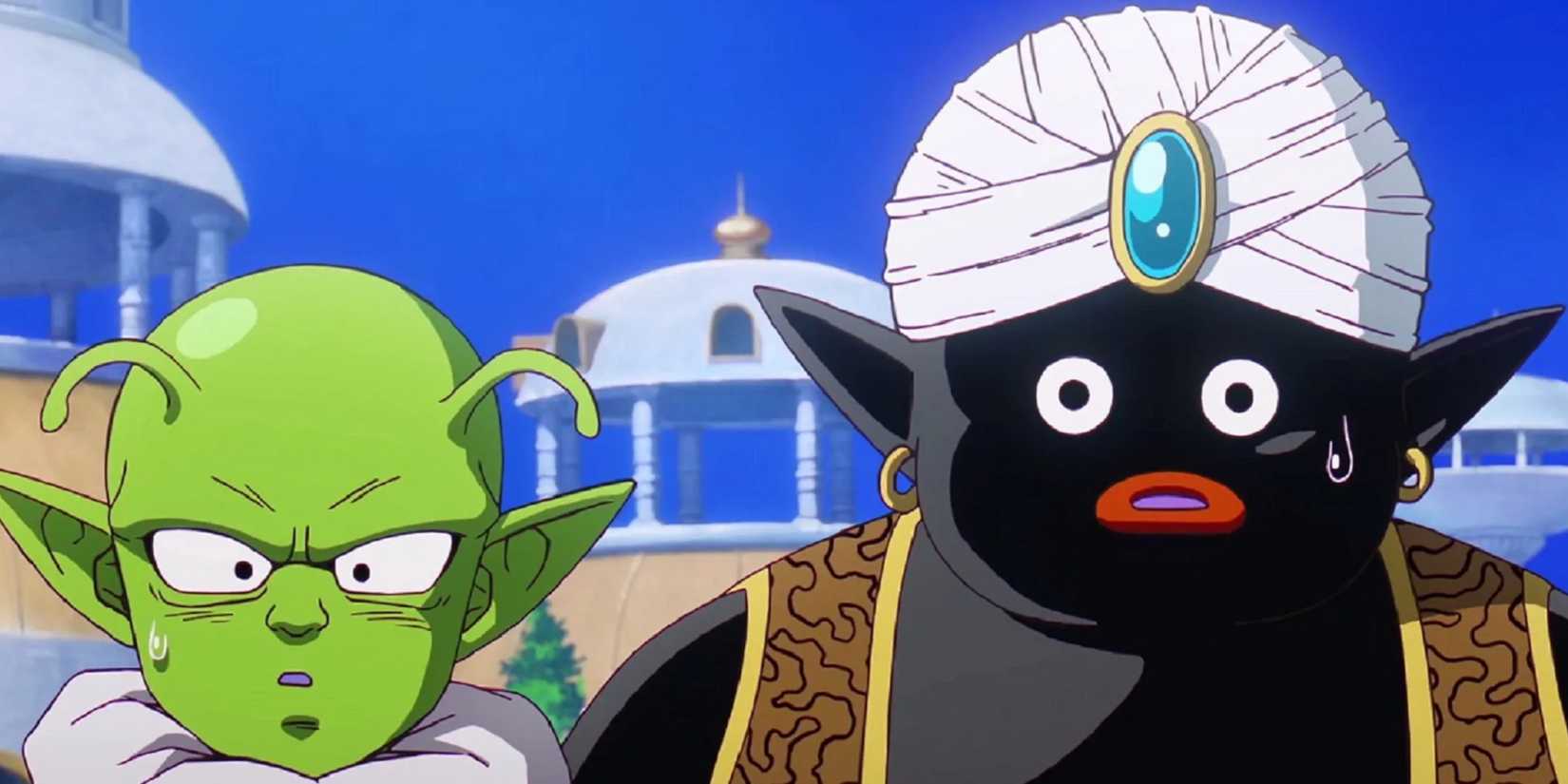
Despite the criticism, Mr. Popo remains an integral part of Dragon Ball’s history. Though his role is less prominent than in the series’ heyday, he recently reappeared in the latest series, Dragon Ball Daima.
Whether viewed positively or negatively, Mr. Popo is part of Dragon Ball’s legacy. Attempts to digitally erase him only highlight decades of debate and reveal how broadcasters still struggle with handling outdated cultural issues.