
The year 2025 is packed with major anime series, from the finales of popular shonen like Kaiju No. 8 to the debut of promising new titles. Amid these big hits, a hidden gem named Gachiakuta has quietly shone.
Though it hasn’t been talked about as much as its competitors, those who have watched it agree it’s a surprising masterpiece, matching classic works in artistry, world-building, and emotional depth.
The world isn’t just a setting, it’s an antagonist
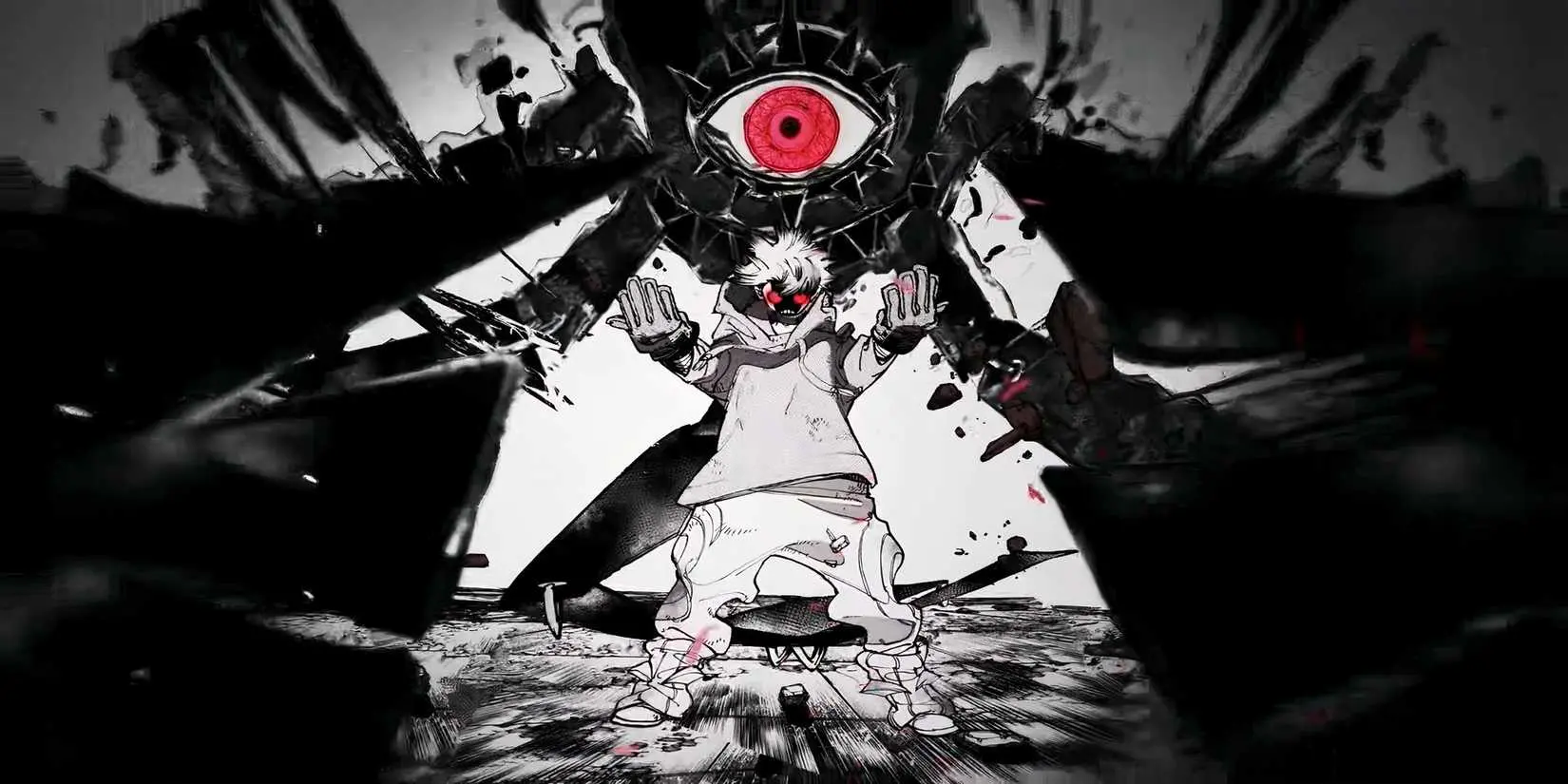
Many anime treat their settings as mere backdrops, but Gachiakuta takes the opposite approach. Its ruined world acts as a true antagonist. The massive junkyard below, filled with terrifying monsters, feels like an oppressive force designed to crush its inhabitants.
This isn’t a neutral world. A decayed social system created by the elite has pushed the powerless into the junkyard. It’s a sharp metaphor for class division, environmental destruction, and human exploitation. Rudo’s struggle isn’t just personal, it’s a rebellion against a rotten order.
A unique and meaningful power system
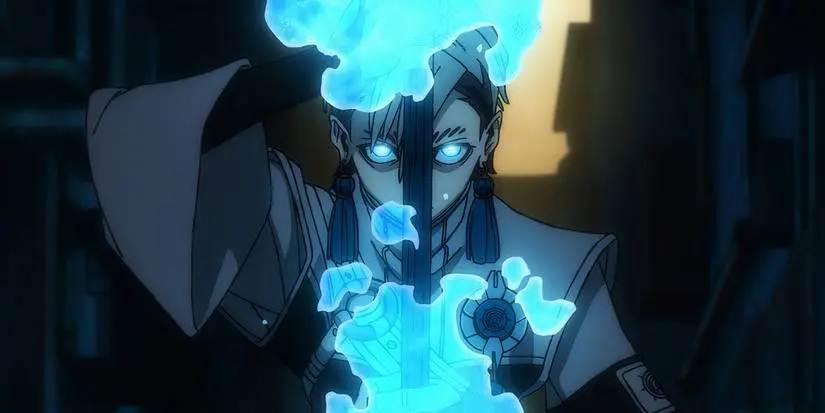
Gachiakuta continues the legacy of classic shonen with its unique power system called Vital Instruments. Items that seem like trash are empowered, reflecting the creativity and connection of their users.
These powers aren’t just supernatural tricks, they tie directly into the series’ themes. What one person sees as garbage, another sees as treasure. A broken umbrella or a snapped stick can become a formidable weapon. This raises the question: who decides an object’s value?
Rudo’s abilities perfectly embody this. His gloves, which hide scars, allow him to turn any object into a weapon. Every battle reflects Rudo’s philosophy: nothing and no one is worthless.
Rudo is the heart of the story
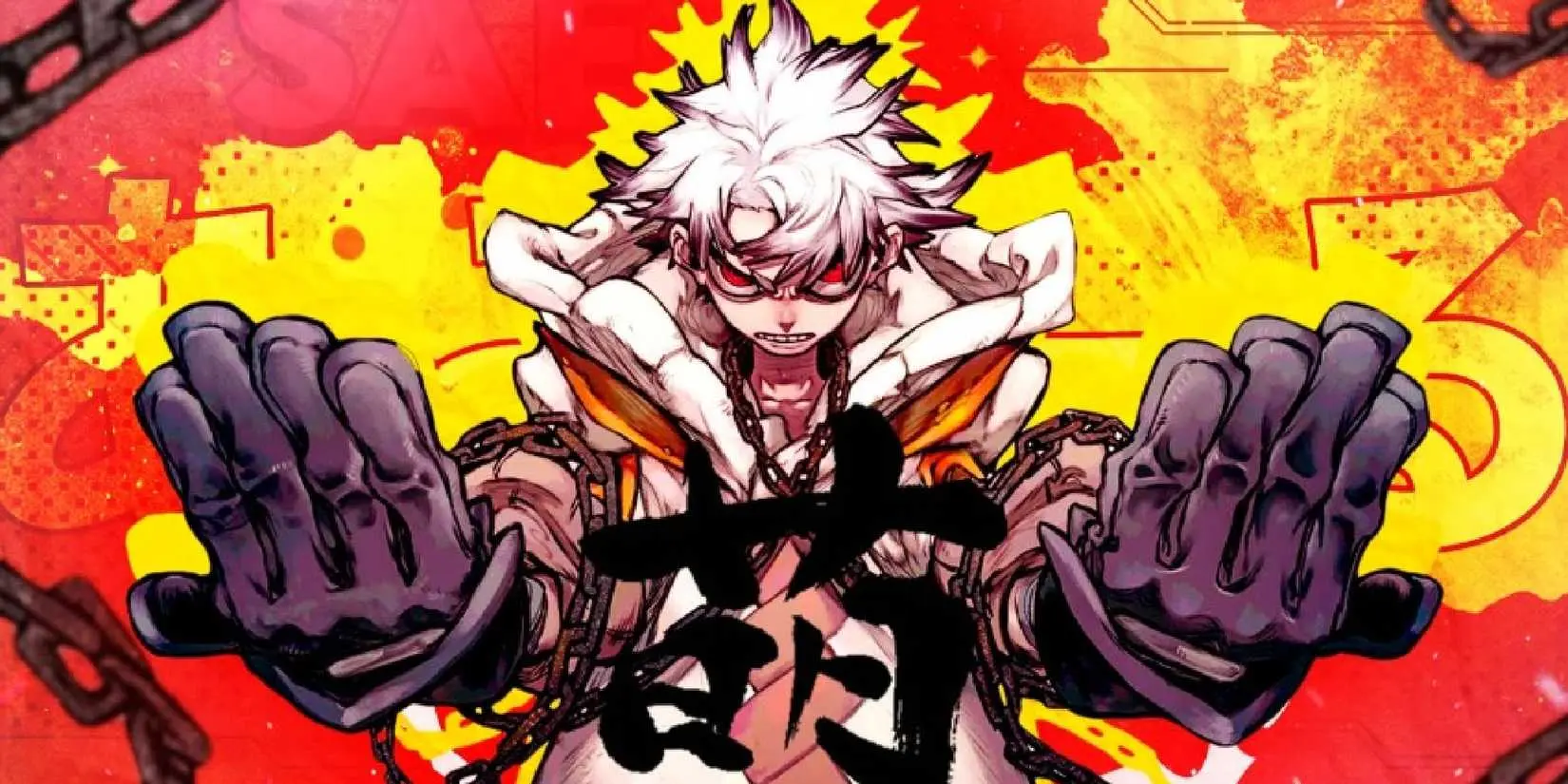
Main shonen characters often represent their series’ core values. Goku stands for perseverance, Naruto for friendship, and Luffy for freedom. Rudo Surebrec is no different. He embodies Gachiakuta’s theme: redefining the value of things.
Rudo’s talent for creating Vital Instruments from discarded items is more than a power gimmick, it’s a worldview. He sees potential where others see trash. When he unlocks new abilities through Griss’s amulet, it’s not just an upgrade but a moment honoring memory, loyalty, and human connection. The amulet becomes a shield because its original owner wanted to protect, not destroy.
This focus on respect and renewal sets Rudo apart from other shonen leads. His growth isn’t just about gaining strength, it’s tied to how he redefines value in a broken world. Each step feels like a deeper understanding of himself, his allies, and the system he aims to challenge.
In this way, Rudo is both a warrior and a philosopher. His battles aren’t just action scenes, they challenge viewers to reconsider what they discard, including objects, people, and ideals. Rudo represents resilience in a place designed to strip away human dignity, proving that even in a pile of waste, meaning and hope can be forged. This makes him one of 2025’s most compelling new protagonists.
Why Gachiakuta deserves more recognition
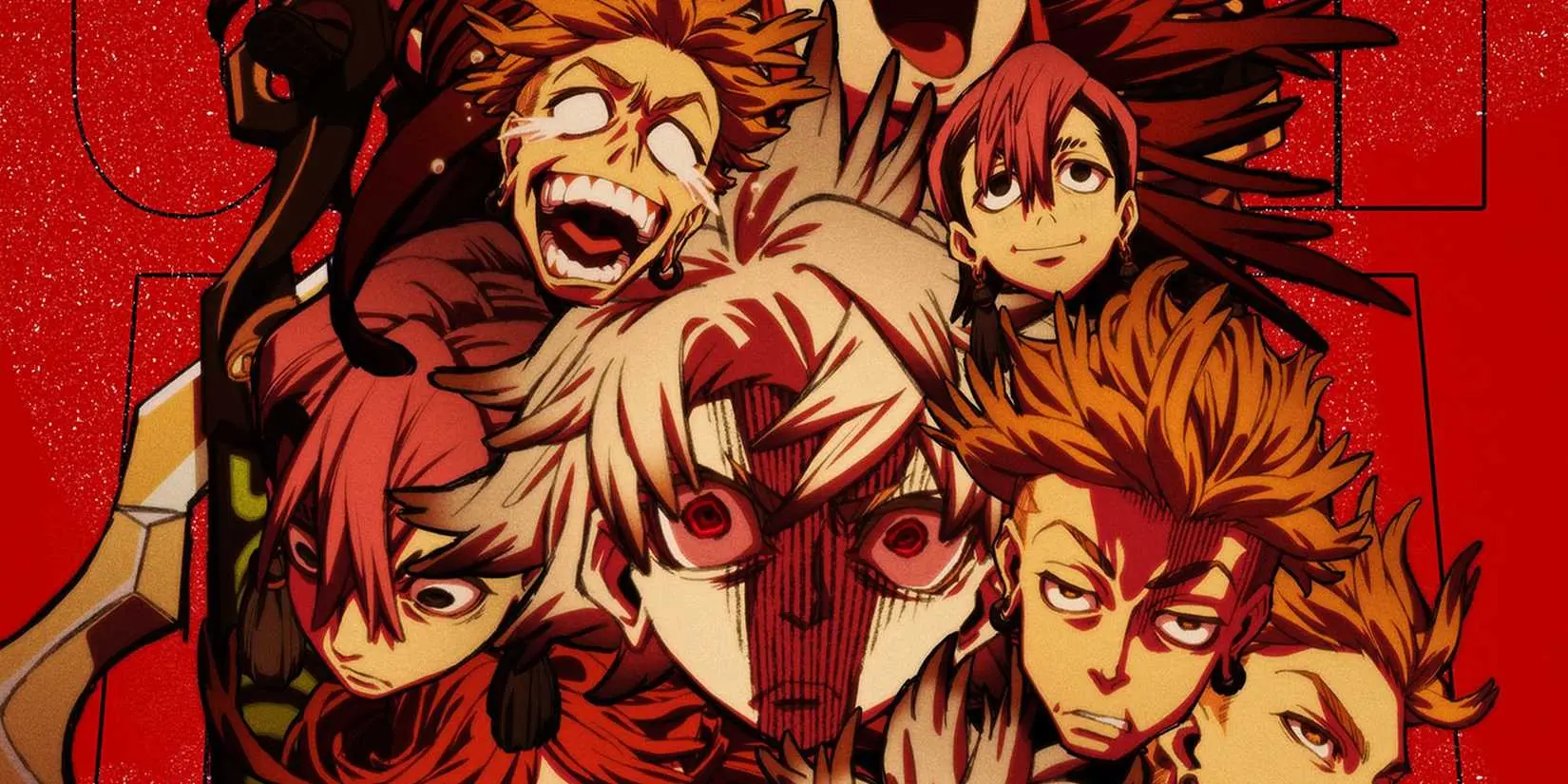
So why hasn’t Gachiakuta made as big a splash as other 2025 series? Perhaps it lacks promotion, or its punk-rock, trash-punk style doesn’t fit mainstream tastes. But that’s exactly what makes it important. Gachiakuta doesn’t try to play it safe or familiar.
In a world full of flashy but formulaic anime, Gachiakuta dares to be gritty, bold, and unique. It challenges viewers with dark imagery, heavy moral themes, and a hostile world. It uses fiction to deliver sharp social commentary, making the story gripping and eerily relatable.
If the successful trios of the 2000s combined spectacle with thematic depth, Gachiakuta is ready to inherit that legacy. It may not have the spotlight yet, but its mix of dark storytelling, creative powers, and social critique could make it 2025’s breakout surprise.
According to Screenrant