


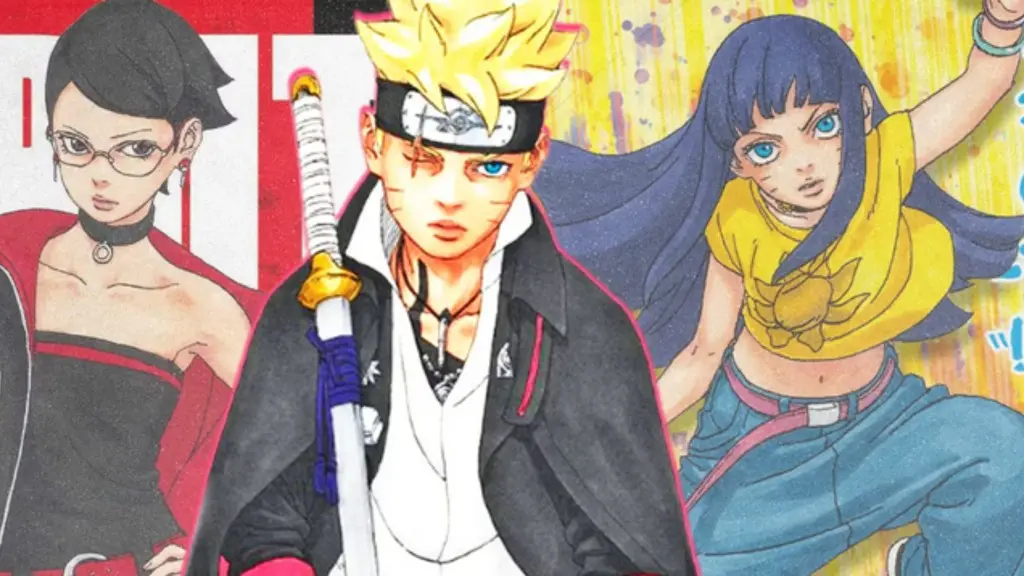
Boruto: Naruto Next Generations faces a huge challenge: living up to one of the greatest shonen series of all time. Yet many fans feel Boruto falls short of capturing the core elements that made Naruto so powerful, including emotional depth, rich world-building, and complex character development.
This sequel is often seen as lighter in tone, uneven in pacing, and lacking the passionate, heartfelt essence that defined the original series.
If Boruto hasn’t met expectations, Radiant offers a compelling alternative. This lesser-known anime and French manfra draws clear inspiration from shonen classics like Naruto, One Piece, and Fairy Tail. But instead of copying, Radiant succeeds in creating its own unique world, characters, and tone.
The anime aired two seasons from 2018 to 2020, while Tony Valente’s original manfra continues to develop.
This article dives into why Radiant captures Naruto’s core spirit more fully than its official sequel.
Radiant’s Rise: A French Shonen Finds Its Place in Japan
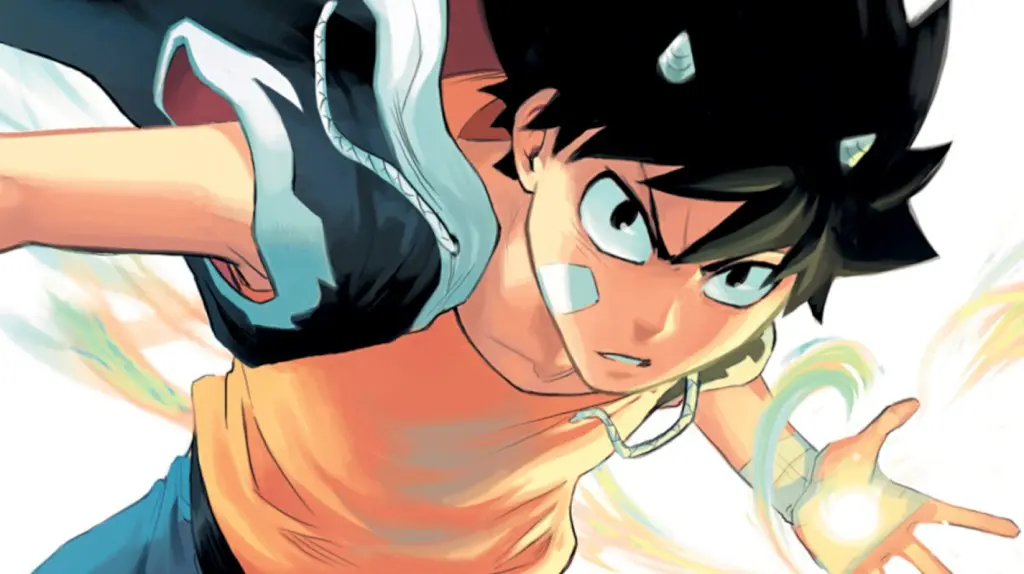
Radiant holds a special place in comics as a “manfra”, a French comic created with a style and storytelling similar to Japanese manga. Unlike most shonen classics that come from Japan, Radiant is the brainchild of French artist Tony Valente.
Valente aimed to craft a comic that could stand alongside giants like Naruto and One Piece while introducing fresh, unique elements. The anime adaptation by Studio Lerche aired internationally from 2018 to 2020, spanning two seasons.
The anime is notable for solid animation, a faithful color palette, and its rare international release including Japan, a remarkable feat for a non-Japanese manga. Though no official word on a third season exists, Radiant remains strong in 2025 with 19 manfra volumes released and translated into multiple languages.
A Fresh Take on Familiar Shonen Themes
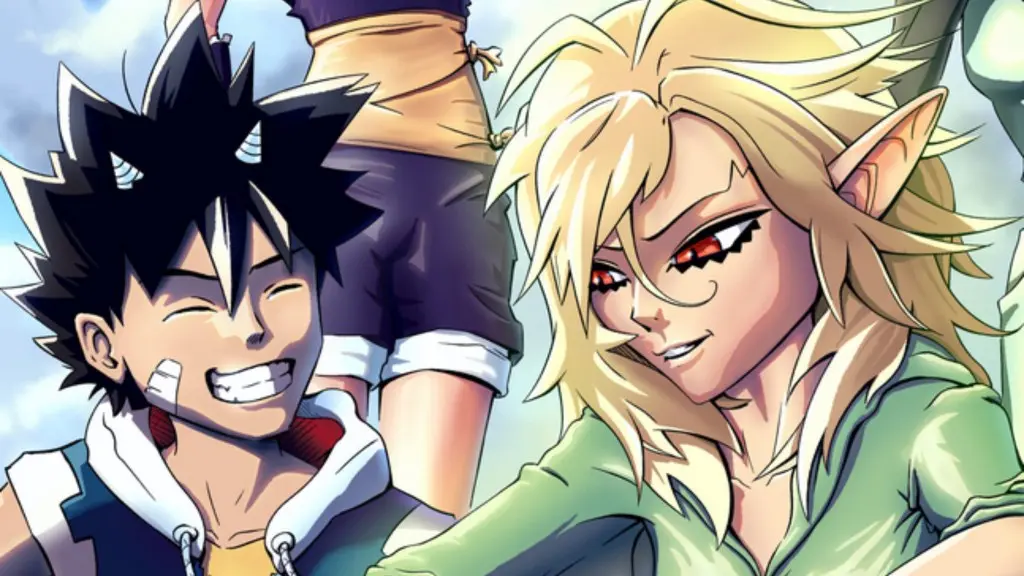
Radiant’s story feels familiar but with its own twist. The protagonist Seth wields a mysterious power called Fantasia and, like early Naruto, is seen as a threat due to his connection to magical creatures called Nemeses.
However, Radiant avoids clichés. Its world features floating islands, a corrupt organization known as the Inquisition, and themes of magical pollution. Seth’s journey is not just about gaining strength but also self-discovery and shaping the person he wants to become. This adds emotional depth reminiscent of Naruto.
While Boruto struggles to balance nostalgia with a new generation, Radiant offers a fresh start with a consistent story and clear focus, not relying on the shadow of its predecessor. Its blend of Western and Japanese storytelling creates a familiar rhythm with a distinct flavor.
Why Radiant Might Be the Naruto Successor We Really Need
For many fans, Radiant embodies what Naruto stood for: a young hero learning independence in a hostile world, building relationships, and growing through real conflict, not just becoming stronger. Seth’s journey of understanding himself and the world echoes the emotional depth that made Naruto so captivating.
The mystery of the Nemeses and layered world-building add drama without relying on familiar names. If a third season happens, Radiant could reach an even wider audience. It’s not a replacement for Naruto, but it’s definitely a story worth watching for anyone who wants a shonen that respects the genre while daring to be different.