


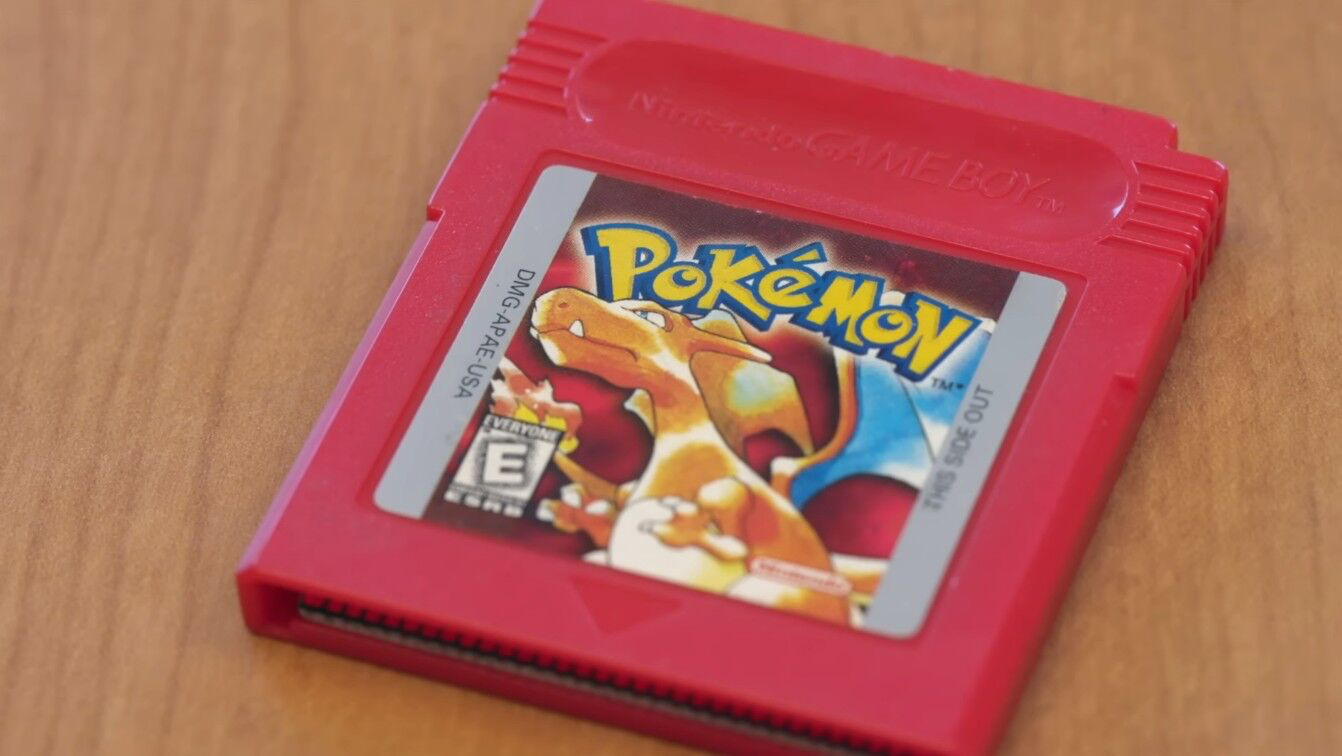
If your childhood was filled with sneaking away from your parents at night, using a flashlight to stare at your Game Boy screen, tirelessly catching Pokémon, leveling up, and conquering Gyms in Pokémon Red and Green, here’s some good news. Your brain is still “nurturing” Pikachu to this day.
A groundbreaking study from Stanford University, published in the prestigious journal Nature Human Behaviour, has revealed a surprising truth. People who spent a lot of time playing Pokémon as kids develop specific brain regions that respond to these characters as adults.
This discovery left gamers born in the 1990s and 2000s amazed: “Turns out my brain really was trained in an incredible way!”
The Mystery of the Cortex and Pokémon’s “Visual Training Camp”
Jesse Gomez, the lead author and former Stanford graduate student, explained that the study aimed to solve a long-standing scientific puzzle. Why can the human brain easily develop a special area to recognize faces, but not for cars or other artificial objects?
The answer lies in deep childhood experiences. The development of the visual cortex depends heavily on visual stimuli during the brain’s most flexible and moldable phase. If a child repeatedly encounters a type of high-contrast image that requires fine discrimination, the brain automatically “allocates” a dedicated region for that image type.
By constantly identifying pocket monsters, the brain area responsible for recognition in gamers becomes highly specialized through repeated practice. This doesn’t mean the brain grows a new organ, but rather existing functions are optimized to their fullest.
Why Pokémon Is the Perfect “Neural Training” Subject
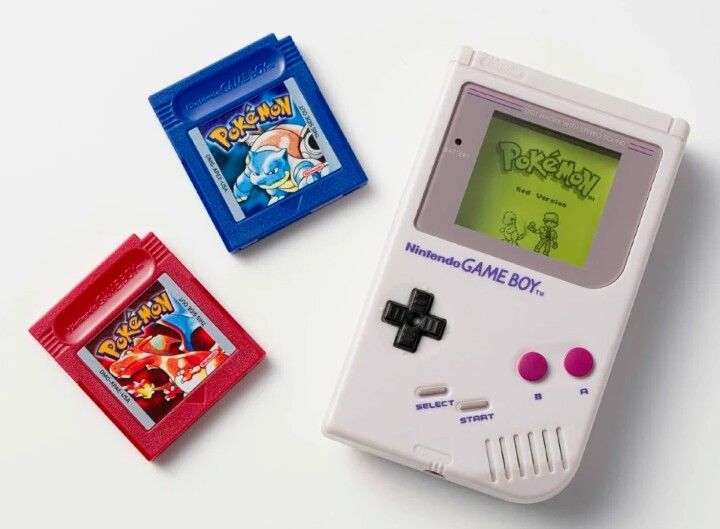
Stanford’s research team pointed out that Nintendo’s Pokémon games unknowingly have three key features that make them an elite brain training exercise:
– Huge number of characters: There are hundreds of different Pokémon species.
– High similarity with subtle differences: Characters share similar designs, forcing players to pay close attention to tiny details like ear shape, tail, and color to tell them apart.
– Time pressure: Players rely on visual memory to quickly recognize types and choose counter moves during battles.
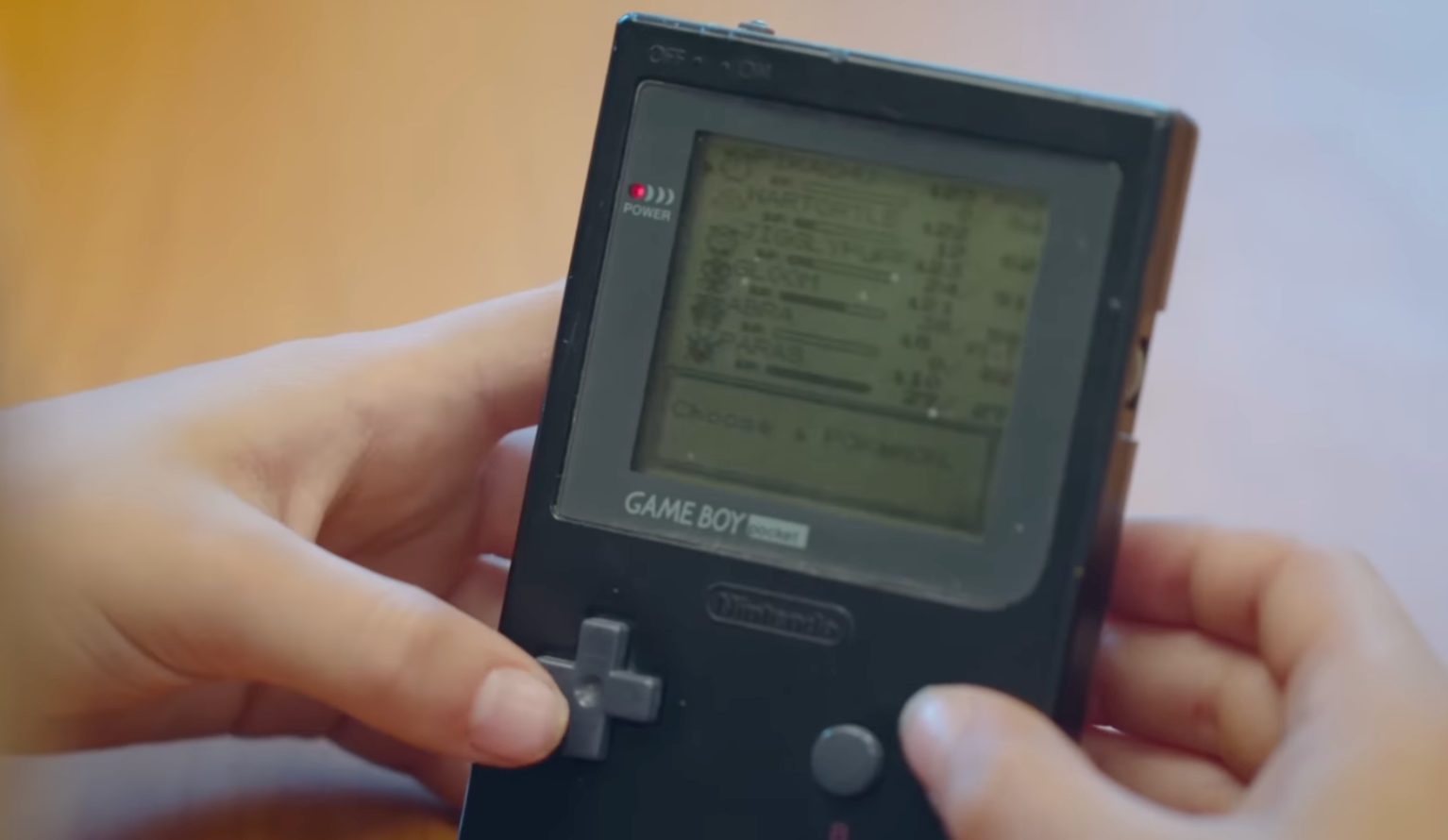
In other words, kids playing Pokémon were actually undergoing an intense computer-guided “image classification training”.
Notably, the design of the Game Boy itself played a crucial role. With its tiny screen and characters always centered, players had to use their “central vision” continuously for hours. This viewing method strongly stimulated and enhanced the brain regions responsible for core visual processing. Think you were just playing games? You were actually teaching your brain how to see the world!
fMRI Experiment: When Pikachu Truly “Lives” in Your Mind
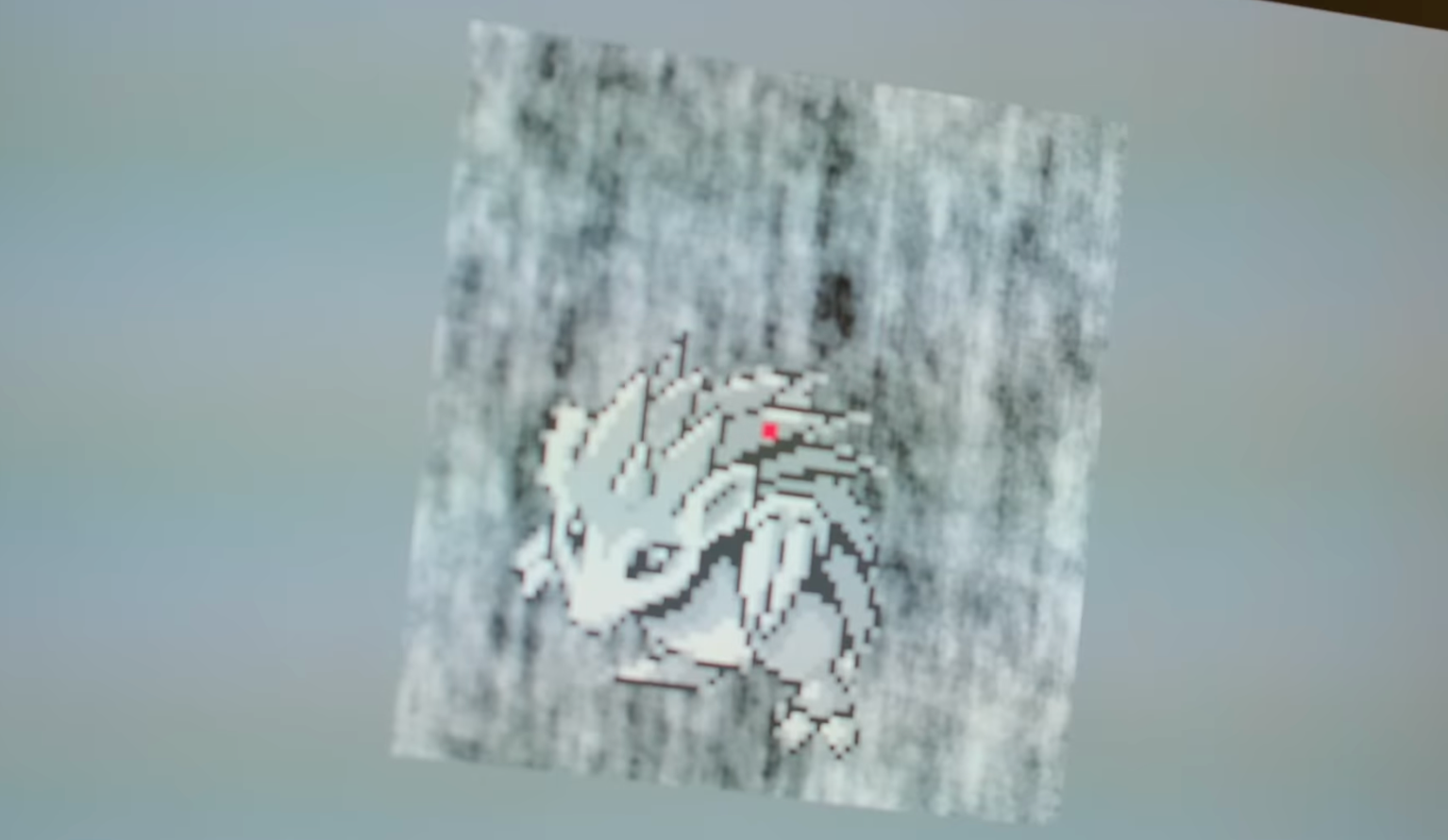
To prove this hypothesis, scientists recruited 11 adults who were Pokémon fans as children and scanned their brains using functional MRI (fMRI) while they viewed images of original Pokémon.
The results amazed experts:
– Among those who played Pokémon: The temporal cortex, responsible for object and image recognition, showed strong and highly specific responses when seeing Pikachu, Bulbasaur, or Wobbuffet.
– Among those who never played: This brain area showed almost no special reaction to the virtual creatures.
The study emphasized this phenomenon is not an abnormality or brain damage, but clear evidence of “neural plasticity”.
Playing Pokémon Won’t Make You Smarter, But…
Stanford’s research does not claim that playing Pokémon turns you into a genius or makes you smarter than others. Instead, it reveals a more romantic and fascinating truth: “Your brain is shaped by the world you see most often as a child.”
If your childhood was filled with adventures in Kanto or Johto, congratulations. Your visual cortex is now a living Pokédex encyclopedia, a testament to how those games helped shape the person you are today.