


In the childhood world of millions of readers, Nobita Nobi appears as a clumsy, shy boy who often gets into trouble. But if you look closely, you’ll notice a “seed of deceit” within Nobita, rooted in fear, laziness, and a desire for recognition without effort.
However, alongside this, the Doraemon series cleverly builds a cast of characters and situations that help Nobita gradually realize his mistakes and guide him toward honesty, hard work, and friendship.
This balance prevents Nobita from becoming a purely negative figure. Instead, he becomes a relatable, lovable character who reflects human flaws and the potential for growth.
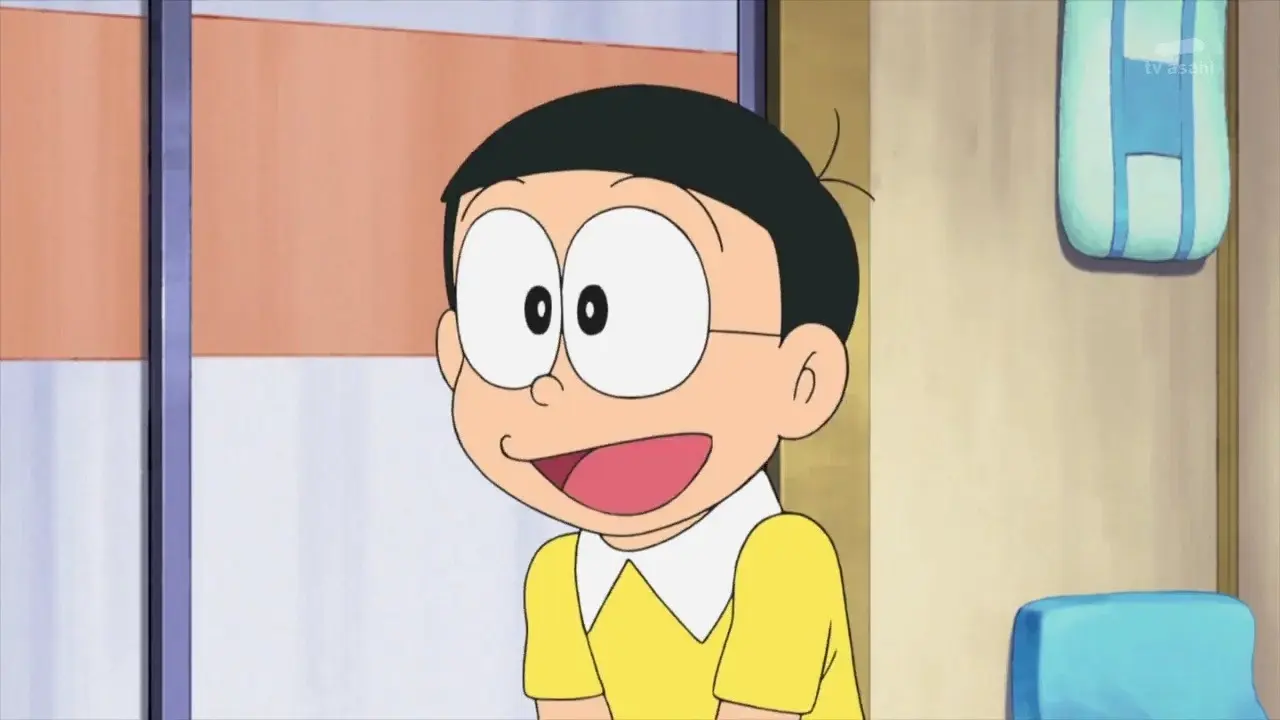
The Roots of Dishonesty in Nobita’s Personality
Nobita often makes excuses to avoid difficult situations. When punished by his teacher for not doing homework, he frequently claims he forgot his notebook at home or faced unexpected problems. With his parents, Nobita bends the truth multiple times to avoid scolding. These lies are defensive, born from weakness and fear.
Many episodes show Nobita wanting to beat Shizuka, Jaian, or Suneo not through real ability but by relying on magical gadgets. He once used the “grading pen” to cheat on exams or the “transformation machine” to impersonate others. These actions are clear examples of deceit because Nobita knows he lacks the skills but still wants an advantage.
Sometimes, Nobita deceives not only others but also himself. He believes he will become a great hero, a brilliant explorer, or a champion athlete, forgetting that effort is necessary to achieve these dreams. Living in a fantasy world is a sweet escape but also makes Nobita prone to relying on shortcuts and avoiding reality.
The important thing is that Nobita doesn’t lie out of malice or long-term gain. His actions stem from fear of ridicule, a desire for acceptance, and a wish to achieve results easily. This childish lack of courage makes Nobita both relatable and open to criticism.
The Author’s Clever Approach
To prevent Nobita from “slipping deeper” into deceit, the series introduces many characters who guide him. They act as forces helping Nobita recognize the limits of dishonesty and learn to live honestly.
Doraemon – mentor and loyal friend
Doraemon is the most important character, always appearing to remind Nobita. Although often dragged into trouble, the robotic cat serves as a “moral compass.” Whenever Nobita tries to cheat, Doraemon initially objects and explains why it’s wrong. Though he often eventually gives in and hands over gadgets, this allows Nobita to experience real consequences. Doraemon doesn’t fully prevent mistakes but lets Nobita “fall” and learn, a practical and effective teaching method.
Shizuka – a model of kindness and honesty
Shizuka is the ideal figure Nobita aspires to. In many episodes, she refuses to accept cheating victories and encourages effort. Her purity and integrity help Nobita realize that to earn her respect, he must improve himself. His feelings for Shizuka motivate him to fight his habit of lying.
Jaian and Suneo – foils for Nobita’s self-reflection
Jaian is often bossy, and Suneo brags and lies frequently. Their unpleasant behavior makes Nobita realize that if he keeps lying, he’ll become like these “unlikable” friends. This awareness pushes Nobita to change and avoid their bad habits.
Parents – necessary strictness
Though not appearing often, whenever Nobita’s parents catch him lying, he faces punishment or scolding. Their strictness draws a clear line: there’s no place for deceit at home. Parents are both a source of fear and a foundation for basic moral values.
How Important Is Nobita’s Proper Guidance?
Learning from consequences: A standout feature of Doraemon is that most of Nobita’s dishonest actions backfire. When he cheats with gadgets, he gets caught. When he tries to dodge responsibility, the consequences are even worse. This cycle of mistakes and payback helps Nobita understand that lying only brings short-term gain and long-term shame.
Reminders from friends: Many times, Shizuka or even Doraemon point out Nobita’s dishonesty. Though initially embarrassing, these reminders plant seeds for change. Nobita learns that to have true friends, he must be sincere.
Experiencing success through honesty: Alongside failures, Nobita has shining moments thanks to his honesty and kindness. He has helped others, patiently worked hard without gadgets, and earned friends’ respect. These successes prove to Nobita that honesty and effort have lasting value.
Friendship as a constant mirror: The series maintains a cycle: Nobita errs, faces consequences, is guided by Doraemon and friends, and learns new lessons. This persistence creates continuous education, helping Nobita, despite frequent mistakes, avoid being consumed by deceit. Over time, he becomes more caring, braver, and less reliant on gadgets.
If Nobita were only dishonest, he’d be a negative character hard to love. If he were only good, he’d feel distant to readers. The balance between his flaws and guidance makes Nobita a “real person” and easy to empathize with.
The series delivers a simple message: Everyone lies sometimes, but what matters is being guided to recognize mistakes, correct them, and choose honesty over cheating. Nobita is proof of that.