


In the 1990s, as anime began to break into Western entertainment markets, Dragon Ball was one of the biggest hits. The series dared to do what few others would, showcasing intense battles with high stakes. On December 3, 1999, The Wall Street Journal (WSJ) published an editorial labeling Dragon Ball as a “violent Japanese cartoon.”
Although the article titled Kids Are Glued to a Violent Japanese Cartoon Show accused the anime of encouraging stabbing and other violent acts, time has proven otherwise. Twenty-six years later, Dragon Ball has become a cultural phenomenon, with fans eager to shout “Kamehameha” and imitate Goku’s iconic Super Saiyan transformation.

The Wall Street Journal’s harsh critique of Dragon Ball
The article was more than a mild review, it aimed to serve as a warning to parents and policymakers. It reflected the uncompromising attitude of the era, dissecting the anime as if it were a crime. The main conclusion was that Dragon Ball was nothing more than violence disguised as children’s entertainment.
Author Sally Beatty targeted the anime’s action scenes, focusing on characters like Goku and Vegeta constantly throwing punches. The article framed these moments as unnecessary displays of violence.
The fear was especially clear when the author highlighted the scene where Frieza stabs Krillin with his horn. The article presented multiple examples to argue that Dragon Ball showcased bloodshed purely to attract viewers. Even though Cartoon Network reported no complaints from parents or advertisers, and Funimation toned down the blood, it wasn’t enough.
Beatty also criticized Cartoon Network’s plans to increase airtime for Japanese animation.
The article went so far as to oversimplify two other anime series, labeling them “unsuitable for children”: “Gundam is a story about bad guys from outer space, and Tenchi Muyo! is about a charming man caught in an interstellar war.”, a clear misrepresentation from The Wall Street Journal.
After Akira Toriyama’s passing in 2024, Beatty’s article resurfaced on social media. This time, Beatty responded by acknowledging Dragon Ball Z as groundbreaking, opening doors to new, sophisticated storytelling for American kids. She added that from a viewer’s perspective, Dragon Ball is a “mature, engaging, and emotionally resonant” work.
The article’s xenophobic tone reflects 1990s cultural fears
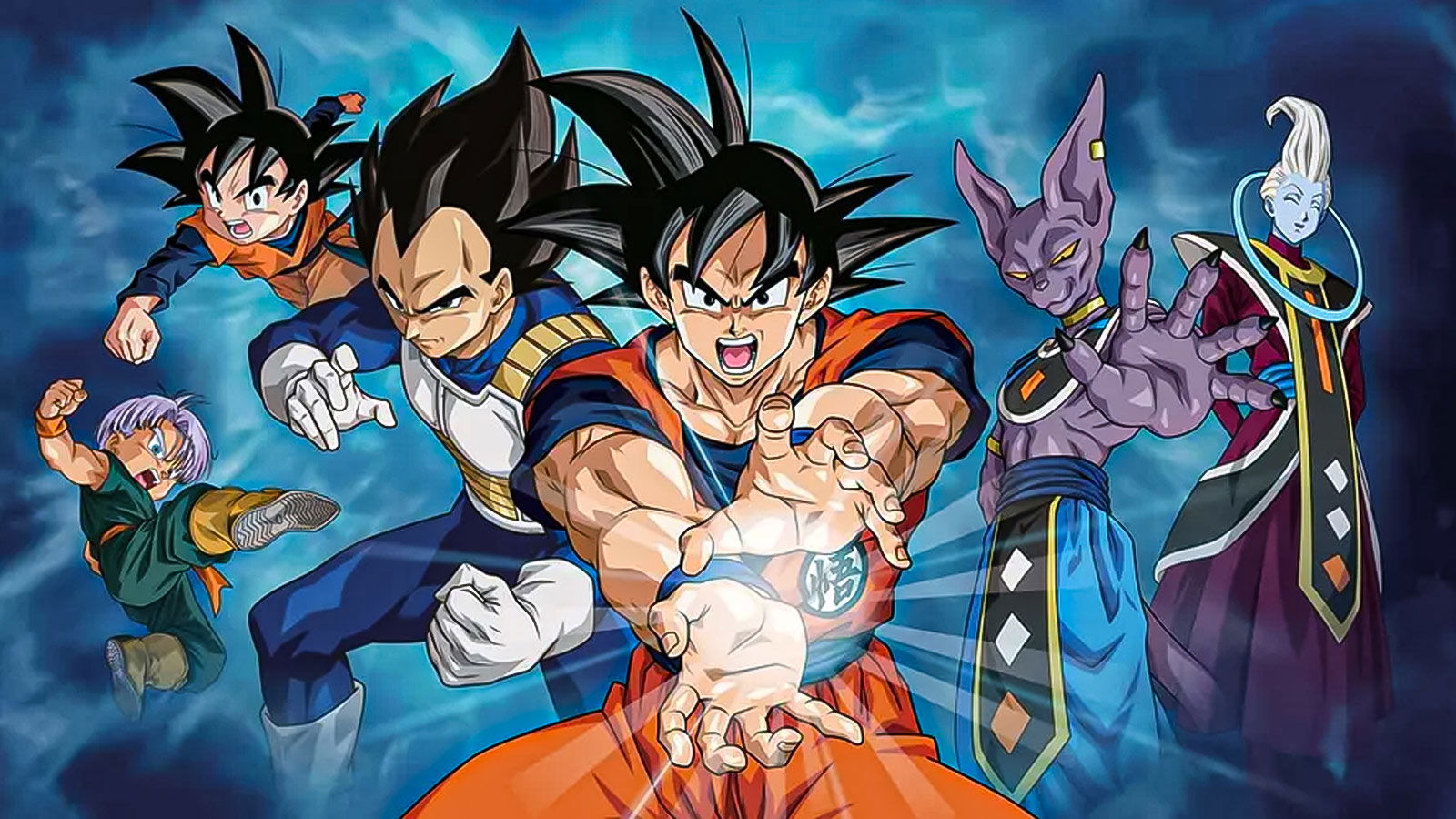
The Wall Street Journal’s article has been criticized for its xenophobic undertones. Comparing Dragon Ball to Wile E. Coyote clearly showed how anything foreign was negatively labeled. The piece exploited public anxiety about anime’s supposed harmful influence on children.
Since the 1990s, the anime market has grown exponentially. Yet fear of the unknown remained evident in recent book bans across the U.S. For those unwilling to accept change, Goku wasn’t a hero saving the galaxy but a battle-crazed brute smashing opponents’ bones.
Time has shown that Dragon Ball not only survived but grew into one of the greatest anime franchises. Fans compare Goku to every main anime character and draw inspiration from him. Looking back, the WSJ article was an overreaction, trying to paint Dragon Ball as the “big bad” behind children’s emotional numbness.