


The Isekai genre, where characters are reincarnated into another world, has long been a beloved staple, but it’s also sparked some of the fiercest debates. From sensitive themes and violence to ethical boundaries pushed too far, some series leave viewers questioning the limits of creativity.
Here are seven of the most notorious titles!
7. The Beginning After the End
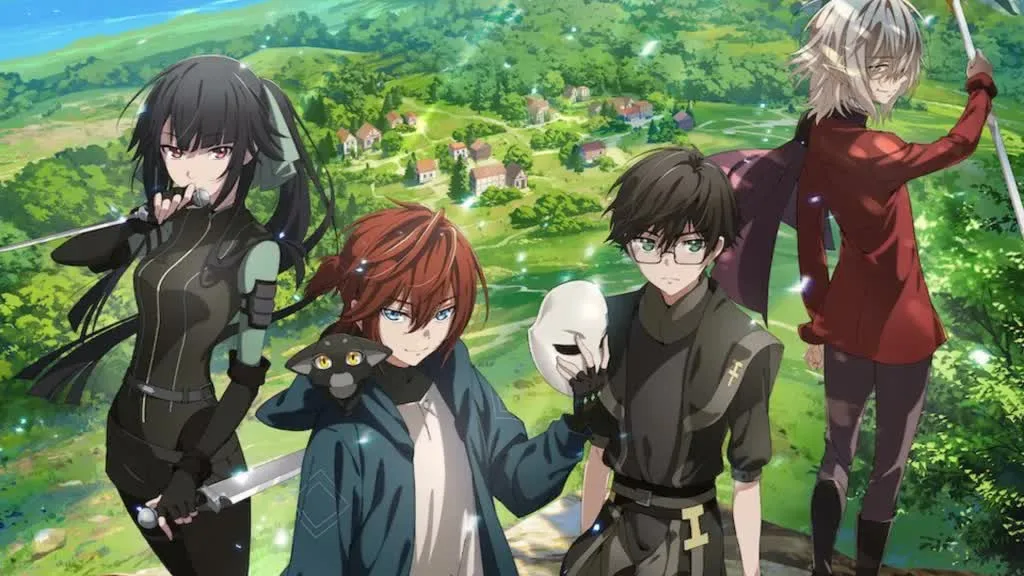
At number seven is a rare case. The controversy around The Beginning After the End isn’t about extreme content but the negative reaction from the fanbase. Fans of TurtleMe’s original webcomic hoped for a masterpiece, but the adaptation was widely seen as cheap and disappointing.
So much so that a petition with nearly 60,000 signatures demanded a different studio remake the series. This shows how high expectations can turn an average show into a disaster in fans’ eyes.
6. Do You Love Your Mom and Her Two-Hit Multi-Target Attacks?
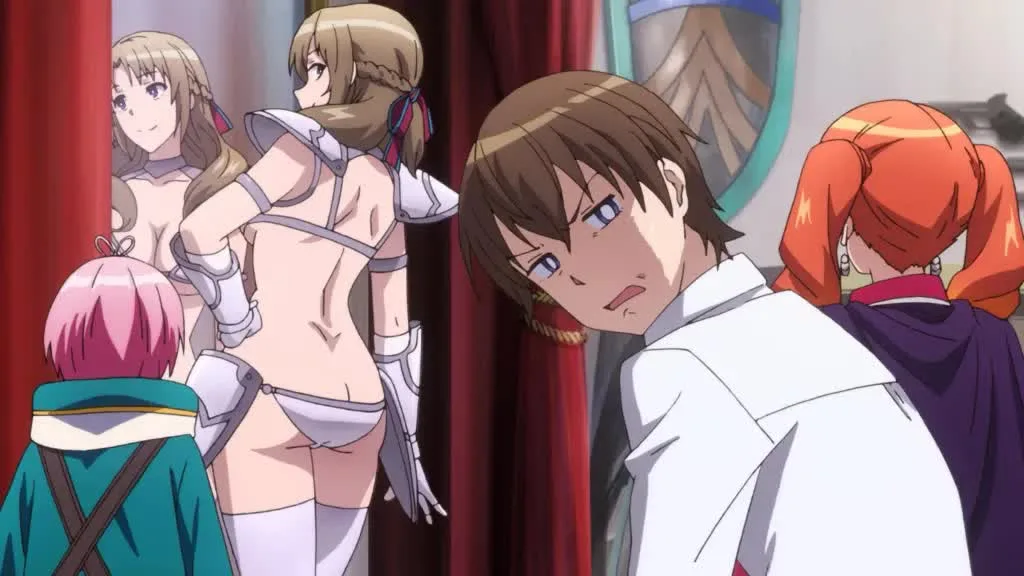
This anime puts viewers in an awkward spot. The protagonist and his mother are reincarnated into another world, but the mother holds all the “game-breaking” powers and is portrayed in a way that makes her son’s gaze uncomfortable.
The excessive “mom obsession” makes the show feel cheap and off-putting, even for fans of lighthearted anime.
5. Now and Then, Here and There
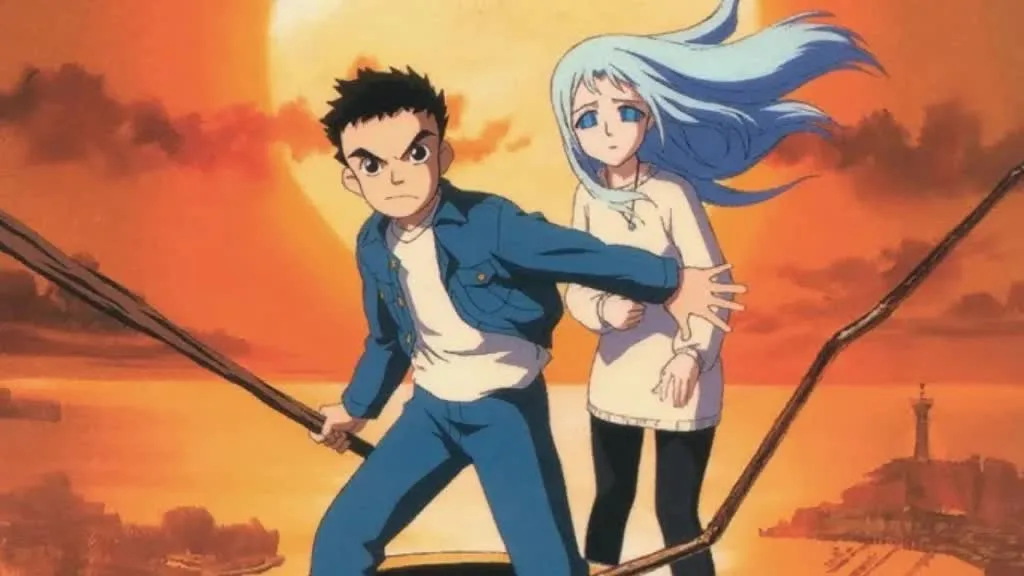
Unlike dreamy Isekai, this series delivers a harsh reality check. It follows a boy transported to a war-torn world where children are forced into military service, enslaved, and brutally abused.
Despite its controversy over child abuse, the anime is praised for using this cruelty to deliver a powerful anti-war message rather than cheap shock value.
4. Mushoku Tensei
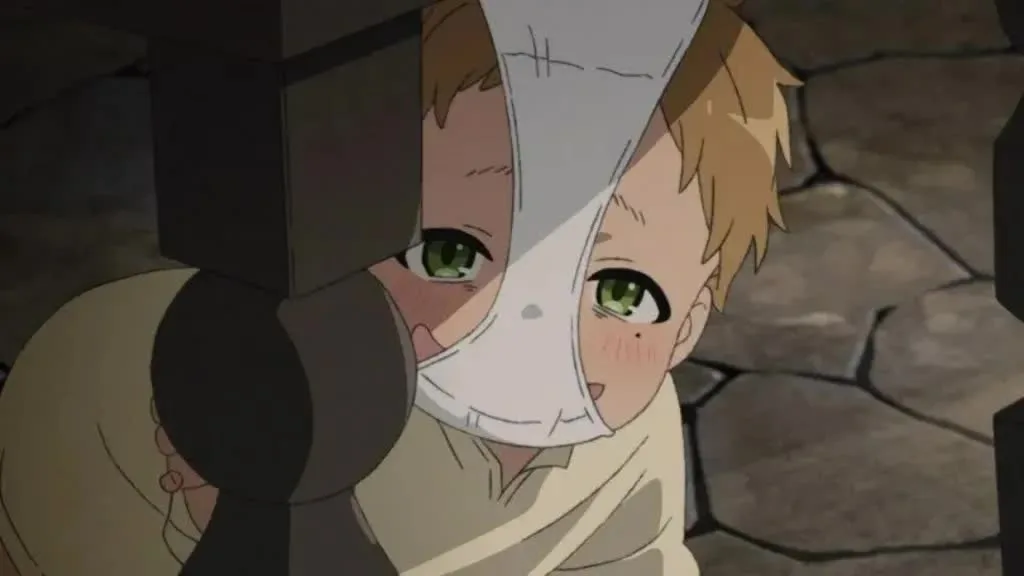
No list is complete without this infamous title. Known as a pioneer of modern Isekai with stunning visuals, its protagonist Rudeus disgusts many due to his perverted behavior from his previous life.
The fact that a 34-year-old soul trapped in a child’s body repeatedly harasses his mother and other women sparked intense backlash. Fans argue this is part of his character growth, evolving from a flawed person to someone better.
3. The Rising of the Shield Hero
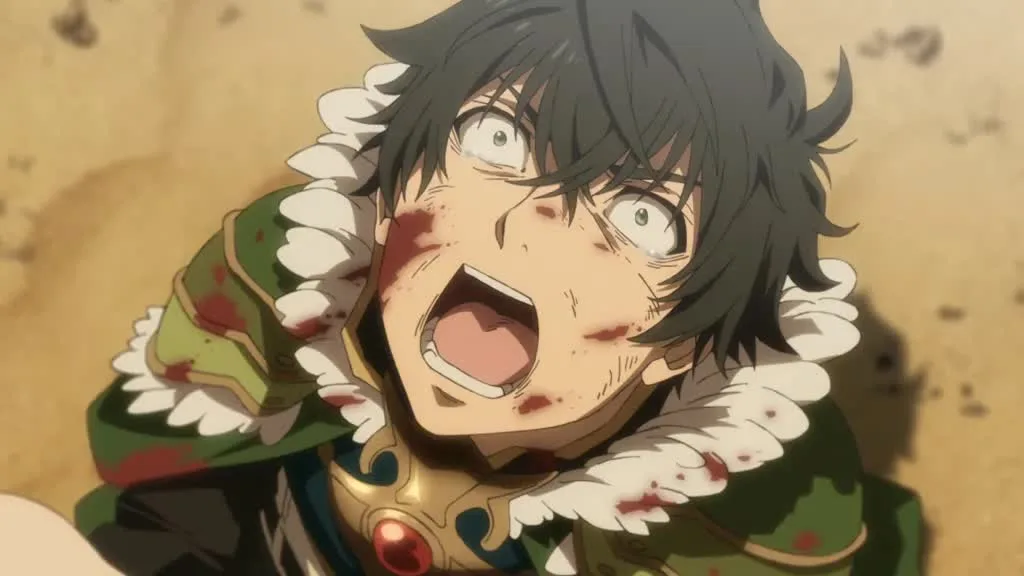
This series starts with a harsh plot twist. The hero is falsely accused of rape and shunned by the kingdom. To survive, he buys a young slave to fight for him. The promotion of slavery and Naofumi’s extreme behavior in early episodes sparked fierce debate.
Although later seasons softened the tone, the ethical concerns from season one remain a sticking point for many.
2. How Not to Summon a Demon Lord
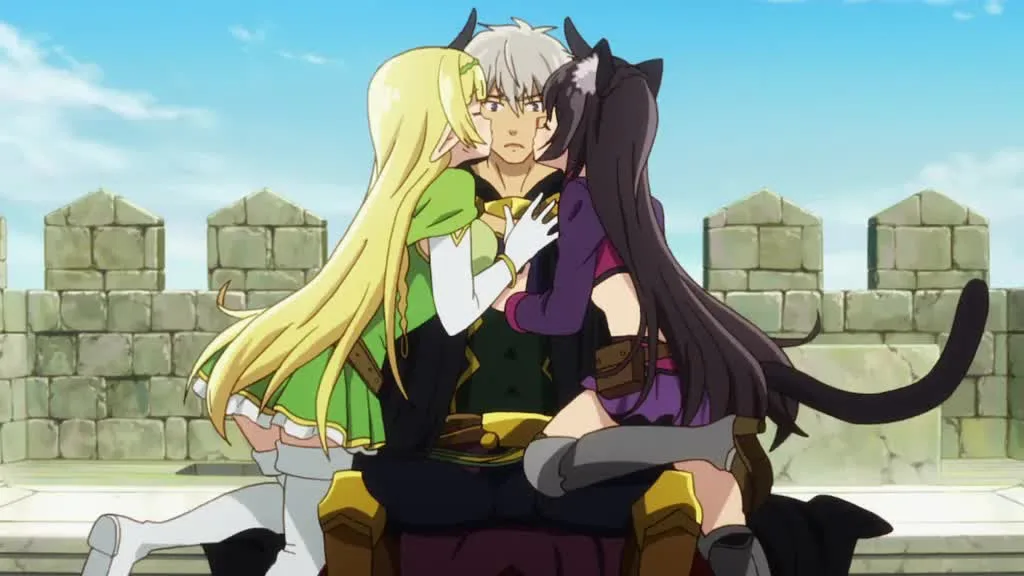
This anime combines two sensitive elements: slavery and nudity. The protagonist Diablo accidentally turns two girls who summoned him into his slaves. While the show has sweet and comedic moments, its excessive fan service led to strict censorship and removal from platforms like YouTube.
It’s a fan-service heavy series that crosses the line for a typical TV anime.
1. Harem in the Labyrinth of Another World
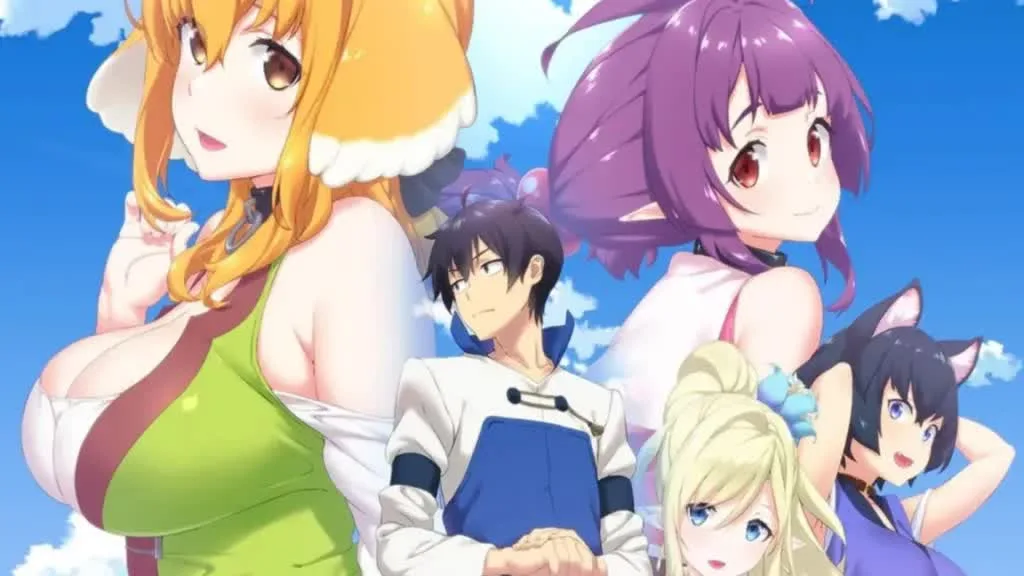
Topping the list is a series labeled as adult anime for good reason. It lacks any deep philosophy, focusing solely on the protagonist buying slaves to build his harem. Explicit scenes dominate most of the runtime.
This is a prime example of controversy used to grab attention, an Isekai where adventure is just an excuse for boundary-pushing content.