


In the realm of mythical creatures, Pokémon has long reigned as the undisputed commercial king. With its vibrant visuals, positive messages, and gameplay accessible to all ages, Pokémon has built a massive empire.
However, from a different angle of monster training anime, Digimon chose a distinct path, one full of grit and depth. The pinnacle of this difference is Digimon Tamers (2001), a masterpiece that not only redefined children’s anime but also became a haunting psychological and sci-fi landmark.
Digimon Tamers Takes Supporting Characters Into Darker Territories
Premiering in April 2001, Digimon Tamers quickly distanced itself from the safe formulas typical of children’s shows. It skillfully weaves themes like soul-for-power bargains, human extremism, and the concept of chaos.
Unlike Pokémon’s friendly approach aimed at all ages, which sometimes sacrifices depth, Digimon Tamers plunges viewers into heavy psychological journeys. The colorful battles serve as a facade for deeply human messages and painful growth.
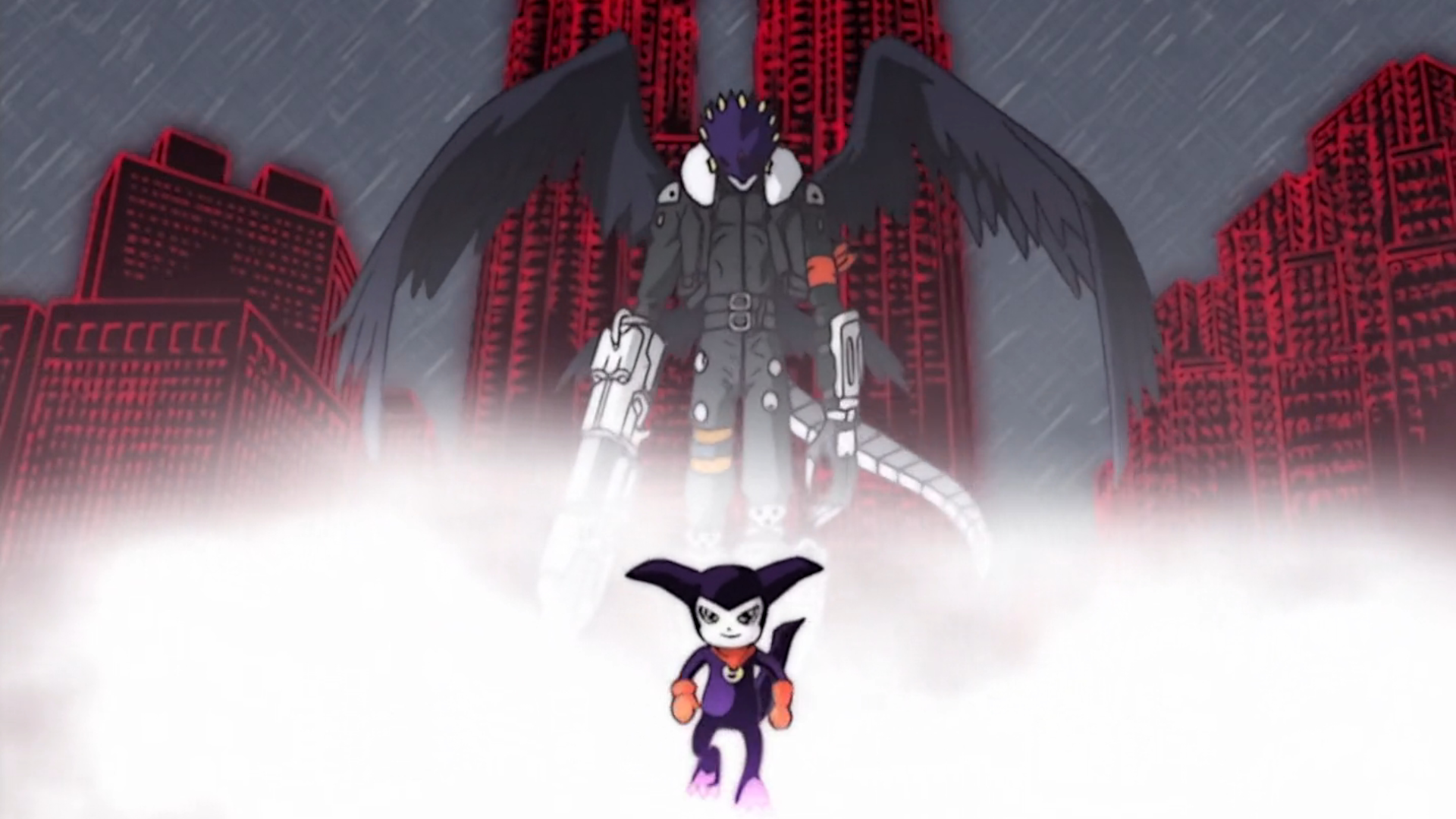
One of Tamers’ greatest strengths lies in its supporting characters, especially Impmon. Once a lonely, arrogant figure feeling mistreated by former friends Ai and Mako, Impmon makes a “deal with the devil” to gain ultimate power, resulting in the birth of Beelzemon.
The darkest moment comes when Beelzemon mercilessly kills Leomon to absorb his data. Unlike the usual “death and revival” trope common in cartoons, Leomon’s death in Tamers is permanent. This leaves a profound psychological shock, causing young Jeri Kato to fall into a catatonic state with vacant eyes. This bold storytelling choice dares to let a main character endure real loss without any magical rescue.
Beelzemon’s path to redemption is far from easy. He faces self-loathing and hatred from his friends. The image of Beelzemon, bloodied hands reaching out to save Jeri despite his drained power, embodies the message that salvation doesn’t erase the past but comes through efforts to make amends in the present.
Tamers Explores Spiritual Bonds: When Humans and Monsters Become One
The relationship between humans and monsters in Digimon Tamers reaches a new level compared to Pokémon or earlier Digimon series. In Pokémon, trainers usually command their monsters from the sidelines. Tamers raises a serious ethical question: Are humans too cruel for pushing their friends into danger to satisfy ambition or self-preservation?
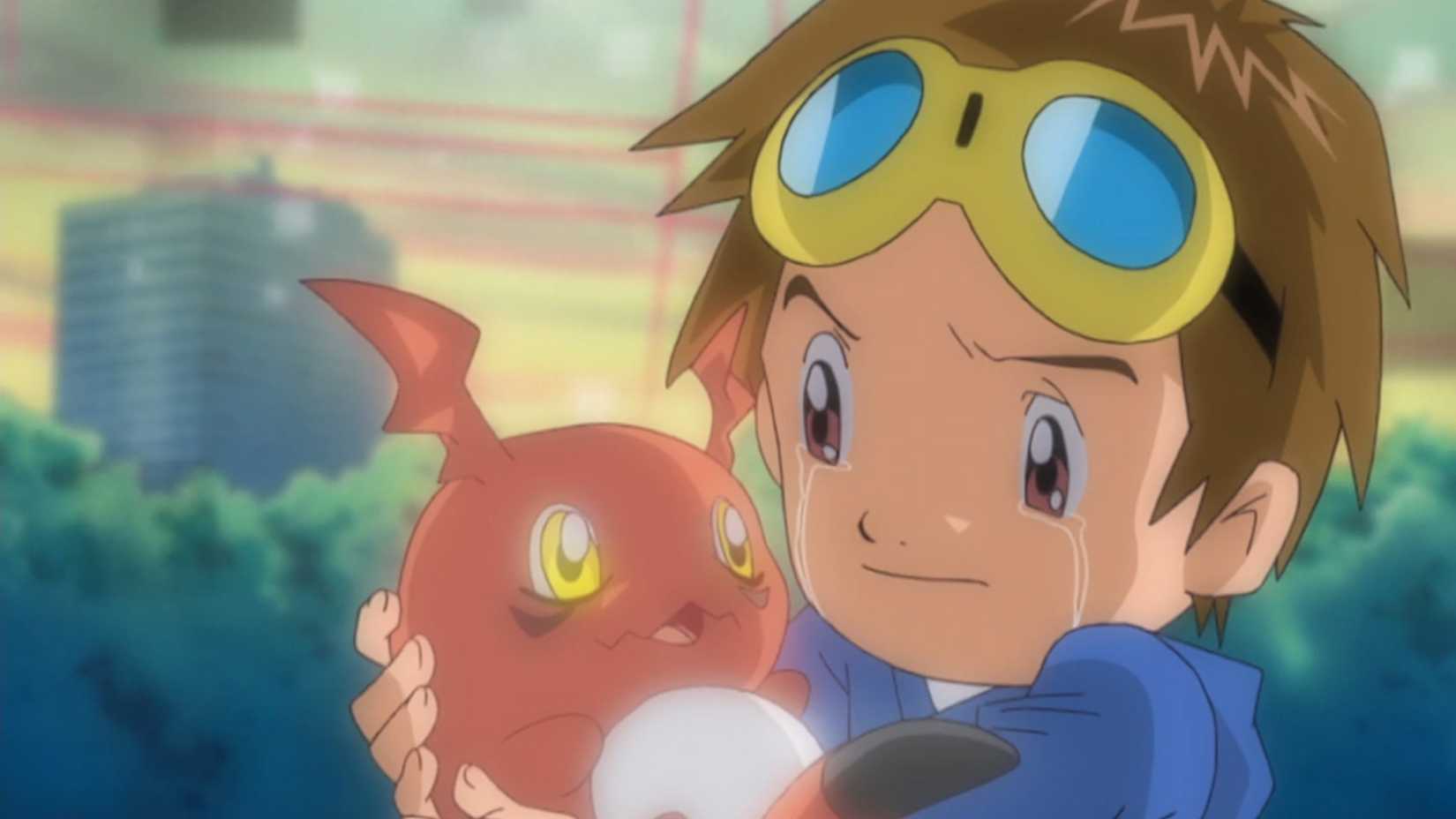
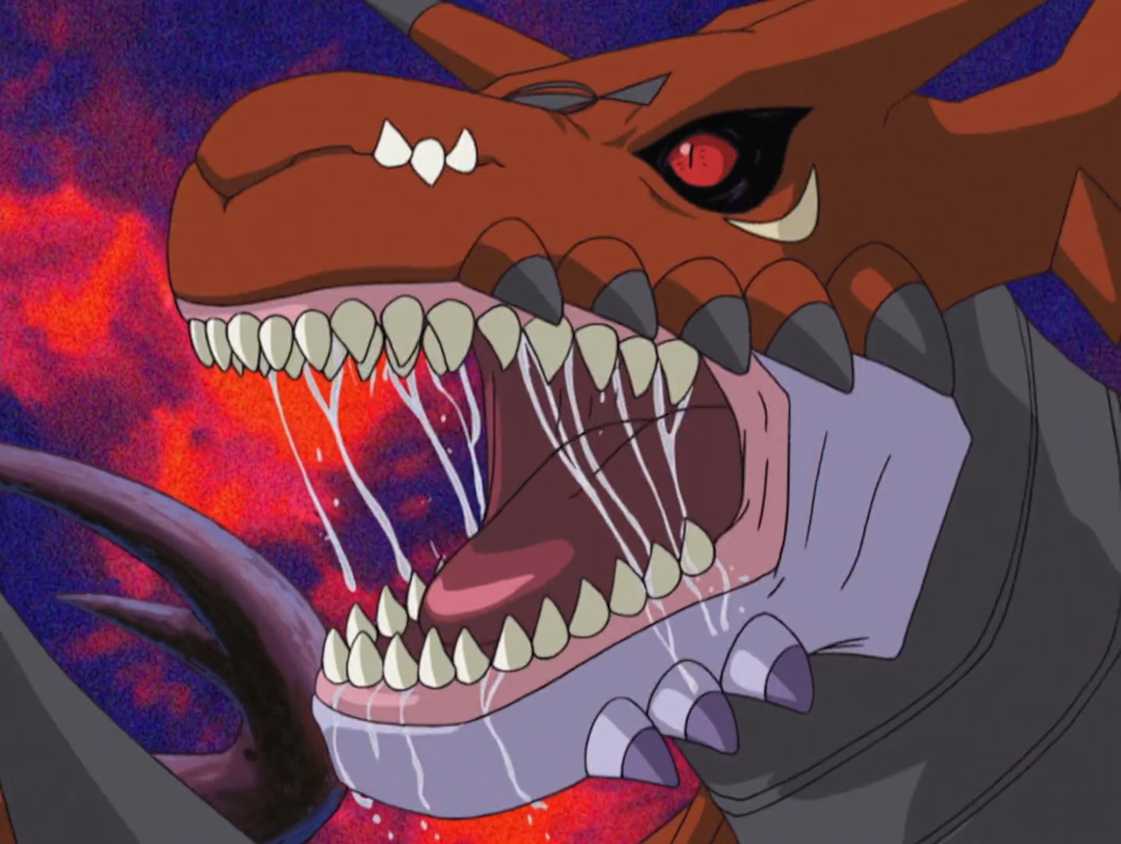
A prime example is when Takato forces Guilmon to evolve into Megidramon in a fit of rage. Megidramon is a hellish dragon symbolizing loss of control and hatred. Seeing his closest friend become a soulless monster shatters Takato.
This regret leads to the creation of Biomerge Digivolution. Instead of commanding from afar, humans and Digimon now merge physically and spiritually. When Takato fuses with Guilmon to become Gallantmon, it’s not just a power boost but an acknowledgment that “We are one, your pain is mine, and I will fight alongside you.” This is a revolutionary step in monster training anime.
The Final Villain of Digimon Tamers Is the Series’ Greatest
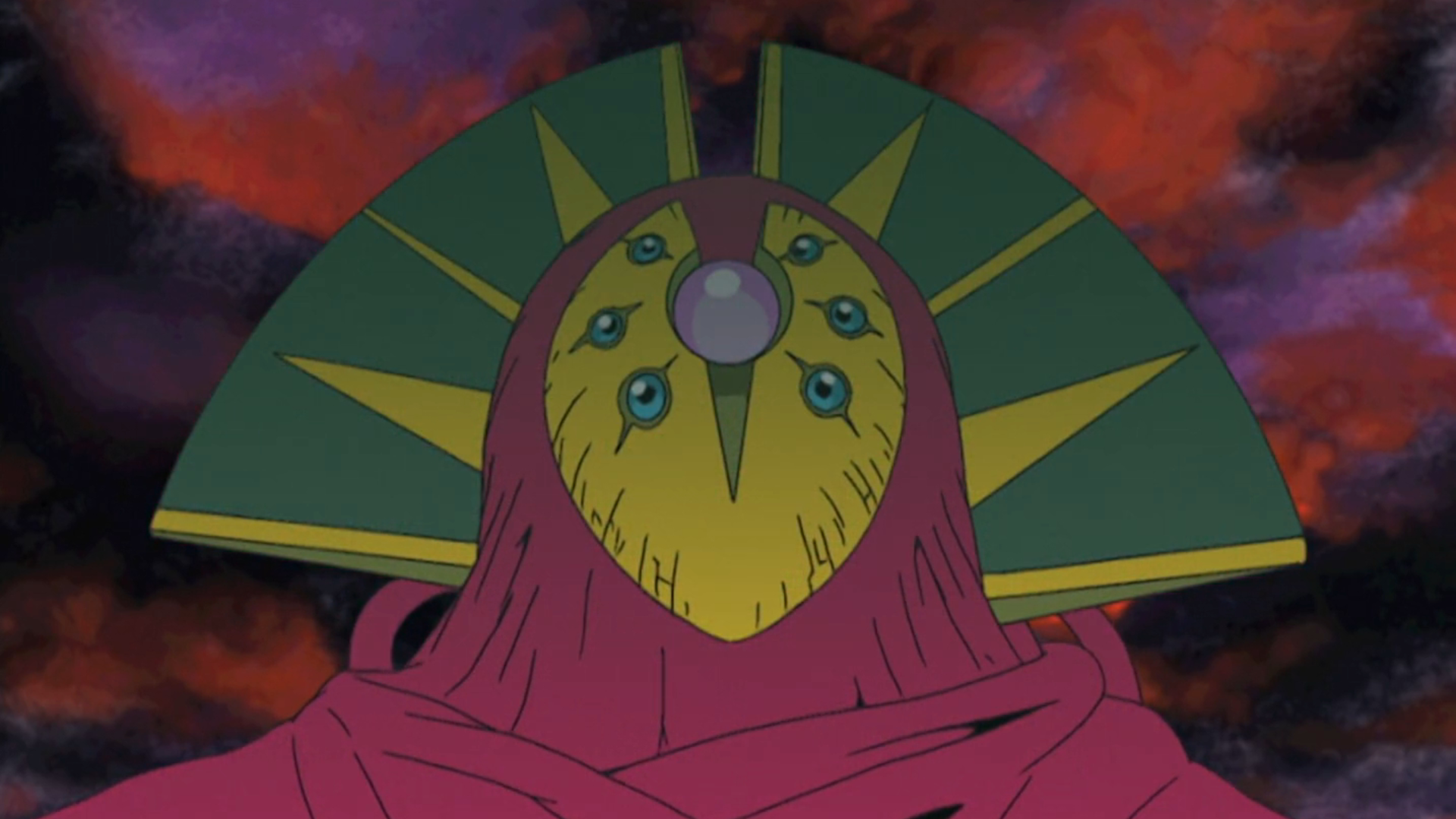
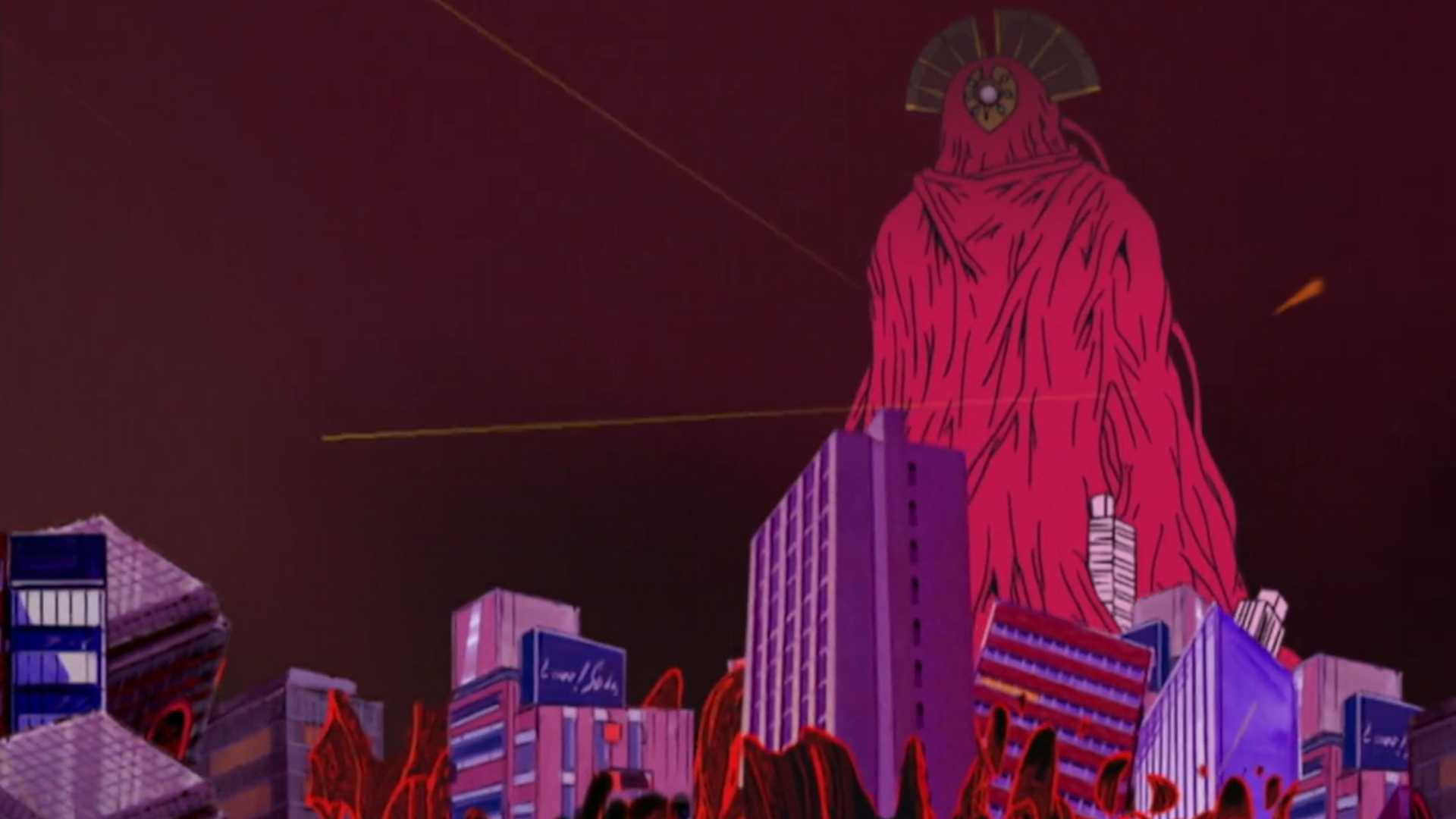
Unlike typical anime villains aiming for world domination, Digimon Tamers introduces D-Reaper, a being of pure annihilation. Originally a discarded cleanup program, it evolved into an artificial life form with the sole purpose of erasing existence.
D-Reaper’s most terrifying power isn’t weapons but its ability to exploit pain. It captures Jeri, feeding off her sorrowful memories of her deceased mother, cold father, and Leomon’s death. The scenes of Jeri trapped inside D-Reaper’s core evoke Freud’s psychological theories and the chaotic style of Evangelion. She undergoes a “death of the self,” where reality and illusion blur.
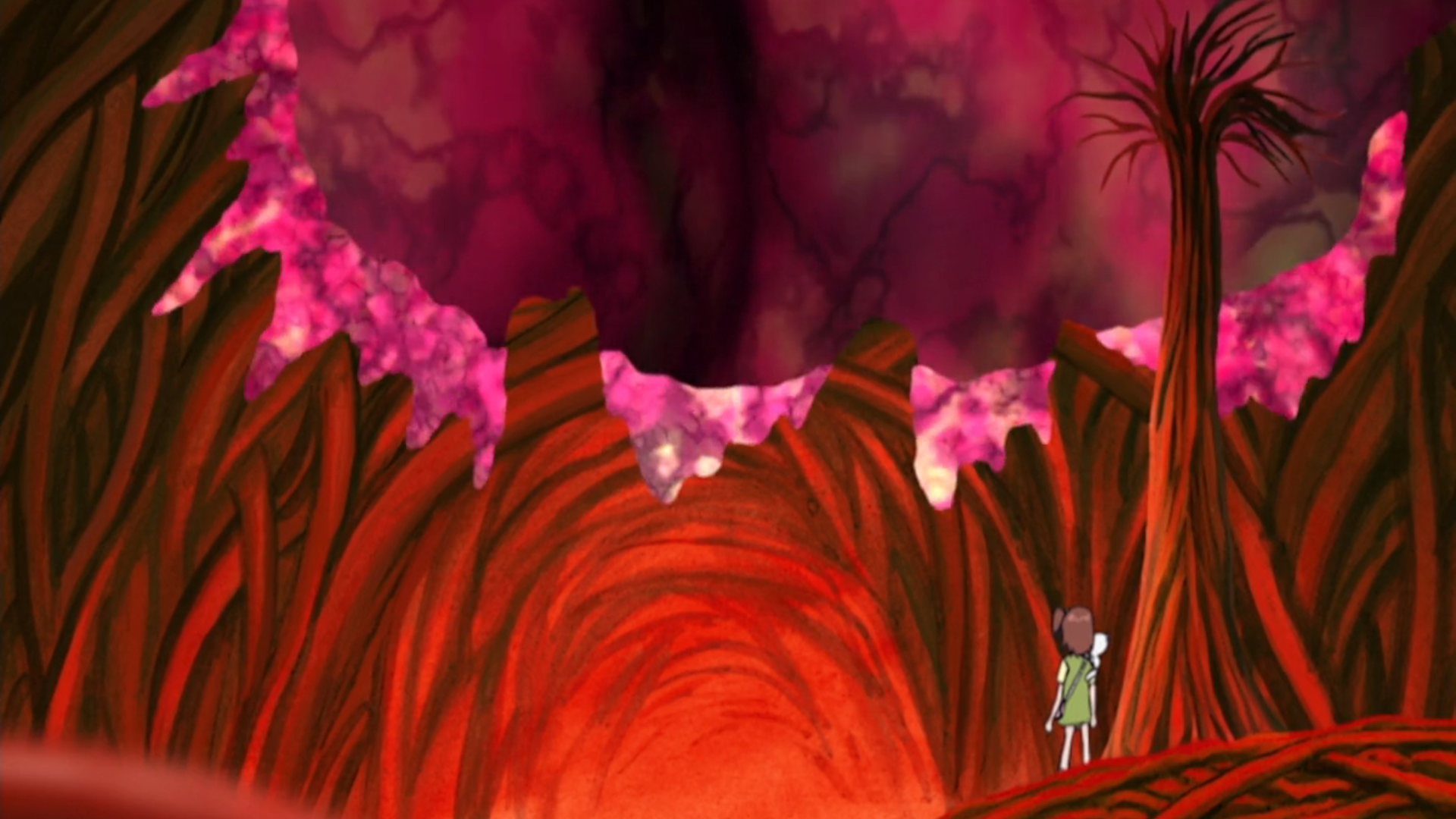
The final battle against D-Reaper can’t be won by brute strength alone. It demands the characters confront their deepest fears. D-Reaper’s defeat by the Tamers’ small but resilient hope offers a satisfying conclusion and an emotional catharsis for viewers.
More than two decades later, Digimon Tamers remains timeless. While Pokémon chooses to stay in an ideal world where humans and monsters coexist peacefully without worry, Digimon Tamers courageously ventures into life’s “dark zones.”
The series teaches us that growing up comes with loss, true strength comes from empathy rather than control, and even in the darkest moments, we can find light if we face ourselves honestly. For those who grew up with digital monsters, Tamers is more than just a cartoon, it’s a profound life lesson that grows more meaningful with age.