


As fans eagerly await the latest updates on season 3 of the One Piece live-action series, a harsh truth is becoming clear. No matter how successful the show becomes, it will never cover the full 30-year journey of Eiichiro Oda’s original manga.
While producers hope for 8 to 12 seasons, the brutal realities of Netflix’s platform and time constraints are pushing the live-action adaptation toward an unavoidable crossroads. The solution is to create an entirely new and independent ending for the series to preserve its overall value.
Racing Against Time: The Cast’s Biggest Challenge

We have to accept a simple fact: actors are not immortal anime characters. To adapt nearly 1,200 manga chapters (and counting), the One Piece live-action cast would need to dedicate at least 20 years of their lives to a single role.
Although Netflix has sped up production for seasons 2 and 3 to reduce the gap between releases to just one year, this pace barely scratches the surface of Oda’s massive story.
Even if Tomorrow Studios aims for 10 seasons, that’s a huge commitment few top-tier actors would patiently see through. We’ve already seen key producers leave after only three seasons. Will the Straw Hat crew in real life last another decade?
The Harsh Reality of Netflix’s “Curse”
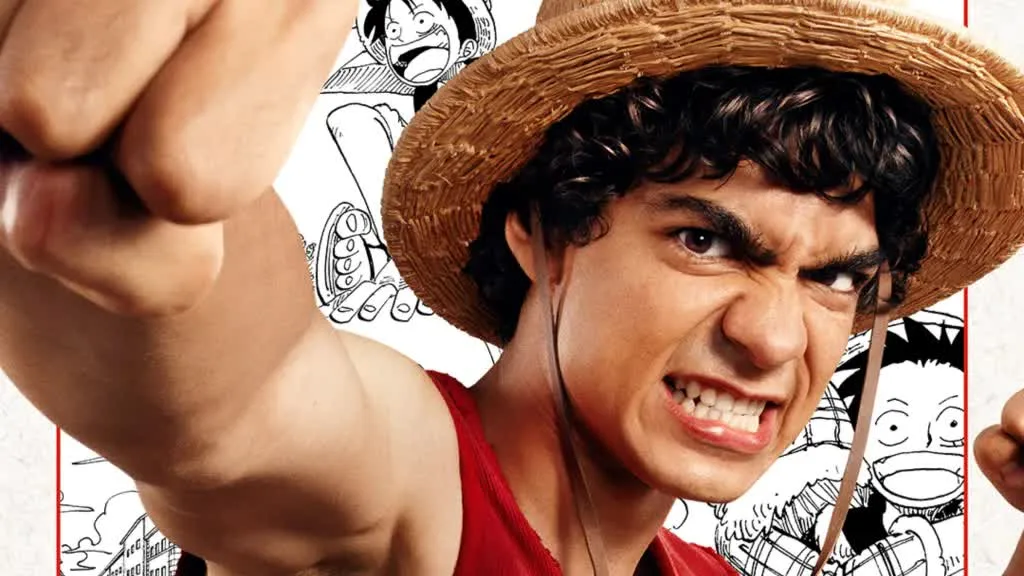
Netflix is known for rarely guaranteeing a long future for any series, even major hits. Statistics show very few shows survive beyond eight seasons before cancellation.
While season 2 of One Piece live-action remains a big hit, viewer numbers have started to plateau compared to season 1. If season 3 (covering the Alabasta arc) doesn’t deliver a massive impact, Netflix could pull the plug. In that scenario, sticking strictly to the manga and ending abruptly with an unfinished story would be a disaster for fans.
Different Philosophies: “Enjoy the Journey” vs “Need a Conclusion”
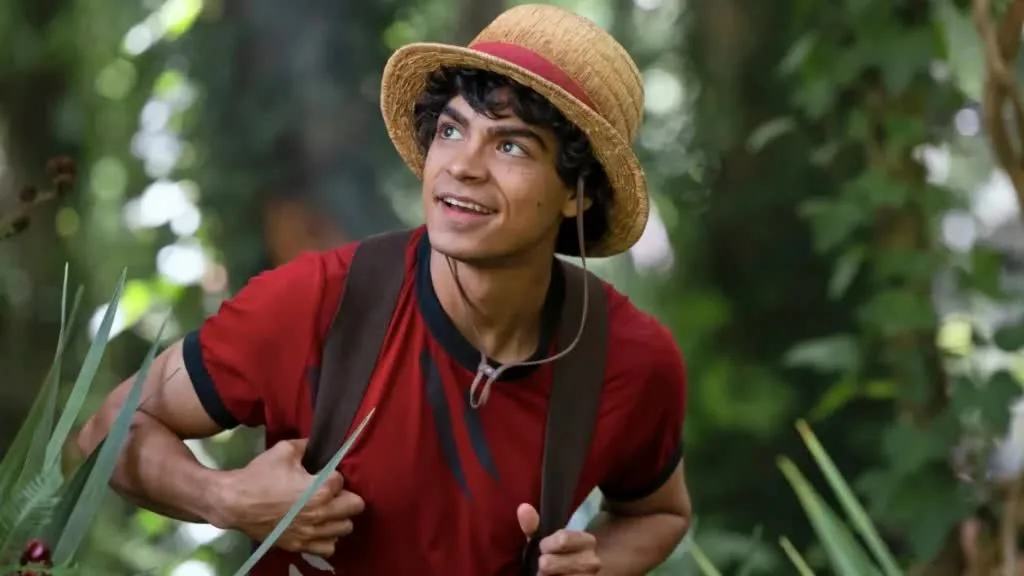
Eiichiro Oda once said he writes One Piece to encourage readers to enjoy the long journey, sometimes including side chapters just to live alongside the characters. But TV audiences want something different. They expect a concise story, clear direction, and most importantly, a definite ending for the time they invest.
In the streaming era, any episode that doesn’t advance the main plot is seen as “excess.” This clashes with One Piece’s nature. Instead of cramming lengthy battles like Thriller Bark or Dressrosa that risk awkward cuts, the creators might weave future elements into earlier arcs to craft a satisfying stopping point.
Season 3 and the Alabasta Arc: A Foundation for a Complete Ending?
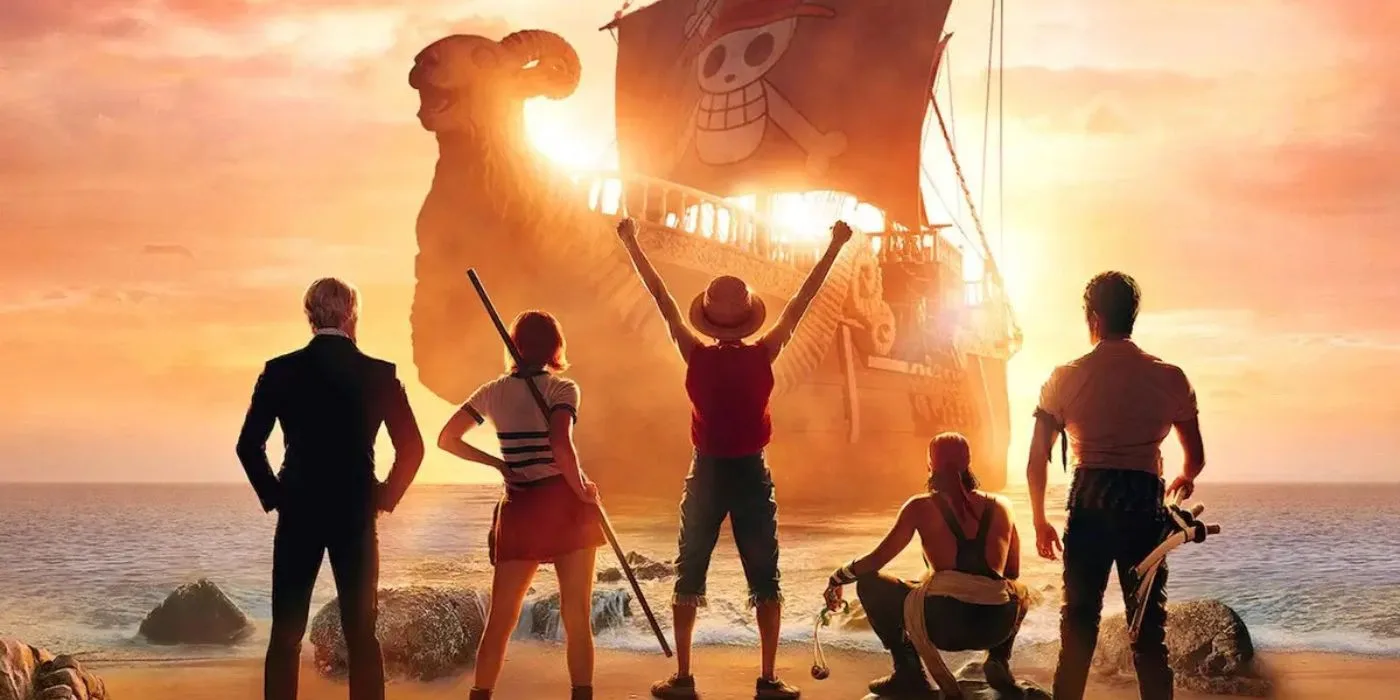
Season 3 will focus entirely on the Alabasta Saga. This is a perfect milestone to give TV viewers a sense of closure. The story of Princess Vivi and the battle against Crocodile includes all the elements of a final showdown: large scale, political significance, and strong Straw Hat crew bonds.
If this becomes the stopping point, the creators can make it an open ending, leaving Luffy’s journey alive in fans’ minds instead of chasing the manga’s current storyline, which has advanced to Egghead Island with godlike powers.
Conclusion: A New Ending Doesn’t Mean Failure
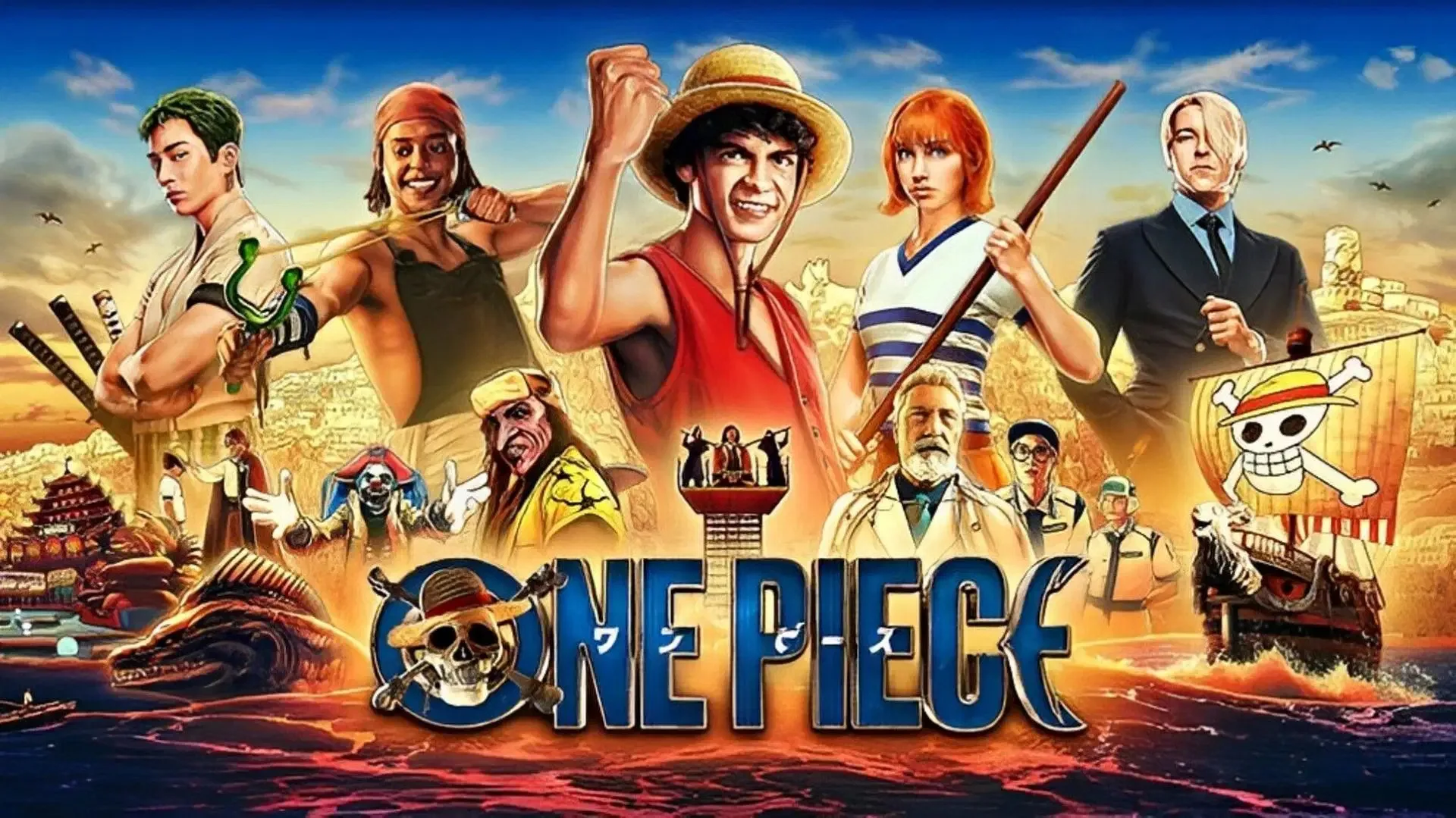
Having a unique ending for the One Piece live-action series might disappoint hardcore manga fans, but it’s necessary for the broader audience. An ending suggested or approved by Oda that focuses on the spirit of the story rather than the number of chapters will help this adaptation remain the most successful in history.
After all, One Piece is about the journey to freedom, and Luffy will always be the Pirate King in our hearts, whether his adventure ends at Alabasta or Raftel on screen.