


While fans are still reeling from the ending of Jujutsu Kaisen and eagerly awaiting Season 3 of the anime, promising news has just surfaced. According to recent reports, Gege Akutami’s upcoming project titled Mojuro will be revealed in issue 40 of Weekly Shonen Jump and officially launch on September 8, 2025. This is expected to be a short series, with Akutami handling the story and Yuji Iwasaki from Cipher Academy providing the illustrations.
Excitement for this new work from the acclaimed creator is building, even though details remain a mystery. Although Jujutsu Kaisen is regarded as one of the best shonen manga, it is not without its flaws. Many fans have expressed disappointment over the abrupt ending and pointed out areas that could have been improved.
Since Mojuro is also a short series, Akutami must avoid three major mistakes to make a strong impact on fans and fill the void left by Jujutsu Kaisen.
1) Half-baked development of female characters

Despite introducing impressive female characters like Maki Zenin, Jujutsu Kaisen falls into a common shonen trap: shallow development of its female cast. This is especially disappointing because the story laid a solid foundation for them but then sidelined their roles.
After the Shibuya incident, Maki showed remarkable growth and seemed poised to play a key role in the final battle, yet her part in the fight against Sukuna was almost negligible.
Other examples abound, notably Kasumi Miwa. Though lacking innate cursed techniques, Miwa mastered the “Simple Domain” to an impressive level, showing great potential. However, she was abruptly written out after Shibuya. Her journey could have been a powerful testament to mastering a skill that elevates a person, but that opportunity was missed.
Similarly, fans remain puzzled by Nobara Kugisaki’s role as the female lead. If Akutami wants to avoid repeating this mistake in Mojuro, especially in a short series, any female lead must have a consistent and meaningful impact from start to finish.
2) Lack of a consistent main villain
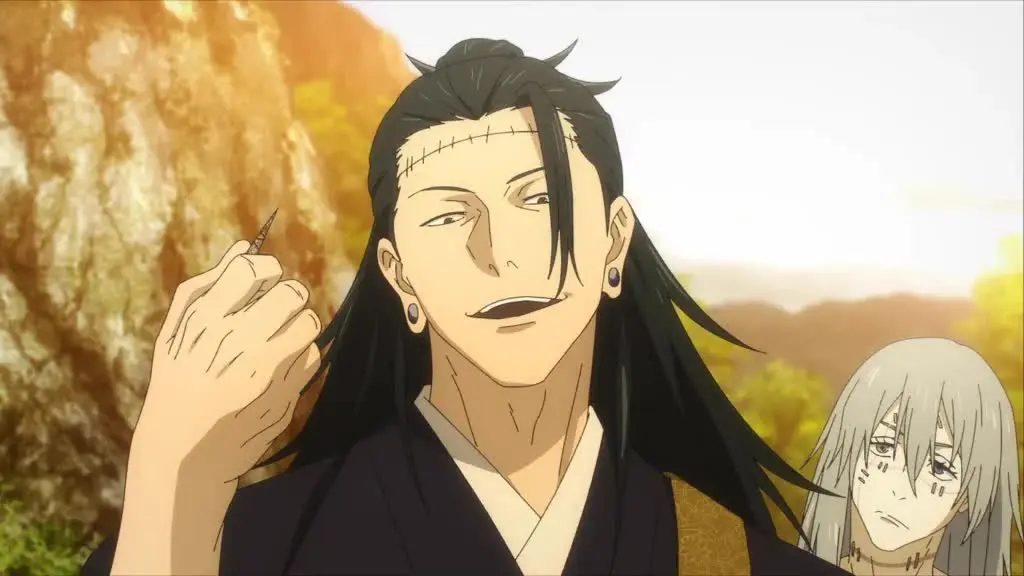
Even after Jujutsu Kaisen ended, fans still debate who the true main villain was. Throughout the story, three central antagonists appeared: Mahito, Ryomen Sukuna, and Kenjaku. Many believe Kenjaku was the ultimate villain, with his centuries-long plan.
This character had huge potential to be explored further if established as the supreme antagonist. A lengthy flashback revealing Kenjaku’s origins would have added depth and compensated for the manga’s failure to clearly depict the Heian era, which was promoted as the most fascinating period of cursed techniques.
However, Kenjaku’s role in the final arc felt sudden, as Sukuna unexpectedly became the ultimate villain without convincing reasons. Even though Sukuna took over, the story avoided a proper flashback to clarify this key antagonist, leaving fans with fragmented information.
To avoid this, Akutami’s next work should focus on a single, clearly defined villain with well-developed motives, especially through flashbacks. This is crucial in a short series, as introducing too many villains and then abruptly shifting focus makes the story feel shallow, if not worse than Jujutsu Kaisen’s ending.
3) Creating another “Gojo” character
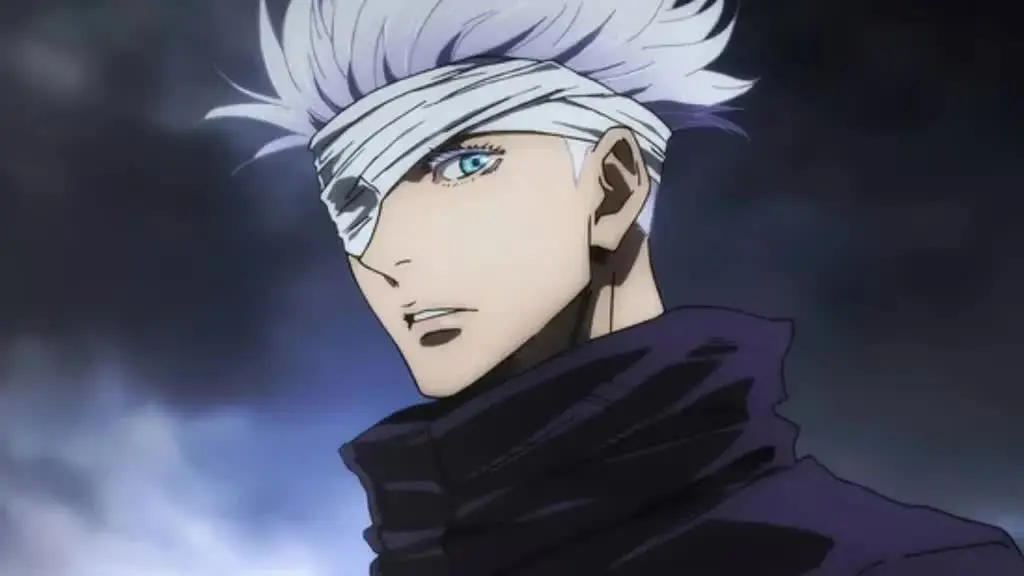
One of the biggest criticisms of Jujutsu Kaisen is that the protagonist Yuji Itadori is often overshadowed by other characters. Yuji’s role feels unusual compared to typical shonen leads, and characters like Gojo Satoru only increase this imbalance, making Yuji’s presence fade. Sometimes Megumi Fushiguro even seems like the central character despite the story revolving around Yuji.
For Mojuro to deliver a compelling shonen story, the main character must have strong motivations from the start to truly carry the narrative. With a shorter run, it’s vital the lead shines without being overshadowed. To achieve this, Akutami should avoid creating another “Gojo-type” character whose overwhelming presence diminishes the protagonist’s role.