


Some films aren’t made to comfort audiences with rosy illusions but to act like a scalpel, cutting deep into the most complex and hidden layers of the human psyche. The five classic films below prove this point.
They don’t rely on explicit scenes or sensational gimmicks to attract viewers. Their power lies in the courage to confront taboo subjects and dissect core moral conflicts. Through this, these films affirm an eternal truth: human nature is never a fixed label but an ever-changing lesson in the struggle to survive.
1. Black Book
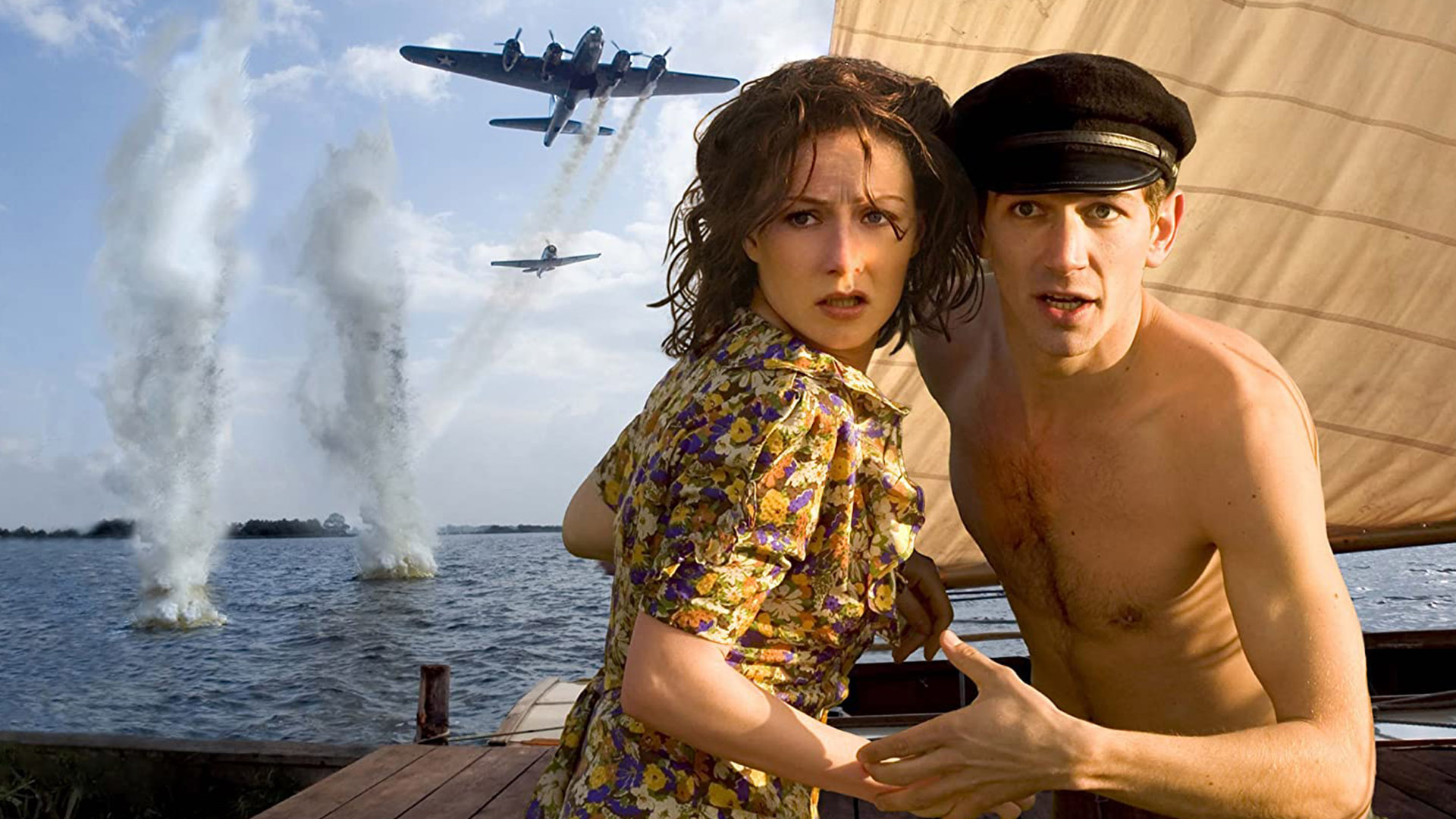
The war in Black Book isn’t a sweeping historical epic but a meat grinder crushing the fate of individual lives. The film follows an ordinary Jewish woman during World War II. The pain of losing her family forces her to shed weakness and loneliness as she infiltrates the enemy’s lair. Here, the line between survival instinct and thirst for revenge is constantly torn.
When life and death hang by a thread, usual moral standards collapse. The film doesn’t create flawless heroes or pure villains, only people desperately clinging to life.
Black Book succeeds with its equal, nonjudgmental gaze, reflecting a harsh truth: in times of chaos, there is no innate good or evil, only choices made under extreme pressure.
2. Perfume: The Story of a Murderer

An invisible scent with the power to imprison an extreme soul. Born into the filth of society but gifted with a genius sense of smell, Jean-Baptiste Grenouille spends his life chasing the purest fragrances in the world. Yet this pure love slowly twists into obsession, leading him down a dark path where he uses the lives of young women to craft his perfumes.
Beneath breathtakingly beautiful cinematography, Perfume holds a cold core about human nature. The collective frenzy scene at the end exposes humanity’s corruption, blindness, and greed. The film leaves us with a haunting question: is beauty created through destruction and trampling on morality the highest art or the deepest crime?
3. Nymphomaniac

Society often labels outsiders with prejudice. Nymphomaniac boldly tears off that mask to tell the story of a woman branded “sick”. In truth, she carries childhood wounds and tries to fill an emotional void while seeking her own worth.
The film portrays desire with frankness yet control, never vulgar. It reads like a personal diary capturing her struggle to break free from society’s definitions. Despite hardships, she fiercely defends her freedom and dignity, proving that behind every lost soul is a powerful longing to be understood and respected.
4. Lolita

Some relationships are doomed from the start. Lolita confronts a taboo and morally twisted bond. The obsession of a middle-aged man for a teenage girl is never true love but a meticulously planned mental imprisonment.
The film’s depth lies not in sensitive scenes but in exposing selfishness disguised as “deep love.” It acts as a cold mirror reflecting pathological possession born from loneliness and sounding a warning bell. True love is never manipulation, control, or the theft of another’s freedom.
5. Basic Instinct

A bizarre murder case sparks a tense battle of wits. Basic Instinct weaves desire and danger into a tangled psychological web. The clash between a detective and a female suspect is really a fierce struggle between human reason and primal instinct.
The film’s open ending shatters illusions and reveals a brutal truth: the human heart is an abyss with no fixed answers. In a game ruled by desire, no one can fully read another’s mind or walk away unscathed.