


A Very Human Superman: Vulnerable and Emotional
Say goodbye to Zack Snyder’s stern “Man of Steel” or Christopher Reeve’s untouchable perfection. James Gunn’s Superman is Kal-El on a journey to find himself.
Played by David Corenswet, this Kal-El wrestles with more than just saving the world from a black hole and a cloning conspiracy. He must face the harsh truth that his biological parents from Krypton sent him to Earth not to live, but to conquer.
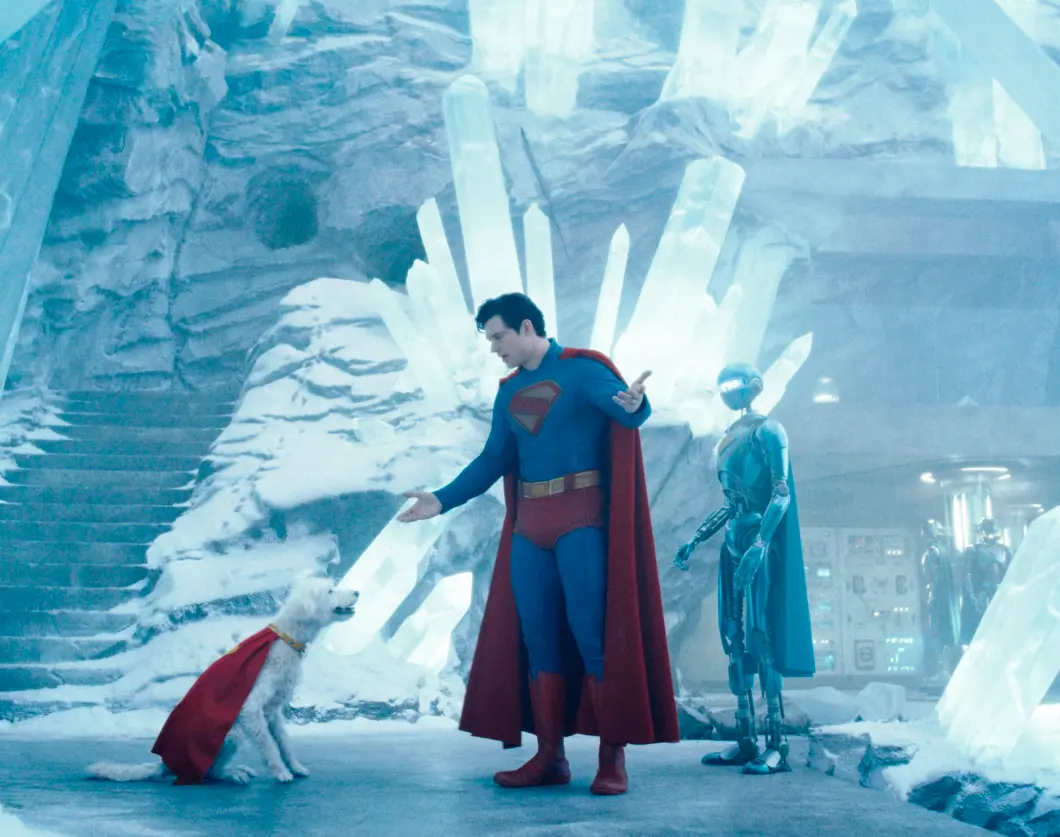
This is no longer a fairy tale about a child sent in a spaceship as a gift to humanity. It’s a deliberate plan. Kal-El becomes a symbol of doubt, pain, and an unexpected hope: can we overcome our origins to become who we truly are?
The Guardian notes, “Gunn has transformed Superman into a deeply psychological character, no longer a man flying down from the sky, but a lost young man in a superhero suit trying to understand who he is.”
No Multiverse, No Cameos, Just One Superman and Inner Turmoil
At a time when audiences are exhausted by superhero movies overloaded with multiverses, James Gunn takes a completely different approach: telling a straightforward story focused on one person, one conflict, and one moral choice.
This makes it easier for viewers to connect, follow, and feel the emotional weight. Without alternate dimensions or surprise cameos, the film still feels fresh: there’s a “clumsy” Superman controlled like a video game character, Metamorpho who can turn his legs into Kryptonite, and high-tech AI-controlled combat drones.

Yet beneath it all, “Superman” maintains the emotional rhythm of a family drama, only with lasers and a crystal fortress.
Lex Luthor as a Tech CEO: The Villain of a New Era
If Superman stands for kindness, Lex Luthor embodies the fear of being replaced, not by guns, but by ethics and love.
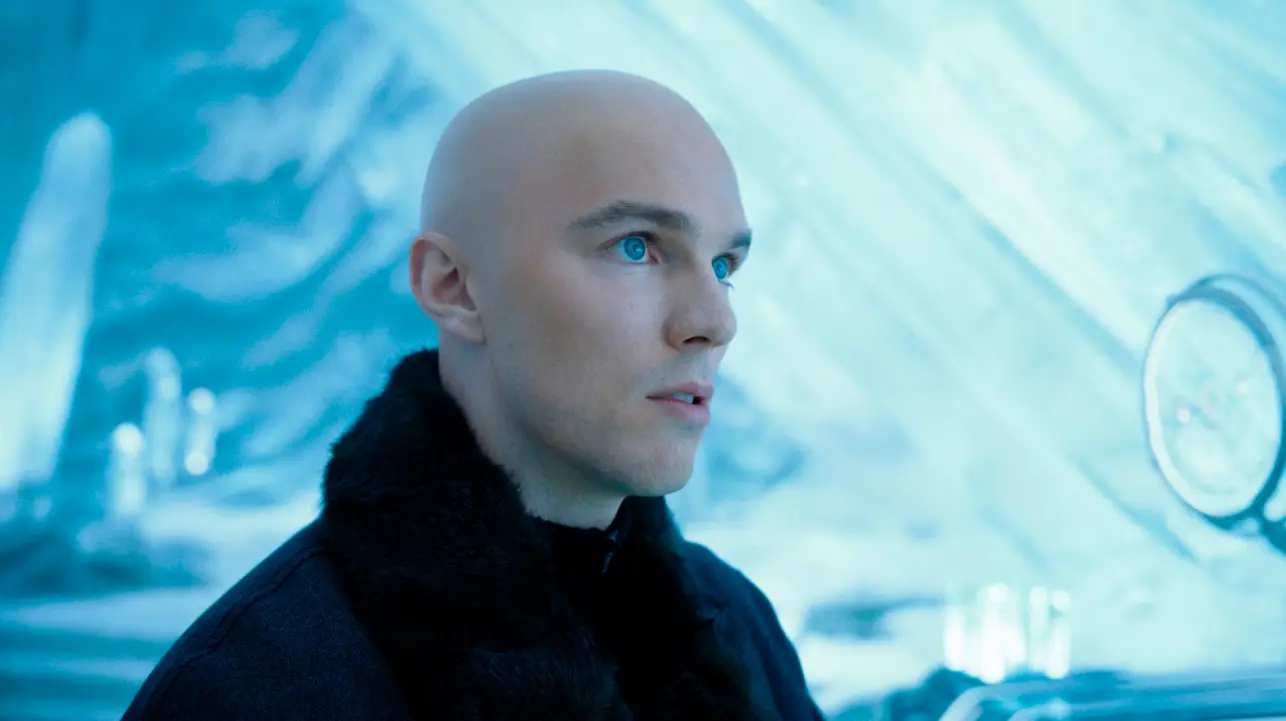
Portrayed by Nicholas Hoult, this Lex is no longer a crazed or scarred villain. He’s a cold, clean-cut “tech bro” who manipulates systems. He sees Superman as a threat to his vision of a world run by technology, surveillance, and profit, not free goodwill.
The Times calls Lex “the most formidable villain in DC film history, dangerous not because of power but because he’s so much like us.”
Unexpected Spotlight: Krypto, the Dog Who Stole Hearts
Amid tense battles and debates on immigration, ethics, and identity, “Superman” offers a lighthearted moment with Krypto, the superhero dog.

Fiercely loyal and potentially able to defeat Darkseid with the right chew toy, Krypto is predicted to become DCU’s new mascot. Interestingly, this dog belongs not to Kal-El but to Kara Zor-El, Superman’s cousin (played by Milly Alcock), who appears briefly with a playful, rebellious vibe very different from the traditional Supergirl.
The Guardian jokes, “If anyone deserves a spin-off after this movie, it’s Krypto, not for power, but for pure lovable charm.”
James Gunn’s “Superman” is not flashy or loud, nor does it try to be “too grand.” But its quiet sincerity and emotion make it a standout.
The Week comments, “This is a rare superhero film that cares about the question Who am I? instead of Who will I save?, and that makes it far more memorable than many action blockbusters.”
You’ll see a slightly awkward Kal-El, sometimes confused, sometimes burdened by others’ expectations. But you’ll also see him persistently choosing what’s right, not because he was born to, but because he wants to.
And as The Guardian writes, that’s how James Gunn shows his greatest love for this character: by letting him live as a human before becoming a symbol.