


The anime world often witnesses series that start with a bang, creating global sensations, only to falter midway due to tangled plots, declining quality, or studio changes.
Here are 8 series once hailed as masterpieces but ultimately left fans deeply disappointed!
1. Blue Lock
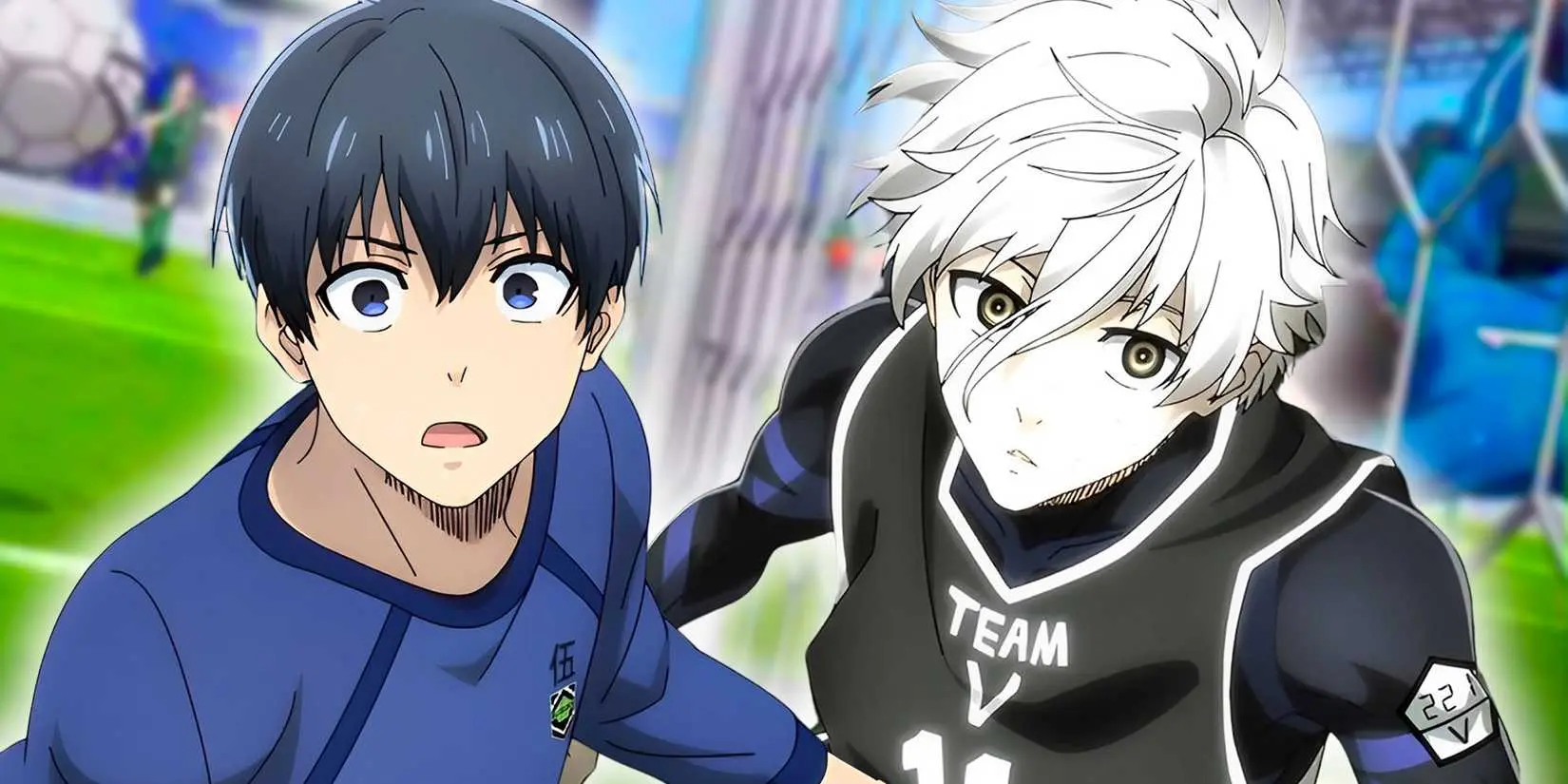
When Blue Lock debuted, it brought a fresh, intense take on sports anime by focusing on individualism and selfishness, turning soccer into a psychological battle. However, the series’ intensity began to collapse under its own weight.
Long, drawn-out arcs, repetitive character development, and matches losing tactical creativity in favor of flashy “superpowers” hurt the story. Combined with the lackluster animation quality in Blue Lock’s second season, the series took a steep nosedive.
2. Cells at Work!
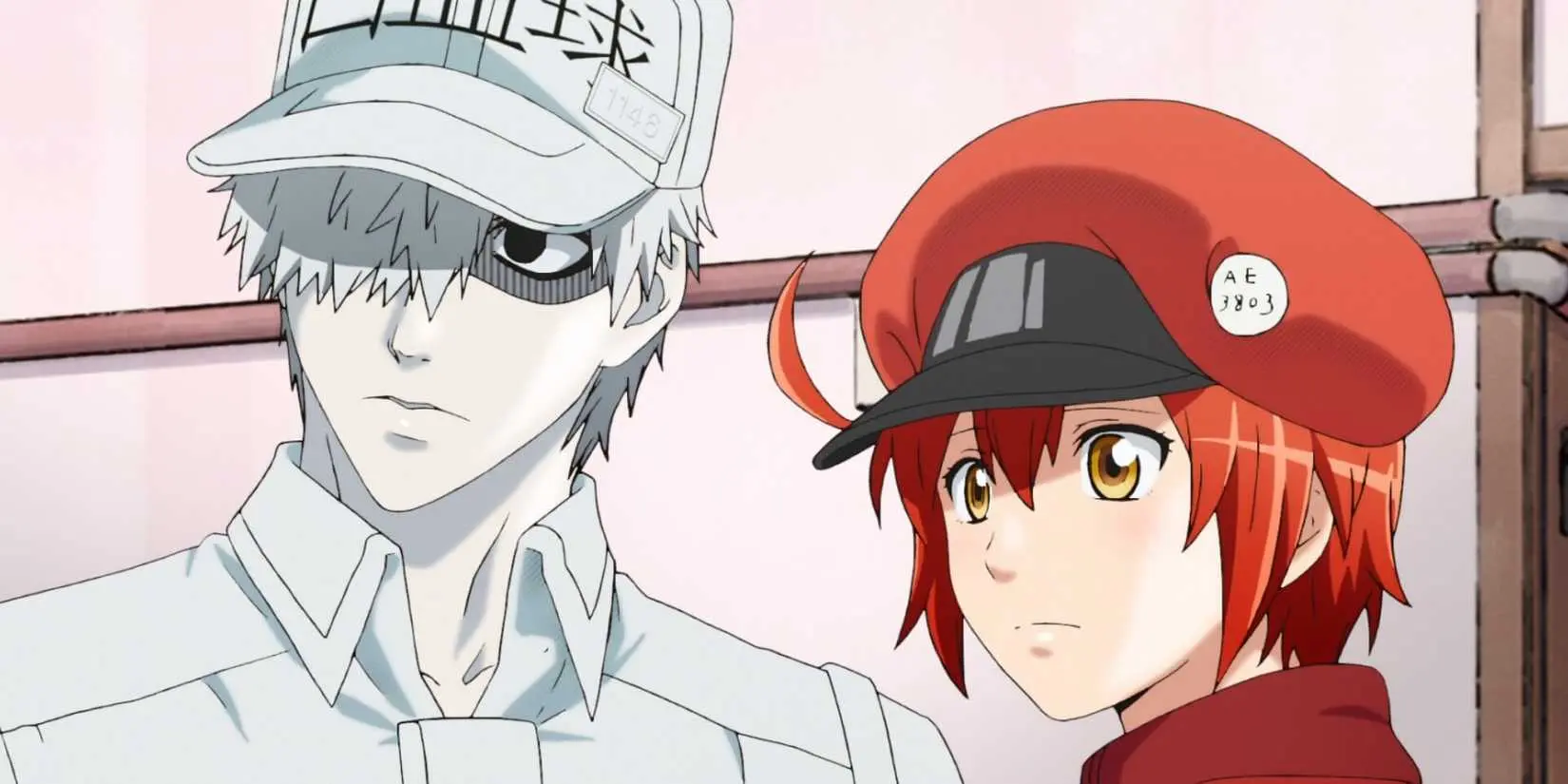
The first season of Cells at Work! was unique and entertaining, using anthropomorphized cells to explain the human body. Its mix of humor, charm, and scientific facts attracted even casual viewers. Episodes about platelets and the immune system quickly became phenomena.
But the novelty faded fast. Season two struggled to keep its appeal, often recycling familiar scenarios and explanations without adding much new information. Even spin-offs like Code Black, with its darker tone, couldn’t save it. The franchise gradually became an overextended marketing gimmick, overshadowing its original cleverness.
3. Tokyo Revengers
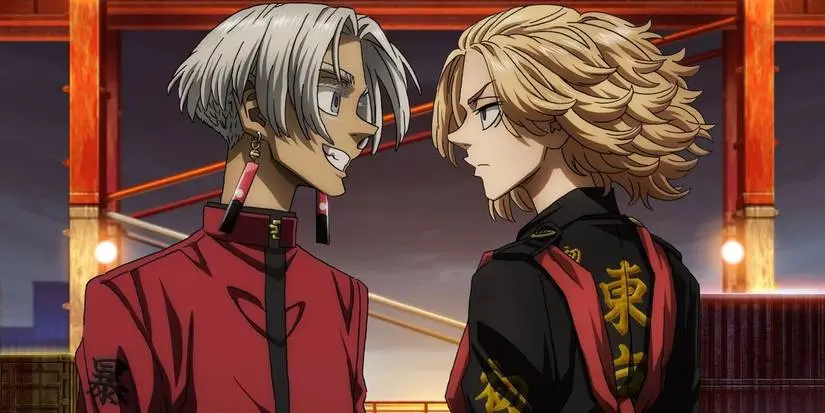
Tokyo Revengers exploded in popularity thanks to its clever mix of school gangs and time travel. The protagonist’s desperate attempts to change the past carried strong emotional weight.
But as the story progressed, cracks appeared. The time travel mechanics became inconsistent, with timelines shifting confusingly rather than meaningfully. Characters who once had depth turned into repetitive archetypes, constantly cycling through betrayal and reconciliation.
4. One-Punch Man
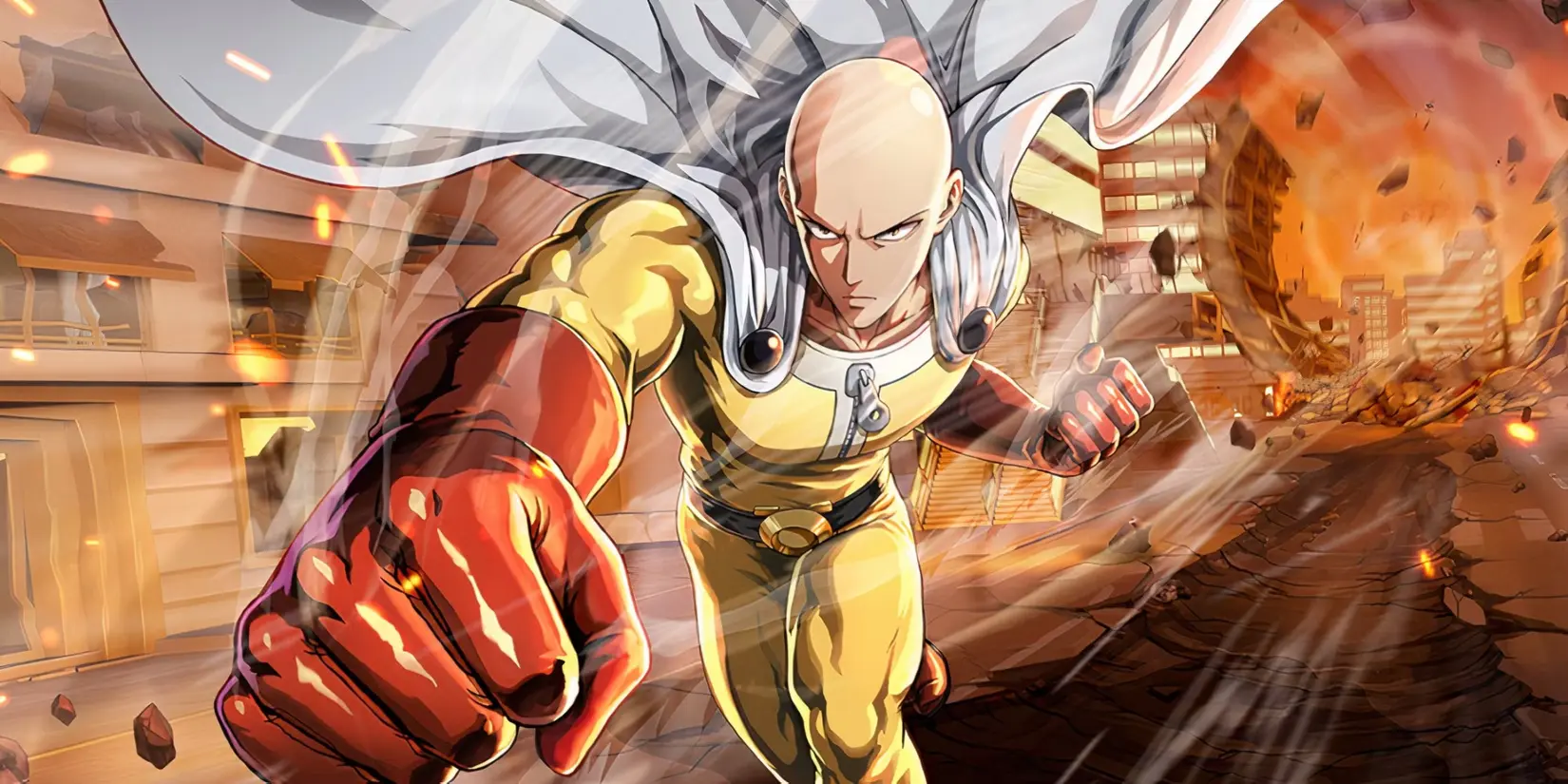
When One-Punch Man first aired, it was revolutionary: Saitama’s ability to defeat any enemy with a single punch was both a sharp satire and a showcase of top-tier action animation.
But maintaining that quality proved impossible. The second season switched studios, leading to a noticeable drop in animation quality. The pace slowed, focusing too much on side characters without balancing Saitama’s presence. The series lost its original momentum, becoming a pale shadow of itself.
5. Darling in the Franxx
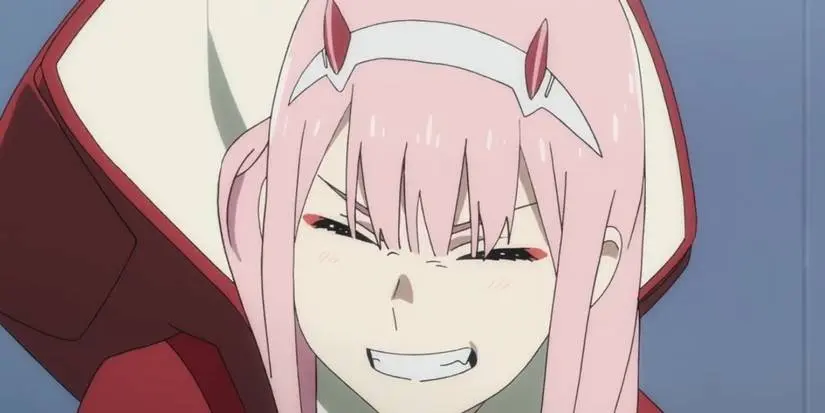
Darling in the Franxx made a strong impression with bold visuals and intriguing mysteries. The emotional bond between Hiro and Zero Two and the first half’s layered, metaphor-rich storytelling promised a masterpiece.
But everything collapsed in the second half. The show abandoned internal conflicts for a sudden alien invasion and rushed plot resolutions. Carefully built themes were discarded in favor of melodrama, turning a promising series into one of anime’s most notorious declines.
6. Tokyo Ghoul
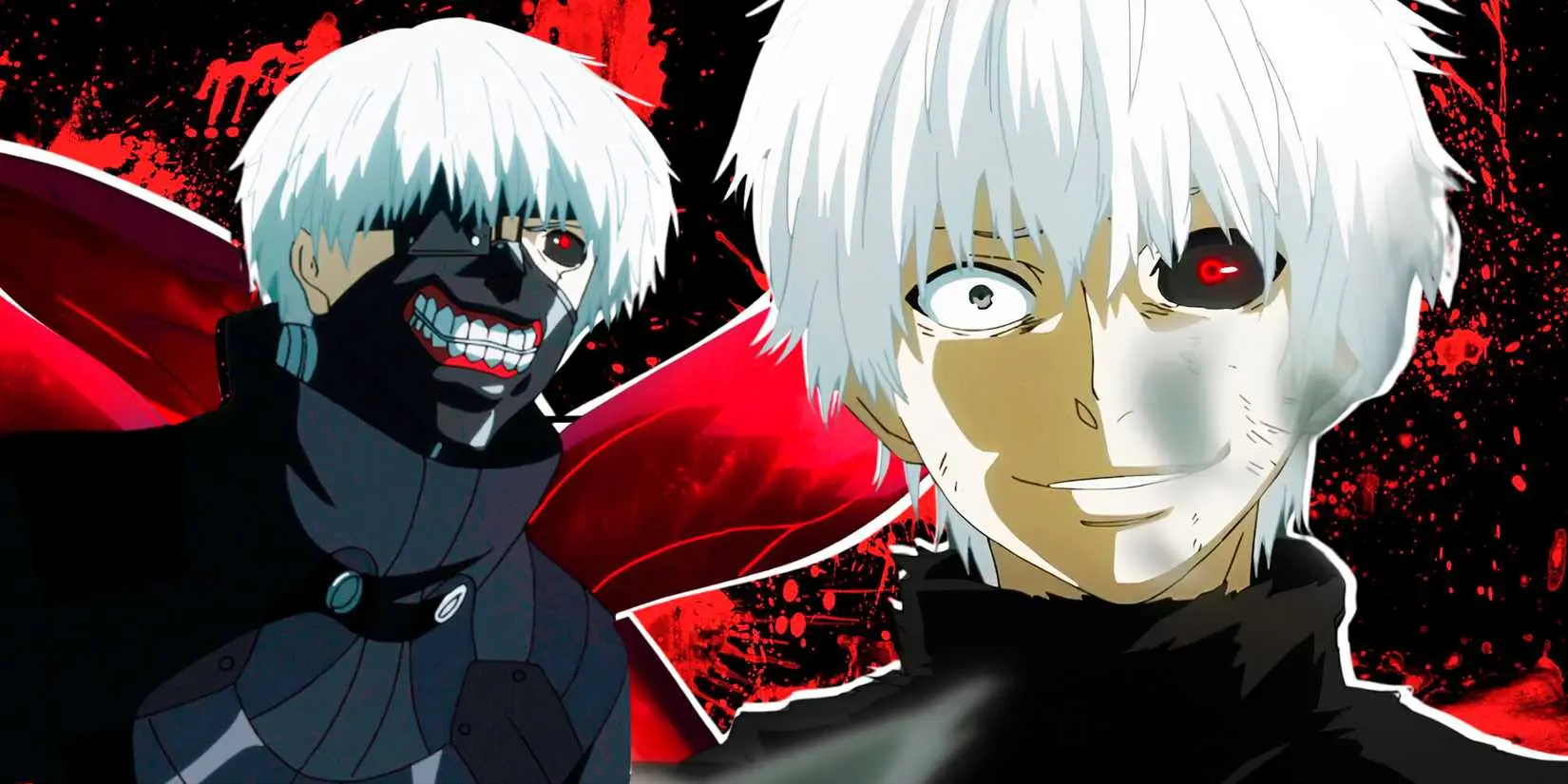
The first season of Tokyo Ghoul became iconic with its dark tone, stylish action, and Kaneki’s tragic transformation. The infamous torture scene was a series highlight, balancing brutality with emotional depth.
But the series quickly derailed. Tokyo Ghoul √A diverged from the manga, confusing fans with incoherent plot choices. Later seasons tried to fix things but only made matters worse with shortened and cut arcs.
7. The Promised Neverland
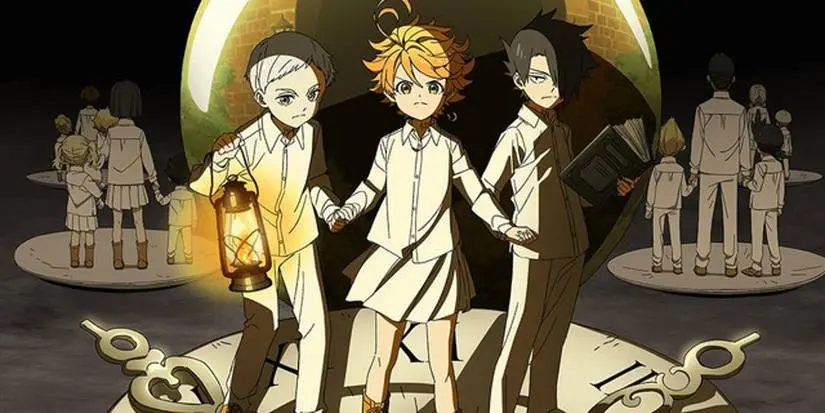
The first season of The Promised Neverland was spectacular, delivering a thrilling escape story full of mystery and clever strategy. The intellectual battle between Emma, Norman, Ray, and Isabella captivated viewers worldwide.
But season two became infamous for all the wrong reasons. The anime skipped entire key manga arcs, rushing through plots that deserved more time and emotional depth. Characters lost complexity, crucial developments were omitted, and the ending felt hollow. This is a prime example of wasted potential.
8. Uzumaki
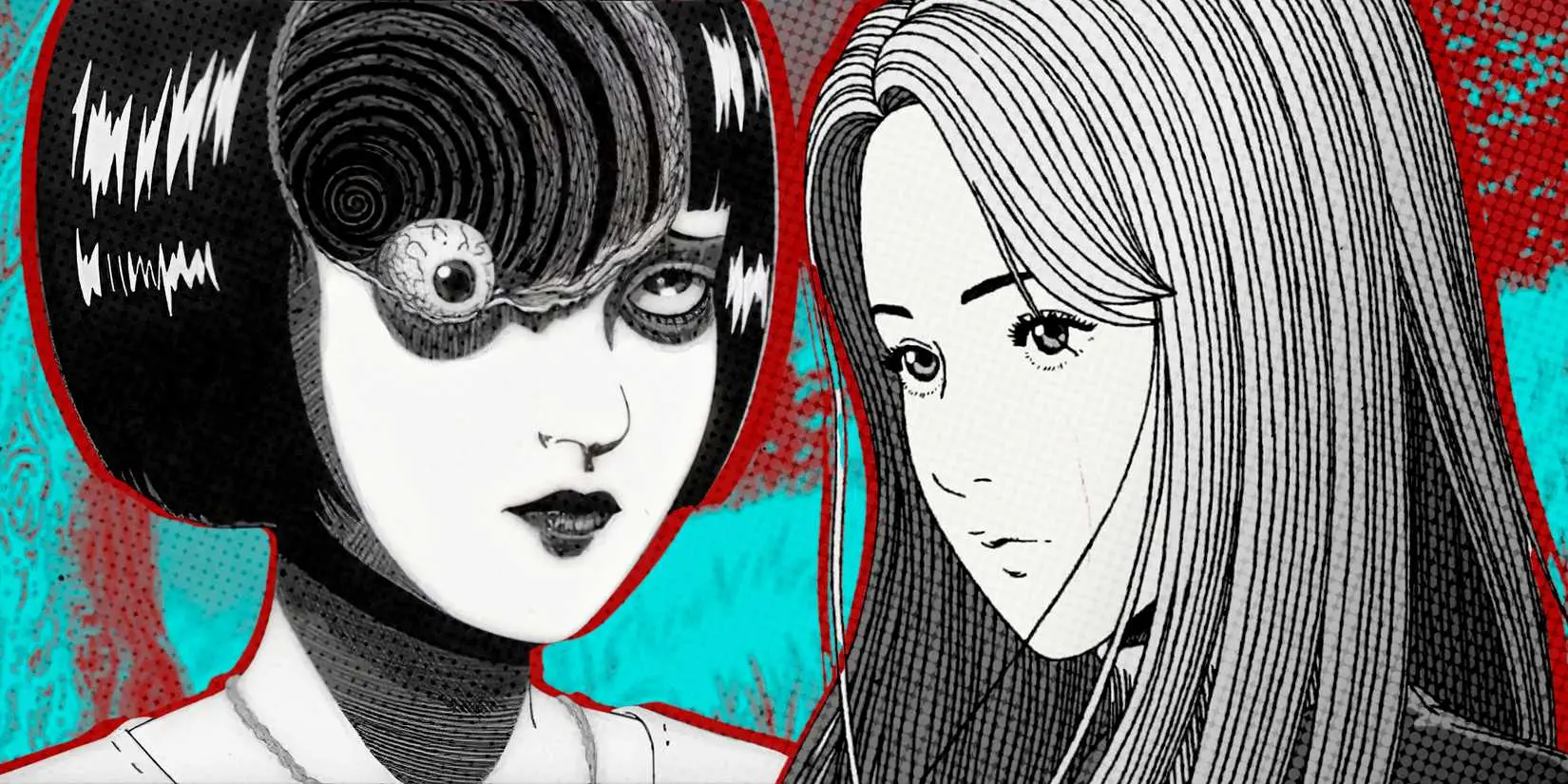
The adaptation of Junji Ito’s Uzumaki was one of the most hyped horror anime announcements in years. Fans eagerly anticipated a faithful rendition of the original’s eerie black-and-white style.
Unfortunately, the project faced repeated delays and production issues. When the final episodes aired, many were disappointed. The unique art style wasn’t fully realized, and uneven pacing dulled the impact of the horror moments. Uzumaki failed to meet expectations, becoming a clear example of a promise unfulfilled.