

When the Racetrack Becomes a Cinematic Stage
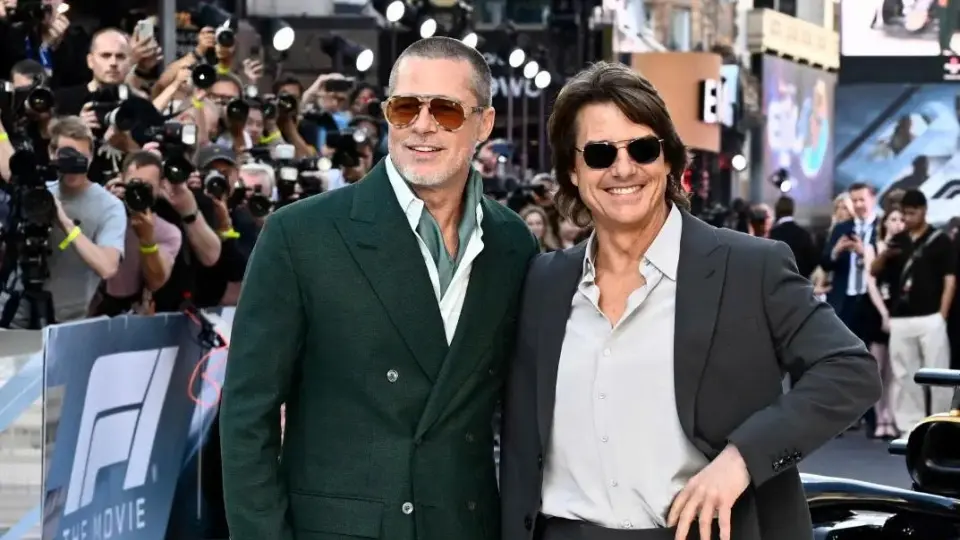
Movies about racing often intimidate audiences with their focus on speed, engines, and technical details, which can feel dry and hard to connect with. But “F1”, the latest blockbuster from director Joseph Kosinski and star Brad Pitt, shatters those expectations with an entertaining yet emotionally rich cinematic experience. Produced by Warner Bros. and Apple Studios, “F1” is not just for Formula 1 fans, it’s a visually stunning symphony about passion, friendship, and overcoming personal limits.
The cinematic language of racing films, especially those with existential themes, has long been established. Fans of “Grand Prix” (1966) will recall the sensation of racing at breakneck speed through low-angle shots. Then came “Le Mans” (1971), and “Mad Max”, not officially a racing film but full of speed and dedication. These classics laid the foundation for how we perceive sharp turns and the solitude of drivers as metaphors for human resilience.
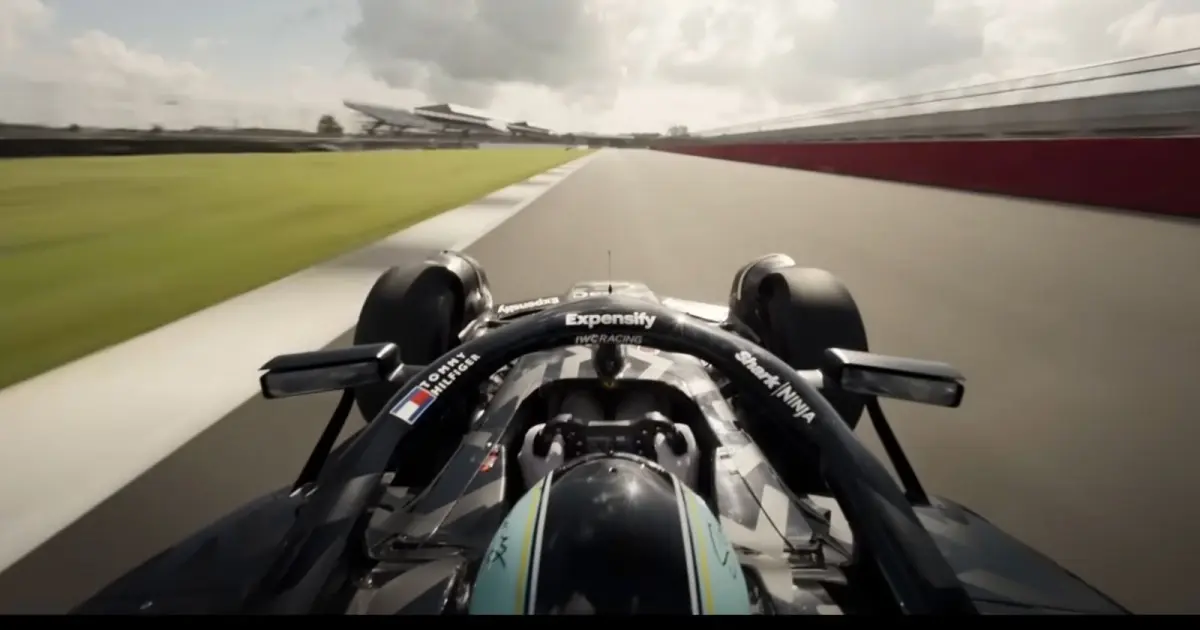
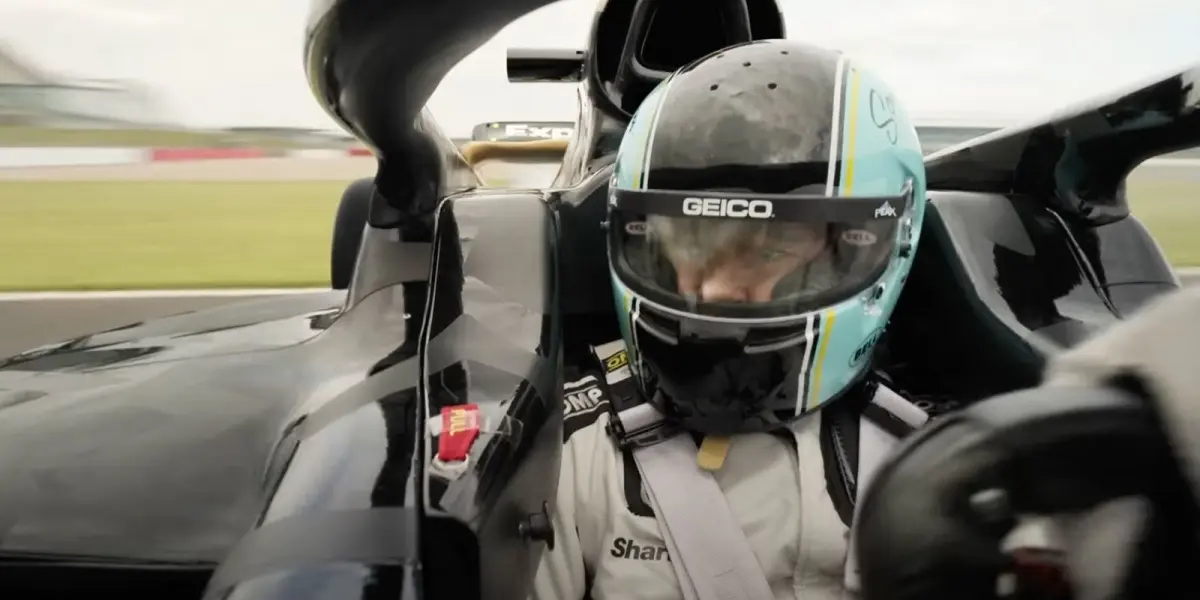
With “F1,” Joseph Kosinski, who won audiences over with “Top Gun: Maverick,” continues to explore the “aesthetics of speed” using cutting-edge visual technology. Collaborating with Oscar-winning cinematographer Claudio Miranda, Kosinski creates a breathtakingly vivid racing universe. From 200 mph accelerations to cockpit close-ups, “F1” immerses viewers inside the car, letting them feel the engine’s roar, sweat dripping down the forehead, and heart pounding with every turn.
The biggest highlight of “F1” is its meticulous visuals, blending real footage with modern effects. First-person perspectives reminiscent of VR gaming, near-edge drifts, and the screech of tires on asphalt make the audience not just watch the race but truly experience every acceleration and turn as if they were inside the car. Hans Zimmer’s music, who previously captured the energetic spirit of “Days of Thunder,” acts as an emotional glue, elevating each scene into an adrenaline-pumping cinematic EDM.
Brad Pitt’s Journey to Racing Redemption
The story of “F1” is straightforward, but its restraint allows emotions to soar. It follows Sonny Hayes, a seasoned driver played by Brad Pitt, who once tasted glory but retired after a horrific crash. Now middle-aged, Sonny is invited back to revive a struggling racing team. While the comeback hero trope is familiar, Pitt’s nuanced performance makes Sonny believable: experienced yet passionate, weary but never giving up.
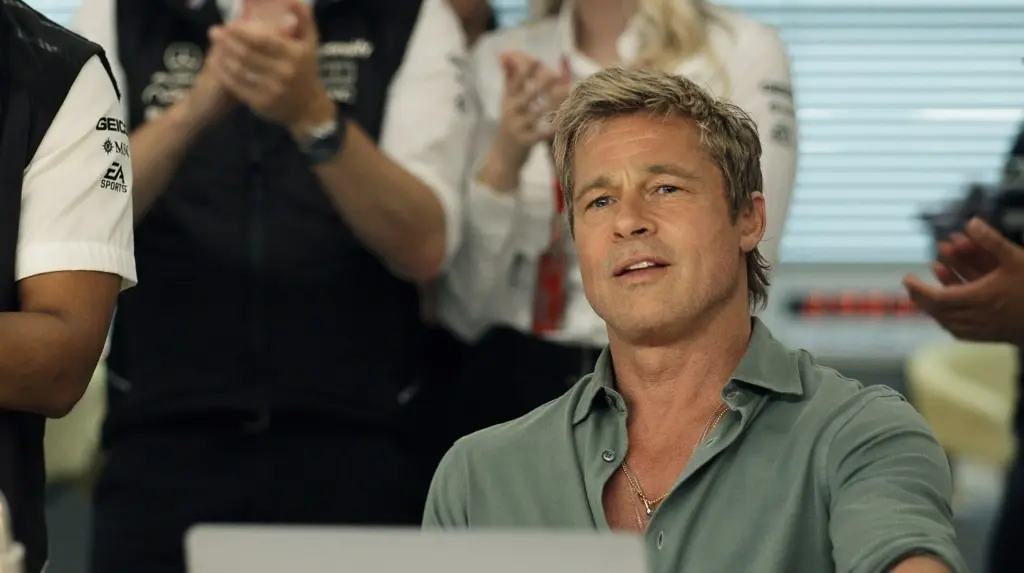
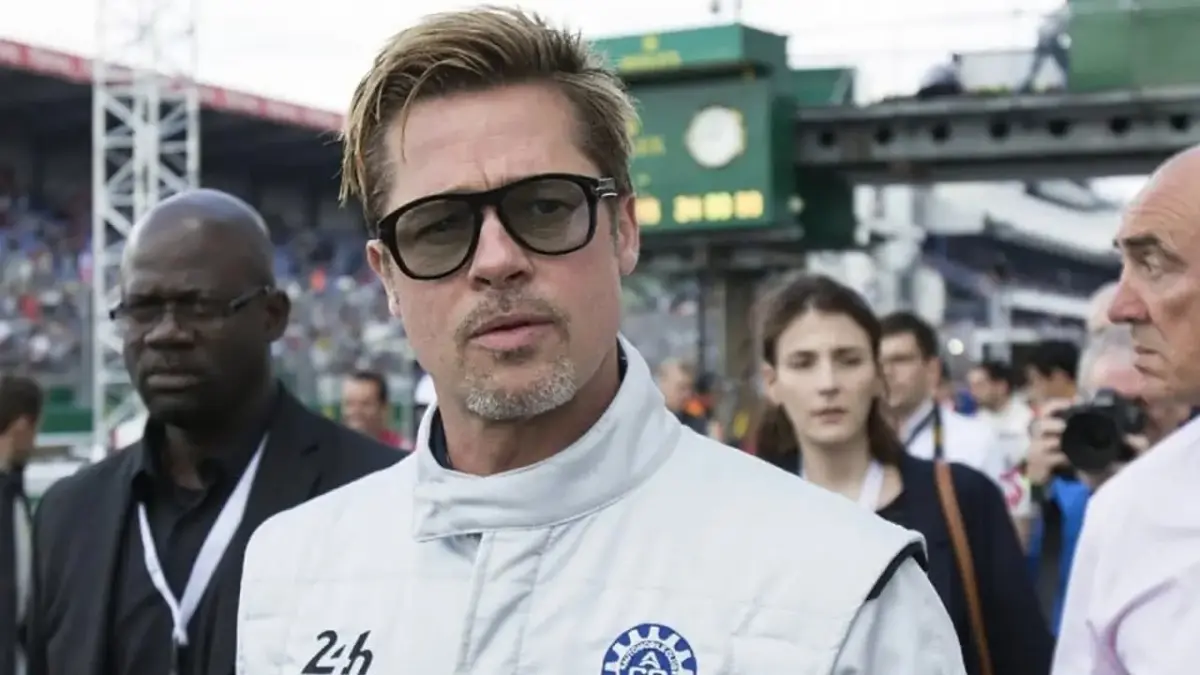
Pitt, who also co-produced and co-wrote the script, doesn’t just act but lives the role. A longtime racing fan, he drove in many scenes, delivering a natural, effortless performance. Behind the helmet, his eyes reveal determination mixed with inner turmoil, a Sonny who has faced failure and lost his way but still holds onto his love for racing and unbreakable spirit.
One controversial but notable choice is the use of real footage from Martin Donnelly’s 1990 crash to depict Sonny’s dark past. While this may unsettle some viewers, it shows the director’s boldness in recreating iconic, real moments in F1 history.
“F1” also shines with its supporting cast. Javier Bardem plays Ruben, Sonny’s longtime friend and partner, bringing depth and a compelling contrast to the younger characters. Damson Idris as Joshua Pearce represents the new generation: confident and talented but still needing guidance. The relationship between Sonny and Joshua is more than passing the torch, it’s a generational dialogue that is both tense and inspiring.
However, “F1” does occasionally fall into familiar storytelling traps. Written by Ehren Kruger, known for “Top Gun: Maverick,” “Dumbo,” and the “Transformers” series, the film recycles classic tropes: the returning hero, the young rival, the climactic showdown. Yet its clear storytelling, sharp editing, and stunning visuals keep these clichés feeling fresh.
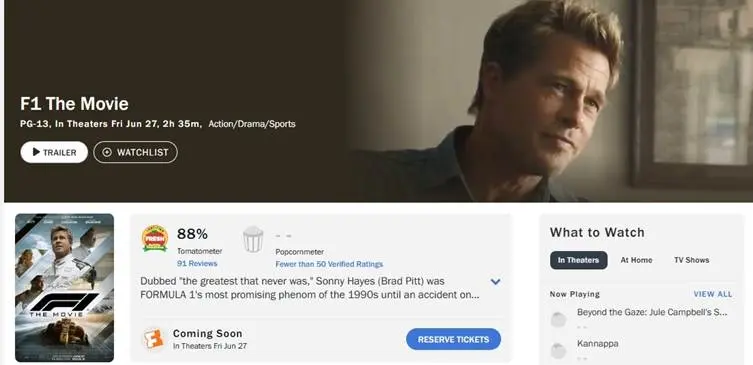
With an 88% fresh score on Rotten Tomatoes, “F1” stands out among sports films. It impresses both critics and professional drivers alike. It’s proof that a technically detailed, specialist film can still touch audiences’ hearts when made with passion and empathy.