


In recent years, Demon Slayer (Kimetsu no Yaiba) has caused a worldwide sensation. Record-breaking box office numbers, soundtrack hits topping charts, and a massive fanbase are clear proof. Many believe the show’s success comes from ufotable’s lavish animation budget. However, at its core, Koyoharu Gotouge’s achievement also stems from selectively inheriting the best elements from anime predecessors.
Newcomers learning from legends like Dragon Ball is a tradition in the anime and manga industry. With Demon Slayer, the creator cleverly borrowed pieces from the past to tell a deeply human story about humanity’s survival.
1. Naruto: The “Hero Trio” Formula and Streamlined Storytelling
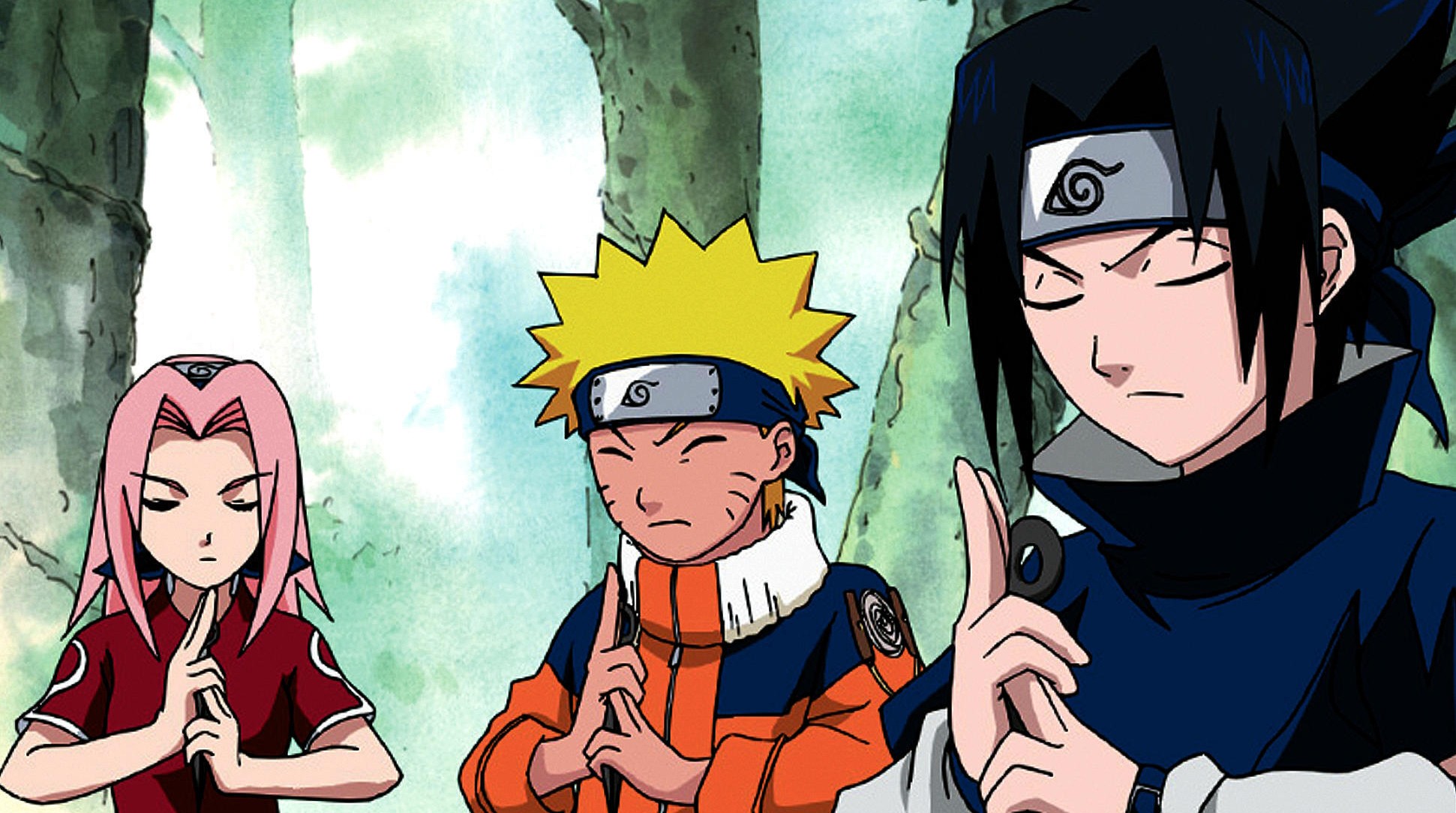
If Dragon Ball is the founder of the shonen genre, Naruto is its perfect successor who then passed the torch to Demon Slayer. The clearest influence is the “Hero Trio” model.
Tanjiro, Inosuke, and Zenitsu are modern versions of Naruto, Sasuke, and Sakura. Yet Demon Slayer wisely streamlines the adventure to speed up the pacing.
Unlike Naruto’s rapid power escalations and sudden jutsu breakthroughs, Tanjiro’s growth is smoother and more realistic. Limiting power levels makes every battle in Demon Slayer feel life-or-death and weighty.
2. JoJo’s Bizarre Adventure: Bold Colors and Unique Style
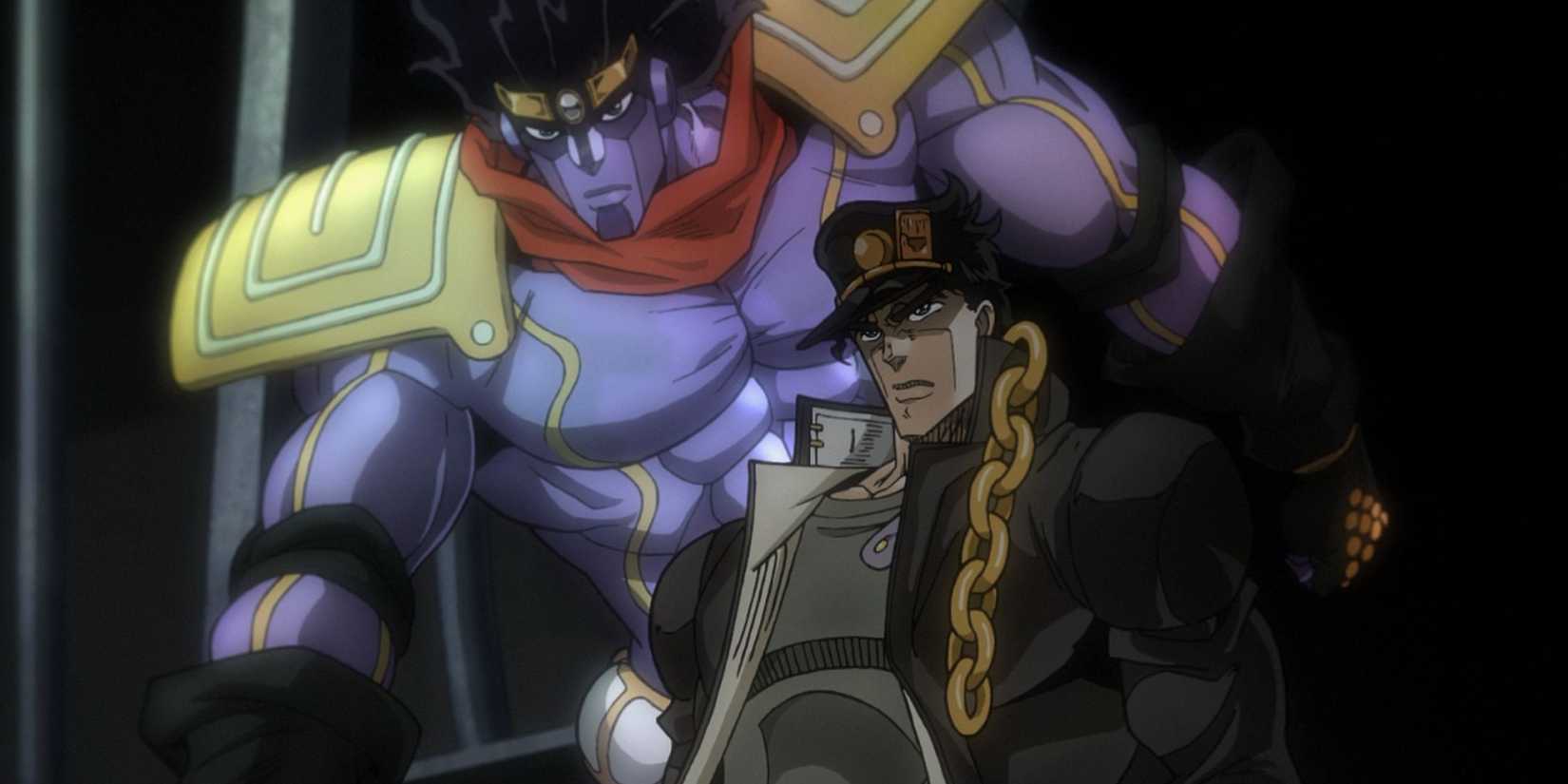
It might seem unlikely that a demon slayer anime draws from JoJo’s Bizarre Adventure, but Gotouge has confirmed this influence. While JoJo is famous for its Stands and quirky humor, Demon Slayer borrows its creativity in character design.
Though the demon slayers don’t strike classic statue-like poses, they embrace JoJo’s vibrant spirit through their costumes and hairstyles. Mitsuri Kanroji’s unique two-tone hair and Zenitsu’s bright orange, yellow, and white haori stand out vividly against the dark backdrop of nighttime hunts.
3. Inuyasha: Battles with Demons and Magical Swords
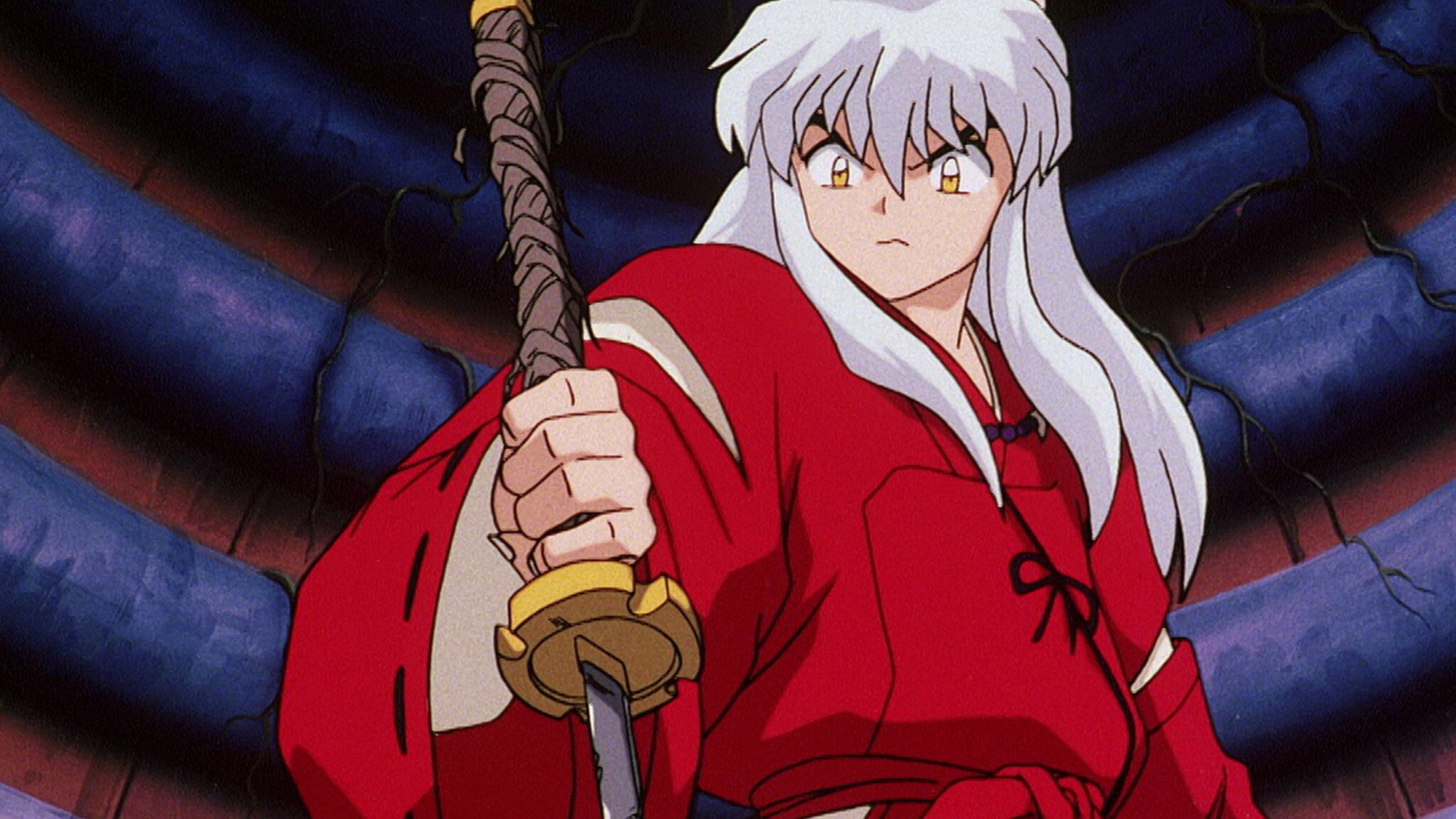
The connection between Demon Slayer and Inuyasha is undeniable. Both focus on relentless battles against demons. Inuyasha wields the massive Tessaiga sword to punish his kind, while Tanjiro uses the Nichirin Blade to protect what remains.
Most notably, the final villain Muzan Kibutsuji closely resembles Naraku from Inuyasha. Both are cold-blooded antagonists lurking in the shadows, driven by an insatiable thirst for power, and known for exploiting and abusing their demon subordinates to achieve their goals.
4. Yu Yu Hakusho: Bloodlines and Fiery Comrades
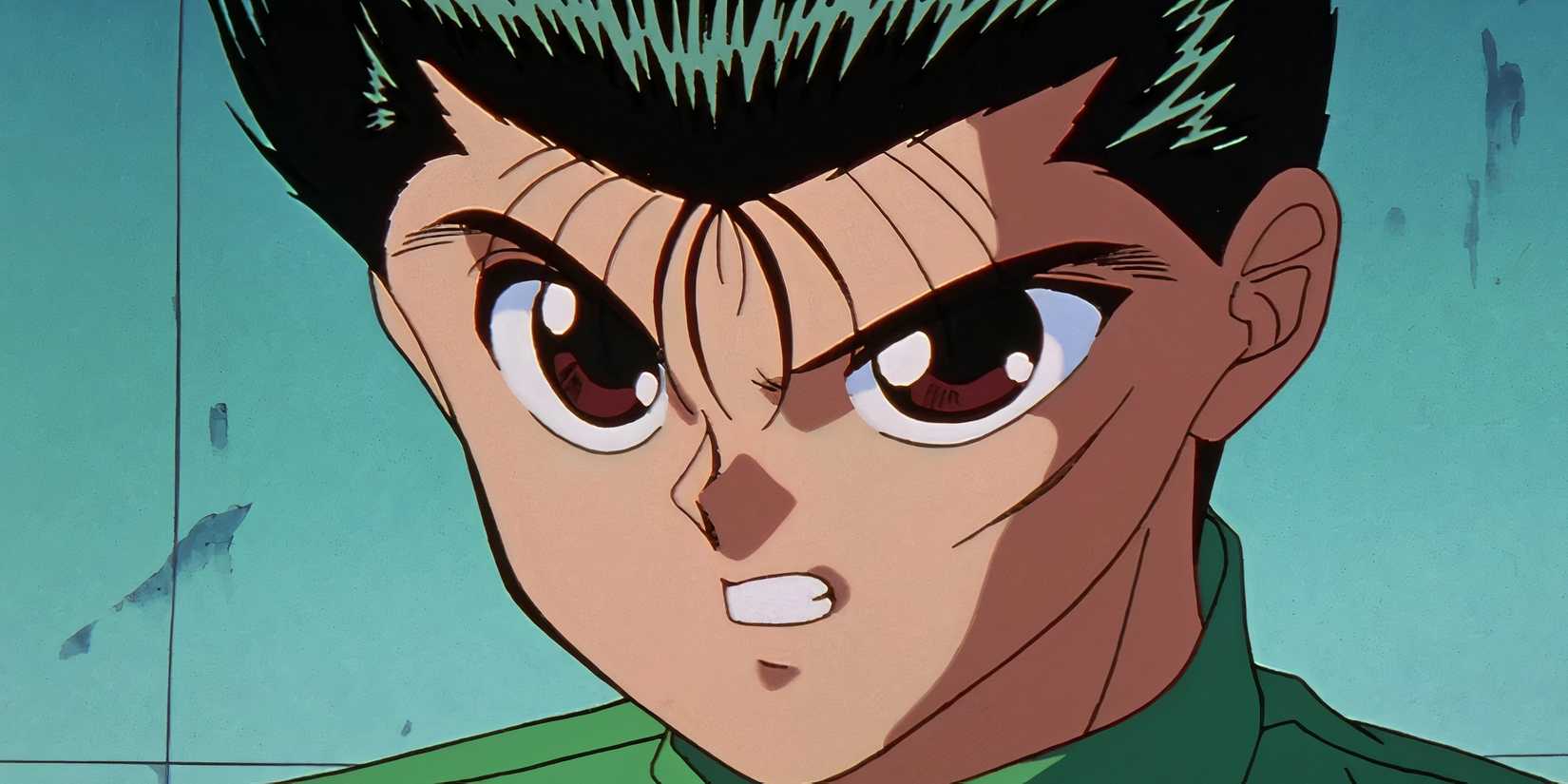
The link between Demon Slayer and Yu Yu Hakusho is more subtle but shares core values. Fans can see Inosuke as a reflection of Kazuma Kuwabara, a hot-headed rival who becomes a loyal teammate.
Additionally, the theme of “bloodline heritage” plays a key role. Tanjiro inherits the secret of the Dance of the Fire God from his ancestors, while Yusuke in Yu Yu Hakusho carries the blood of the great demon Raizen. Both stories emphasize the protagonist’s journey to discover and master their inherited power to overcome adversity.
5. Bleach: Pillars and Iconic Captains
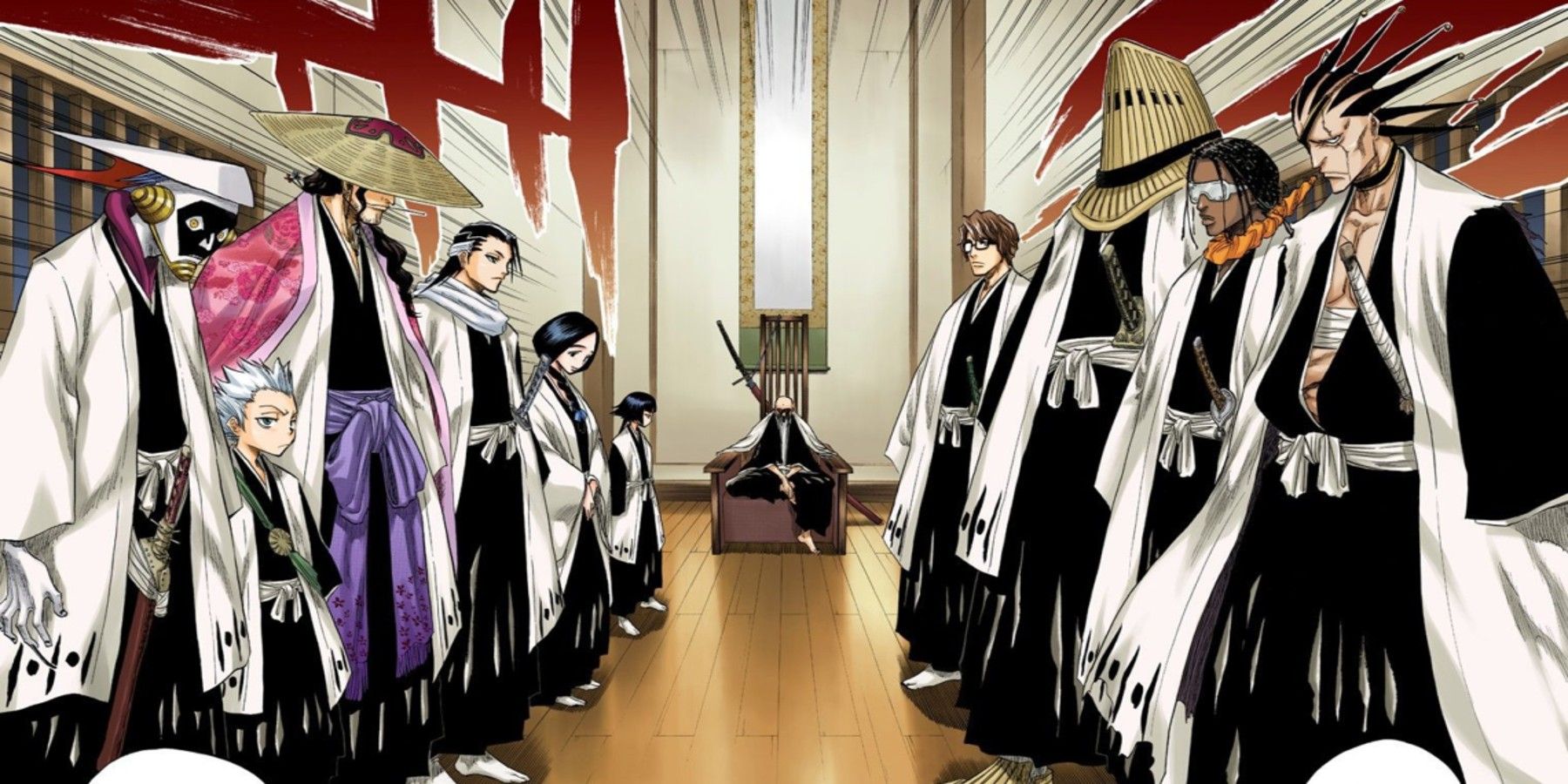
Tite Kubo’s Bleach certainly influenced the structure of Demon Slayer. The nine Hashira pillars closely mirror the Gotei 13 captains. Both are elite swordsmen with unique powers, responsibilities, and fighting styles.
Even Ichigo Kurosaki and Tanjiro share similarities: both are young sword-wielders burdened with protecting their sisters and families after a fateful night attacked by demons. However, Demon Slayer delves deeper into emotional pain, turning loss into a fierce will to survive.
6. Rurouni Kenshin: The Heart of a True Swordsman
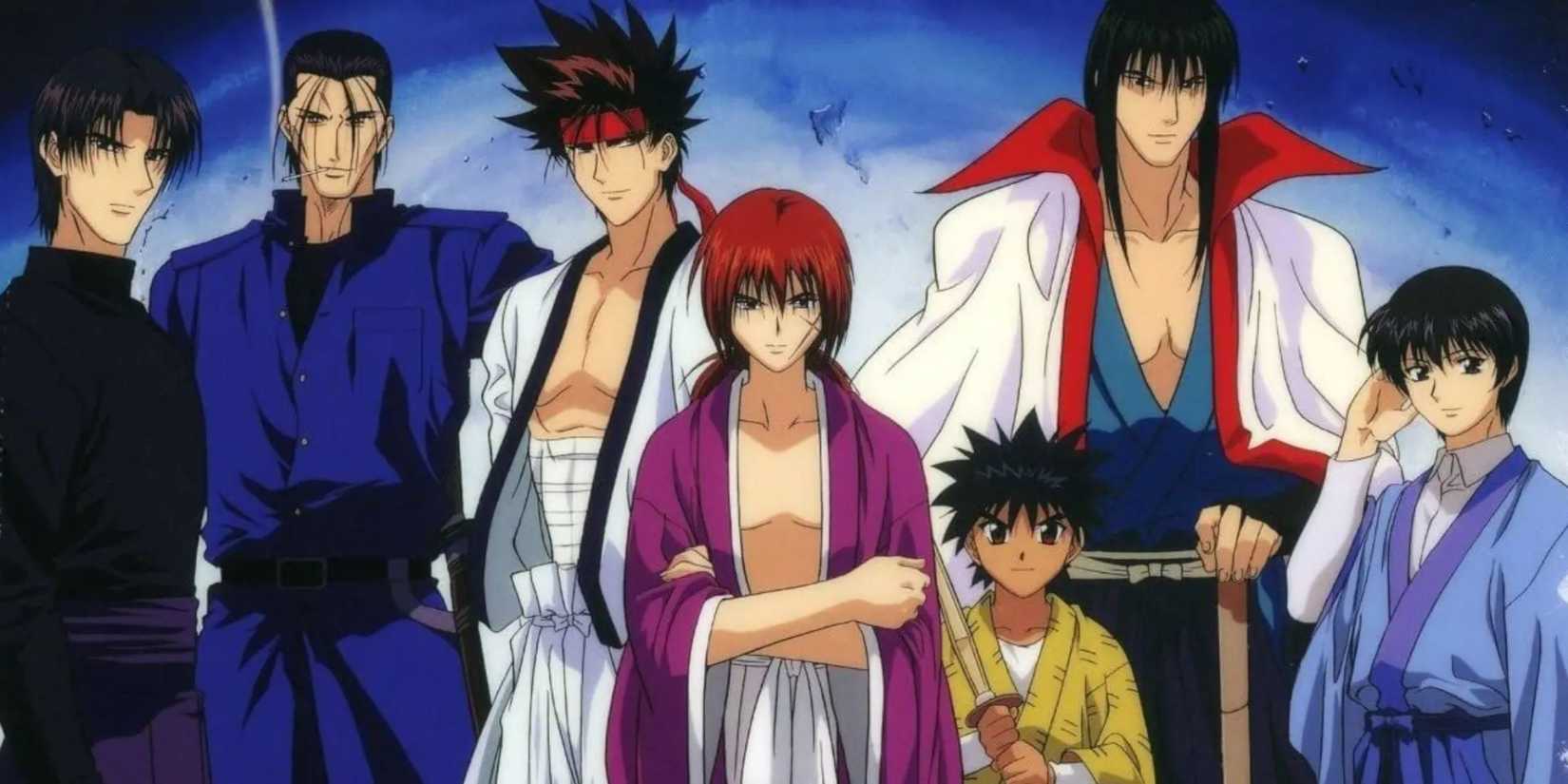
Lastly, Rurouni Kenshin’s influence is undeniable. While other anime shaped Demon Slayer’s power system, this series directly inspired Tanjiro’s personality and design.
Both Kenshin and Tanjiro are compassionate swordsmen who avoid killing unless absolutely necessary. Visually, they share a distinctive scar: Tanjiro’s forehead mark and Kenshin’s X-shaped scar on his cheek symbolize their painful, harsh pasts. They represent heroes who fight for peace rather than glory.